
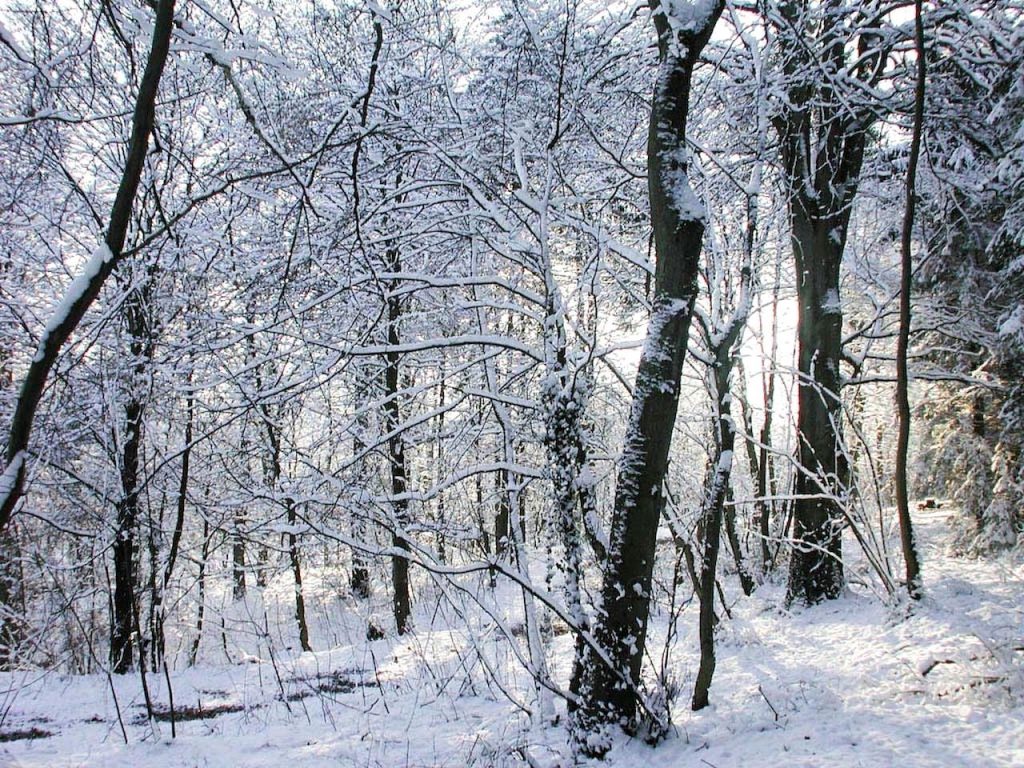
Winter’s grip is tightening fast, and this time, it’s not easing in gently. Three consecutive waves of Arctic air are set to slam into the United States this December, delivering the kind of cold that can freeze exposed skin in minutes, drive up heating bills, and strain energy grids nationwide. Meteorologists warn that this isn’t just another seasonal chill it’s a triple polar vortex event, with each blast capable of plunging temperatures and unleashing snow squalls across central and eastern regions.

1. The First Arctic Wave Arrives
AccuWeather Lead Long-Range Meteorologist Paul Pastelok confirmed, “This outbreak will be the first of likely three.” The initial surge is already spilling south from Canada, with wind chills between –10°F and –25°F in the Upper Midwest and Northern Plains. Flurries and squalls will sweep from the Great Lakes to the northern Appalachians, and the cold will linger into Friday. These blasts will be followed by two more in consecutive weeks, keeping much of the nation locked in a deep freeze through mid-December.
2. How the Polar Vortex Shapes This Winter
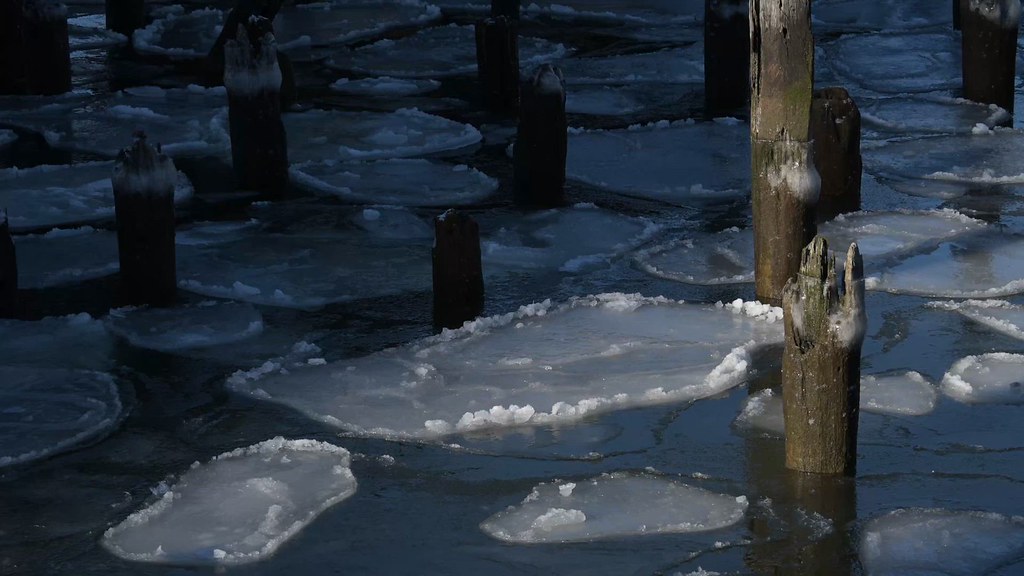
The polar vortex is a massive, circular upper-atmospheric system that normally traps the Arctic’s coldest air near the pole. This season, a split in the vortex has positioned a core over North America, funneling frigid air southward. According to atmospheric analyses, this displacement is aided by stratospheric warming events that weaken the vortex’s stability. The result: multiple cold-air waves in December and an extended corridor of snow cover stretching from the northern Plains to the Northeast.
3. Wind Chill: The Hidden Danger
It’s not just the thermometer reading that matters. The National Weather Service’s wind chill index shows how quickly frostbite can set in when strong winds strip heat from exposed skin. At –25°F wind chill, frostbite can occur in under 30 minutes. This makes proper winter gear gloves, hats, insulated boots not just a comfort, but a necessity for safety.
4. Protecting Your Home from the Freeze
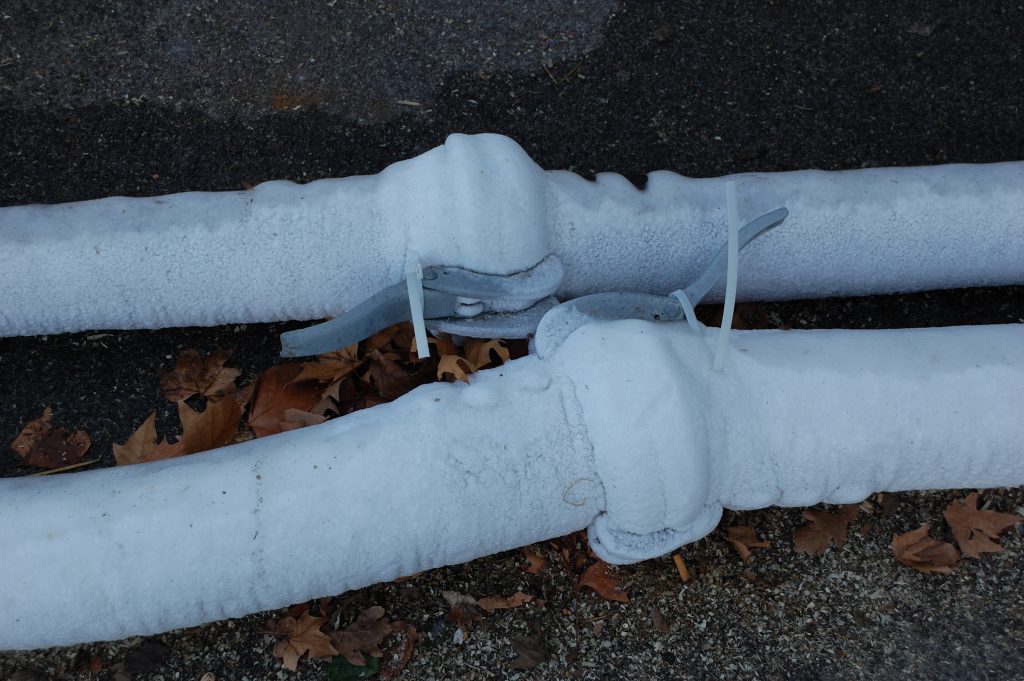
Extreme cold can wreak havoc on plumbing, roofing, and heating systems. Experts advise sealing drafts, keeping garage doors closed, and opening sink cabinet doors to allow warm air to circulate around pipes. Disconnect garden hoses and insulate exposed plumbing. “Know where your main shut-off valve is,” said Ken Herbert of Ken Herbert Plumbing. “If there is a burst pipe, you need to know where to shut the water off immediately.”

5. Guarding Against Energy Spikes
Heating costs can soar during prolonged Arctic outbreaks. Each degree you lower your thermostat can save about 2% on heating costs. Energy experts recommend maintaining a steady 68°F indoors, wearing extra layers, and closing off unused rooms. Draft stoppers, heavy curtains, and proper insulation can help retain heat and reduce reliance on the furnace.

6. Backup Power for Grid Strain
With millions of households increasing energy use simultaneously, grid strain is a real risk. Portable generators, pre-charged power banks, and hand-crank weather radios can keep essential devices running during outages. “Extreme cold often brings power outages, and having a redundant power source can make the difference between inconvenience and an emergency,” said Jake Johnson of Batten Safe.
7. Preventing Ice Dams
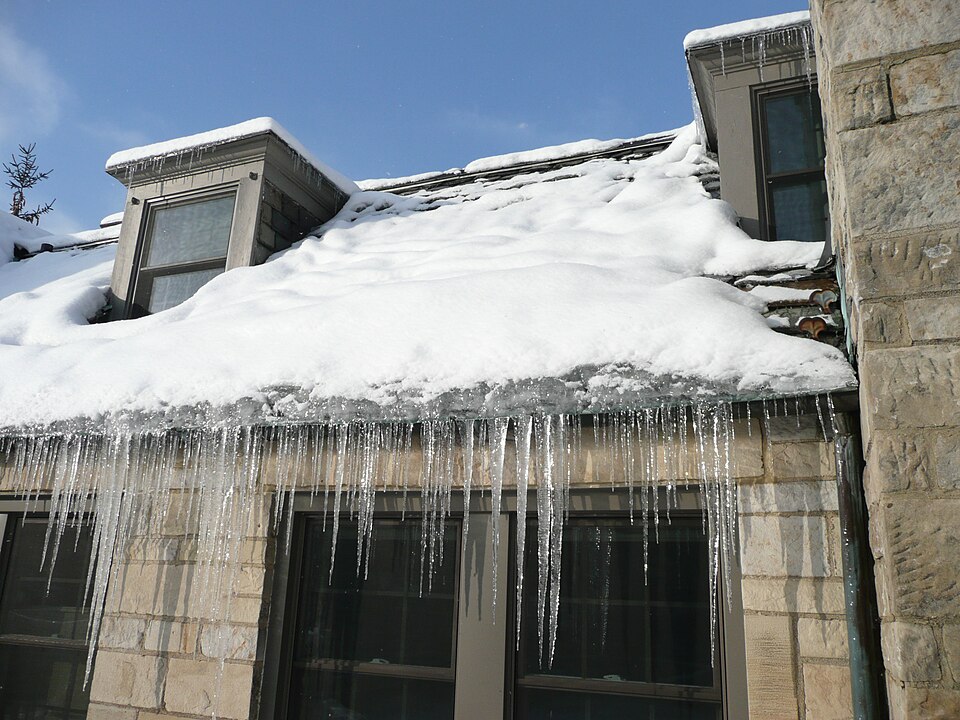
Ice dams form when heat from the home melts rooftop snow, which refreezes at the eaves. This can force water back into walls and ceilings. Preventive steps include cleaning gutters, ensuring proper attic insulation and ventilation, and using roof rakes or heat cables. Excessive icicles are a warning sign of potential damage.
8. Safety with Heating Devices
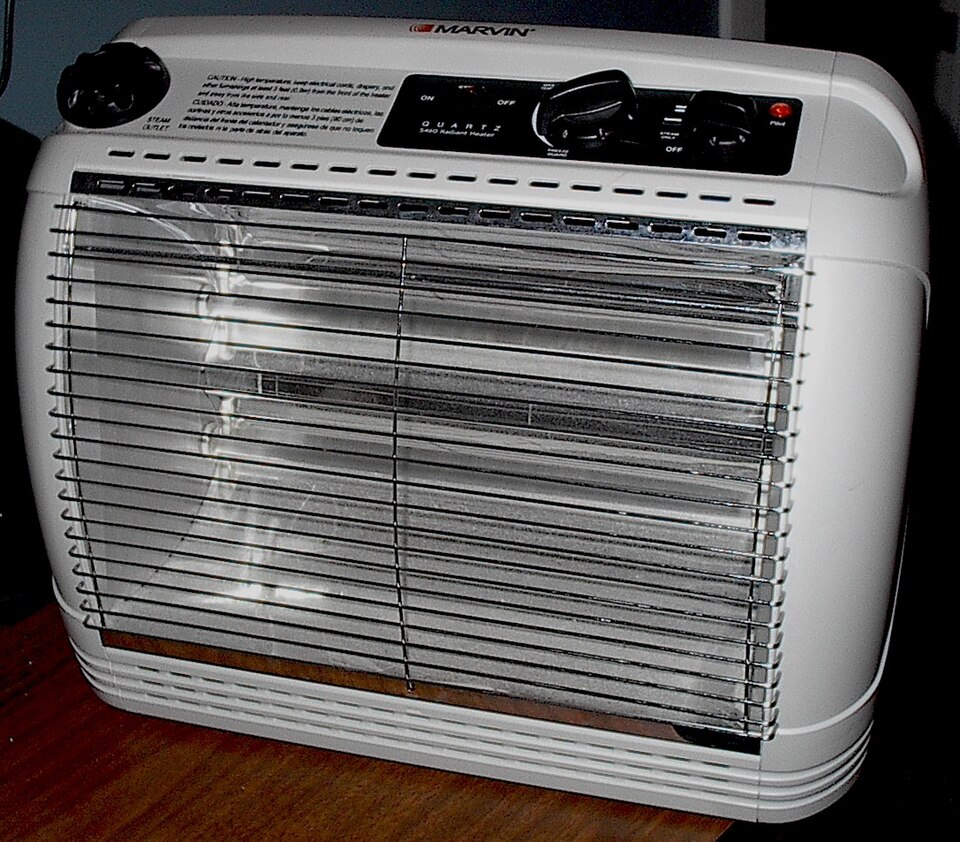
Fire officials caution against unsafe heating practices. “We’ll see them trying to heat with their stove tops or opening the stove door,” said Covington Fire Department Deputy Chief Jimmy Adams. Plug space heaters directly into wall outlets, not extension cords, and ensure carbon monoxide detectors are active and less than 10 years old.
9. The Bigger Climate Context
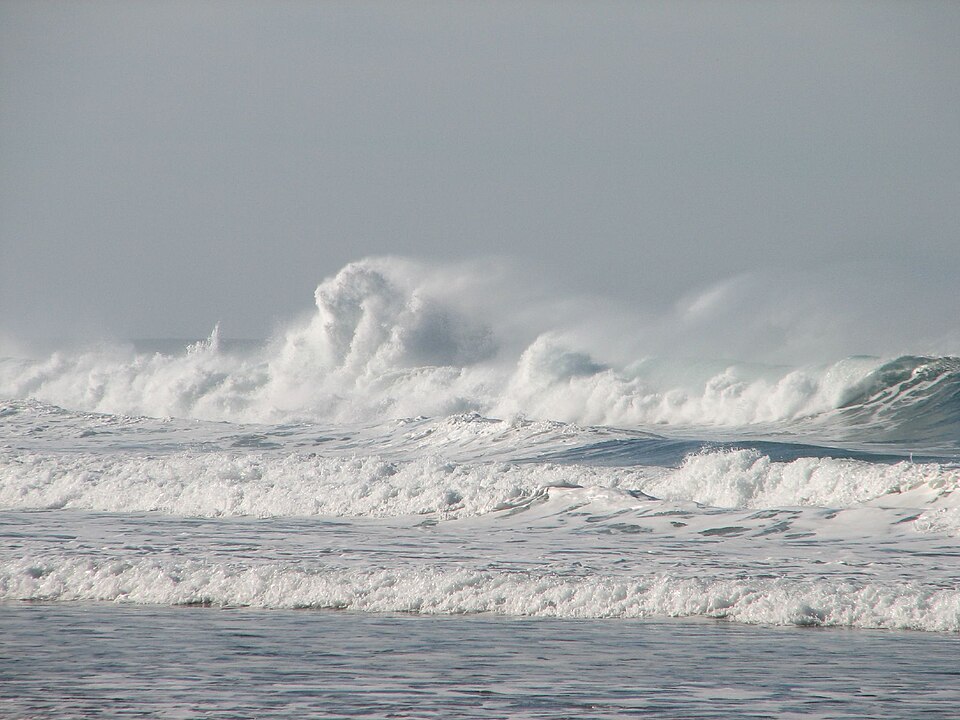
While these Arctic waves dominate the U.S. now, global patterns are shifting. The split vortex is sending milder air into Europe while keeping North America in repeated cold snaps. Forecasts suggest a brief warm-up around Christmas, dubbed “merry torchmas” by meteorologists, before colder air potentially returns in January.
As the triple polar vortex unfolds, preparation is the best defense. Stocking up on essentials, winterizing homes, and managing energy use can make the difference between enduring the season comfortably and scrambling in the cold. With each wave of Arctic air, vigilance will be key to staying safe, warm, and ready for what winter still has in store.


