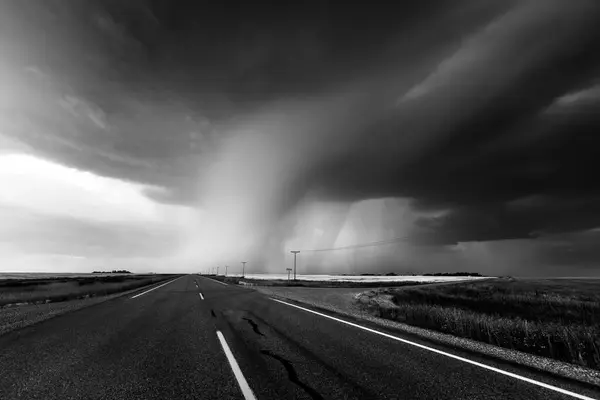
Jarring contrast greets the start: As millions in the Central United States prepare for a Christmas Day that feels more like April, Southern California readies itself for one of the most dangerous holiday storms in years. The same atmospheric rivers fueling the record-setting, balmy air across the country are due to unleash torrents of rain, fierce winds and flash floods in a region already scarred by wildfire.
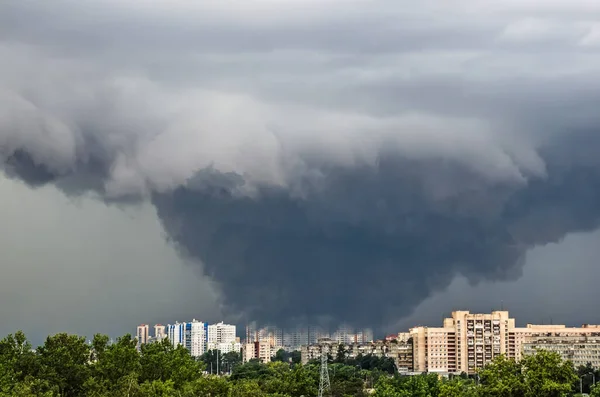
1. Rare “High Risk” Flood Outlook
The National Weather Service’s Weather Prediction Center has issued a Level 4 of 4 “High Risk” for excessive rainfall and flash flooding on Wednesday, including much of Los Angeles, Ventura, Santa Barbara and San Bernardino counties. High risks are issued on less than 4 percent of days annually but account for over 80 percent of flood-related damage and 36 percent of all flood-related fatalities. “THIS IS A VERY DANGEROUS HOLIDAY STORM,” the NWS warned in Los Angeles, urging extreme caution if traveling either Christmas Eve or Christmas Day.
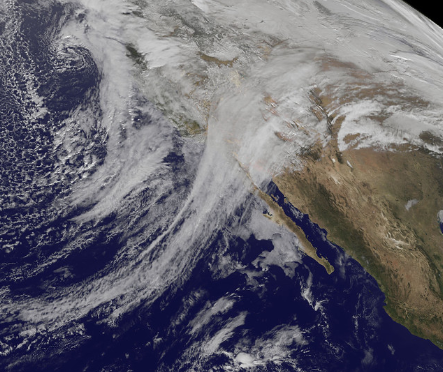
2. Atmospheric River Moisture & Rainfall Totals
This powerful system will then tap the Pineapple Express, channeling tropical Pacific moisture directly into California. Rainfall rates at times will be over 1 inch per hour, with totals running from 4 to 8 inches in the coastal and valley areas to 8 to 12 inches in the foothills and mountains. Isolated local areas may see upwards of 9 inches or more-equivalent to as much as half a year’s worth of rain in under a week.

3. Burn Scar Vulnerability and Evacuations
Recent wildfire burn scars include the Eaton and Palisades fires in January. The same land at risk for debris flows and mudslides – the burned soil can be as water-repellent as pavement, meaning even a half inch of rain in less than an hour could trigger flash flooding. Evacuation orders have been issued to 383 properties in Los Angeles County, sheriff’s deputies are going door-to-door. Evacuation warnings extend to Ventura, Santa Barbara and Orange counties.
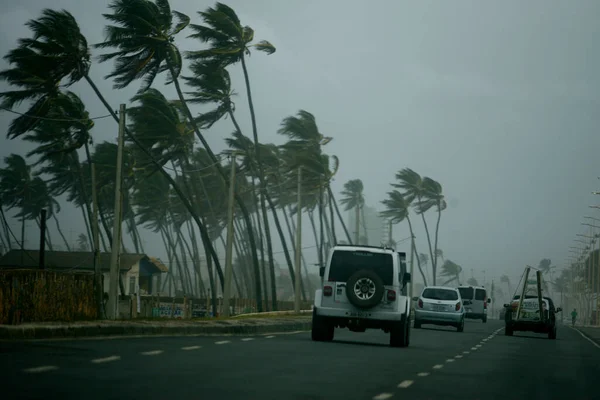
4. Wind Hazards Compound the Risk
Strong winds accompany the storm; valley gusts over 40 mph, mountain gusts to 80 mph. Those high wind warnings have been issued to include Sacramento, Redding and Santa Clarita, which means likelihood of downed trees and power outages, along with hazardous travel conditions.
5. Sierra Nevada Snowfall
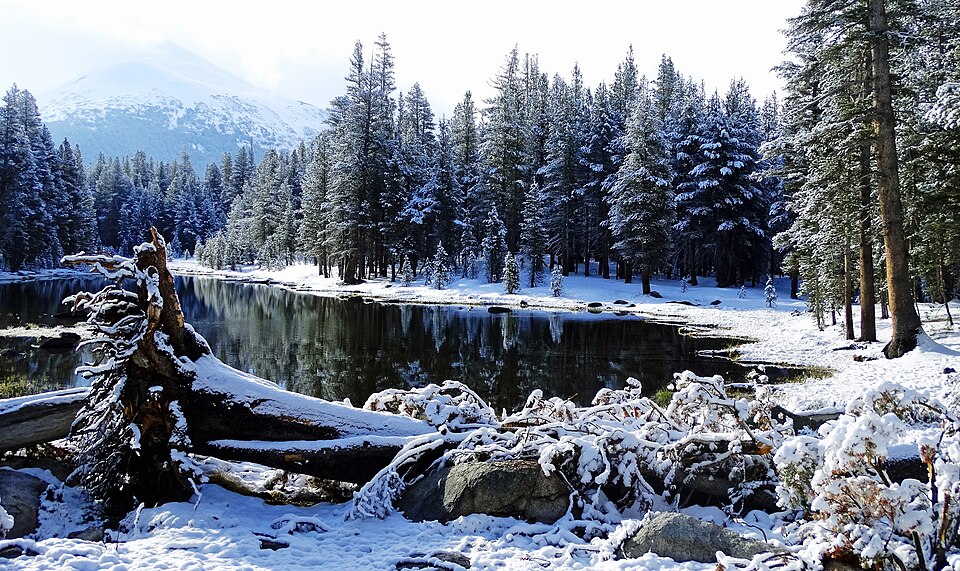
Farther north, colder air lowers snow levels down to about 4,500 feet in the Sierra Nevada, yielding 4-8 feet of accumulation above 5,500 feet. The Donner Pass may get 1 to 2 feet with the higher ridges approaching 10 feet. Periodic travel in these areas will become impossible due to whiteout conditions.
6. Record-Breaking Warmth in the Central U.S.
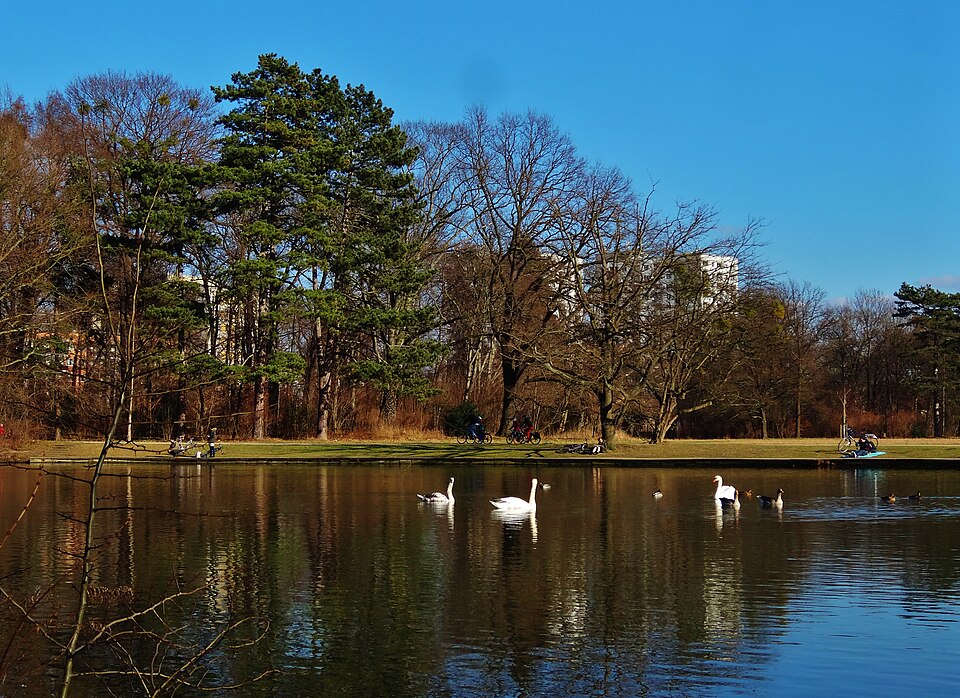
While California is battling flooding and snow in several regions, record warmth may bring the Central U.S. the warmest Christmas on record. Over 100 individual high temperature records are forecast to be neared, tied or broken across 23 states. Wichita’s forecast high of 76°F will shatter its previous record of 68°F. Oklahoma City’s expected low of 61°F will break its warmest Christmas morning record by 10 degrees.
7. Climate Patterns Behind the Extremes
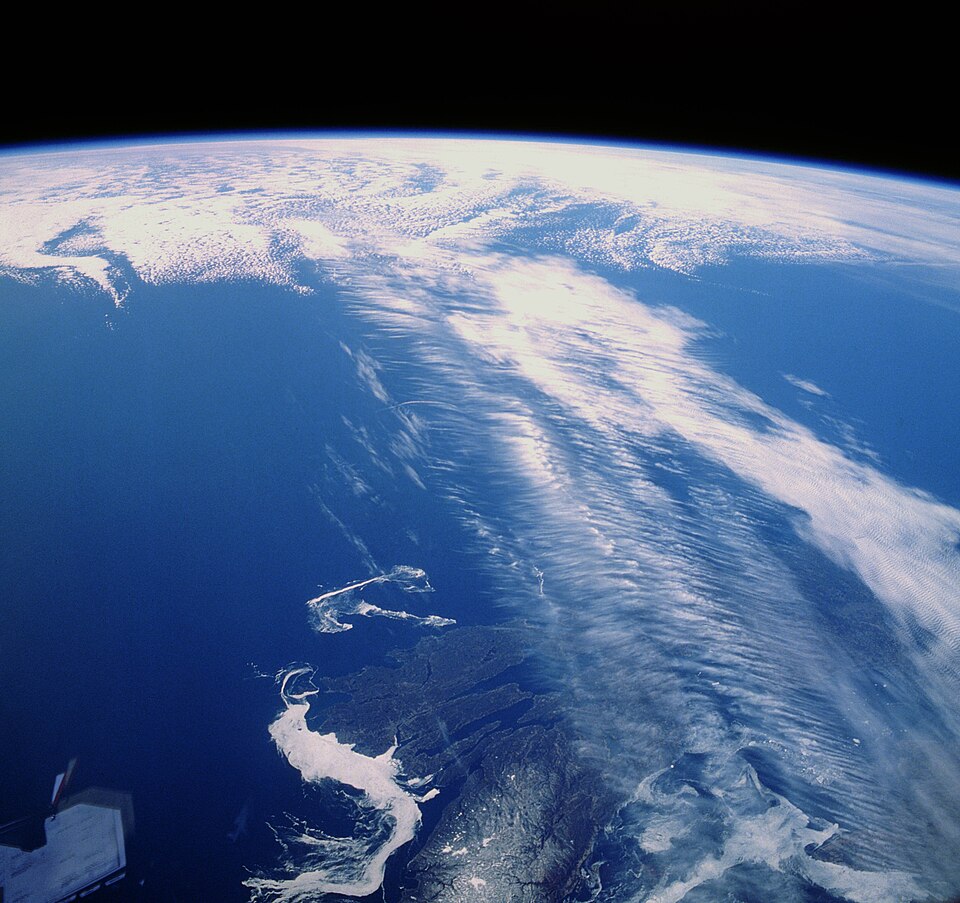
These extremes are connected by a volatile pattern of weather: a deep dip in the jet stream off the West Coast and a strong ridge of high pressure over the Gulf of Mexico. A setup like this funnels unusually warm, humid air from the tropical Pacific into the U.S. while at the same time shunting atmospheric rivers into California. The pattern is consistent with climate change trends that are causing records of heat to become more extreme and also events of intense precipitation.

8. Staying Safe and Resilient
Authorities emphasize preparation: secure property, avoid traveling in peak rainfall, and heed evacuation orders. For those for whom the severity of the forecast feels overwhelming, positive psychology strategies such as mindfulness, cognitive reframing, and social engagement have the potential to shift anxiety toward proactive behavior.

It is the self-efficacy and resilience underpinning mental well-being that may eventually undergird collective readiness for future climate-driven events. The week ahead will test infrastructure and personal preparedness alike, with California bracing for its highest-impact storm of the season and the Central U.S. enduring unprecedented holiday warmth. Both extremes share a common thread: an increasing volatility in weather patterns-and an expanding emotional and practical need for how communities adapt to those changes.