
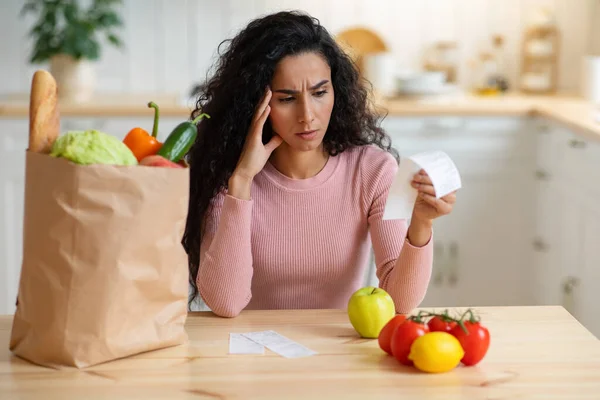
For any individual who has found themselves in an aisle of a grocery store looking over ground beef that is $6 a pound or eggs that have broken the $5 barrier a dozen, it is not difficult to find oneself wondering: What is going on with prices increasing while imported options are cheaper and farming income is decreasing? It has absolutely everything to do with what has been transpiring in America’s food industry over the last several decades namely, the shift that has given large corporations the control to leverage themselves during difficult times while locking out local farmers.
1. Consolidation and a Lack of Competition
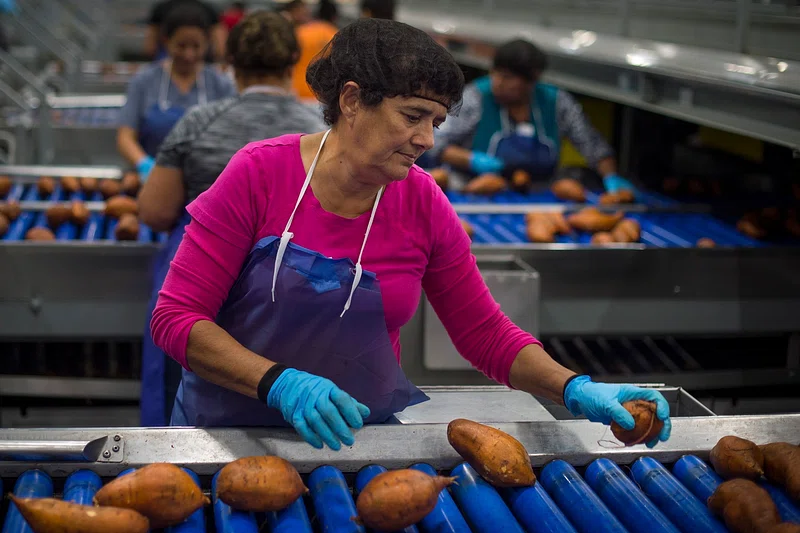
“During the past five decades, consolidation has impacted agriculture from seed to table.” In beef, only “four firms, Tyson Foods, JBS, Cargill, and National Beef, control more than 80 percent of the market, establishing prices it will pay to farmers and charging a higher price for beef even as the national beef herd has shrunk to only 86.7 million, the smallest number since 1951.” Oligopoly of this nature can be discovered in “chicken, grains, and dairy.” “In the seeds sector, Bayer, ChemChina, BASF, and Corteva hold 60 percent of the sector’s power, and the rate of price growth has been greater than that of crop yields.”
2. Price Gouging Masked by Inflation
The top executives of companies have been candid about their profits in the inflationary environment. The CEO of Kroger was quoted saying in one of the investors’ meetings that “a little bit of inflation is always good for our business.” An average profit rise of 51% has been witnessed in the top U.S. food companies in the current pandemic era not because of the rise in costs but because of the rise in price that was greater than the rise in the cost incurred by the company. It even includes the concept of “Shrinkflation,” besides the “Skimpflation.”
3. Imports That Compete with Locals
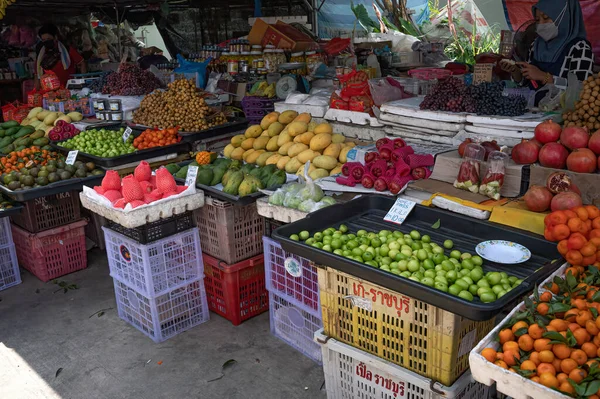
Prices of nonfuel imports have risen only by 0.8% during the year, while food import prices are actually down by 1%. It is to note that the retail food price is increasing at an inflation rate of inflation itself, indicating that the implication of this fact is that imports are not contributing to lowering food prices but are even contributing to underpricing local farmers who are already being adversely affected because of the pinch of economic downturn.
4. Share of Food Dollar to Farmers Dwindling
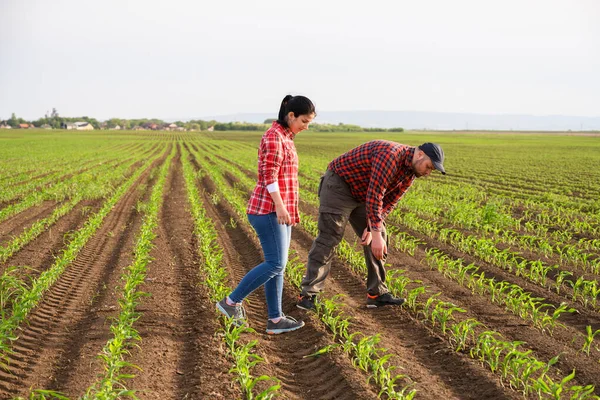
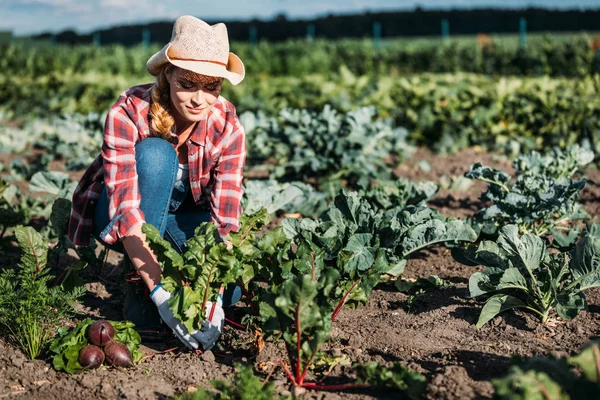
Current farming communities receive only 16 cents out of every dollar contributed to the purchase of American food; in fact, it’s one of the lowest rates in U.S. history to date. Over 312,000 family farms have been lost since 1997; many have merged with what was considered “Big Ag” or private investment firms. Young farming families cannot afford to purchase land; mid-sized cow farm operations are quickly becoming a rare sight since even more processors and supermarkets are getting a piece of the action in terms of profit sharing.
5. Historical Lessons from Antitrust Action
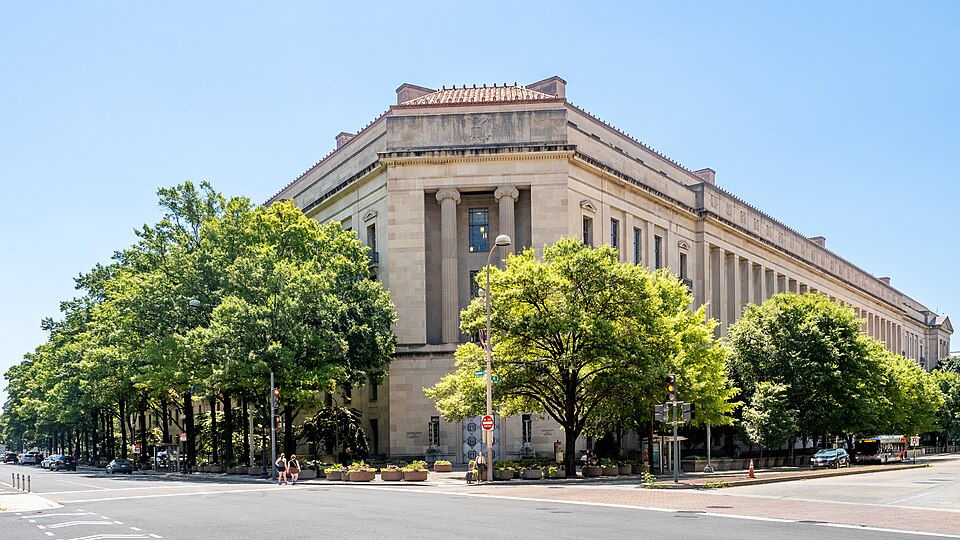
History has shown that antitrust enforcement can lead to decreased prices relatively efficiently. During the FDR period, threats of investigation by the DOJ led, in some industries, to reductions in industry prices of up to 33%. More contemporary examples would be the reduction in prices seen when DOJ investigations led those egg manufacturers like Cal-Maine who doubled their profit during the Avian Flu epidemic while showing no losses from the Avian Flu epidemic, to lower their wholesale prices by 62.7% in two weeks.
6. Role of Federal Policy and Subsidies
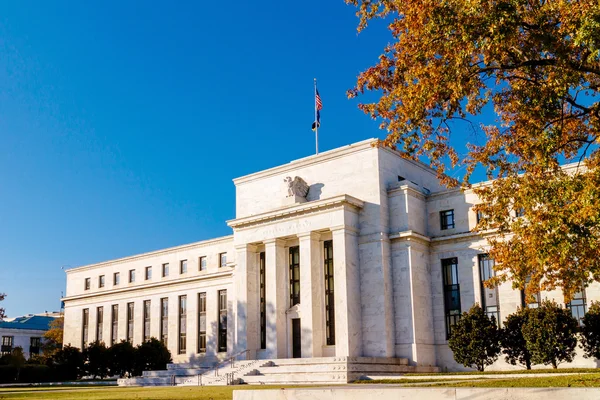
Agricultural subsidies are pegged on a few agricultural producers because the figure close to 90% goes to the top 20% of the agricultural producers between 1995 and 2014. A bail out package with a cost of $12 billion in subsidies also has a subsidy of $11 billion that will be granted to the large-scale farming production sector for crops that will be processed into food.
7 Strategies in Consumer Action
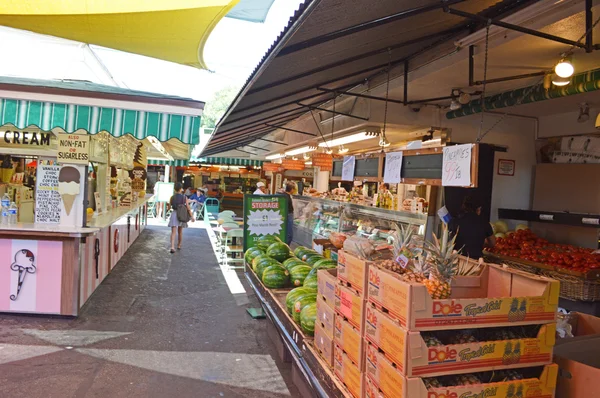
Consumers can go against the trend by buying from local farmers. This is achieved through direct sales, farmers’ markets, and community-supported agriculture programs. Governments can promote independent grocery stores and the “Right to Repair” act for agricultural equipment. Additionally, governments should restrict the use of concentrated animal feeding operations. Institutions can buy from local producers. Activist organizations can urge governments to support antitrust laws and reject any mergers that violate antitrust laws pertaining to competition.
8. The Movement Toward Systemic Change
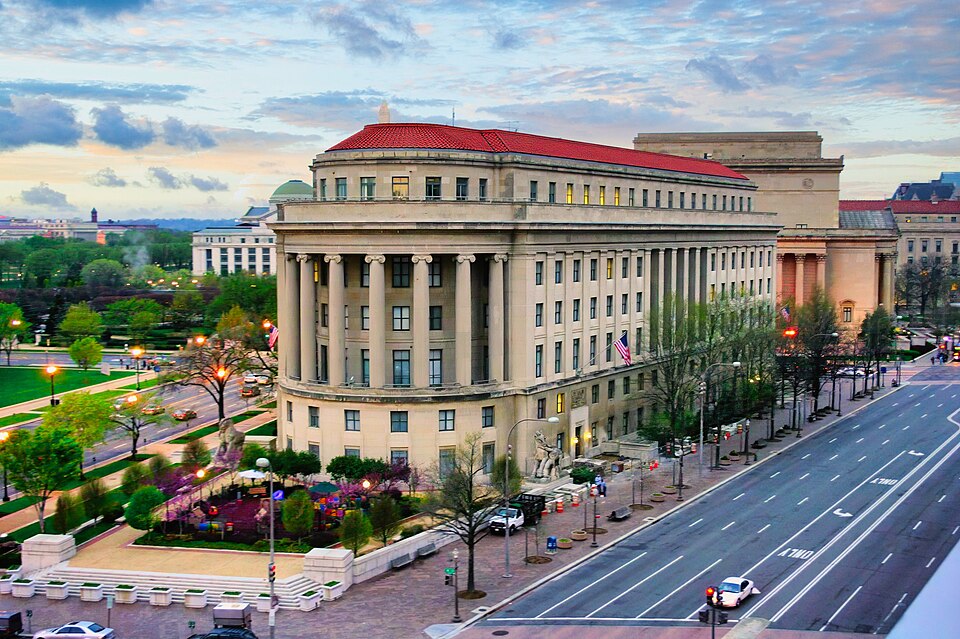
The More current executive orders have asked the DOJ and the FTC to explore anticompetitive behavior throughout the entire food chain with an emphasis on companies that are foreign-owned. A true movement toward systemic change will be made possible when policies regarding supply management and subsides for certain agribusiness giants become efficient enough to facilitate competitive markets in which producers are valued as much as they are protected and preserved.
The current oligarch’s grip on America’s food economy does not have to be the reality in which we remain. While history and reality may recall instances in which stronger competition policies would have had positive effects on America’s current agricultural predicament, it is clear in which direction history and reality are pointing us: If there are players who will be controlling an industry which is essential to the continued survival and development of the entire nation, they will become prone to taking advantage of every disaster from every pandemic to every natural disaster and increase rates exponentially.


