
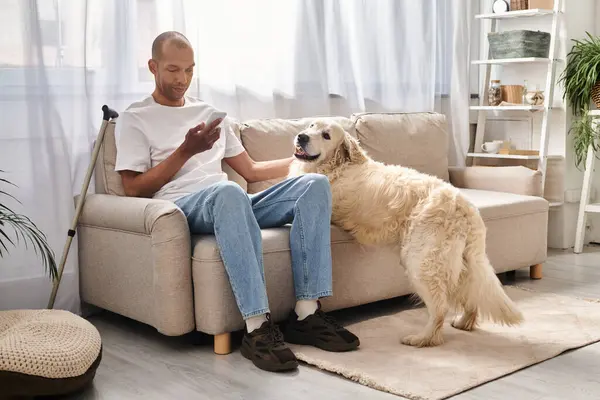
“Smallest things make biggest difference.” This is even more apt in relation between dogs and their masters. Although masters think of doing big things for their dogs like purchasing new playthings, having special outings, or training them in an impressive way, trust is generated through subtle activities. They convey a great message to dogs that you are safe, you are important, and you understand me. Recent studies on dogs prove that dogs are not only very adept at recognizing human emotions but are also capable of remembering these emotions. Emotional patterns of talk, boundaries, or behavior that are a regular part of a person’s daily life become a part of a dog’s emotional memory.
For people wanting to strengthen their emotional bonds with their dogs, these are more than just nice things to do these are an investment for a lifetime. Below are nine small but powerful dog habits that they will remember, each of which is supported by expert opinion and application to help build trust and bonding every day.

1. Let Them Lead with Their Nose
Dogs live in a scent-driven world, with 200 million scent cells, and a brain capable of translating scent stimuli in a level of incredible detail. Depriving them of scent exploration during walks is like covering the eyes during a visit to the art museum. Giving them the opportunity to take “sniff walks,” even if they take a meandering route, is highly engaging for their minds, stress-reducing, and optimism-inducing. There is evidence that scent-stimulated activities can be as fatiguing as physical exercise, making them beneficial for hyper or senior dogs. For such walks, it should be left to set the pace and direction once it is safe to do so. Be it on some new terrain or on familiar turf via a particular city block, such experiences fulfill such basic needs.
2. Give It Your Undivided Attention
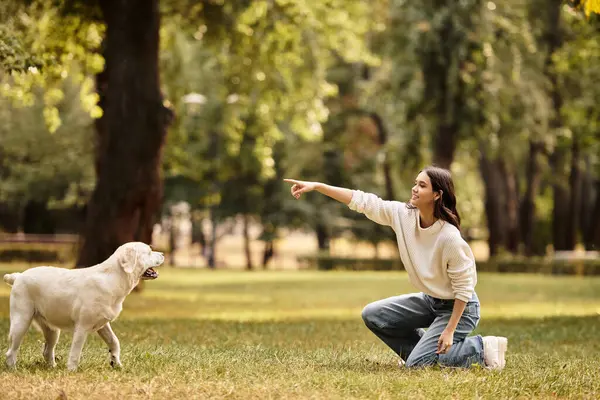
Dogs are highly aware of human attention. Halfway attention during a game while viewing a mobile phone implies a lack of interest in the dog, while attention with eye contact, playing with him, and touching him can imply importance. Even short moments of continuous attention can make him feel valued in the family. Such events become a kind of psychological anchor. Professionals underline the fact that it is very important to constantly and actively interact with the dog in order to make it confident in different surroundings.
3. Use a Soft, Consistent Tone
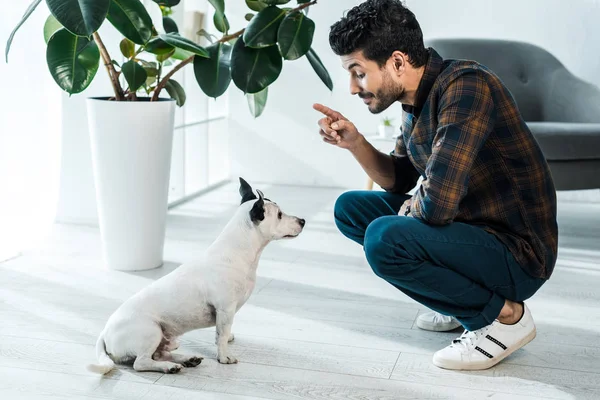
Ton of voice is of more significance to a dog than the words used. So, a calm tone of voice will reassure him when in a strange or stressful situation, whereas any change of voice, no matter how pleasant, may make him anxious. Researchers have found evidence of how a dog perceives emotions and the manner in which he alters his conduct accordingly. Using a steady voice helps to assure the dog, which makes it easier to trust commands while feeling safe in the company of the owner.

4. Respect Their Personal Space
Each dog maintains a dynamic zone of comfort, depending on his or her mood as well as surroundings. “Turning away, lip-licking, yawning, or a combination of these” are signs of a dog needing his or her space.
(p. 59) Behavior specialists highlight that dogs should be allowed to initiate interaction to ensure psychological safety. Over time, it builds trust and prevents dogs from acting defending, or digging.

5. Hand-Feeding for Trust and Attention Building
Hand-feeding is also more than just a training method – it’s a trust-building exercise. It can help with impulse control, slow down people who tend to eat too quickly, and help timid or fearful dogs in gaining positive associations with human hands. For resource guarding dogs, hand-feeding will help them realize that the owner is the access point to valuable resources. Do it gradually and let the dog draw near at its own pace. As it repeats this process several times, it develops an understanding that being near the hand equates to safety and rewards.
6. Create Predictability with a Routine
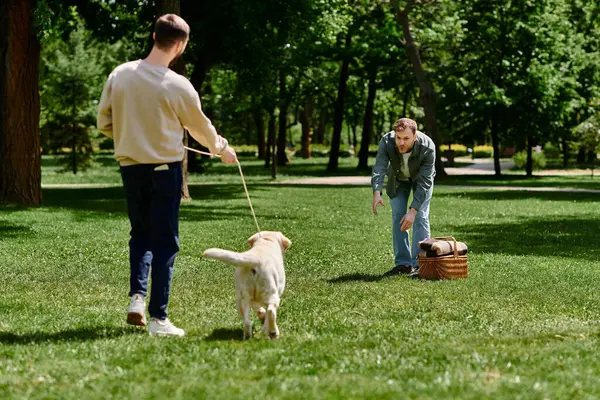
Dogs appreciate predictability. Having predictable routines for feeding, exercise, and play will decrease stress and improve behavior. This is the reason why dogs that learn based on predictability will perform 70% more effectively when following a cue. This is because predictability improves digestive functionality and emotional stability. Although this is happening at times of flux and hectic activity, this consistency in their patterns is essential in reassuring the dog that their world is in order.
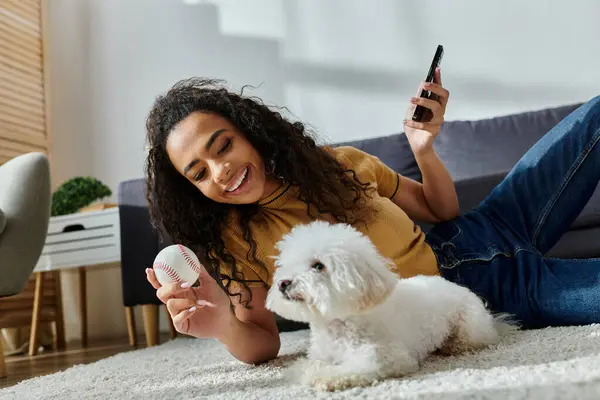
7. Answer Calls When They Check-In
Quick peeks, touches, or sitting near him is how dogs reassure each other. Recognizing these moments of connection by smiling or lightly scratching him lets him know he belongs. If these events are constantly ignored, a sense of uncertainty could be created. Consistent responses from the owners will reinforce a sense of emotional security in the dog and will also establish owners as a trusted companion.
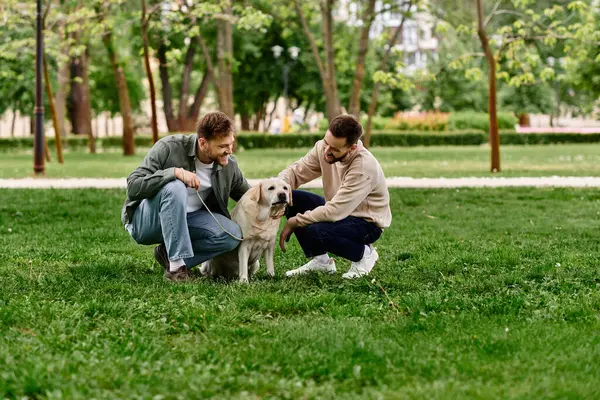
8. Share Quiet Time Together
Bonding needn’t be accompanied by activity. Merely hanging out in the same area reflects the harmonious socializing of dog packs. Dog owners should find such quiet moments extremely comforting for stressed-out and older pooches. This communal stillness lets the dog understand that he or she is accepted unconditionally, and it strengthens the bond between them without having to interact with each other all the time.

9. Read & Respect Signals
Dogs are known to interpret human expressions of emotion effectively and even change their behavior in accordance with them. In fact, research reveals that they can do so functionally, from avoiding items related to negative expressions to seeking items related to positive expressions. Those owners who are also aware of their own displays of emotion, as well as reacting accordingly to the dog’s displayed emotion, generate a trust feedback loop.
By this, the dog is able to handle social situations with greater ease, and the relationship is strengthened. “What dogs remember most,” Janeen Zweibaum writes, “are not usually dramatic things but little things that say safety and respect and love.” To incorporate such subtle behaviors and build an enduring and strong relationship with their dogs, pet owners should focus on making their dogs’ lives more joyous. The memories that dogs hold are formed during such still moments.


