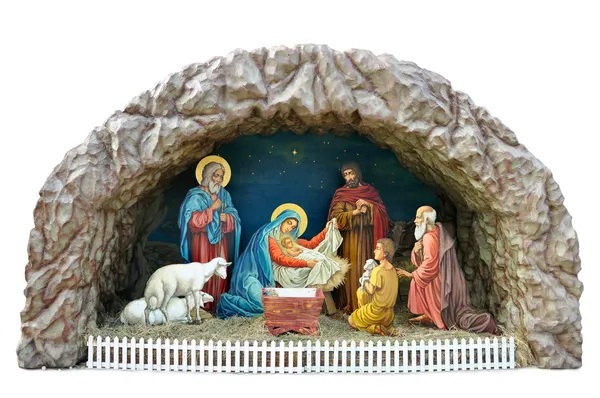
“What if the nativity scene that you have always envisioned in your mind isn’t exactly what happened?” This depiction of shepherds, angels, and wise men gathered around the newborn child and the manger has been a cherished memory for many. But the scripture that paints this beautiful picture also holds a historical record that challenges our comfortable visions of Christmas.
Jesus Christ’s birth is not only a nostalgic scene of Christmas for believers, but this is also where prophecy, politics, and God’s plan all meet. Every aspect of this story, from the time of the visit of the Magi to the actual meaning of the place where Jesus was born, which is Bethlehem, contains aspects that go beyond what have generally been acknowledged. There have been aspects that have been simplified and aspects that have taken on colors along the way.
Here are nine interesting facts about nativities, which will show the history and importance of the nativity set in order to gain a better understanding of the greatest story of all time.
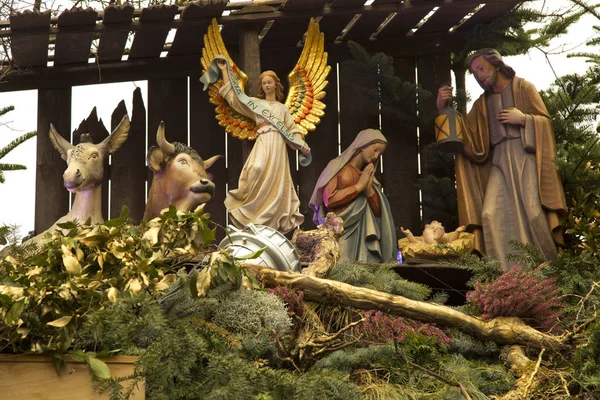
1. The Magi: Certainly, Came Much Later than the Date of Birth
Contrary to most portrayals of nativity scenes where they would appear alongside, in this case, the Magi did not appear with the shepherds on the night of Jesus’ birth. This visitation, according to Matthew’s gospel account, took place in a “house” as opposed to a manger in a cave that served as a “stable.” This edict by King Herod to slay all males two years of age and younger would indicate that Jesus would be two years of age at this point in time.
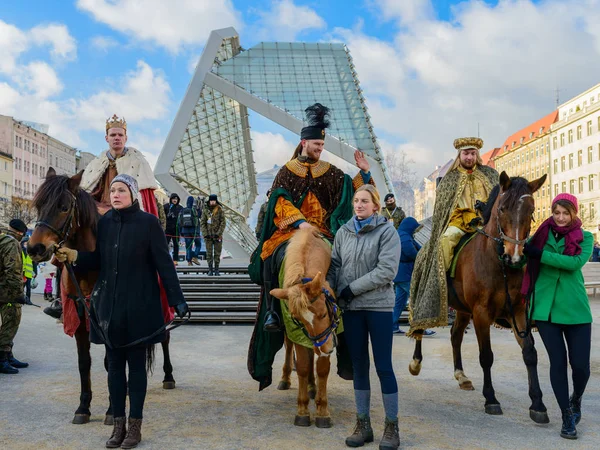
2. The Amount of Magi Unknown
“Three Wise Men” tradition originates in the gift of gold, frankincense, and myrrh-but never in Scripture are there three of these gift-bearers. Perhaps a few more beyond three, perhaps many, of an entourage that caused a sensation in Jerusalem. Perhaps a more complicated dynamic existed for whom to invite to the Christmas party.

3. The gifts may have been a diplomatic tribute
Although the gold, frankincense, and myrrh are of great theological significance for what they represent in terms of prophecy and kingship, priestly function, and sacrificial death, there is evidence for a Nabatean kingdom where such items could very well represent their special commodities. These may very well have been exported by King Aretas IV, who ruled vital trade routs, upon hearing of the “new” King of the Jews in Jerusalem, such that their visit was of a religious and political import.

4. Frankincense was used for its medicinal properties
On the other hand, the same frankincense, apart from the religious use, also contains ingredients which can reduce the inflammation and the pain associated with arthritis according to recent research by Cardiff University. This is an interesting angle in the context of the possible use of the same gift to the Holy Family by the Magi. The same substances would be highly valued in the Near East for religious and medicinal use.

5. The name “Bethlehem” has levels of prophecy
It was named Bethlehem Ephrathah in the prophecy of Micah and means ‘house of bread,’ but it also means ‘house of battle.’ It refers to Jesus’ name ‘The Bread of Life’ and ‘The Leader of Spiritual Warfare.’ It was not only David’s city but its humble roots would give birth to the ruler who would guide Israel and function as its shepherd. It would happen after many years.
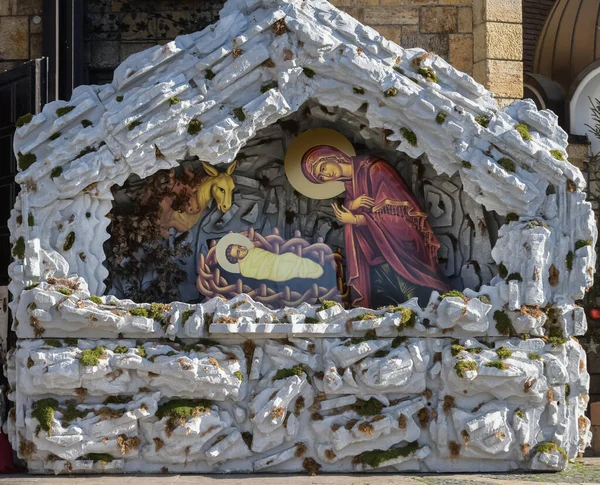
6. Prophecy Pinpointed the Birthplace
This prophecy in Micah 5:2 occurred about 700 B.C., predicting the upcoming birth of Messiah in Bethlehem. These authorities from the chief priests and scribes were directly quoting this prophecy to King Herod. This account in Matthew shows how specific God’s plans were and how those who were against Jesus were proclaiming to Jesus his fulfilment in Scripture.

7. December 25 Wasn’t Always the Date
The There was no birthday mentioned within the Bible, and Jesus’ birthday was not observed by early Christians for several centuries. In fact, it was only within the fourth century where December 25 became established as the birthday of Jesus Christ, although January 6 continued to be observed within the West. Although Jesus’ birthday on December 25 was originally meant to be shifted from paganism, it is much more likely within the context of pre-modern Christianity to have linked Jesus’ birthday date to either Jesus’ date of conception or date of death.
8. Date Could be Connected with Crucifixion
Towards the end of the second century A.D., Christians figured out that the date of Passover and the crucifixion of Jesus in Rome was March 25. Eight months later would be December 25. This marked the birthday of Jesus. When they decided on April 6 as the date of Jesus’ crucifixion, January 6 became his birthday. Both of these days show that Christians knew that creation and redemption occur contemporaneously.
9. The Magi’s Origin Remains a Mystery
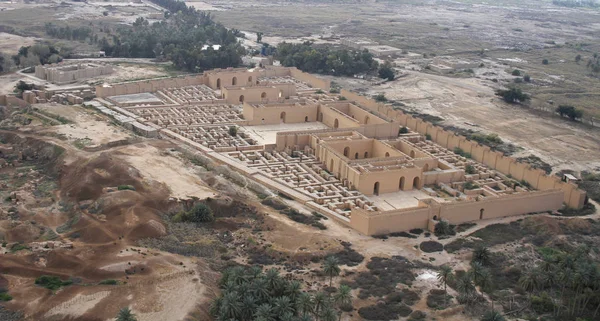
The “Magi” are the name of learned men from the East, perhaps from Babylon, Persia, and Arabia. Their tracing has led to linking them with Nabatean wise men. Another tracing relates them to the astrologers. God’s power to perform things illegal in scripture would be employed by them. However, God uses their illegal power in this instance to summon them to Christ. The wisemen represent the attractiveness of the Messiah’s birthday to this man who is of another land outside of Israel and who has envisioned people swarming to pay homage.
The Nativity scene remains much more than something we celebrate once a year and take part in; it is in truth a complex tapestry of prophecies and history and God’s manipulation of events to offer redemption. Among believers, because they had observed closely all aspects, it was possible to discern the plan of action formulated by God to achieve what he wanted with regard to kings and with regard to shepherds in this circumstance of redemption that was to take place.