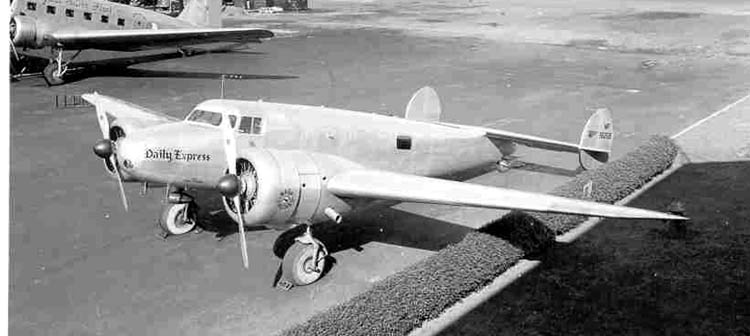
For close to ninety years, the whereabouts of Amelia Earhart’s Lockheed Electra 10E have remained one of the greatest puzzles in the world. Now, a shining anomaly on the bed of a distant South Pacific lagoon could solve the mystery and potentially unlock a promise Earhart made before embarking on her last adventure.
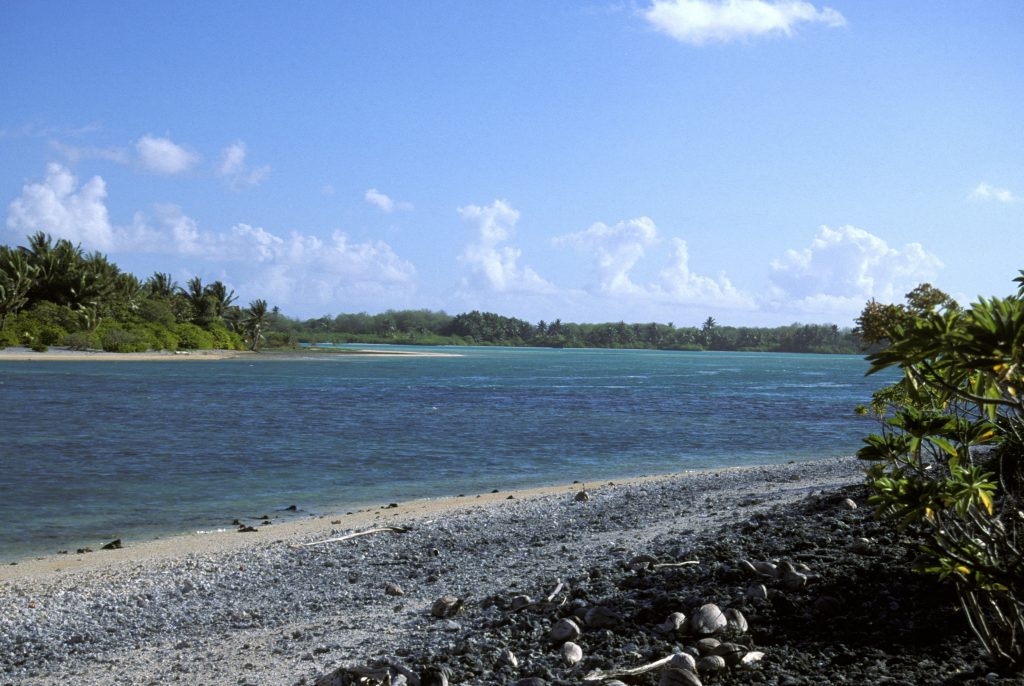
1. The Taraia Object Comes Out of History
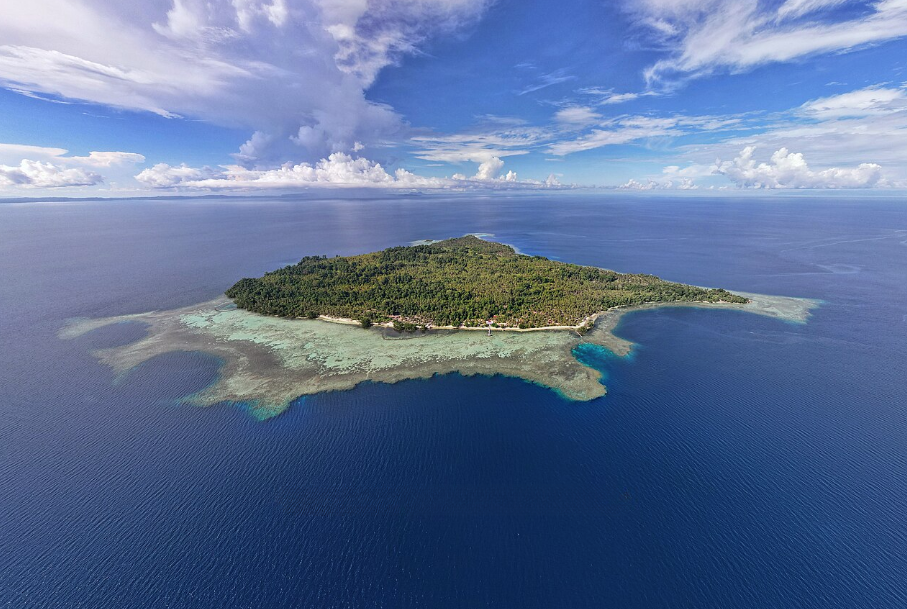
During 2020, U.S. Navy veteran Mike Ashmore, analyzing satellite photos of Nikumaroro Island from his backyard in California, noticed an object in the island’s lagoon that piqued his interest. “I was sitting on a swing in the morning having coffee with my dog and then I saw something catch my eye,” he remembered. “Then I looked at it a little harder, and I took a screenshot of it,” he continued. The Taraia Object, which was first observed in 1938, only a year after Earhart’s and Noonan’s disappearance, is an elongated shape and exists in photos from 1938 to 2020. Archaeologist Richard Pettigrew of the Archaeological Legacy Institute noticed enough to remark, “That’s a crime for nobody to go there and look.”

2. A Historic Expedition with Modern Tools
Chaired by Purdue University, where Earhart was a career counselor and aeronautical advisor, and Archaeological Legacy Institute, the forthcoming mission aims to examine the Taraia Object through the usage of magnetometers, sonar, and hydraulic dredging. The intention is to capture photographs of the location prior to the lifting of the object from the lagoon for identification. According to Purdue’s senior vice president, Steve Schultz, it is emotional significance that drives the mission, where he states, “A successful identification would be the first step toward fulfilling Amelia’s original plan to return the Electra to West Lafayette after her historic flight.”
3. The Bond of Earhart with Purdue and Electra
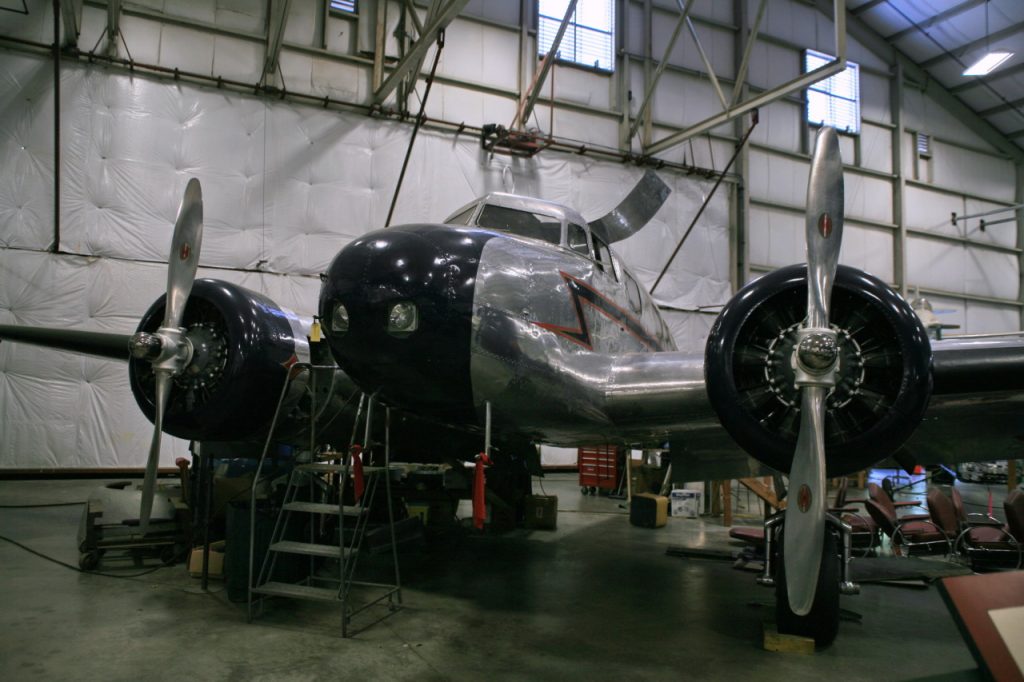
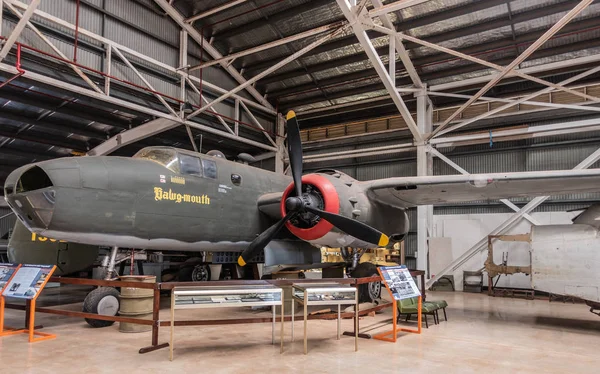
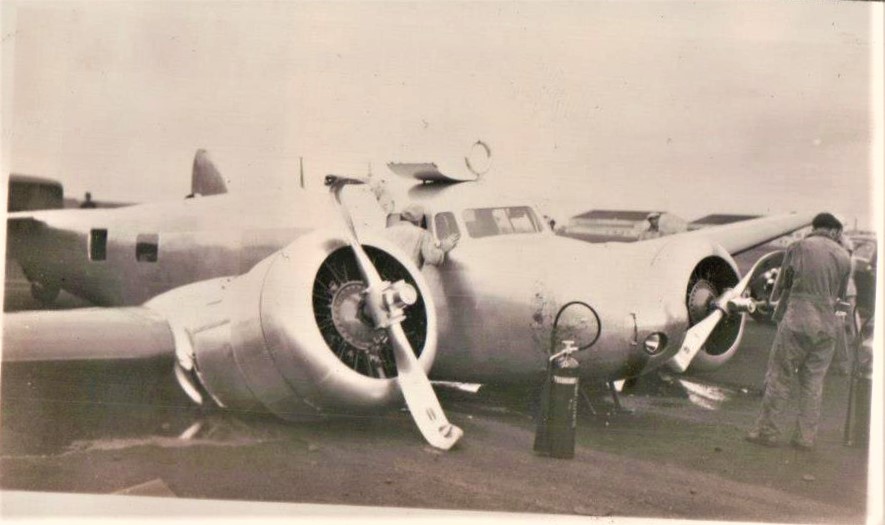
The Lockheed Electra 10E Special with serial number 1055, which Earhart bought, was purchased with 80,000 dollars provided by the Purdue Research Foundation. This plane was altered to incorporate extra fuel tanks, advanced navigation facilities, together with a Sperry autopilot system, making it ideal for long-range flight. Earhart received the plane on her 39th birthday in 1936, indicating that her plan was to fly around the world and then return the plane to Purdue after achieving this feat.
4. The Castaway Hypothesis
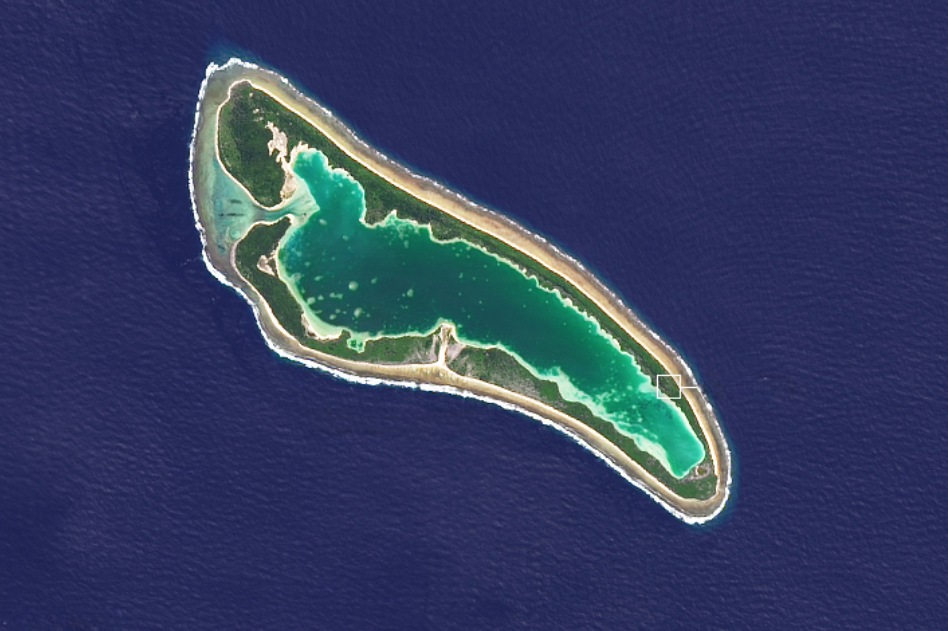
Nikumaroro lies about 400 miles southeast of Howland Island, Earhart’s planned refueling stop. Proponents of the castaway theory, including Pettigrew and Ric Gillespie of The International Group for Historic Aircraft Recovery (TIGHAR), believe Earhart landed on the island’s reef, sent distress calls, and survived for days or weeks before succumbing to thirst or hunger. Evidence cited includes a woman’s compact mirror, a sextant box, and bones found in 1940 later lost whose recorded measurements may match Earhart’s physique.
5. Skepticism and Rival Theories
Not all experts are in agreement. Gillespie has actually visited the location of the lagoon and asserts the Taraia Object is definitively a tree. It is very obvious it’s a tree. It’s a pandanus tree. Other researchers are following a variety of other theories. These include crash locations in the deep ocean in the proximity of the island of Howland. There are also other landing locations, for example, Buka Island in Papua New Guinea. The ocean exploration company Nauticos believes the location to be searched again using underwater vehicles based on analysis of the radio signals. It believes that if the object is in the ocean bed, it will be able to see it.
6. Advances in Underwater Archaeological Technology
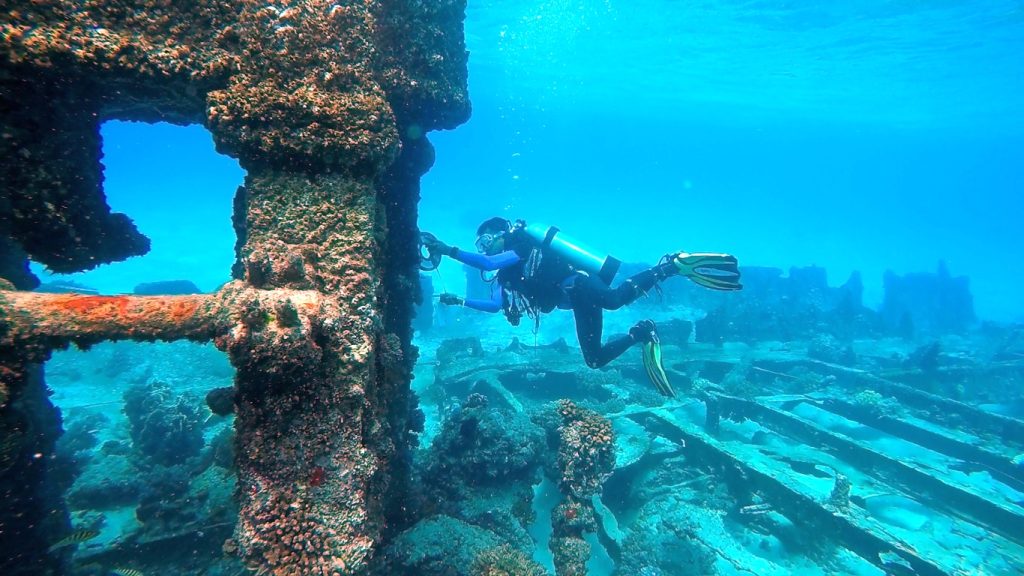
The Nikumaroro expedition will make use of technology that was previously employed only in special military missions. Magnetometers are able to search for minute changes in the Earth’s magnetic properties that may betray buried metal, and “sonar can spot hard-edged patterns of material hiding under layers of sediment.” Hydraulic dredging will enable scientists to remove carefully the sediment covering an object without damaging what may be airplane debris. Such technology is part of an “underwater archaeological revolution,” wherein “scanning accuracy and longer battery life in autonomous search vehicles” have led to a “dramatic change” in search potential.
7. Earhart’s Enduring Legacy
Former curator for the Smithsonian National Air and Space Museum, Dorothy Cochrane, speaks about the impact that Earhart had on the culture with these words: “She was earning a living through these achievements as a woman in the 1930s when there were really no avenues for women to be involved in aviation.” However, Earhart’s disappearance is something that many generations have been inspired by due to the message she embodied with the mystery that continues to surround the event.
8. The Emotional Stakes of Discovery
As Purdue alumni and part of the expedition team, for Purdue alumna Sirisha Bandla, the mission represents something very personal: “It’s not only that we are trying to solve one of the biggest aviation mysteries but that it revolves around this trailblazer who chose to blaze her own trail.” Being able to find “the Electra” represents more than just a technical accomplishment; it represents an opportunity to be reconnected with history when “courage and innovation merged in the open skies.”
9. A Cautious Optimism
Previous searches have included false alarms, sonar signals that were only rock formations, pieces of metal that could not be attributed to the Earhart plane. However, Pettigrew is certain, “I have examined this evidence back and forth. I know the answer to each piece of evidence.” Whether the Taraia Object is the Electra or another piece in the tangled series of misunderstandings, the expedition shows the strength of the curiosity of the human spirit and the need to maintain the legacy.
The waters of Nikumaroro have kept their secret for generations. Soon, however, with the watchful eyes of state-of-the-art sensors and the searching hands of determined explorers, they may confirm whether the end of Amelia Earhart’s saga has been lurking there quietly all along.