
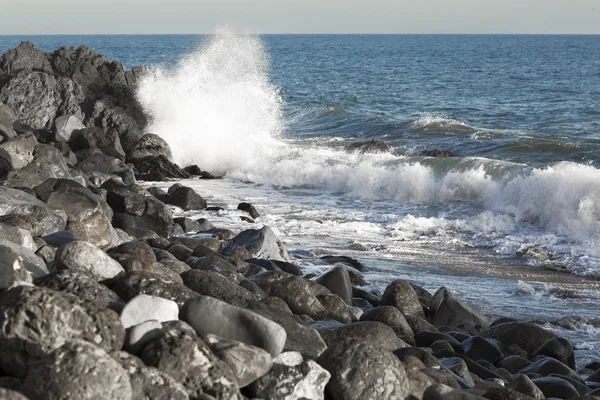
But how does one go about enjoying the holidays when the predicted outcome seems like it’s ripped right out of a disaster film? For many individuals in the state of California, however, Christmas brought far more than just twinkling lights and joyous family gatherings it brought the roar of multiple atmospheric rivers, filled with heavy rains, fierce winds, and deadly flood waters.
1. The Unrelenting Grip of Storm upon Southern California
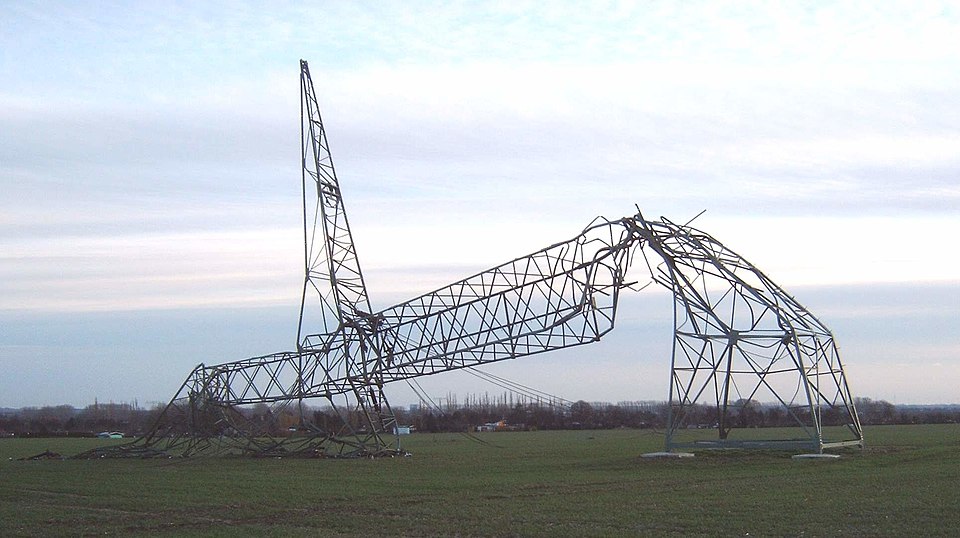
By Christmas Eve, Southern California was under what meteorologists declared was potentially its wettest Christmas in years. The NWS was calling for 4-8 inches of rain, with heavier rainfall expected in the mountains. Wind gusts of 60+ mph were knocking down trees and power lines, and evacuations due to flash flood and mudslide warnings occurred in burn scar regions that had been hit hard by wildfires in January. The NWS’s Ariel Cohen said, “Everyone should take these warnings and messages seriously, as we will see increasingly dangerous and life-threatening conditions from the cumulative effects of rain during the holiday time period.”
2. Burn Scar Areas at Extreme Risk
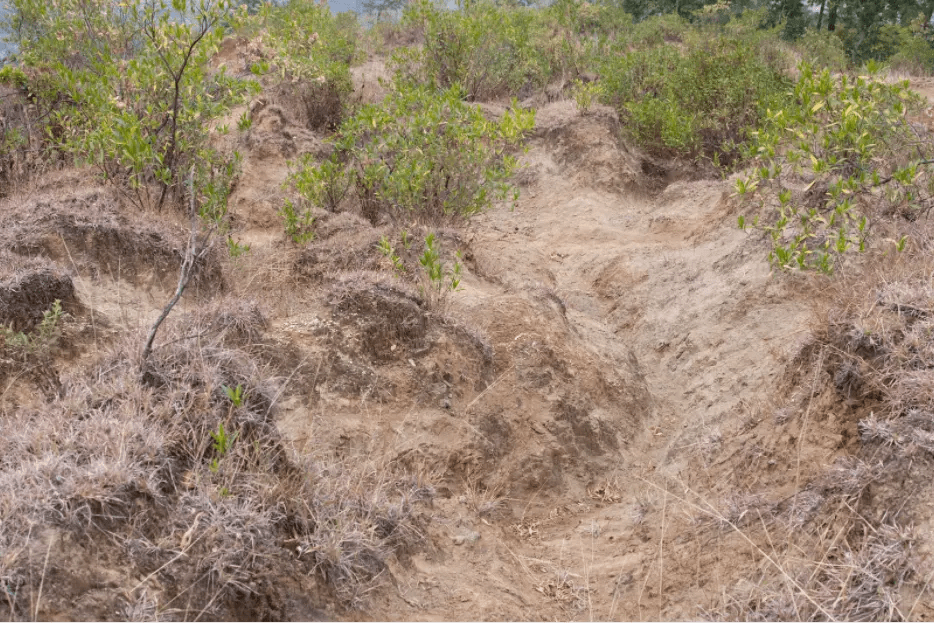
“A flood on steroids,” was how hydrologist Jason Kean described the characteristics of the debris flow, capable of carrying boulders the size of cars. Kean saw the effect of the debris flow firsthand, where the land, combined with the effects of the recent wildfires, made the situation worse. K-rails were placed by the Los Angeles County, together with the delivery of sandbags. Yet, the word was given to those in the fire-affected zones, in particular, the Eaton and Palisades fires, to evacuate as soon as possible. “It’s been a hell of a year,” was the response of Kathryn Barger, the county supervisor.
3. Wrightwood’s Isolation and Neighborly Aid
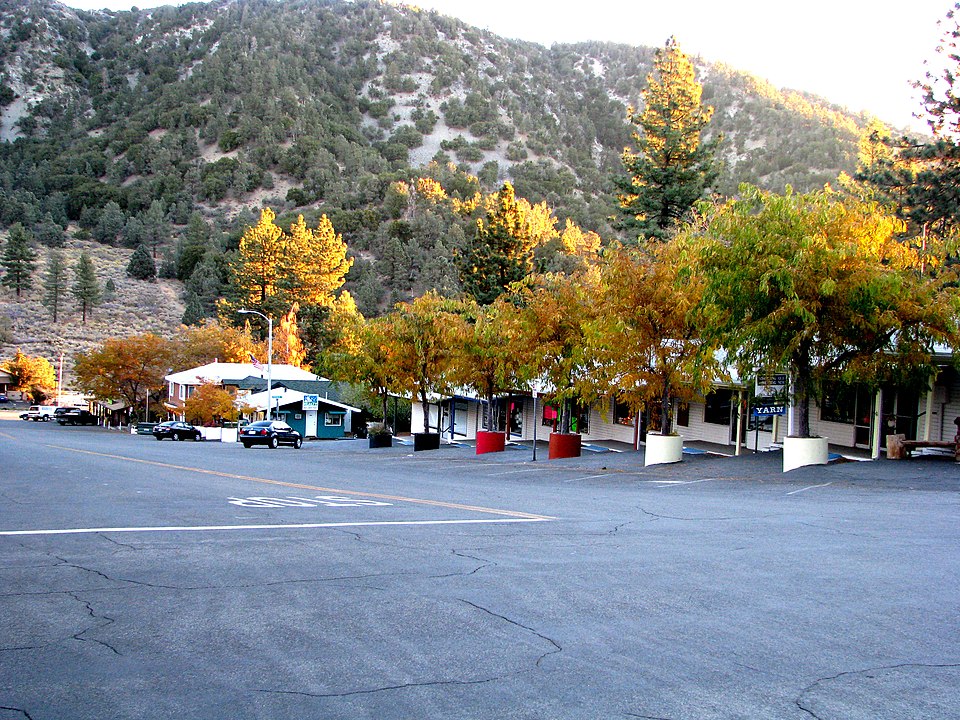
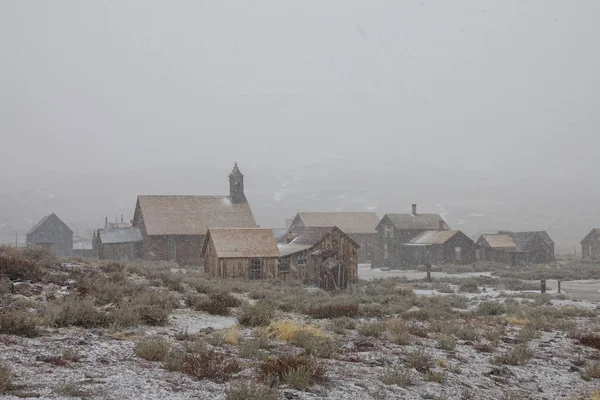
In Wrightwood, Highway 2 was damaged “to the extent of being washed out.” “There are multiple debris flows reported with heavy flood activity,” reported Christopher Prater of San Bernardino County Fire. “Crews have asked for additional engines to respond to turnouts, as well as further support. They have asked for a bulldozer to stage from. They have asked for Swift Water Rescue to respond to their areas.” For people like Dillan Brown, help came pouring in from the surrounding communities, sparked by a message on a social site from a nearby resident. Janice Quick is President of Chamber of Commerce regarding regions left barren from the 2024 fire. “The rain came, and a lot of debris, lots of mud came down.”
4. Northern California’s Flood Watches and Fatalities
The effect of this storm was also discussed in the northern area, with flood watches and High Wind Warnings in the Sacramento Valley and Bay Area. There was heavy snowfall in the Sierra Nevadas, with “near white-out conditions” that made it hard to navigate through passes. There were, unfortunately, some occurrences of deaths from the factors of the severe weather, including that of 74-year-old man who was swept away by flood waters in Shasta County, along with Sacramento County sheriff’s deputy James Caravallo.
5. Holiday Travel Disruption Across the State
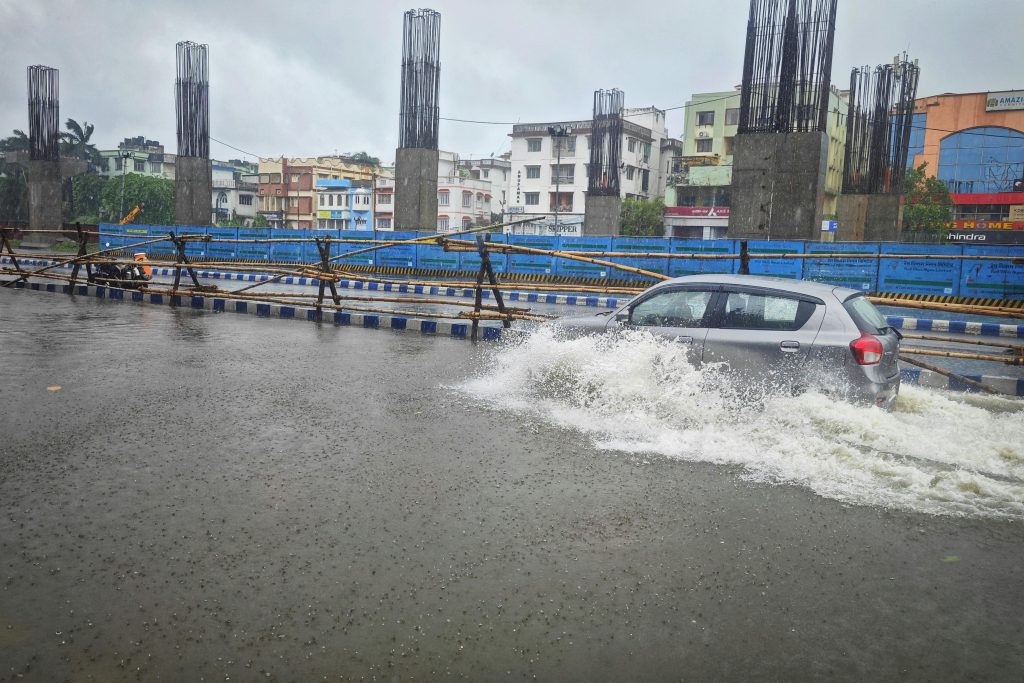
“Travel conditions are difficult at best”: This comes after a terrible start to travel for many. Several routes are affected, including Interstate 5, U.S. 2, and many locally-owned routes due to flooding in rivers, in addition to debris flow. Airports were also expected to see travel disruptions due to a worsening weather outlook. In the Sierra, chain restrictions are in effect on key routes like I-80 and Hwy 89. Caltrans said, “Slow and steady wins the race. If chains are in effect, reduce your speed. It’s a slower journey, but it’s a safer journey.”
6. Avalanche Danger and Mountain Hazards
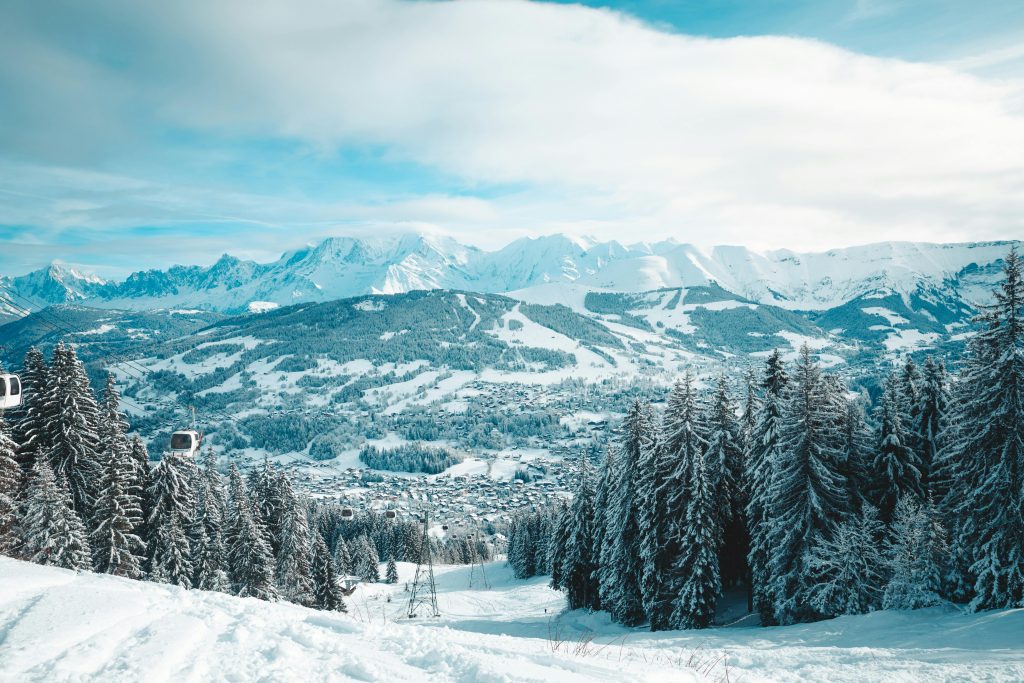
Those going to higher ground could expect lots of danger associated with the avalanche that occurred because of the storm. In this case, this is because the Sierra Avalanche Center had issued a high danger advisory based on the high likelihood of getting engulfed by the whole activity. There were to be higher snow accumulation of 12 feet in Sierra Nevadas, ridge gust to 100 mph.

7. Psychological Approaches to Storm Phobia
Natural disasters can also trigger an increased level of anxiety. This can be true when holidays are also approaching. In fact, it is necessary to take action regarding things for which one can control. This can include protecting one’s property or staying ready for emergencies. In fact, staying updated from appropriate sources can also work very well. In fact, it is also necessary to restrict news from a negative side. In fact, deep breathing exercises can also work very well. In fact, one should also consider staying in touch with friends or family. In fact, knowledge about exit routes in case of burn areas can also work very well. In fact, this can also have very well-positivereffects on one’s morale. In fact, one can also stay
7. Emergency Preparedness in Vulnerable Regions
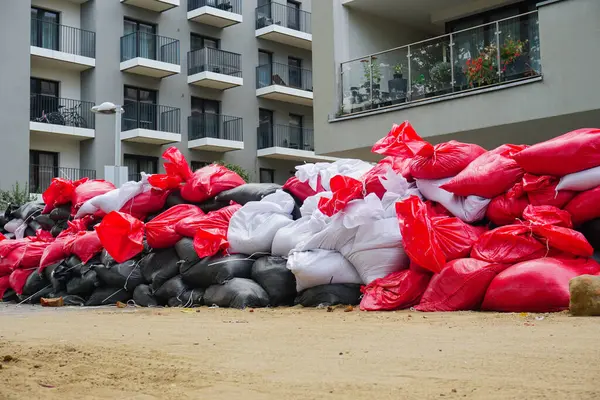
In flood or wildfire-prone areas, it is highlighted that it is very necessary for people to be prepared before it becomes more dangerous. The following actions must be taken: Monitoring local warnings and weather forecasts. Diversion of water using sandbags and water barriers. Staying at home instead of traveling through peak times of the storms. Stocking up on essentials like food, water, and prescription drugs for at least 72 hours. The Care and Reception Center has been set up at Serrando High School in Wrightwood. This underlines an important point to note.

“Even in California, which is facing this intense storm, there are tales of resilience and neighbor helping neighbor,’ she said. ‘Whether it’s delivering infant supplies in Wrightwood or nurses helping provide medical care in Lytle Creek, there’s little question that in the face of the power of mother nature, support can be every bit as important as sandbags,” she concluded.


