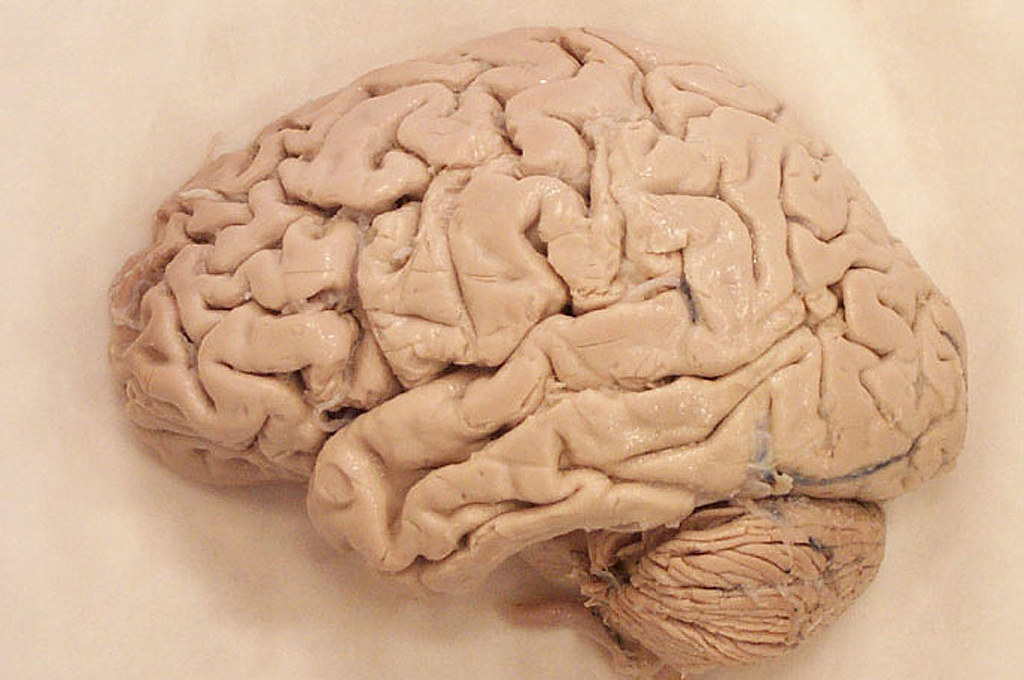
But by the time dementia symptoms become obvious, much of the damage to the brain has already been done. Yet new research suggests that subtle mental health changes decades earlier may hold vital clues-and even open doors to prevention. Dementia currently affects over 55 million people worldwide, a number that is projected to soar to 153 million in just 25 years. There is still no cure, but scientists are uncovering ways to identify those at risk far sooner.
A major study from University College London, tracking thousands of adults for more than two decades, has pinpointed six specific depressive symptoms in midlife that seem to be driving much of the elevated dementia risk-particularly in people under 60. In combination with other lifestyle and health factors identified by the Lancet Commission, these are reworking the expert view on brain health. Instead of viewing depression as a monolithic entity, researchers advocate taking a closer look at the individual symptoms and their long-term implications.
This listicle examines nine early-life clues-from changes in mood to modifiable lifestyle risks-that may ultimately help health-aware adults take active measures to safeguard their brain future.

1. Loss of Self-Confidence
Of all the symptoms investigated, loss of confidence in oneself was by far the strongest predictor. UCL researchers found that it was associated with an approximately 50% increased risk of dementia decades later. Network analyses identified it as a central feature overlapping with other highly predictive symptoms and suggested that it may signal deeper neurological alterations rather than mood changes alone.
Loss of confidence may translate into less social engagement and fewer cognitively stimulating experiences, both reducing the brain’s cognitive reserve, or its ability to adapt and function despite damage. Experts emphasize that recognizing and addressing that change early may prove to be critical for long-term brain health.

2. Inability to Cope With Problems
Not feeling able to face up to problems was another symptom that was associated with a heightened risk of dementia by 50%, independent of age among adults below the age of 60 years. This difficulty may reflect changes in executive function, the capacity of the brain to plan, adapt, and solve challenges.
Researchers point out that such problems of coping start a snowball rolling: smaller activity of solving a problem, avoidance of complicated tasks, and reduced mental activation. All these changes, in their turn, may undermine the neural networks that are necessary to remember and reason in the years that follow.

3. Chronic Nervousness
Nervousness and tension-a feeling of being strung up all the time-was associated with a high hazard ratio for dementia, after adjustment for age, make love, and ethnicity. Chronic nervousness could be associated with prolonged activation of stress pathways that are associated with damage to parts of the brain such as the hippocampus.
According to neuroscientists, high levels of stress hormones for years can inhibit neurogenesis-the production of new brain cells-and hasten cognitive decline. Anxiety management through therapy, mindfulness, or changes in lifestyle could thus factor into prevention.

4. Decreased Warmth Toward Others
Not feeling warmth or affection for others may signal early changes in social cognition — the brain’s ability to process and respond to social information. This symptom was strongly associated with later dementia diagnoses in the UCL study.
Social isolation is already understood to be a risk factor for dementia. As emotional connection wanes, individuals may withdraw from relationships, reducing opportunities for mental stimulation and emotional support-important components for maintaining cognitive reserve.

5. Dissatisfaction With Task Performance
The other midlife symptom is not being satisfied with the way tasks were completed, which accounted for a higher risk in dementia diagnosis. This dissatisfaction may reflect subtle declines in attention, planning, or self-monitoring abilities.
Researchers warn that these changes may be subtle, easily ascribed to personality or work related to stress. However, when persistent, they are suggestive of an early disruption in the frontal neural networks that are responsible for goal-directed behavior.

6. Difficulty Concentrating
There was a definite long-term predictor when one had difficulties in concentration. Concentration problems can limit engagement in complex mental activities, reducing cognitive stimulation and resilience.
Dr Richard A. Bermudes, speaking to Medical News Today, observed that these symptoms “are signals that the brain itself may not be functioning at its best.” He pointed out that trouble concentrating was in line with prior knowledge about changes in brain networks important for attention and working memory.

7. Midlife Depression as a Clustered Risk
Whereas depression has long been linked to dementia, the UCL findings show that the risk is driven by a specific cluster of symptoms rather than depression overall. Adults reporting five or more depressive symptoms in midlife had a 27% higher dementia risk, but in those under 60, the six symptoms above fully explained this association.
This symptom-level approach can help clinicians more accurately identify earlier the vulnerable individuals, focusing interventions on the most predictive patterns rather than broad diagnostic labels.

8. Lifestyle-Linked Modifiable Risks
Apart from mental health, the Lancet Commission identifies 14 modifiable factors that could prevent up to 45% of dementia cases: physical inactivity, midlife hypertension, obesity, smoking, hearing loss, vision impairment, and social isolation.
Physical activities, dietary management, medical interventions, and social interactions in mitigating these risks would similarly contribute to the betterment of health as a whole and enhance brain resilience. For instance, studies have identified that hearing loss treated with aids is associated with a drastically reduced risk of dementia.

9. The Role of Psychological Wellbeing
Greater wellbeing has been linked to higher scores in memory over time, not influenced by depressive symptoms. In a study led by UCL, which followed more than 10,000 adults, it was determined that individuals with higher wellbeing sustained healthier recall abilities. Mindfulness, community involvement, and fostering autonomy may therefore be interventions that act as protective factors. Although the causality is not firmly established, experts say improving wellbeing may delay cognitive decline.
These findings underscore an important shift in how experts now think about preventing dementia: the need to look beyond broad diagnoses and toward specific early-life clues. Emotional changes such as loss of confidence or persistent nervousness, in concert with modifiable lifestyle risks, can offer a clearer picture of who may be most vulnerable decades before symptoms emerge. Recognizing these signs, and addressing them early, may prove a potent strategy for health-conscious adults in their quest to protect brain function for the future, while maintaining physical health and social connections.