

Gone are the days when dating apps were merely for twenty-somethings. Millions of Americans aged over 50 use them every day, and they have the genuine intentions & life experience to match. But that’s why they’re such a target for scams. Here are nine dating-app scams that are specifically targeting adults aged over 50.
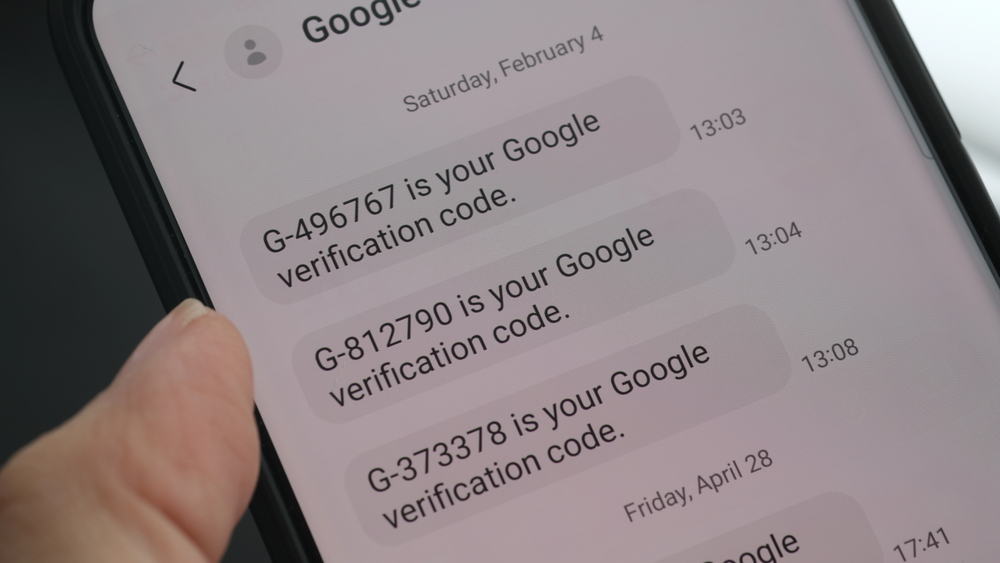
1. Asking for verification codes
One of the most common scams involves a match telling you that their app is acting weird. They’ll ask you to help them by verifying a code that’s sent to your phone. Don’t do it. These codes are often actually Google Voice sign-up codes that allow scammers to create phone numbers that are connected to your identity. These scammers can later use these same phone numbers to conduct fraud.
2. In-app safety background checks
There are also scammers who will pretend they’re simply cautious about going on a date. They’ll tell you that they don’t want to meet you without you completing a background check first because they want to make sure you’re legit. Soon after comes a link that looks relatively official. But such sites usually charge you to use their services without telling you. They might also collect your personal data, and they’re not run by dating apps at all, regardless of how familiar the logos might seem.

3. Lying about military service
Quite a few scammers use fake military profiles on dating apps to target older users because they value the service & stability of someone who has helped our nation. These scammers might go as far as stealing the photos or details of real service members. They’ll then avoid video calls and claim that they need you to send them money. It could be for leave or for travel. It might be for paperwork. But none of these issues actually exist, and the scammers are simply trying to get your money.
4. Packages stuck in customs
You might speak to someone on a dating app for many weeks. It seems like everything’s going well, and they tell you that they’ve sent you a gift or some documents in the mail. Then you get a message from a third-party contact. This other individual claims that they’re from customs or shipping, and that you need to pay them money to make sure your “gift” makes it through. Those fees are often entirely fake. You can tell because the individuals will ask you to send the payment through wire transfers or gift cards. That’s clear proof that the “gift” was never real.

5. Building a crypto relationship
Many scammers rely on the promise of a good life. They share supposed screenshots with people on dating apps, and these pictures show how much they’ve apparently earned through cryptocurrencies or investments. They’ll suggest that two of them try to build a future together. But the trading platform they’re talking about is likely fake, and the scammer may actually control it themselves. They want you to give them money to build their wealth and their wealth alone.

6. Blackmailing intimate photos
A few scams get dark quite quickly. One of the worst ones starts with a few flirty messages or private video calls. Then the tone changes. The scammers will threaten to send any photos you’ve sent them, compromising or otherwise, to your family or other contacts. They’ll tell you that the only way to get them to stop is for you to pay them a set amount of money. The demands come quickly, and they’ll push payment methods that don’t allow you to get a chargeback.
7. Asking for ID for bookings
You may find that this kind of scam appears when you’re organizing a vacation with the other person. They’ll talk about booking flights & a hotel, then ask for a photo of your driver’s license. They’ll claim it’s to “finish the reservation” or to “confirm your age.” But the truth is that they’re probably trying to collect your ID so that they can use it for credit applications or loans. They might even use it to take over your account. Such a scam works because the scammer makes it seem like they’re being helpful rather than suspicious.
8. Pressure from a quitclaim
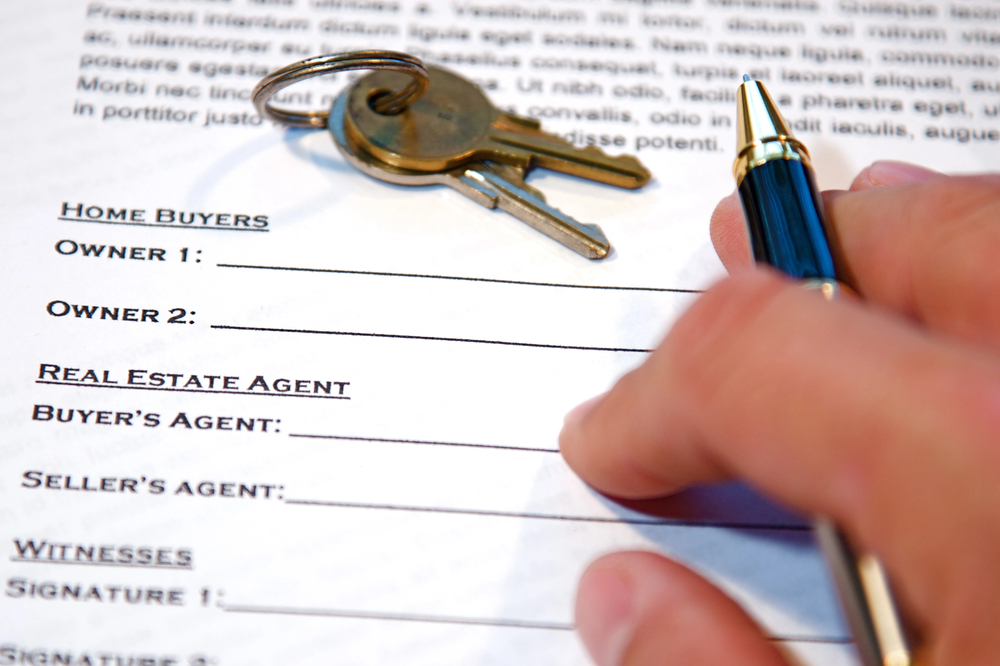
It’s natural for conversations about housing to come up quickly whenever an online relationship becomes serious. The scammer might suggest that you add their name to the deed because it makes logistical sense. It could be to help with refinancing or future planning. But the AARP’s Fraud Watch Network has reported many title theft cases involving quitclaim deeds. Scammers use them to change homeownership details without a real sale. They tend to send the paperwork details quickly & digitally to older homeowners so they’ll feel pressured to make a decision.

9. “Helping” with refunds
Another person might slide into your messages after a dating app scam has been successful. This person will claim that they can help you recover your stolen money, and they may share case numbers or timelines with you. They will likely mention past successes they’ve had with other people. Then comes the fee. These recovery scams target people who have already lost money, and the scammers use official language & fake updates to seem legitimate. They’re preying on your raw emotions.
Data from the AARP shows that adults over 50 are some of the fastest-growing groups of Americans using dating apps. They’re also the group that scammers target most often for long-term romance scams. These schemes rely on patience & consistency, as well as believable stories, but you don’t have to be a victim of them.


