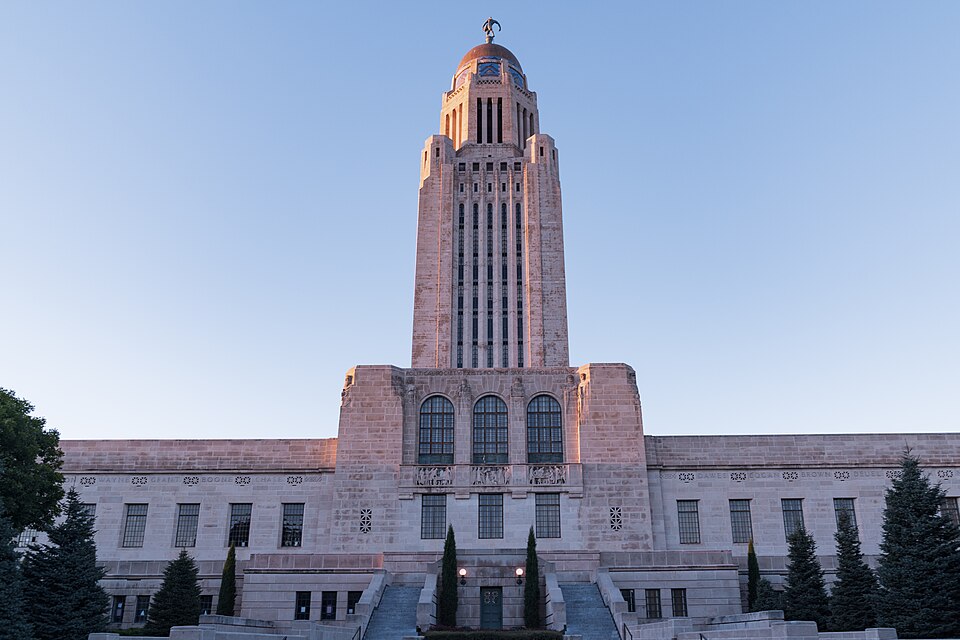
What happens when a grain titan worth $500 million turns out the lights? In late 2025, Nebraska’s biggest grain buyer collapsed, and farmers, truckers, and rural suppliers are left with outstanding accounts. The collapse of this grain buyer has sent waves through the agricultural system in the American Midwest. The involvement of this buyer is an integral part of this system.
In Nebraska, this represents less of a local tragedy and more of a microcosm of how one failed corporation could upset the whole economic paradigm of rural communities. In the mechanics of commodity marketing risk to the very political imperatives at play in farm country, the consequences are a crash course for farmers, financiers, and policymakers alike on what to avoid and how to protect themselves. In total, here are nine key takeaways regarding the failure of the Nebraska grain giant.

1. Fragility of the Dominant Grain Buyer
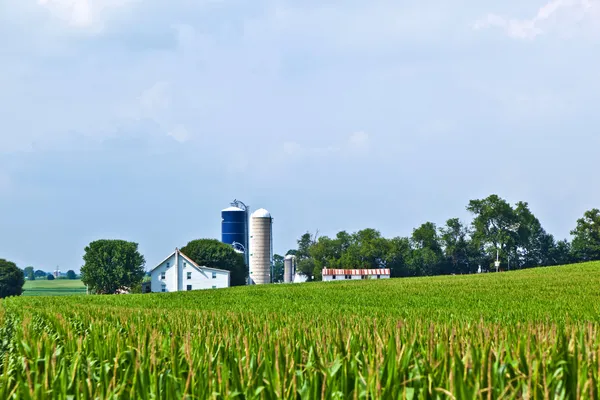
The Nebraska-based company had long been considered a success within the region, handling crops totaling several hundred million dollars annually across the Plains. Farmers submitted corn, soybeans, and wheat to their elevators, expecting to receive payment. All that stopped when account balances were frozen, and payments were halted, reducing their submitted grain to unsecured loans. The failure has shown that when a major buyer defaults, the results can have far-reaching implications across state lines.
2. Farmers Facing Immediate Cash Flow Crises
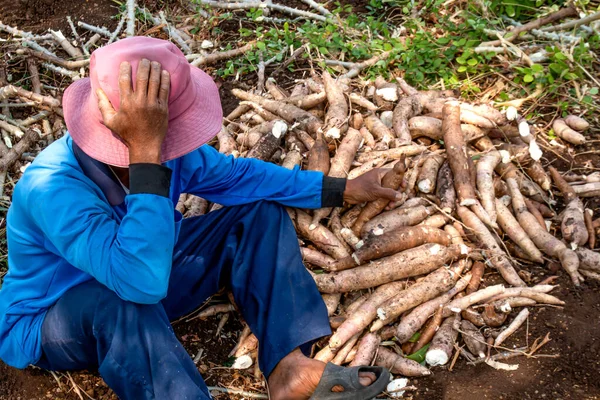
For many of the farmers, the missed payments are more than just ledger entries, but rather the means of continuing to farm. The operating loans come due, the landlord is expecting rent, as well as the suppliers of the necessary ingredients. The purchased contracts, which provided the attractive prices, have disappeared, and now the farmers have to sell the remaining grain in lower markets to cover the fixed expenses.
3. Rural Businesses and Banks Under Strain
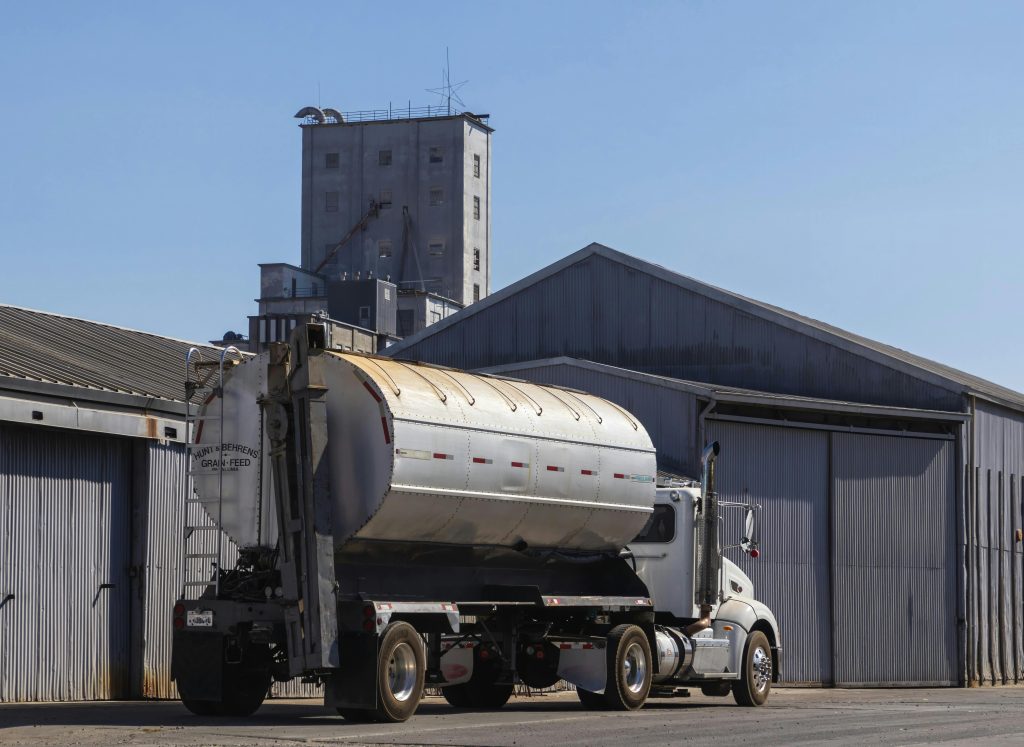
The problem is far from being limited to farming enterprises either. Seed merchants, fuel suppliers, and trucking companies, having lent credit in the expectation of harvest checks, are presently struggling to secure their financial position themselves. The banks in rural areas, having loaned credit for the operation of farming enterprises, are left with collateral whose security may appear less certain in the light of changed circumstances.
4. Buyer Bankruptcies Becoming More Common
Recent situations like Chapter 11 filings by Hansen-Mueller Co. demonstrate how quickly multi-state grain market firms can fail. This can put farmers in tough positions of receiving no money and even having to pay back money they received within a fairly recent period. While states like Minnesota and Iowa offer larger indemnity pools to protect some of these farmers, this happens with a time delay. Insolvency of buyer firms can also affect the future security of food in the USA.
5. Tariffs and Trade Wars Deepening the Pain
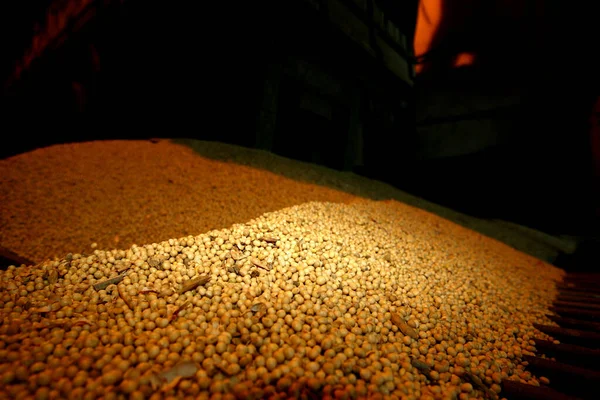
Midwestern farmers are also dealing with challenging prices of their products, as well as high costs of inputs, which are further aggravated by trade disputes. Tariffs from the retaliations by China cut orders of soybeans, which are being sourced from Brazil instead. Fertilizer costs are high as a result of sanctions that result in disrupted supply chains, as it has been observed that the Middle East, which is confronted with geopolitics, supplies half the urea to the US.
6. Rising Farm Bankruptcies Signal Broader Stress
Chapter 12 filings were up in 2024 and early 2025, with the Midwest experiencing a 69% increase. Nebraska led the country with 15 filings in 2024, a year in which lower income from corn and soybeans, combined with a record high interest rate on farm loans, reduced farm liquidity. Farm loans, not including real estate loans, were up 25% in 2024, with total farm debt expected to reach nearly $562 billion in 2025.
7. Marketing Strategies to Mitigate Counterparty Risk
The Nebraska collapse illustrates the advisability of diversifying marketing. It has been found that using multiple strategies, like combining a cash price formula in marketing years and a hedge-and-roll futures strategy, can lower risks while curing revenues. By diversifying locations of delivery and better financial guarantees, producers can steer clear of being held back when one of their marketing counterparties collapses.
8. Political Ramifications in Farm Country
The failure occurs in a politically sensitive moment. Rural turmoil over unreceived grain supplies may affect elections to come, where politicians are under pressure to account for failed protections in place. Some campaigners choose to see this failure as part of a larger economic storm, while others are concerned that a satisfactory explanation is needed to avoid more extreme debates over agricultural policies and financial regulation.
9. Legal and Legislative Paths Forward
Indemnification funds and bankruptcy courts allow farmers to seek compensation, but these procedures take time. Leaders are considering ways such as redistribution of tariff revenues to new USDA initiatives. Timing will be important in the sale of assets, refinancing, and chapter 12 cases to ensure that those trying to stay in business will be successful. Looking ahead, this incident could bring about change in grain purchaser regulation and risk sharing in the food chain.
The bankruptcy of the grain behemoth in Nebraska is a harsh reminder of the reality that in today’s agriculture sector, it does not pay to be large. The message is loud and clear in the Midwest: be smart about your markets, watch your customers’ health, and be ready for the fluctuations of the world, which could come from any direction, whether it is a worldwide trade spat or a domestic business meltdown.