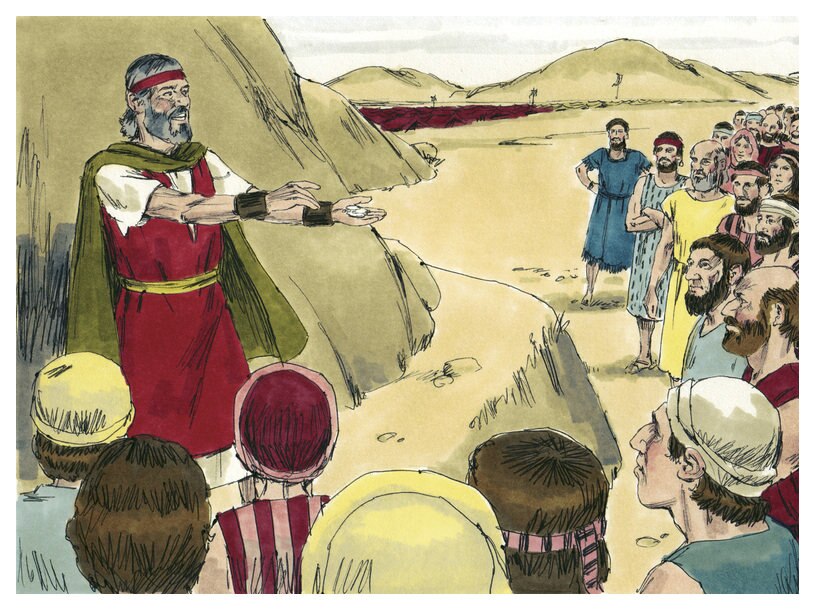
“What does it mean to be a people born twice once in the world and again into a promise?” The story of the Exodus, which takes place in the 13th century BCE, tells the tale of liberation but also represents a moment of transformation between the story of creation in Genesis and the covenant of Sinai. The crossing of the Sea of Reeds, led by Moses, represents an exodus from Egyptian slavery but also a moment of genesis, where history and theology merge.

1. Exodus as a Continuation of Genesis
The initial clauses of Exodus specifically retain a Genesis flavor, tying the entry into Egypt within the context of exile/return. As Ramban pointed out, “although it is two books, it is a single story with occurrences unfolding one after another.” The echo of “These are the names” brings back the sojourn of Jacob in Egypt and establishes that exile itself, not slavery alone, is the problem at hand. Even when it mentions Israel’s increase, “fruition, swarmed, multiplied very much,” it itself borrowed from Genesis 1:28, implying instead a new creation in Israel, suffused with divine intention.
2. The Historical Backdrop
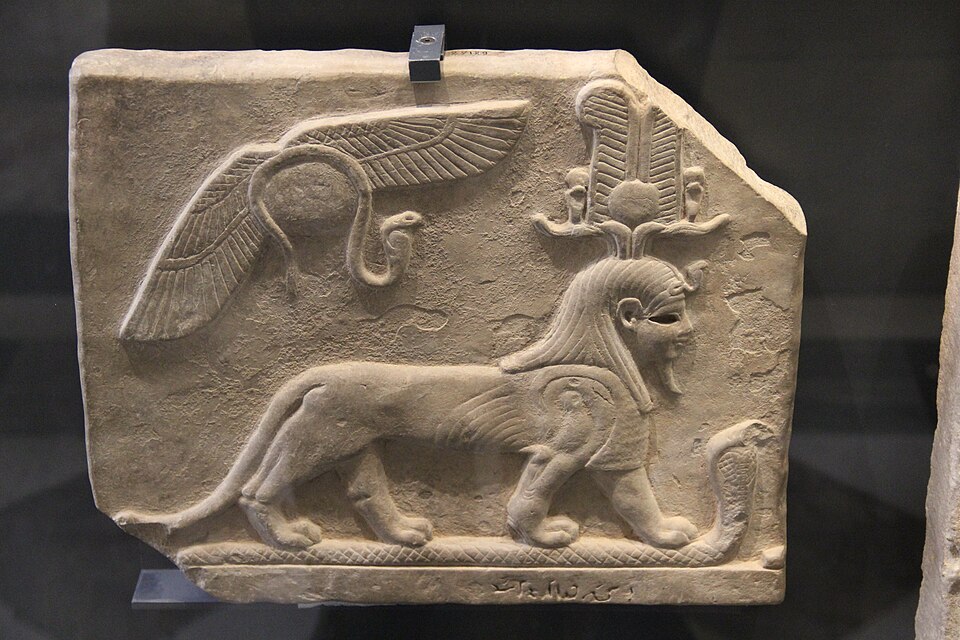
Archaeological and literary sources make fascinating parallels to the Bible. Egyptian sources from the end of the 19th dynasty speak about domestic strife and the influence of the Levites. The Yabe Stele of King Setnakhte relays how “troublemakers. fled away like flocks of small birds. leaving behind the gold, the silver.” to hire the services of the Levites. The Great Harris Papyrus talks about how there was a “self-made prince” from the Levites who caused trouble during temple rituals. Some scholars identify here a parallel to the Exodus tradition: a foreign ruler defying the Egyptian deities, gathering supporters, and then leading away wealth, paralleled by exponents like Manetho and Exodus.
3. Moses, the Leader and Mediator
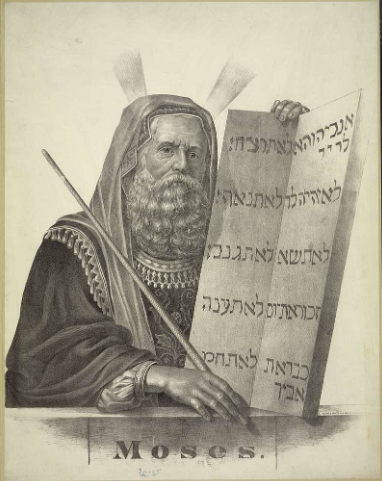
Moses is not only a prophet but also an unbeatable leader in these elements. The way he engages God is similar to that between a trusted executive and an ardent chairman in a corporation, with elements of openness and shared vision in place. He can engage Pharaoh in dialogue, deal with the grievances of his own people, and convince God to reduce God’s wrath as well.
4. The Covenant Invitation
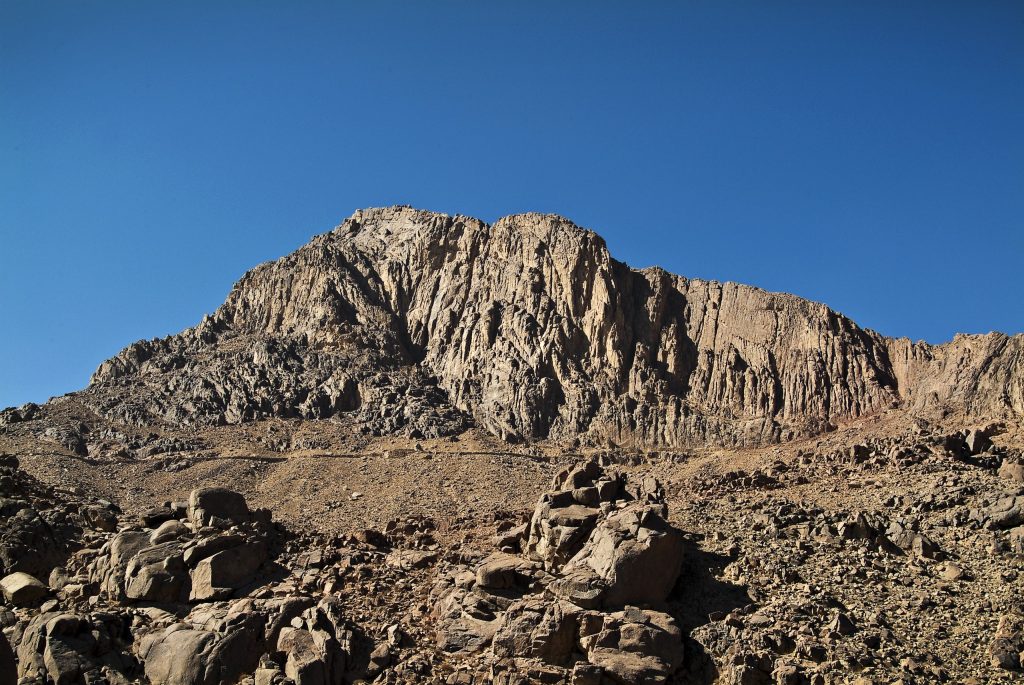
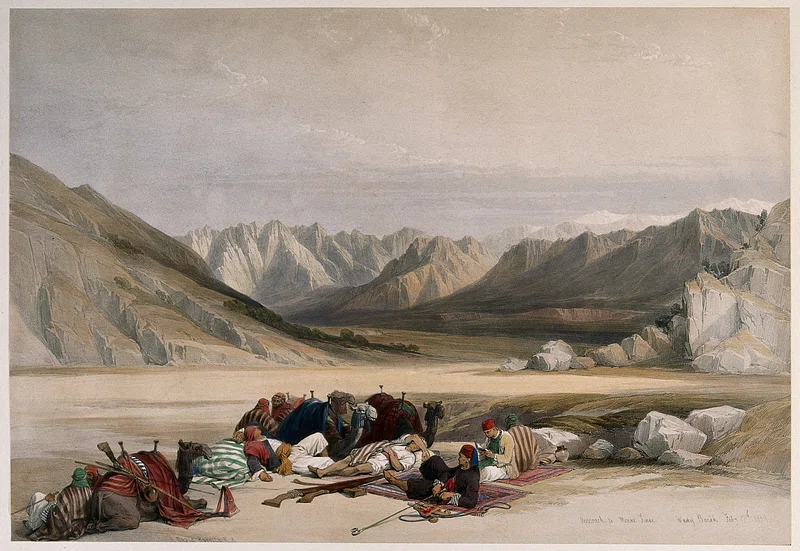
However, at Sinai, the movement from journey to relationship occurs. God’s pronouncement to Moses is explicit: “Now if you obey me fully and keep my covenant, then out of all nations you will be my treasured possession you will be for me a kingdom of priests and a holy nation.” This covenant, following the format of the Ancient Near Eastern Suzerain-vassal treaties, establishes a relationship of King and Protector between Israel and God. It is a relationship based on conditions that are explicit, with benefits that are profound.
5. Getting Ready for the Divine Encounter
The Israelites consecrate themselves, washing their garments and observing ritual restraint as they prepare for the third day acts of humility before holiness. Thunder, lightning, and the sound of trumpets surround Sinai, inspiring awe and fear. But they ask Moses to stand between them and God. Thus the fear of the divine distances them from their priestly vocation.
6. Laws and Stipulations
The Ten Commandments, described as “the words of the covenant,” are the heart and soul, supplemented by civil and religious law in the Book of the Covenant. The commandments are put into writing at once, emphasizing Moses as a scribe and lawgiver. The commandments establish the Israelite identity.
7. Ratification and Blood
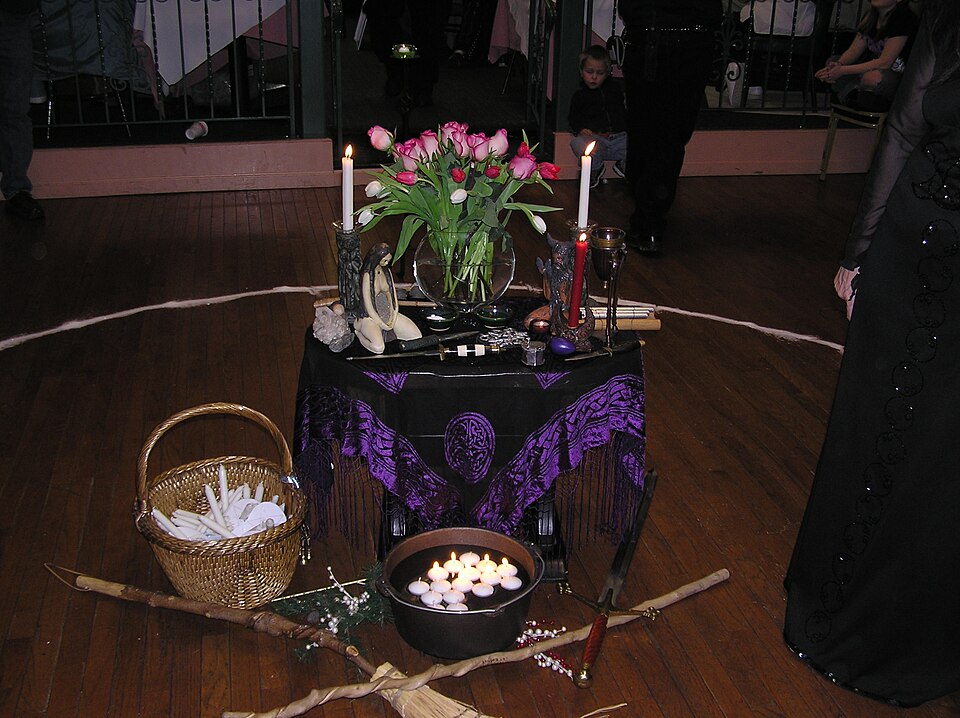
The sacrifices will seal the covenant by means of Moses’ sprinkling blood on the altar and the people: “This is the blood of the covenant, which the Lord hath made with you.” The ritual will dedicate a nation to the covenant by referring to previous agreements and symbolizing the new covenant in the blood of Christ. The rite referred to in this text was a means by which peoples in the ancient world made a public commitment to their alliances and treaties.

8. Covenant Meal and Revelation
Moses, Aaron, the elders, and the priests go up the mountain and behold the God of Israel and they ate and drank. This act of the covenant meal represents the act of fellowship with God. Moses then stays on the mountain of Sinai for forty days with the tablets inscribed with the finger of God that sign of the covenant.
9. Theological Resonance
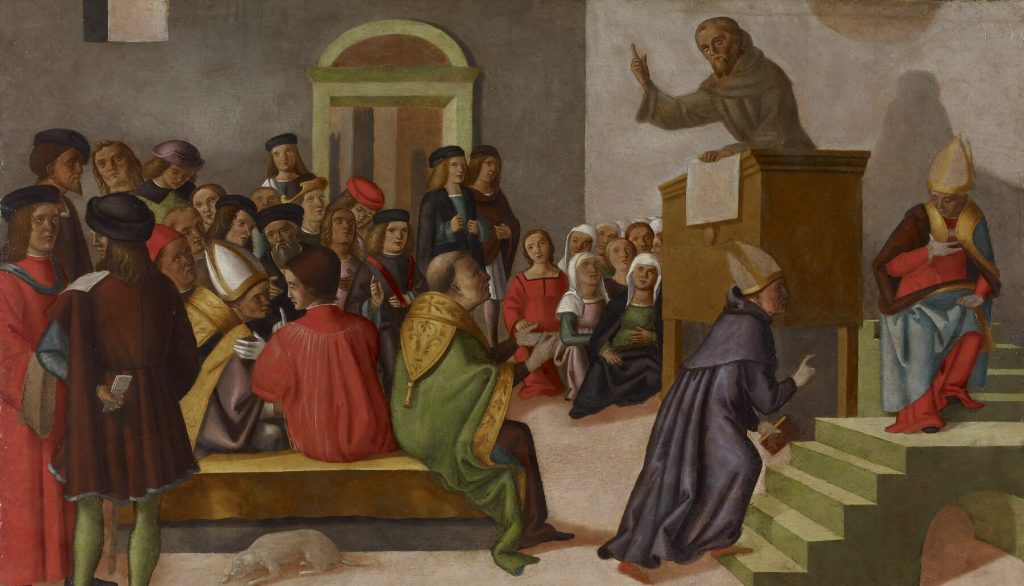
“The Exodus is at the same time deliverance and consecration,” and “the Exodus realizes patriarchal promises and establishes the nation’s self-consciousness as God’s ‘treasured possession. ”It should be remembered that “the terms of the covenant obedience, holiness, priesthood are not fossilized relics of a dead past, but abiding voices, heard in the voice of the New covenant: the royal priesthood of all nations.”
“The layered themes of this story, from creation allusions through historical allusions, leadership patterns, and covenant themes, promise much reflection. For those spiritually attuned, indeed, Exodus is more than historical occurrence, but living pattern, from slavery through belonging, from wandering through worship, from promise through presence.”