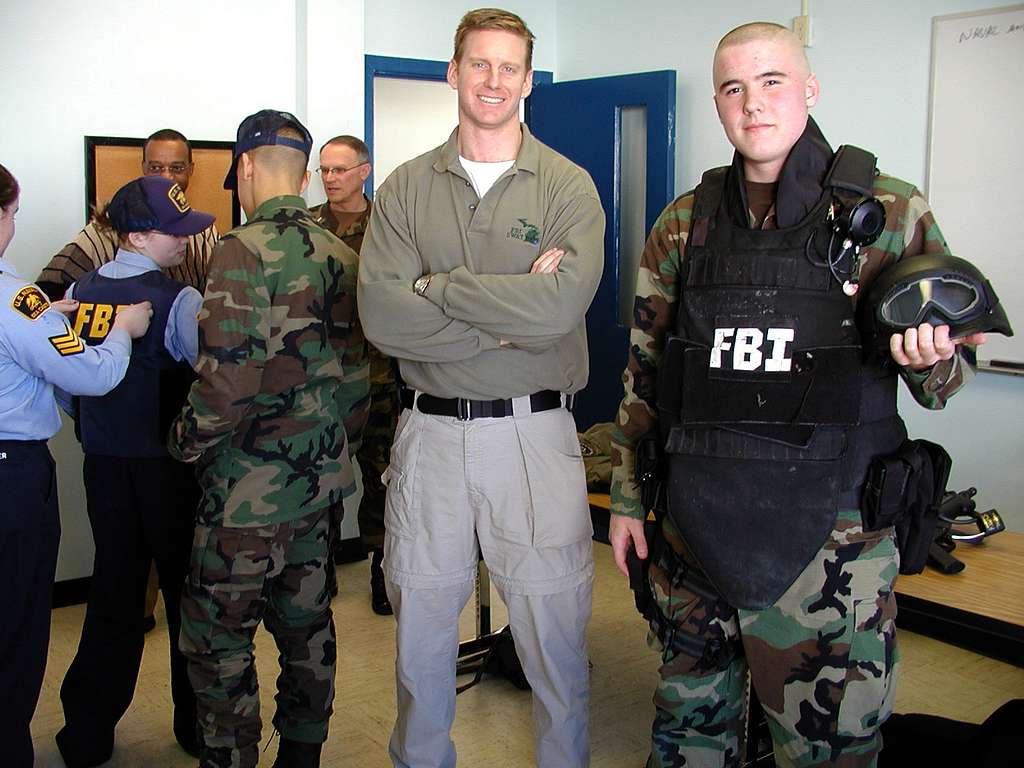
It started with a whisper in audit reports and a quiet concern from state officials, but the magnitude of what federal investigators found in Minnesota has now reached a point of one of the largest public fraud scenarios in recent historical record. The words of FBI Director Kash Patel on Sunday conveyed a level of urgency and heaviness: “The FBI believes this is just the tip of a very large iceberg. We will continue to follow the money and protect children, and this investigation very much remains ongoing.”

1. A $250 Million Breach of Trust
“Feeding Our Future” was just such a case, where $250 million of federal food support, meant for kids during the pandemic, was diverted. It has become a kind of “poster child” for weaknesses in such programs. As prosecutors describe, it involved meals not served, but payments nonetheless for them, money doled out for luxuries, and foreign transfers. As of now, it has resulted in 78 indictments and 57 convictions, even finding an astonishing juror bribe of $120,000 in cash.
2. Expanded FBI Footprint in Minnesota
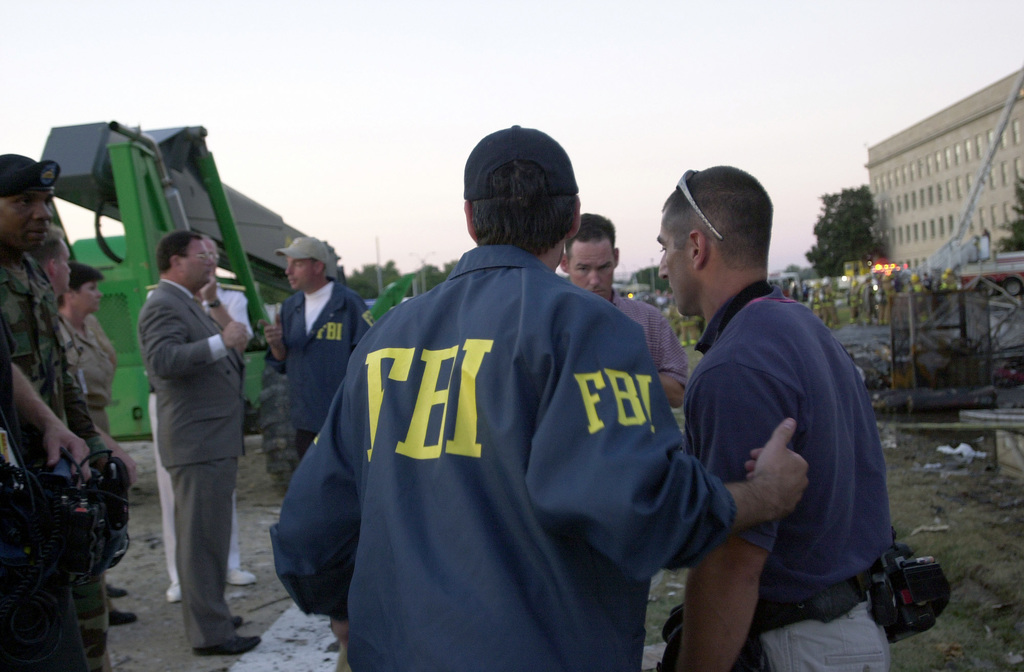
Patel has confirmed that the bureau had surged agents into Minnesota even before the incident went viral on social media sites. The agency’s concern does not end with Feeding Our Future but rather includes several other fraud rings that targeted programs within the Education Department, as well as Medicaid, housing assistance programs, and autism services beneficiaries. These fraud rings, according to state media, have collected more than $200 million meant for public funds.
3. The Political Firestorm Regarding Governor Walz
The discovery has sparked a significant political reaction. Representative Tom Emmer’s congressional office quoted him attacking Governor Tim Walz for “sitting idly by while billions were stolen from hardworking Minnesotans.” One entity claims it consists of over 480 state employees: the pseudonymously named Minnesota Staff Fraud Reporting Commentary group accused Walz of retaliating against whistleblower employees and impeding the oversight of the Office of the Legislative Auditor. Walz responded that he’s “worked for years cracking down on fraud” because of efforts such as shutting down the Housing Stabilization Services program or contracting with an independent audit firm to review high-risk claims.

4. Viral Video Fuels Public Outrage
An independent journalist named Nick Shirley made a 42-minute investigative video with over 115 million views since December 26 that pointed out allegedly non-operational child care and learning facilities that took in millions of dollars in aid funds.

5. Fraud Networks in the Somali Community
According to law enforcement reports, schemes involving billings in exchange for social services that were never provided to clients in the Minnesota community of Somalian descent have proliferated in the last five years to the tune of perhaps as much as $9 billion stolen nationwide through these networks. This charge has been politicized in so-called immigration discussions at the level of the nation’s politics.

6. Rising Concerns Over Public Trust
Such a level of large-scale fraud affects the confidence that the public can place in these government programs. It is being considered that when government programs that are aimed at helping disadvantaged groups are diverted, these programs are likely to suffer a blow that may hamper future funding.

7. Federal-State Collaboration Against Complex Fraud
The Minnesota cases demonstrate how state and federal agencies work together to effectively disrupt complex financial crime networks. The use of specialized agents by the FBI, together with state audits and program closings, suggest a multi-layered approach. This kind of cooperation can be very useful where more than one program is involved, as with this particular case.

8. Balancing Accountability and Public Safety
However, amidst the prosecutions, voices have been raised to exercise care not to equate the criminal behaviors with the communities at large. Generally, the debate has left the Somali immigrants in the country feeling fearful, particularly with concerns rising over immigration authorities. It has been urged that “the vast majority” of Somalis are crime-free and have been residing here as permanent residents.
The case in Minnesota is more than a court struggle; it is a measure of the strength of the institutions, the integrity of the politics, and the belief of the people within the systems in place to serve them. As the federal agents continue to “follow the money,” the state remains at the crossroads between accountability, unity, vigilance, and trust.