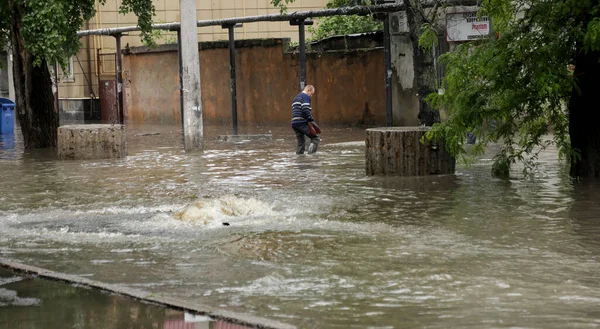
It started with the kind of rain that makes holiday lights blur into watercolor streaks across windshields. But by Christmas Eve, Southern California was in the grip of one of the most severe holiday storms in recent memory, driven by the “Pineapple Express”-an atmospheric river hauling tropical moisture from Hawaii to the West Coast. The National Weather Service warned of “life-threatening flash flooding” as the system delivered months’ worth of rain in mere days, with some communities already soaked by more than 10 inches.
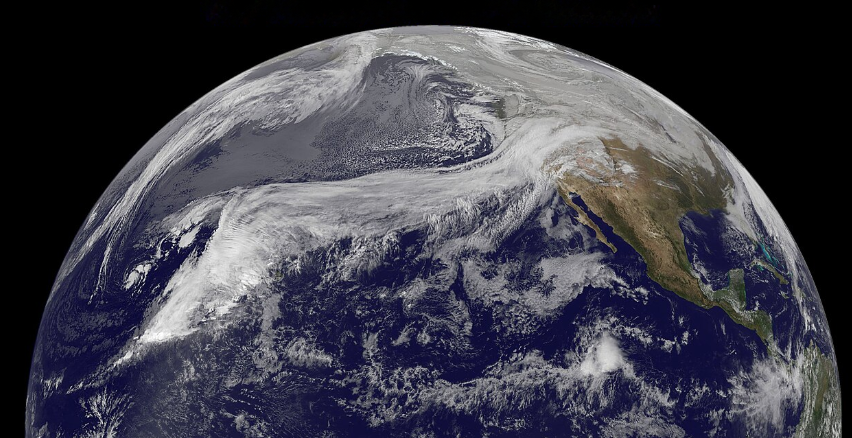
1. Understanding the Pineapple Express and Its Impact
The Pineapple Express wasn’t a gentle drizzle, but a conveyor belt of warm, moisture-rich air, capable of unleashing torrents over steep terrain. This year’s event coincided with peak holiday travel, compounding risks for the estimated 10 million Southern Californians on the move. The storm’s phases brought drenching downpours, urban flooding, and snow measured in feet across the Sierra Nevada.

2. Why Burn Scars Are a Flashpoint for Danger
Communities around the wildfire zones from January’s fires, including those in Pacific Palisades, Malibu, and the San Gabriel Mountains, were under enhanced warnings. According to U.S. Geological Survey hydrologist Jason Kean, burn scars are “like a flood on steroids.” Slopes with no vegetation to hold them in place can send boulders, trees, and mud tumbling down at a pace quicker than any person can run. LA County’s system of debris basins provides some defense, but residents near drainage channels had been advised to leave well in advance.
3. Power Outages and Strain on Infrastructure
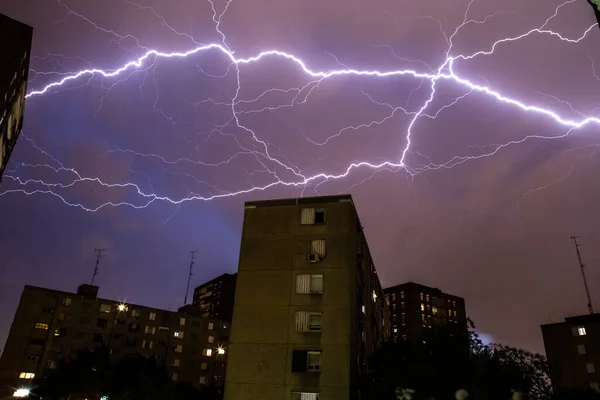
By Christmas Eve, more than 80,000 homes and businesses had no electricity. Gusty winds reached as much as 80 mph in mountain passes and knocked over trees and power lines; wet soils added to the possibility of more outages. The National Weather Service recommended sheltering in the lower levels of homes during windstorms and staying away from windows because strong gusts can turn lightweight unsecured objects into dangerous missiles.
4. Road Closures and Travel Disruptions
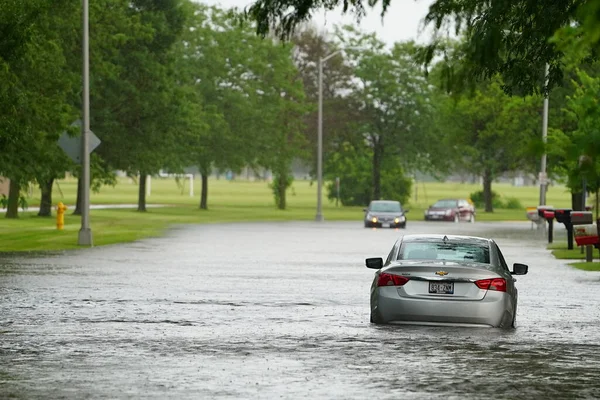
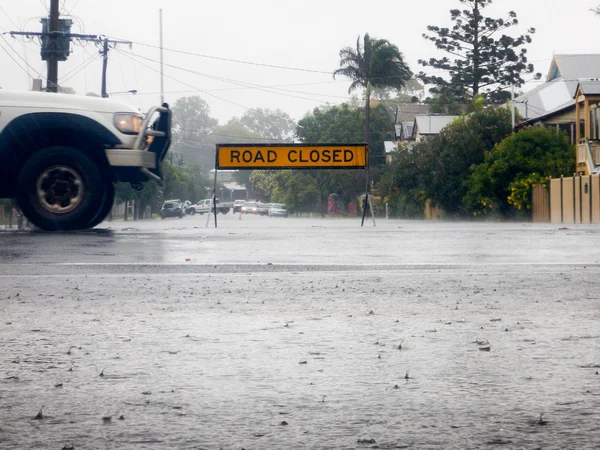
Freeways flooded, and landslides and rockfalls shut down crucial routes, including parts of Interstate 5 and Pacific Coast Highway. Transport officials implored residents to change their Christmas travel plans. In Wrightwood, the roads turned into rivers of mud and debris, trapping motorists and cutting off access to much-needed supplies. Still, local friendliness prevailed-neighbors brought in food, milk, and diapers for stranded families.
5. Prepare Your Home Before Bad Weather Strikes
Safety begins with readiness. Experts recommend trimming tree branches away from structures and power lines, securing gutters and shutters, and identifying an interior shelter room. Outdoor items should be tied down or stored when a high wind watch is issued. Emergency kits should include three days’ worth of food and water per person, charged batteries for devices, and tools to clear debris.
6. Staying Calm and Managing Storm Anxiety
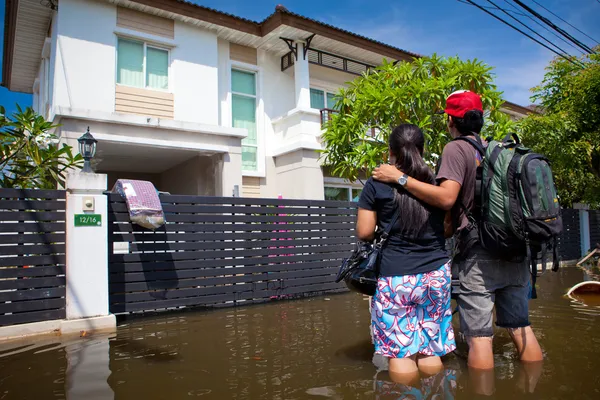
Bad weather can increase fear, particularly when the area one lives in is considered a danger zone. Psychologists recommend making active preparations for things within one’s control: follow evacuation orders, listen for official warnings, and stockpile food and supplies. Limit exposure to sensationalized media reports, and continue with one’s daily routine as much as possible.
7. Response during the storm
If you are caught outside in high winds or flooding, go to a nearby sturdy building or hard-topped vehicle. Stay away from trees and power lines. If you are driving, avoid flooded streets; the water may be deeper than it appears, and it may hide debris or even sinkholes. In areas prone to burn scars, heed all warnings as debris flows can occur in a short time after intense rainfall.
8. After the Storm Passes
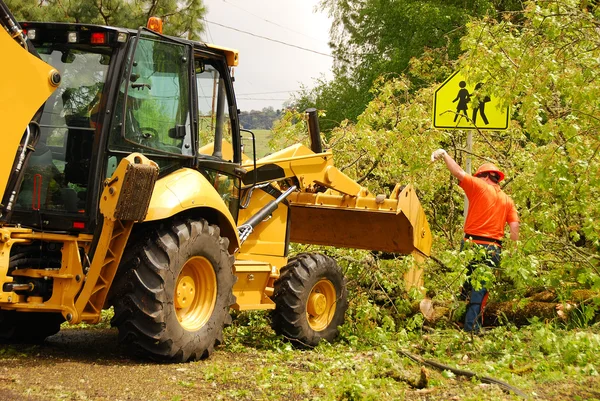
Even on the sunniest of days, there can be lingering dangers: downed power lines could still be live, so report them to authorities and avoid them; yards and streets can be littered with debris that conceals sharp objects or unstable footing. And officials warn that landslides and sinkholes may appear days later, especially in steep areas.
9. Supplies and Safe Houses
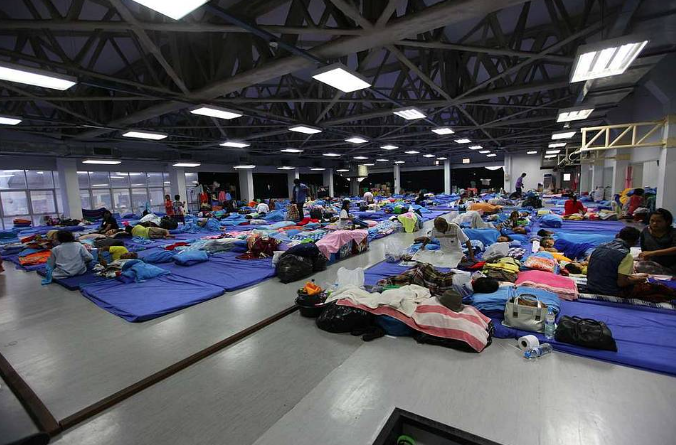
The Red Cross has opened shelters in several communities, and county agencies maintain updated evacuation maps online. In the case of “considerable or catastrophic” hazards, emergency alerts are sent to every enabled mobile phone. Residents can also sign up with local alert systems for real-time weather and road updates.
From Malibu’s coastal bluffs to the snow-clobbered Sierra Nevada passes, Southern California’s Christmas storm has put resilience to the test. Flash floods, hurricane-force winds, and treacherous mudslides-the best defenses are preparedness and community solidarity.