
“The expiration at the end of next year of enhanced subsidies established by the Affordable Care Act could ignite one of the largest decreases of recent years in people’s ability to get health insurance,” thanks to predicted hikes of as much as “114% higher premiums next year,” according to the Congressional Budget Office, with “Millions of people, many of them in the South, will be forced to pay catastrophic costs or lose insurance entirely.”
1. Factors Making Southern States More Vulnerable
Over 50% of those enrolled in the ACA marketplaces and receiving subsidies live in a few states, which are largely found in the Southern part of the USA. Most of these states did not expand the coverage of Medicaid under the ACA as well as the American Rescue Plan Act. Therefore, the marketplaces remain the major sources of cheap health care coverage options for those with low income. Alabama, Florida, Georgia, Mississippi, North Carolina, South Carolina, Tennessee, Texas, Utah, and Wyoming rank among the top states with a large percentage of beneficiaries of subsidies. With the elimination of the subsidies, those in this state would be left with very few options.

2. Effect on Poor Households
According to the Economic Policy Institute, the expiration will worsen poverty, particularly within working-class, Black, and brown communities fighting to get care. These groups will experience the biggest jumps in their premiums, sometimes paying twice as much as they currently pay. For example, families in one-year plans and earning $25,000 per year will see the cost of their benchmark plan jump from under $9 to as much as $98 per month, a tenfold increase.

3. Older Adults with Higher Premiums
Approximately 24% of those enrolled in the ACA in 2025 were aged 55 and older. Since insurers are able to charge senior citizens more, this impact will fall more severely on this population in terms of the lack of subsidies. It is estimated by KFF that a person aged 60 who earns just above 400% of the federal poverty level will potentially see their premiums rise by $881 a month if they qualify for extra tax credits. Older individuals who retire earlier could potentially find it hard to afford their health insurance even though they earn social security benefits.

4. Small Business Owners and Workers at Risk
Almost half of adults under 65 in the ACA market are either small business owners or work in firms that employ 25 people or less. These demographics do not qualify for insurance through employers. If not for subsidies, their premiums will be extremely high, causing some to cut back on operations, postpone hiring additional employees, or close their businesses altogether. As one small business owner explained to CNN: “One broken leg, one car accident, one slip.and one week in the hospital is hundreds of thousands of dollars.”
5. Cost Management Plans
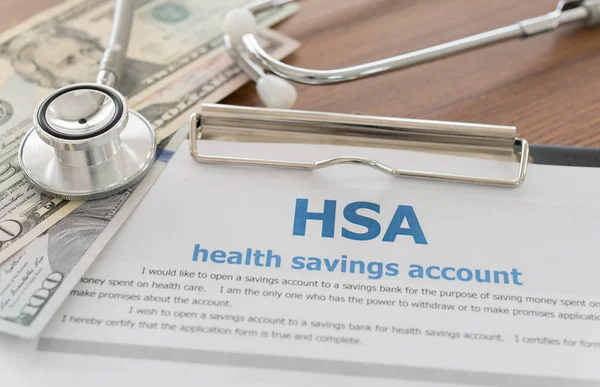
For those intent on remaining insured, options might include reducing coverage to bronze plans with higher deductibles, contributing to health savings accounts, or obtaining coverage in business partnerships. Others may look at buying plans directly from insurers or ultralow-cost plans offered on state-run marketplaces, although these may require changes in medical providers or networks. Though these steps can mitigate the impact, they do not come near to equaling the affordability offered with enhanced subsidies.

6. Economic Ripple Effects
The impact of the expiration will extend beyond households. It will affect hospitals and safety-net institutions because there will be an increase in the number of uninsured individuals. As a result, some hospitals may cut back on the provision of health care, including layoffs and closure. Small businesses may cut back on expenditure due to the rising cost of health care.

7. Trends Behind the Rise in Premiums: Factors Other than
In addition to this, insurance companies have also called a median average of a jump of 18% in rates for the year 2026, which would be its highest level since 2018 due to rises in healthcare spending, a lack of staff, and costly specialty drugs such as GLP-1.

8. Policy Uncertainty and Legislative Acts
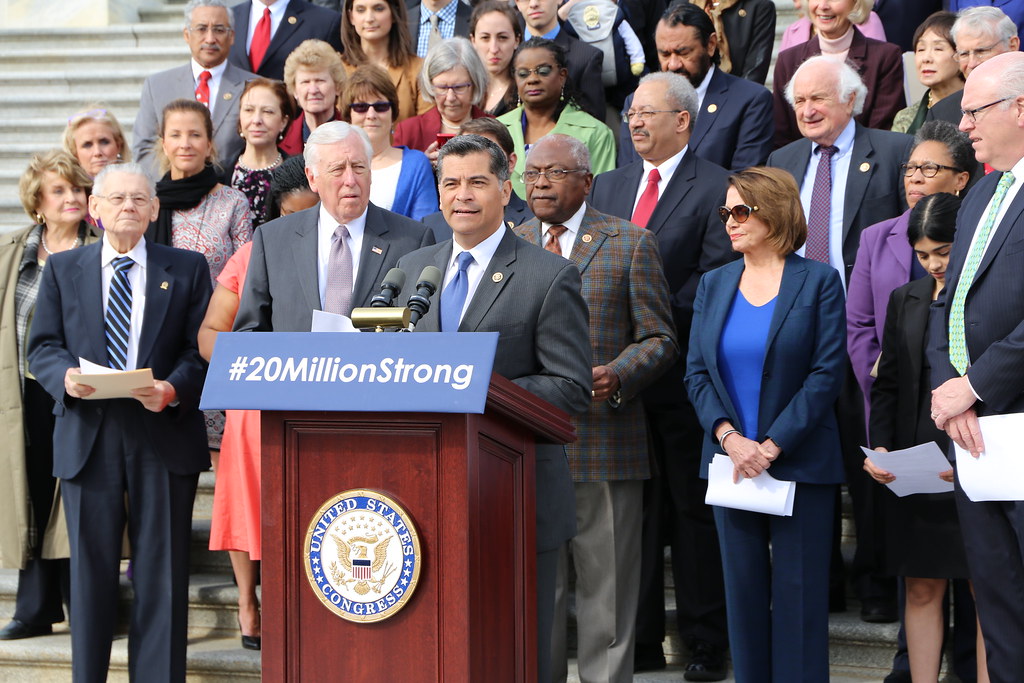
Although a House discharge petition will permit a vote on an extension by January 2026, whether each will pass is uncertain. Some insurers nonetheless have submitted rates contingent on continued subsidies, but most contingent on their expiration. As Rep. Raja Krishnamoorthi explained, “It’s not like these people won’t need medical care, it’s just that they’ll go to the emergency room.”

9. Psychological and Community Resilience
For communities that are gearing up towards such changes, being informed and connected is highly essential to them. Community organizations, healthcare navigators, and non-profit health clinics can assist citizens with information and access to healthcare. As the policy fight rages on, community effort in the forms of community building, employer engagement, and legislation can deliver some semblance of normalcy to an uncertain healthcare setting.