

Can a breakthrough weight-loss drug lose its appeal in less than a year? For many older Americans, the answer would appear to be yes. Despite the promise of GLP-1 medications known as Ozempic, Wegovy, and Zepbound-hailed for their weight-shedding potential, improved blood sugar, and even lower cardiovascular risk-thousands of seniors are walking away from their prescriptions.
Recent research indicates that close to half of all older patients with type 2 diabetes, and approximately two-thirds without diabetes, discontinue GLP-1 therapy within a year. The drivers are multifaceted, from financial burden through fears about health. For adults aged 65 and older, who often battle multiple chronic conditions, the decision to quit is seldom easy. Nine key drivers of this trend-and what they mean for long-term health-are discussed below.
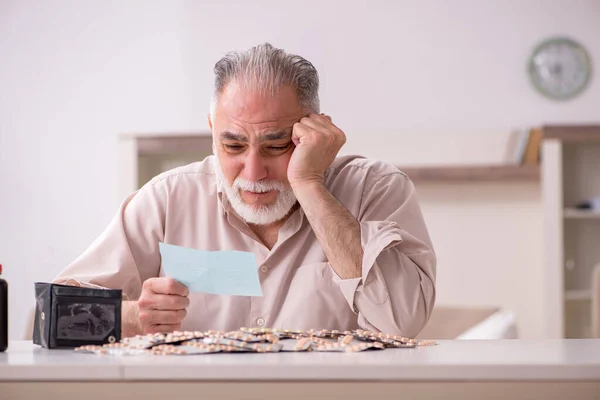
1. Skyrocketing Out-of-Pocket Costs
Even with insurance, the drugs are prohibitively expensive: In diabetes care, the average annual per-person cost is nearly $7,000, a recent national expenditure analysis reported. Coverage reaches well over 95 percent for most users, but the gaps in coverage can be devastating. One widely reported case of this has been that of a 75-year-old retiree whose monthly co-pay for Ozempic went from $25 to over $1,000 after her insurer stopped covering the drug for weight loss. Without affordable access, discontinuation becomes inevitable.

2. Limited Medicare Coverage of Weight Loss
Without certain comorbidities, Medicare currently covers GLP-1s only for diabetes or obesity, which leaves many older adults without support if they seek the drugs solely for weight management. New federal plans aim to slash prices to around $245 per month for Medicare enrollees and expand eligibility, but these changes won’t take effect until mid-2026. Until then, seniors without qualifying conditions must pay full price or go without.

3. Gastrointestinal Side Effects
Adverse gastrointestinal symptoms, including nausea, vomiting, diarrhea, and constipation, are well described, occurring in up to 70% in some trials, with GLP-1 therapy. These effects may be heightened in older adults, particularly when started in a dehydrated state or with underlying gastrointestinal concerns. GI intolerance, if persistent, often leads to dose reductions, stops, and discontinuation. Physicians emphasize gradual dose escalation and dietary adjustments, such as small, low-fat meals, to improve tolerance.

4. Risk of Serious Digestive Complications
Beyond the more common GI symptoms, JAMA studies have associated GLP-1 for weight loss with a ninefold increase in pancreatitis, fourfold in bowel obstruction, and almost fourfold in gastroparesis compared with other weight-loss drugs. Though these events are rare, their severity can deter continued use, particularly in older adults already managing complex health profiles.

5. Muscle Loss & Sarcopenic Obesity
Most GLP-1-induced weight loss includes the reduction of lean muscle. It follows that less than half the weight lost is from fat, while the remainder, and often a large portion, is taken from muscle. This can hasten sarcopenia in older adults, increasing risks for falls, fractures, and loss of independence. Experts also caution that repeated cycles of weight loss and regain, or weight cycling, may further increase fat mass while eroding muscle reserves.

6. Weight Regain After Stopping
Discontinuation of GLP-1 therapy is often associated with rapid weight regain. Meta-analyses report that patients can regain up to approximately 10 kilograms within the first year of cessation of semaglutide or tirzepatide. This rebound may include disproportionate fat accumulation, potentially worsening metabolic health and undoing cardiovascular benefits achieved during treatment.

7. Inadequate Personalisation of Care
Some older patients are given standard dosing, without adjustment for age, frailty, or tolerance. According to Dr. Sue Decotiis, customized dosing and close follow-up can prevent excessive side effects, and enhance fat loss over muscle loss. If such tailor-made regimens are not used, seniors may stop therapy too early.

8. Polypharmacy and drug interactions
Adverse interactions may more commonly occur in older adults who take several drugs. Since GLP-1s have been shown to decrease the rate at which the stomach empties, drug absorption is altered, and toxicity or diminished efficacy may result. Physicians weigh these risks carefully, especially when patients are on medications with narrow therapeutic windows.

9. Uncertain Long-Term Benefits in Seniors
Although GLP-1s have been widely credited with improving heart health, reducing the risks of certain cancers, and more, their long-term use is less well studied in adults over the age of 75. Clinical trials included few such participants, meaning gaps remain in evidence. Some clinicians move cautiously, prioritizing functional outcomes like mobility and independence over aggressive targets for weight loss. For the elderly, discontinuation of GLP-1 therapy is rarely based on one factor.
Costs, side effects, preservation of muscle, and long-term safety come into play. While government officials work to make treatments more affordable, and researchers will try harder to document outcomes for seniors, personalized care and support for lifestyle modification exist as main elements. It’s not just weight loss but the protection of strength, health, and quality of life throughout the later years that is desired.


