A name can be a brand, a boundary, a family tie, or a daily negotiation-sometimes all at once. In entertainment, the choice to keep a birth name or adopt a new one rarely lands as a simple aesthetic decision. Some performers call name changes practical moves made early in a career. Others describe refusing to change as a form of self-preservation, after years of hearing their names shortened, misread, or laughed at.
These examples demonstrate the various weights that can be carried by stage names and real names-career strategy, cultural identity, the basic respect of being called correctly.
1. Michelle Yeoh
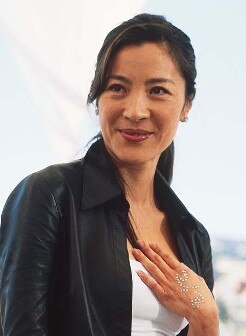
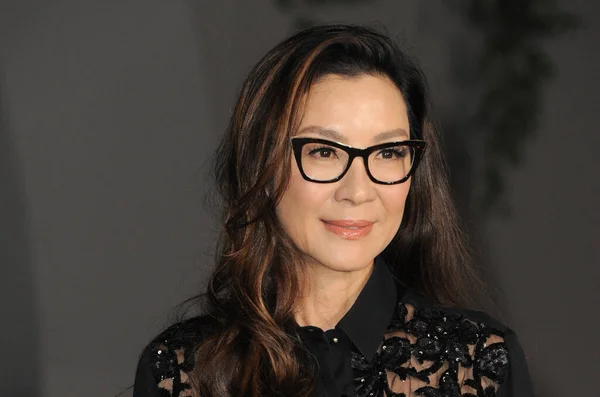
Michelle Yeoh spoke about adopting the name Michelle as an early concession to industry pressure. I only adopted the name of Michelle when I got into the film industry because my producer said at the time, ‘No one is going to be able to say your name,’ she told USA Today. The move highlights how ease is often framed as a professional requirement rather than a shared responsibility. Her later success under that professional name also demonstrates how a change made for access can become permanently fused to public identity. In her case, the stage name did not erase her background, but it did simplify what others were willing to attempt.

2. Amrit Kaur
Amrit Kaur spoke to the long-term toll of letting mispronunciations slide and the shift that came when she started correcting people. For a long time, I was ‘Aym-ritt,’ which is disgusting. It doesn’t sound good. It was only three years ago I started telling my friends and family that my name is ‘Um-rith.’ You pronounce it like a U, not an A. She also framed pronunciation in terms of basic fairness: If you can pronounce ‘Saoirse,’ as in Saoirse Ronan, if you can make the effort to learn a Caucasian name, then you can make the effort to learn a South Asian name as well. Her approach frames correction as an everyday act of self-respect rather than a demand for special treatment.
3. Taika Waititi
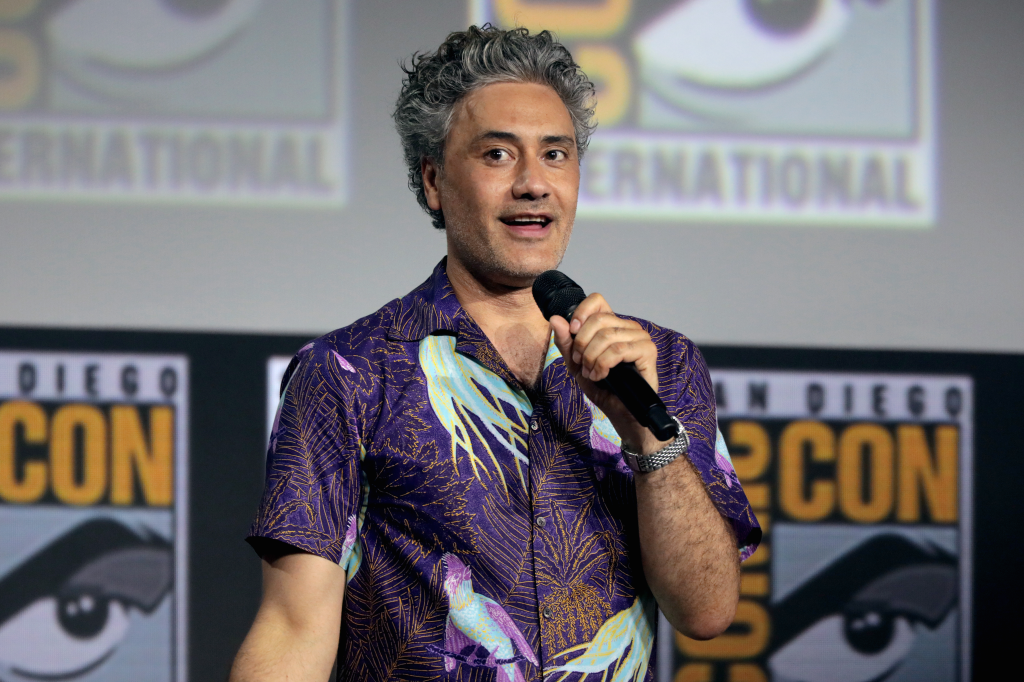
Taika Waititi’s stage name reflects a personal history rather than a clean before and after. He told Cultural Daily that Cohen appeared on his birth certificate, and he moved between Cohen and Waititi depending on where he lived and which side of the family he was with. So I always used both names throughout my life, according to where I was living, he said. As time went on, Waititi became the name attached to his first short film and then, as that work circulated, the name the public came to know. In this case, the stage name functions less as disguise, more as a map of identity across households, communities, and creative chapters.

4. Ki Hong Lee
Ki Hong Lee said he once considered Anglicizing his name early in his career, but a quote from Uzo Aduba changed his mind. He remembered the idea that if people can learn Dostoyevsky and Tchaikovsky, they can learn someone’s name, too. That logic lines up with a wider critique of selective effort: mispronunciation is often treated as inevitable only when a name falls outside what a workplace treats as normal. Researchers who study mental health impacts-which include teasing, assumptions, and unwanted nicknames-have cited a related explanation of how name-based slights can operate as name-based microaggressions. For performers whose careers depend on introductions, credits and auditions, the question becomes how often a name must be defended before it feels like a job requirement.
5. Mindy Kaling
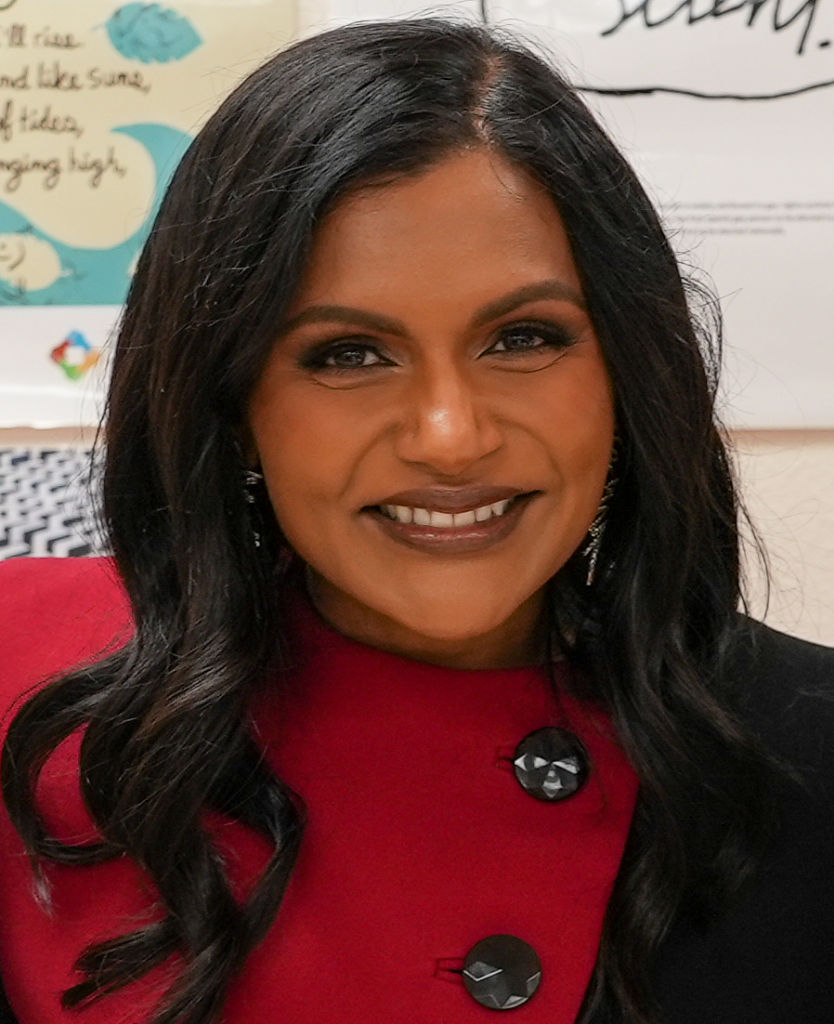
Mindy Kaling has spoken about shortening her name as a career choice made in an environment where people openly joked about mispronouncing it. As she said to NHPR, It’s a South Indian name, and it’s a long name. As a performer, these comedians would just butcher it. She added that it was a change that helped professionally, but still felt complicated: It’s bittersweet, but I have to say, it was such a help to my career to have a name that people could pronounce. Her comments reveal a common bind: the degree to which adapting to a room can create access while leaving a residue of loss. The benefit can be measured in work opportunities, but the cost sits in identity and memory.
6. Keanu Reeves
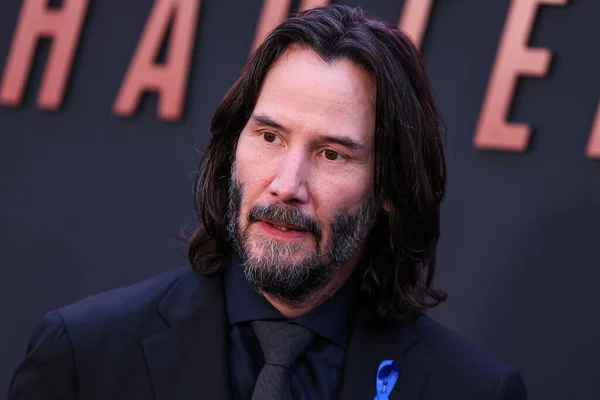
Keanu Reeves remembered that, upon arriving in Hollywood, some people told him his name sounded too ethnic. On the Smartless podcast, he described how he tested a couple of options himself that his agent nixed, including briefly settling on Casey Reeves, before backpedaling. Eventually, I went back to my agents, and I was like, ‘I can’t change my name.’ His story captures how quickly a name can become a test of belonging, particularly as marketability is used as code for comfort. The refusal might also suggest a boundary: even in an industry built on reinvention, there are limits on what some people are willing to trade for acceptance.
7. Jo Koy
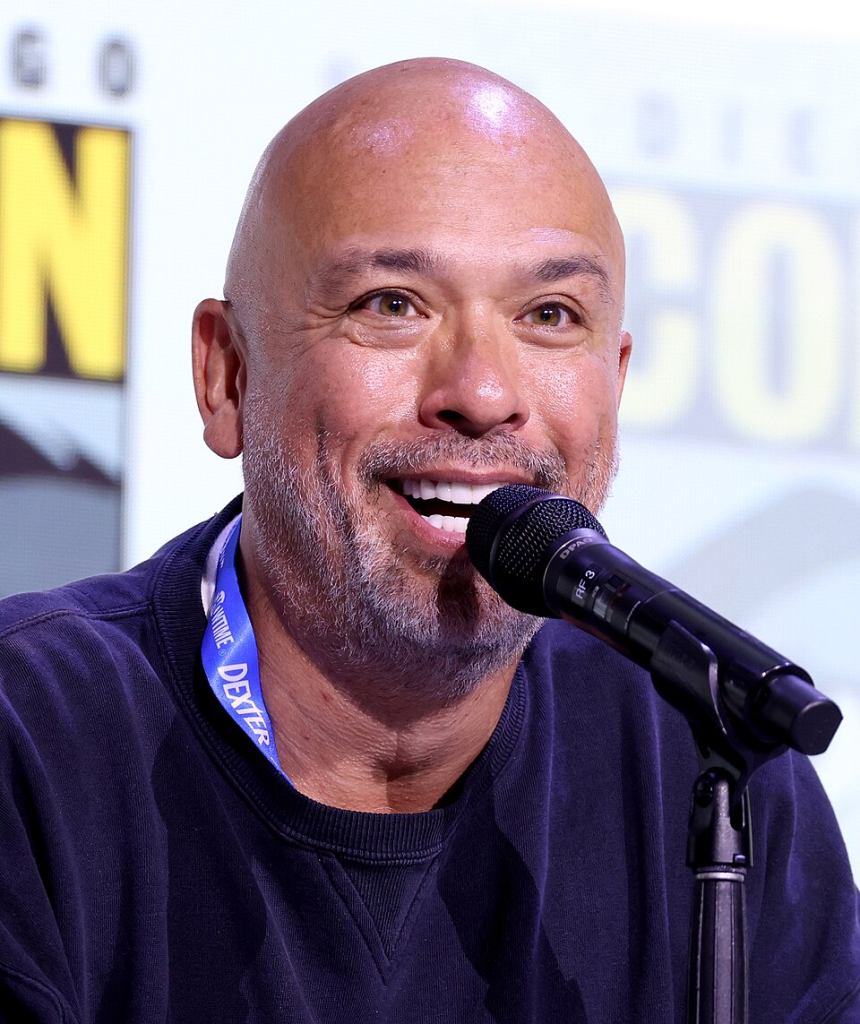
Jo Koy called his stage name a product of family language and affection. During his Netflix special In His Elements, he revealed that early in his stand-up career, audiences laughed at his name, and he considered changing it. Then an aunt called him over using a nickname that stuck: Jo Koy. He quoted their exchange: I go, ‘Then what do you call me?’ She goes, ‘I call you Jo ko. That is your nickname. Jo ko.’ He explained the meaning: In Tagalog, ko means my. My nickname is my Jo. Jo ko. The story reframes a stage name as something inherited through closeness, not invented to hide.

8. Maitreyi Ramakrishnan
Maitreyi Ramakrishnan has been vocal about why names are worthy of effort, not shortcuts. Obviously, Tamil names are super long. My entire full name-Maitreyi Ramakrishnan-I have 20 letters. I think one of the greatest disrespects you can do to a person is not put the effort into somebody’s name. Her point lands beyond entertainment: the difficulty of a name is often socially assigned, not linguistically true. The comment also clears up what respect looks like in practice-listening, repeating, and learning-rather than asking a person to shrink themselves to fit someone else’s comfort.

9. KJ Apa
KJ Apa’s stage name is a shortened version with familial significance. He explained to Jimmy Kimmel Live!, KJ is short for Keneti James, which is a Samoan name. I’m named after my father. This abbreviation works as public-facing simplification while preserving a direct link to heritage. It also speaks to a common compromise in entertainment: initials can be easier to remember and print, while still keeping a real name present underneath the brand. In this case, the stage name reads as compression rather than replacement.

10. Nicole Scherzinger
Nicole Scherzinger’s surname is not a stage invention, even if it often sounds like one. She was born Nicole Prascovia Elikolani Valiente, later taking the surname of her adoptive father when her mother remarried. As she explained to The Guardian, It’s a crazy name, Scherzinger. It comes from my adoptive father, and the Austrian translation is jokester. Her story has a lot to do with how real names can still be a product of life events in ways such as adoption, family change, and belonging. The name becomes a record of personal history as much as an identity marker in headlines.
11. Kal Penn
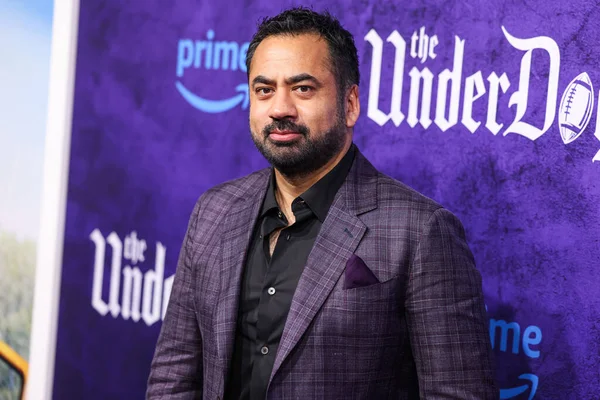
Kal Penn has spoken candidly about the career consequences of anglicizing a name. In 2008, he told Nirali Magazine that putting Kal Penn on his materials yielded a 50% increase in audition callbacks. It showed me that there really is such an amount of racism – not just overt, but subconscious as well, he said. His experience aligns with a more procedural reality in Hollywood: professional names are sometimes chosen not for artistry but because they clear administrative and social barriers. Beyond bias, there are also union mechanics that can influence naming decisions – including, most pertinently, the rule that SAG-AFTRA members cannot use an already-registered professional name. For many performers, naming becomes a mix of identity, opportunity, and paperwork.
12. Ke Huy Quan
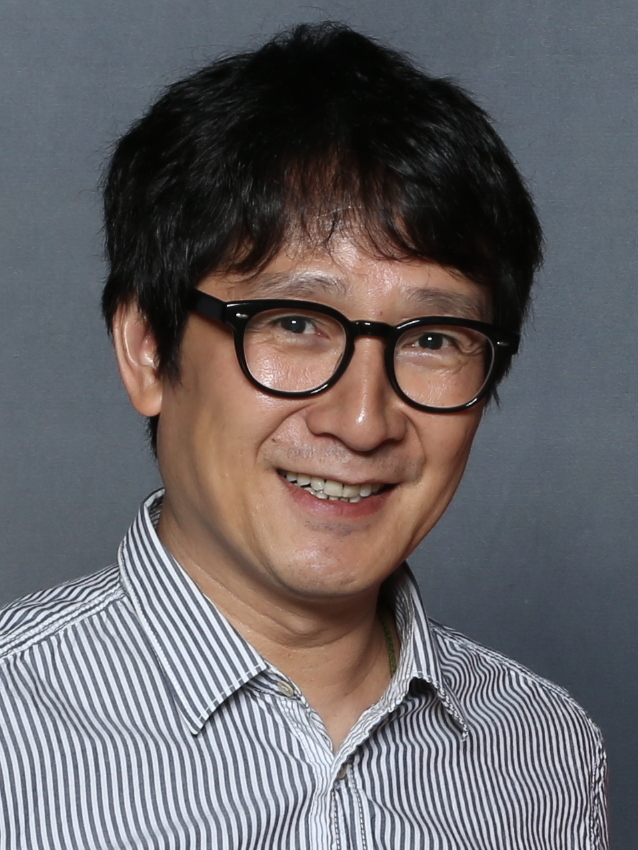
Ke Huy Quan referred to a moment in time when he used an American-sounding name as jobs became scarce and the shift back when he returned. Following his Oscar win for Everything Everywhere All at Once, he immediately told reporters he began using his real name but then chose Jonathan after a manager conveyed it could be easier. He said he was so desperate for a job that I would do anything. Having stepped away from acting, he explained that The very first thing that I wanted to do was to go back to my birth given name. The story reflects how names can become survival tools in unstable careers—and how returning to a birth name can feel like reclaiming the self that existed before the compromise.
13. Awkwafina
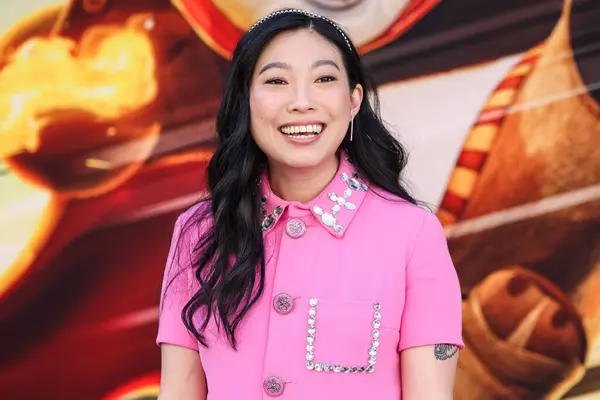
Awkwafina has referred to her stage name as a teenage invention that leaned into humor and memorability. She told Galore she created it at 16, inspired by product-name wordplay, and later changed the spelling to avoid legal trouble. My rap name was just Aquafina, she said, before explaining why it became extra in spelling. The tradeoff was immediate: But then, no one knows how to spell it. So, you know, it came back to bite me in the …. The candid line underlines a practical truth about branding: a distinctive name can be searchable and sticky, but uniqueness can also create everyday friction. Her broader career arc-moving from supporting roles to her award-winning turn in a Golden Globe win for Best Actress in a Drama-reveals the stage name did not limit her range, even if it complicated spelling.

14. Hasan Minhaj
Hasan Minhaj has revisited pronunciation as a personal and cultural line in the sand time and again. He said people told him early in comedy that he should change his name; he even spent two months using Sean to introduce himself at open mics before abandoning the idea. Later, he went viral correcting Ellen DeGeneres’s pronunciation of his name on her show, and framed the moment as a refusal to continue accommodating. As he put it in Patriot Act: You’ll have people who are like, ‘This is my Chinese name, this is my American name.’ But I’m like…’ Your name’s your name. His position echoes a larger argument: that the effort gap in pronunciation is cultural, not inevitable.

15. Bruno Mars
Bruno Mars has described his stage name as a blend of family nickname and personal image-making. In an interview with Rap-Up, he said Bruno came from being compared as a baby to wrestler Bruno Sammartino: I guess I was this chunky little baby, so my dad used to call me that as a nickname. He added that Mars arrived later as a way to add energy and identity: The Mars came up just because I felt like I didn’t have no pizzazz. In his case, the stage name is neither an escape from heritage nor a response to mispronunciation-it is a performance identity built from childhood language and adult ambition.
16. Jamie Chung
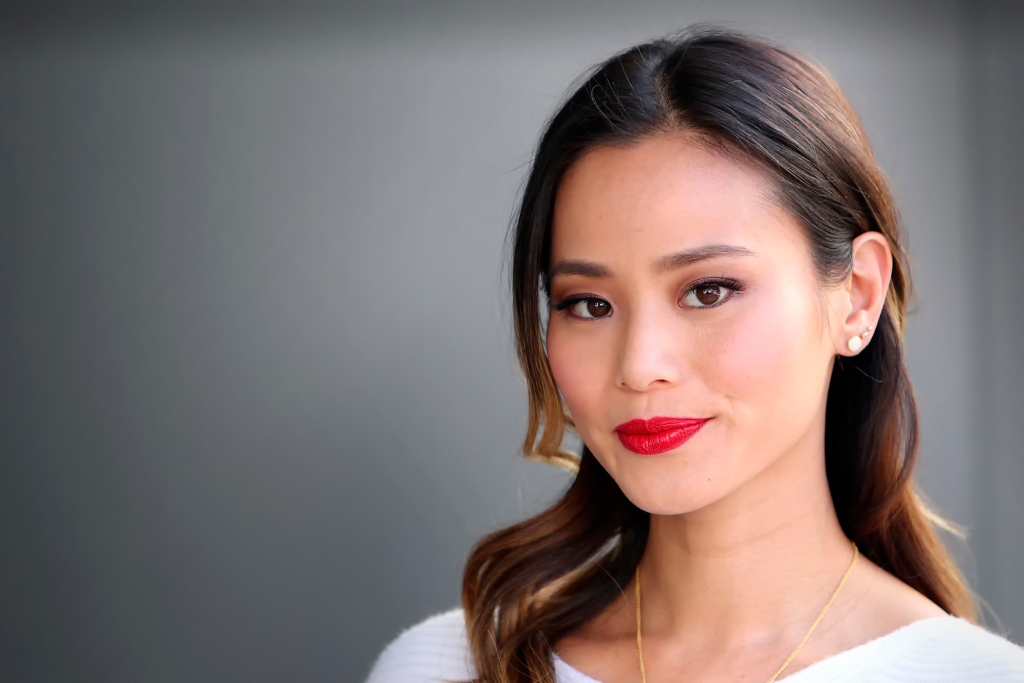
Jamie Chung has equated retaining her name with identity in a manner that reaches well beyond the bounds of entertainment. In an interview with Byrdie, she said, I can never hide my Asianness. But nor would I want to. Further, she denied that she had changed her last name even after marriage: I’ve been married for five years, and I won’t even change my last name! I’ll never do it. Her framing here treats the name as continuity-something carried across life stages rather than swapped for convenience. It also underscores how, for many people, the question is not whether a name is hard, but whether belonging requires constant editing.
These themes repeat, in different keys, across stories of work opportunity, belonging, family ties, and the daily calculus of when to explain, when to correct, and when to simplify. Some names are changed to open doors; others are retained to avoid closing off the self. For audiences, the tiniest takeaway is the most actionable: names are learned in the same way as anything else-by trying, listening, and repeating until respect becomes automatic.