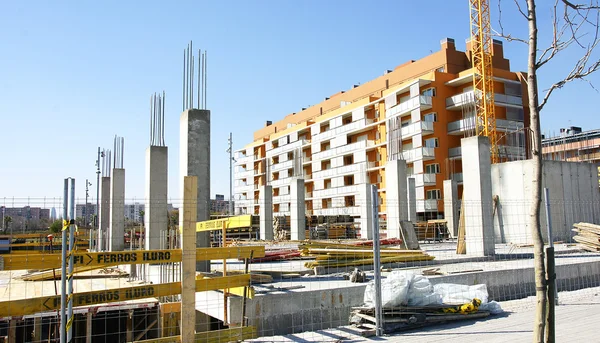
The sudden nature of a large construction-site fire often catches area residents by surprise, but the conditions that allow the flames to spread so quickly are many times inherent in the work phase itself-open framing, exposed voids, temporary power, and life-safety systems not yet online.
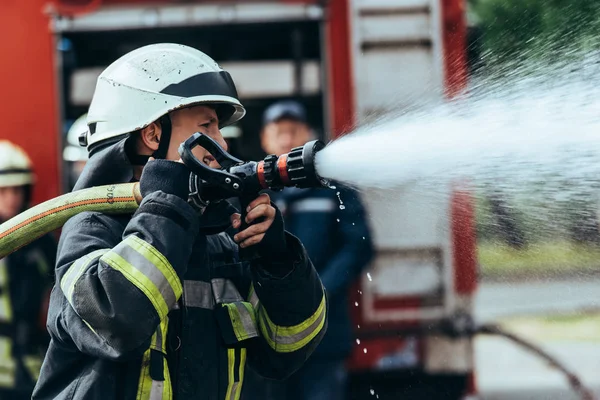
Meanwhile, Denver firefighters battled a five-alarm apartment-building fire in a wood-framed project covering about a city block. Evacuations took place and one firefighter injury was reported. Reports say crews remained on the scene for an extended suppression since pockets of heat remained well inside an unstable structure, while investigators could not safely get close enough to determine a cause.
For the communities, the wellbeing impact does not stop at the construction fence line. Smoke intrusion, overnight displacement and anxiety over exposure to nearby homes and businesses are the immediate stressors. Longer term, the episode puts a highlight on predictable vulnerabilities of buildings under construction-and the practical safeguards that reduce both fire growth and the demands placed on emergency responders.
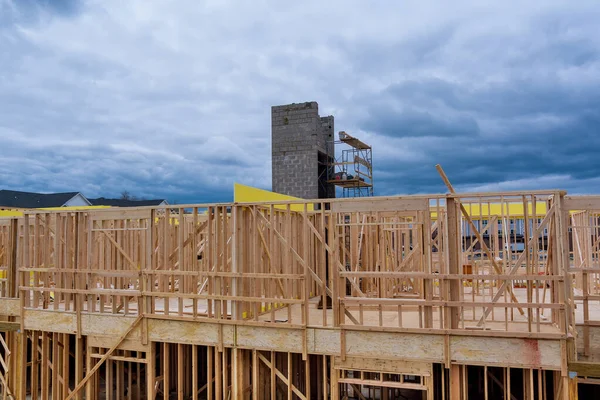
1. Fire spreads rapidly in unprotected wood framing
Although most multifamily projects depend on wood for its economic viability and availability, the exposed framing and sheathing can burn rapidly once a fire gets underway. Nationally, about 86 percent of multifamily buildings constructed between 2009 and 2016 used wood framing-a point of reminder in how common this construction type is.
During construction, the building is essentially “all fuel and airflow,” with large surface areas of wood exposed and a lack of compartmentation. On an early to mid-stage project, even the most basic fire slowing features sealed walls and protected shafts are not completed, so fire can spread along framing, through openings, and into concealed areas with reduced barriers
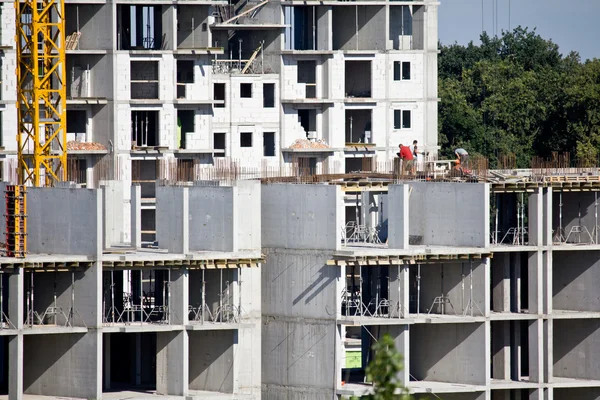
2. Drywall and sprinklers are typically absent when the danger is at its highest
Buildings can be most vulnerable before drywall is installed, and before sprinkler systems are commissioned. In the Denver incident, fire officials noted the structure did not yet have drywall to slow spread and was not yet outfitted with sprinklers. That combination removes two of the most dependable “speed bumps” for fire: compartmentation and automatic suppression.
This relates to both the research and code discussions identifying the same problem: the stage of plentiful combustible materials coincides with the stage of incomplete permanent protection. This mismatch is a contributor to large-loss potential, especially when a fire grows undetected, even for a short period.
3. Off-hour detection and security can determine how big the loss becomes
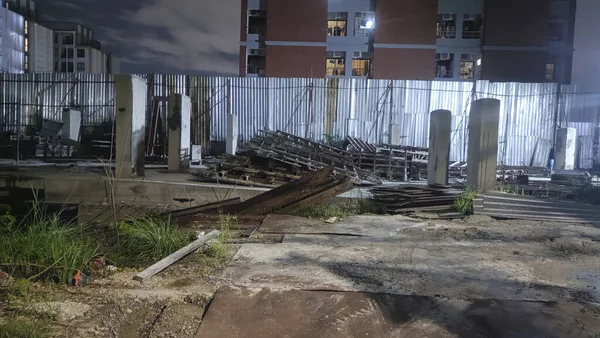
Construction sites are ever-changing from day to day, yet nights and early morning hours continue to be a persistent vulnerability. While fires in buildings under construction do happen less often at night, according to national fire data, those that do occur between midnight and 6 a.m. account for 51 percent of the direct property damage. With fewer workers, slower discovery, and delayed suppression, a small ignition can become a major incident.
Codes have begun to respond by codifying the fire watch requirements for combustible projects. Among the changes highlighted by one fire-safety code analysis in that regard is that manned security is always required for Large Wood Frame projects under the referenced 2022 edition framework discussed, which again points toward site control and early notification.
4. Temporary power, heating and “work-arounds” can be significant ignition pathways
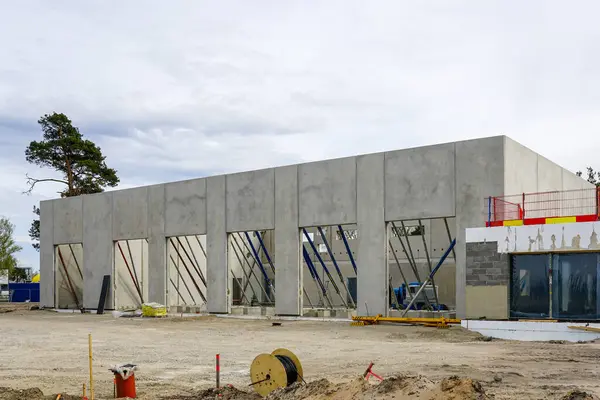
Construction power is inherently temporary: extension cords, temporary panels, portable lighting, and moving loads. NFPA research identifies electrical distribution and lighting equipment as a disproportionately costly source of construction fires, and it also flags heating equipment and hot work as other major recurring contributors.
On active sites, small choices add up: where heaters are placed, how cords are routed, whether charging stations are supervised, and whether combustibles stored are with clearance from heat sources. The same NFPA analysis identifies “heat sources too close to combustible materials” and “electrical failures or malfunctions” as leading factors contributing to ignition, reinforcing how often preventable conditions align.
5. A defensive firefighting posture is common due to a rapidly increasing collapse risk
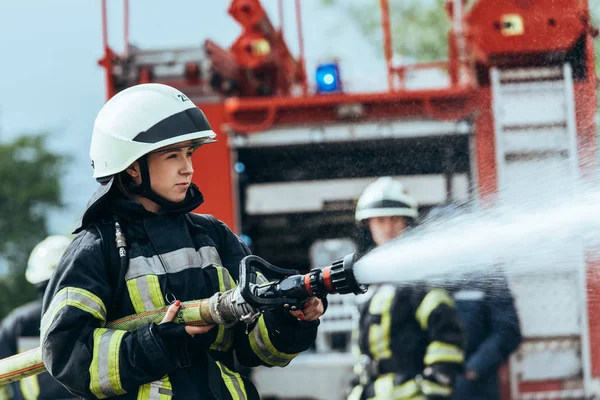
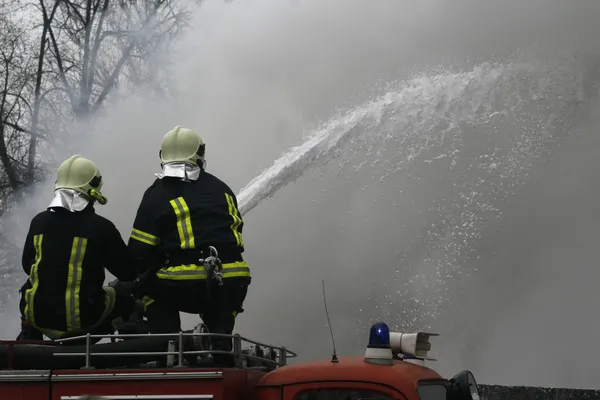
Even when flames are largely confined to a property boundary, firefighters often have little option but to work from the outside for protection. Authorities in Denver said they went into “defensive mode,” fighting from outside because the amount of fire and heat inside rendered entry into interior areas too perilous and because partial collapses occurred as the fire moved.
This is not only a matter of tactical preference but is also a result of light-weight and incomplete structural assemblies that may fail sooner under fire exposure. When firefighters need to stay out, extinguishment can take longer, water must reach hidden fire through debris and voids, and hot spots can persist for hours or days increasing community disruption and smoke impacts.

6. Smoke exposure and displacement become a public health issue, rather than an issue of property alone
For neighbors, the most immediate damage can be the air itself. During the Denver fire, residents were advised to stay indoors because of air quality concerns, and several families utilized an overnight shelter after evacuations and power disruptions. Even when flames do not reach adjacent homes, heat, particulates, and odour can impact daily routines – sleep, child care, and the capability to safely ventilate a home.
These impacts also ripple into schools, community centers, and small businesses-especially if the streets remain closed and the site is continuing to smolder. The wellbeing burden is often measured in missed work, stress, and uncertainty about when normal life resumes.
7. Investigation and overhaul are hindered if the scene is unsafe to enter
After a significant construction fire, the public’s questions often revolve around one thing: cause. But unstable debris and hidden burning can postpone answers. In Denver, investigators reported that instability kept them out of the structure, while firefighters remained behind to monitor and suppress deep-seated hot spots. Fire investigation guidance underlines that overhaul the work of finding and extinguishing hidden fire directly impacts origin and cause determinations. “Overhaul is the stage at which fire suppression and fire investigation interface,” Mark Wallace and Dr. John DeHaan said in a detailed review of postfire practice, noting the way a scene is managed can both preserve and destroy evidence.
In cases where risk of collapse prevents entry, both the extinguishment timeline and investigative timeline can stretch, extending community disruption. Construction fires are not rare outliers. NFPA research estimates U.S. fire departments respond to an average of 4,440 fires in structures under construction each year – a small share of overall structure fires, yet with substantial property damage.
They all share one underlying factor: timing and exposure, not mystery, are the common threads to large incidents; combustible framing, incomplete protection, and limited overnight detection. When projects and municipalities align around site security, safer temporary utilities, clear housekeeping, and earlier activation of suppression features where feasible, the benefits extend beyond the job site to the surrounding neighborhood’s safety and peace of mind.