

“Every American who wants to eat a donut ought to be able to eat it or drink a Coke,” Health and Human Services Secretary Robert F. Kennedy Jr. said in early 2025. “But the federal taxpayer should not be paying to poison our children. We’re going to end that.”
Starting in 2026, SNAP shoppers in more states will face new “restricted item” rules that could block certain purchases on an EBT card. These changes come from state waivers approved by the U.S. Department of Agriculture’s Food and Nutrition Service, with rules varying significantly from state to state.
What seems straightforward on paper blocking soda or candy becomes complicated in practice. States define “soft drinks,” “sweetened beverages,” and “candy” differently. Some waivers even extend to prepared desserts or other categories related to state tax codes. Retailers must translate those definitions into filters in their point-of-sale systems, including for some online orders, before customers reach the register.

1. Five states start right away: a January checkout shift
Indiana, Iowa, Nebraska, Utah, and West Virginia will begin enforcing their waivers on January 1, 2026. This will represent the first set of in-store changes. The restrictions vary even within this group, which is important for shoppers traveling across state lines and for retailers operating in multiple states.
Indiana focuses on soft drinks and candy. Nebraska targets soda and energy drinks. Utah and West Virginia focus on soda or soft drinks. Iowa takes a broader approach, using an “all taxable food items” framework that can affect candy, many sweetened drinks, certain vitamins and minerals, chewing gum, and other items depending on how they are classified under the state’s sales tax rules.
One estimate from researchers tracking the rollout suggests about 1.4 million people will be affected in January across the first five states.

2. The “soda” question: similar words, different definitions
Most state waivers begin with soft drinks or soda, but the specific meaning can change based on how each state defines the category. In some states, “soft drinks” can include sweetened bottled teas, lemonades, flavored waters with sweeteners, and other drinks beyond carbonated soda.
For example, in Colorado’s waiver materials, “soda” is defined as containing carbonated water plus sweeteners and flavorings while explicitly excluding plain or naturally flavored carbonated water and beverages with over 50% juice by volume. These definitions are crucial, as the restriction is enforced at the scanning stage, not by the cashier’s judgment.
For SNAP households, the practical experience can involve an item being declined with little explanation beyond “not eligible,” especially early on in the rollout when signage and product lists lag behind the rule.
3. Candy bans can reach beyond “candy bars”
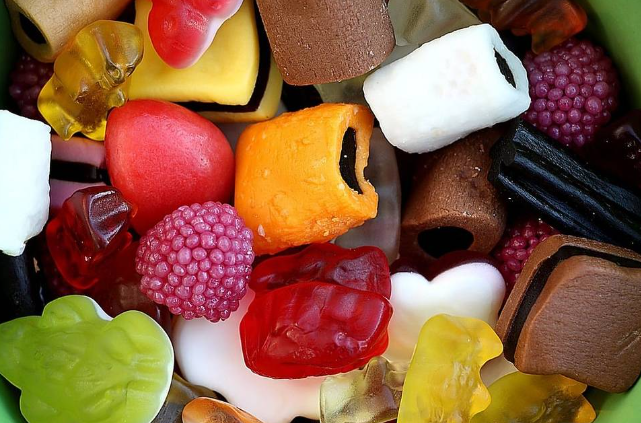
Several waivers restrict candy, but “candy” can include more than shoppers expect. Definitions often depend on how a product is formulated and marketed, rather than whether it appears to be a dessert. Some state definitions also encompass chewing gum and other sweet items.
In Iowa’s approach, the restriction links back to what is taxable, which can include candy-coated items and certain sweetened snack products that people do not typically think of as “candy.” This can create confusion as it shifts the rule from recognizable categories (like “soda”) to a tax logic that shoppers do not usually see while browsing.
Anti-hunger advocates have warned that lists shared with households may not be detailed enough for practical shopping decisions. In one widely shared critique, it was noted, “The items list does not provide enough specific information” to help participants shop confidently.
4. Iowa’s taxable-items model: when “prepared” becomes complicated
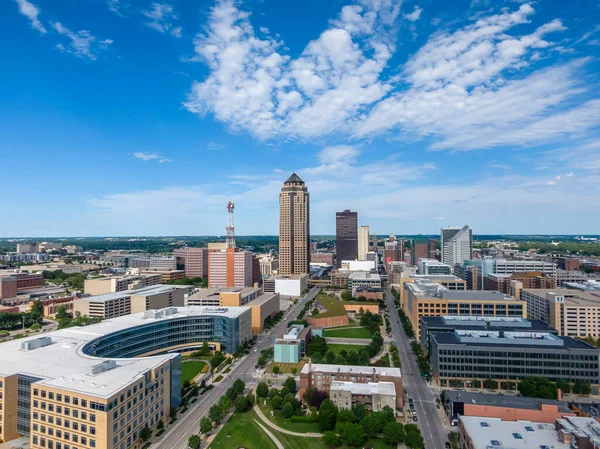
Iowa’s waiver is notable because it uses the state’s sales-tax rules to dictate what is allowed, which can include categories beyond soda and candy. This model also highlights a gray area: prepared foods.
For shoppers, the term “prepared” often suggests hot foods, which are already excluded under existing SNAP rules. However, Iowa’s framework can depend on factors like how an item is packaged, whether utensils are included, whether the store has eating areas, and how foods are priced (by weight or by unit). This level of detail can be hard to navigate while waiting in line. Advocates and local stakeholders have pointed out the risk of uncomfortable checkout situations, especially when a shopper realizes an item is ineligible only after it has been scanned.
Iowa officials have stated that seeds and food-producing plants remain eligible, even though those items can be taxable, adding further complexity that does not neatly align with a “taxable equals banned” assumption.

5. Energy drinks: a separate category in several waivers
Not all states consider energy drinks to be “soda.” Some waivers define them separately using caffeine thresholds or marketing-based definitions, while excluding coffee, tea, or sports drinks in certain cases.
Colorado defines energy drinks as beverages containing at least 65 milligrams of caffeine per eight fluid ounces that are marketed to boost mental or physical energy. Coffee and tea are excluded. Nebraska, Louisiana, North Dakota, and South Carolina also explicitly list energy drinks in their restrictions.
For retailers, the challenge is that “energy drink” does not always depend on simple ingredient testing; it may require mapping categories at the UPC level. Products that blur the lines like caffeinated sodas, “energy” teas, or new hybrid beverages can create tricky cases that lead to customer complaints and staff uncertainty.
6. Retail enforcement: POS updates, online orders, and a federal compliance clock
States set the rules, but retailers handle most of the day-to-day enforcement through point-of-sale systems. The USDA has emphasized that stores located in a waiver state must comply for all SNAP transactions, including some online orders filled from warehouses that must follow the rules of the shopper’s EBT card state.
A USDA compliance memo outlines a 90-day grace period after each waiver starts before investigators begin tracking restricted-item purchase attempts for compliance. After that, failure to comply can lead to escalating consequences, including warning letters and potential removal from SNAP authorization after repeated infractions.
Retail industry groups estimate the technology and operational burden is significant. One analysis shared among trade organizations projected $1.6 billion in initial costs and $759 million in ongoing annual costs for retailers to implement these restrictions efficiently.
7. What research says: purchases can change, health outcomes are less certain
The goal of this policy is to improve nutrition, but the evidence is varied depending on what is measured. A 2024 systematic review of seven studies found that restricting sugar-sweetened beverages in SNAP was linked to decreases in beverage purchases or consumption across all the studies, most reporting significant reductions.
However, researchers and public health experts have pointed out that lower soda purchases in a benefit program do not automatically mean better overall diet quality. Households often use SNAP benefits along with other income, so a restricted item can still be bought with cash. As a result, the overall dietary change may be less significant than a simple “ban” headline would suggest.
As waivers are rolled out in more states, each state must evaluate the effects, while retailers and state agencies gather data to understand how shopping habits shift under real constraints and prices.
8. The 2026 state map: 18 states, staggered dates
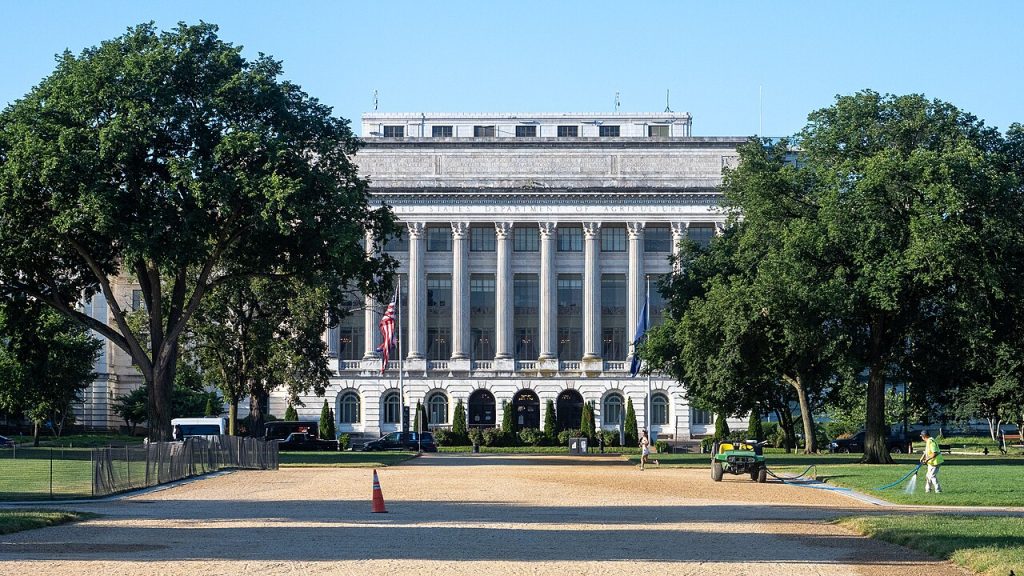
The USDA has approved waivers for 18 states to implement restrictions at different times in 2026. After the January group, other start dates occur in February (including Idaho, Louisiana, and Oklahoma), March (Colorado), April (including Texas, Virginia, and Florida), July (including Arkansas and Tennessee), August (including Hawaii and South Carolina), September (North Dakota), and October (Missouri).
Although many states focus on soda and candy, the specifics differ: some specify “sweetened beverages,” some include prepared desserts, and others use broader categories like processed foods or taxable foods. For families, the key takeaway is that an item approved in one state may be denied in another sometimes even when the product seems nearly identical on the shelf. Retailers and advocates have repeatedly highlighted the need for clear, product-specific guidance so shoppers are not learning the rules at the register.
For SNAP households, the most immediate change in 2026 is not about nutrition but the transactions themselves: certain items will be denied, and the reason may not be obvious without good communication in stores. For retailers, this change is a systems challenge that must be addressed as products evolve, definitions change, and more states implement different rules.
As these restrictions roll out throughout the year, everyday experiences will depend on how well states define categories, how quickly these rules are implemented into UPC filters, and whether shoppers receive helpful information before they shop not after an item is denied.


