
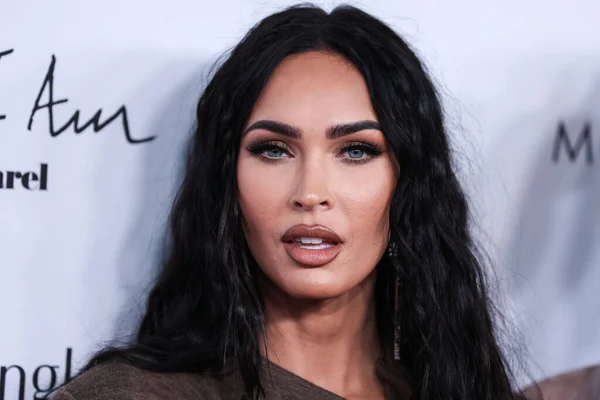
What does it take for Hollywood to decide a woman has become too complicated to keep on the call sheet? When it actually happens, the industry’s off-switch never resembles a single button. It usually arrives as a swarm: a social-media pile-on that makes casting a form of risk management, a reputation label that spreads more quickly than any publicist can contain, a studio relationship that cools overnight, or an older, quieter mechanism that once had a formal name-blacklisting-and now works through whispers and contracts.
Across decades, the details change, but the pattern repeats-a moment of public controversy becomes a professional bottleneck, and the performer’s talent has to compete with the story being told about her. These actresses sit at different points on the fame spectrum-sitcom anchors, blockbuster faces, Oscar winners, pop icons-but their cancellation arcs reveal the same basic truth about entertainment as a workplace: perception can be treated as a business expense, and reputations can be depreciated.
1. Roseanne Barr
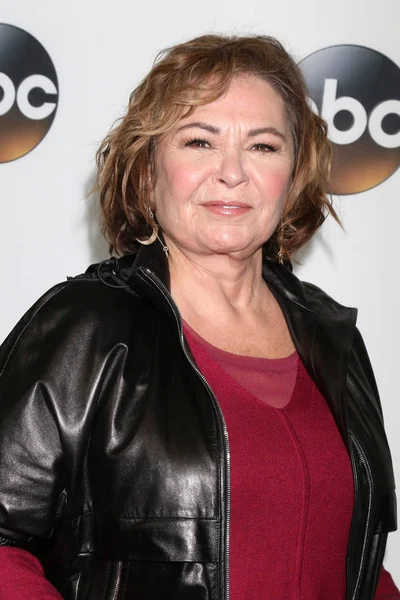
Roseanne Barr’s career changed direction at warp speed after a controversial social media post sparked her firing from the Roseanne revival. The move didn’t just write out a series star; the network axed the hit sitcom and reconceived its universe as The Conners sans her. The swiftness of the rebranding became part of the cultural story, with Barr functioning as a case study in how suddenly the centrality of a star can be designed out of a franchise. After the split, Barr’s work moved outside mainstream television pipelines and into independent projects and public appearances. The afterlife of the scandal also revealed a new dynamic: a controversy can end a relationship with a network but at the same time create a durable personal brand elsewhere, sustained by attention that does not depend on studio approval.

2. Gina Carano
Gina Carano’s departure from The Mandalorian came after a spate of social media posts that brought on backlash and severed her relationship with Lucasfilm. Her character, Cara Dune, had been positioned to be a popular addition to the Star Wars universe, which made the professional break feel especially decisive to fans who had expected long-term franchise expansion. Carano responded by suing Disney on grounds of unfair treatment over her beliefs. In 2024, Disney and Lucasfilm settled a lawsuit from Gina Carano; the terms of the settlement were not disclosed. Her trajectory shows how cancellation can migrate from cultural argument into formal employment conflict-less about a single role, more about the policies and boundaries that define who gets to remain brand-safe.
3. Katherine Heigl
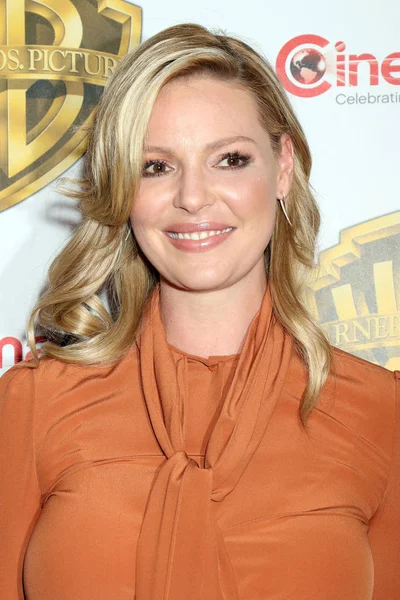
Katherine Heigl’s downfall did not come with a criminal case or a single viral post; it came through the slow burn of being labeled difficult. Publicly criticizing writing on Grey’s Anatomy, then speaking negatively about aspects of Knocked Up, created an image of an actress who would not play the gratitude game, even when the checks were large and the spotlight was flattering. The result was a decided downturn in major offerings during the peak years when momentum typically compounds. Heigl rebuilt her visibility through television, including Suits and Firefly Lane, while addressing, too, the sticky reputational shorthand that can follow women for years in a way it rarely does men. Her story underlines a uniquely Hollywood math: a comment can be treated like a character flaw, and a character flaw can be treated like a casting problem.
4. Megan Fox
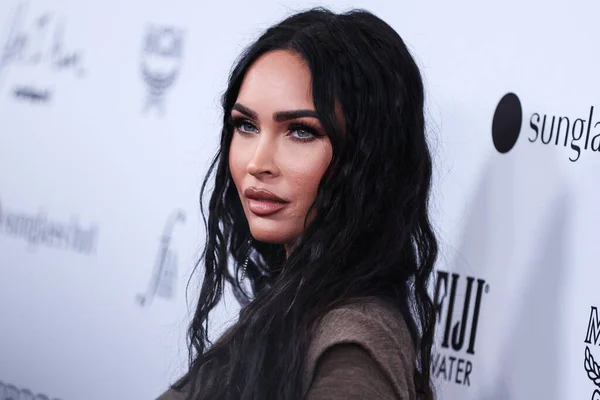
Megan Fox’s franchise ascent stalled after she criticized director Michael Bay during Transformers promotion. The reported blowback reached the executive level, and she was replaced in the third installment-an abrupt shift for an actress who had been marketed as a defining face of the series. For a number of years, Fox’s work leaned more independent than blockbuster, a pivot that read less like a creative choice and more like a narrowed lane. Years later, she and Bay collaborated again on Teenage Mutant Ninja Turtles films – proof that Hollywood grudges can thaw when a project’s incentives are aligned properly. Her arc captures a workplace reality often obscured by the red carpet: the wrong quote can be framed as insubordination, and insubordination can be punished through casting.
5. Winona Ryder
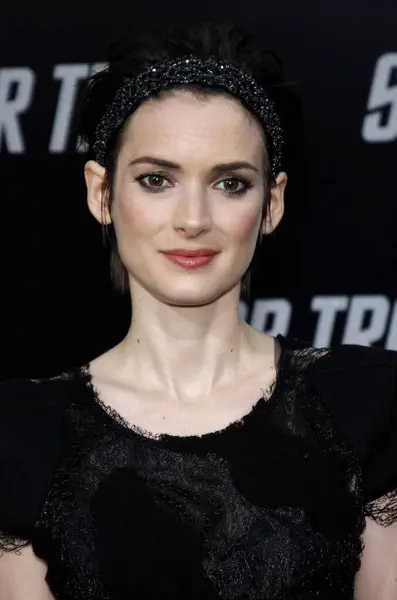
The Winona Ryder early-2000s shoplifting case became a professional freeze. Media coverage of the incident swallowed up the earlier narrative-the beloved filmography, the critical esteem-and industry hesitation followed, including practical concerns such as insurance. Hollywood doesn’t just judge; it calculates. A performer can become a line item that looks unpredictable on paper, and unpredictability is treated as cost. Ryder’s resurrection came years later, with Stranger Things, in which she was returned to the culture via a role that challenged audiences to care about her again, rather than simply to talk about her. The comeback exemplified one of the defining characteristics of cancellation cycles: the public can be reacquainted with a performer if the right project comes along, but the schedule is seldom left up to the performer herself.
6. Mo’Nique
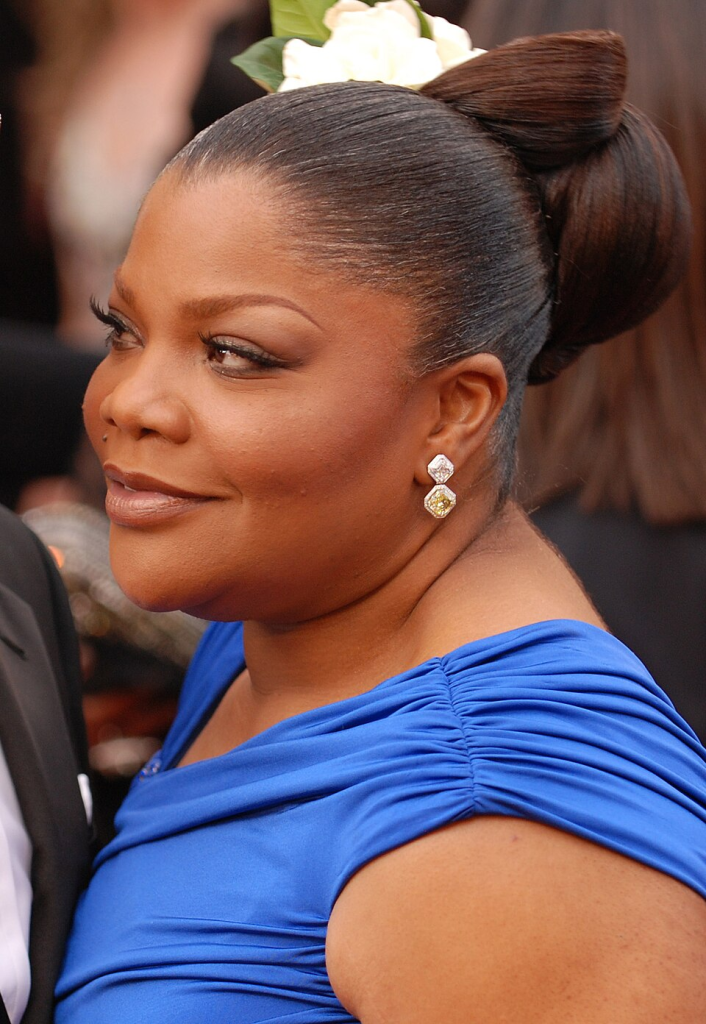
The Mo’Nique cancellation narrative centers as much around economics as optics. When she claimed, post-Precious Oscar win, that she was blackballed, she made an argument that her refusal to unpaid promotion, and to speak of compensation, contributed to the dearth of major studio offers. Her position moved the conversation away from trophies and toward pay structures who profits, who gets informed, who gets to negotiate. In a highly publicized interview, she declared that she received $50,000 upfront from her role and called out the industry for pay cheques and the unequal wages. Her comments also tied personal career setbacks to a broader pattern about how Black women’s labor is valued. The cancellation in this case appears less like scandal management than the punishment that can follow the refusal of a business norm.
7. Janet Jackson
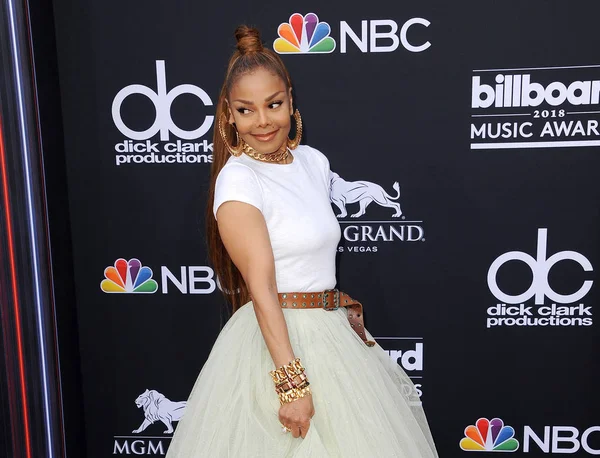
The backlash against Janet Jackson following her Super Bowl halftime wardrobe malfunction perhaps remains one of the clearest examples of asymmetric consequences within pop culture. She faced barriers across music and television spaces exclusions from award shows, reduced video play whereas her male co-performer’s career absorbed very little damage. The result was a cooling mechanism that reshaped her visibility, not just a period of bad press: Her legacy has been revised over time, and the incident is often referred to as a cultural marker of double standards in accountability. In Jackson’s case, cancellation was gatekeeping: it meant the removal of access, the reduction of platforms, and allowing time to do the rest.
8. Tippi Hedren
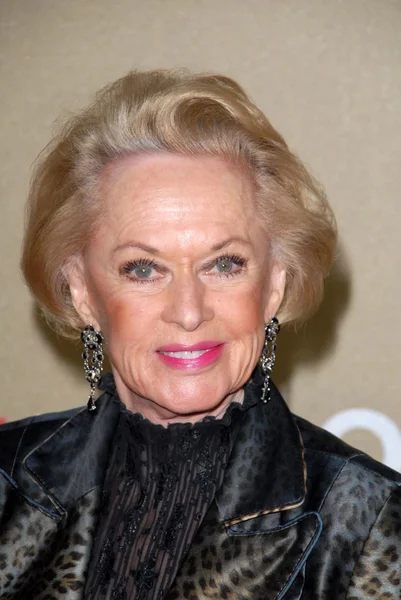
Tippi Hedren’s story falls into the darker archive of Hollywood control, in which power was once written into contracts and applied with threats. Hedren alleged Alfred Hitchcock sexually harassed her. He retaliated, she said, when she rebuffed him-including, she has written, by threatening her career. He promised, I’ll ruin your career. She also described how, under contract, her opportunities narrowed-less about public outrage than private restriction. The lasting relevance is not only in what happened to her personally but in what her account reveals about older studio ecosystems: cancellation could be administered quietly, by one powerful person, sans hashtags or headlines, and it could still be effective.
9. Anne Hathaway
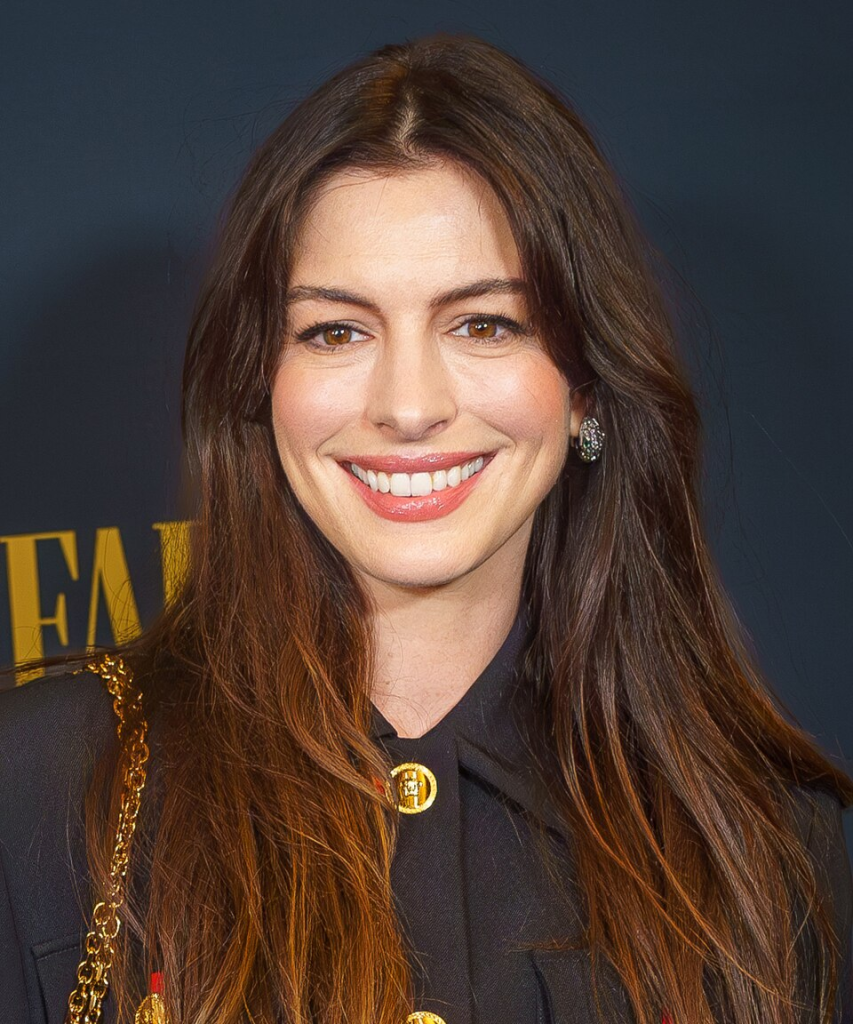
Anne Hathaway’s so-called Hathahate period probably illustrates how cancellation can be weirdly content-free: not driven by a crime, or a single offensive remark, but by audience irritation metastasizing into a meme. Hathaway later described the professional consequence in blunt terms: A lot of people wouldn’t give me roles, because they were so concerned about how toxic my identity had become online, she told Vanity Fair. She credited the role in Christopher Nolan’s Interstellar with helping keep her momentum from collapsing. Her experience also highlights how online climates can shape offline employment decisions, even when the controversy is essentially an attitude-too eager, too polished, too present. As Hathaway put it in the same interview: Humiliation is such a rough thing to go through. The key is to not let it close you down.
It is a cancellation story built from vibes, yet it produced real labor-market effects. Taken together, these arcs demonstrate how Hollywood’s attempts to cancel women often rely on the same familiar levers: reputation labels, contract power, moral panic, or financial gatekeeping. Sometimes the industry course-corrects; sometimes it just quietly moves on. The through-line is less about the single scandal than about who controls the narrative-and how quickly that becomes a hiring decision. The most revealing detail for audiences is less the moment of fallout than the mechanism: who had the authority to cut access, to what was that justified, and how long it took before the performer could be seen as other than a problem.


