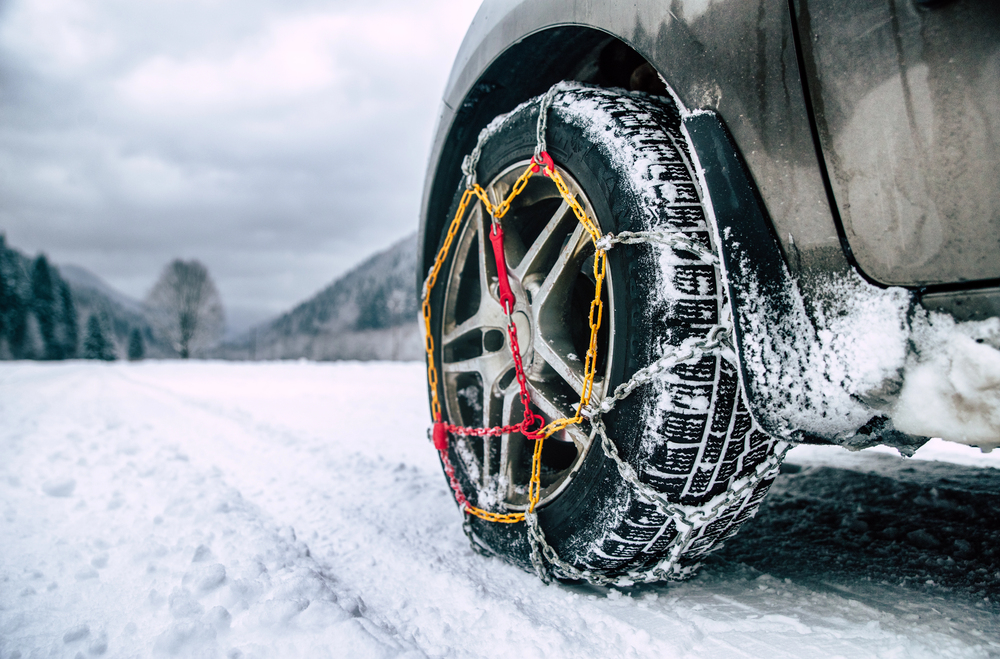
Almost everyone knows that the snow can change winter travel rules. But they also do so much more than that. Where people actually drive & how city governments manage roads can also change, depending on how quickly situations transform. NOAA’s Climate Prediction Center has a running hazards outlook that shows where winter risks are highest. Here are seven American metro areas that are likely to be in danger from changing winter travel rules.
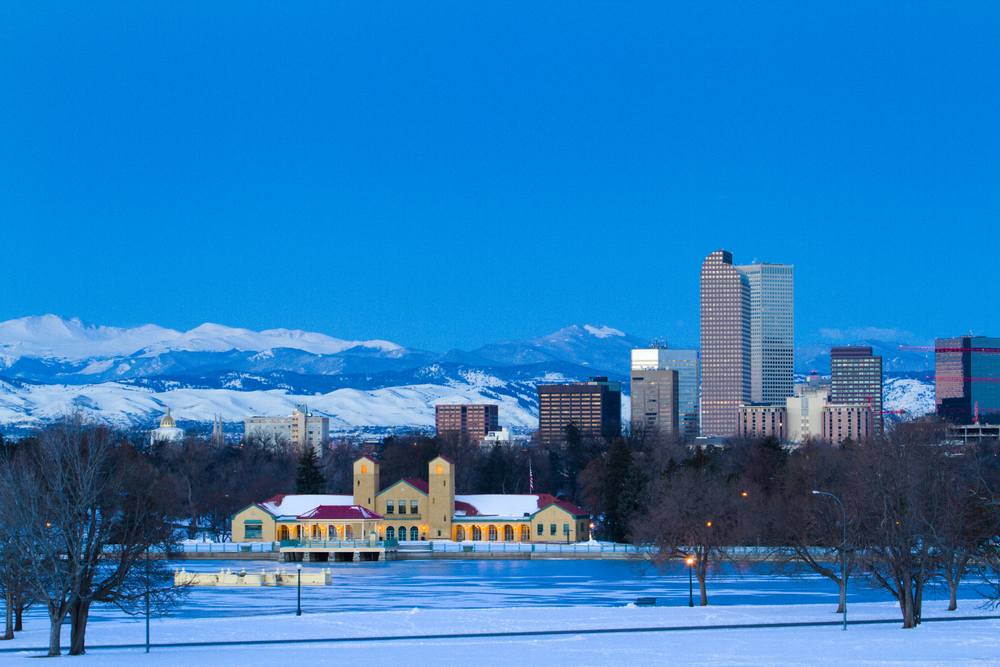
1. Denver-Aurora-Lakewood, CO
One of the areas most at risk of snow is Denver. Winter travel rules in the city get rather complicated the moment you leave the metro grid & go to the west, along the I-70 mountain corridor. The I-70 falls under the state’s Passenger Vehicle Traction Law from September to May, so drivers have to use snow tires & chains on posted sections. They may also have to use certain traction devices when conditions become serious enough. Elevation changes rather quickly west of the metro, and the Traction Law may cover quite a large area.
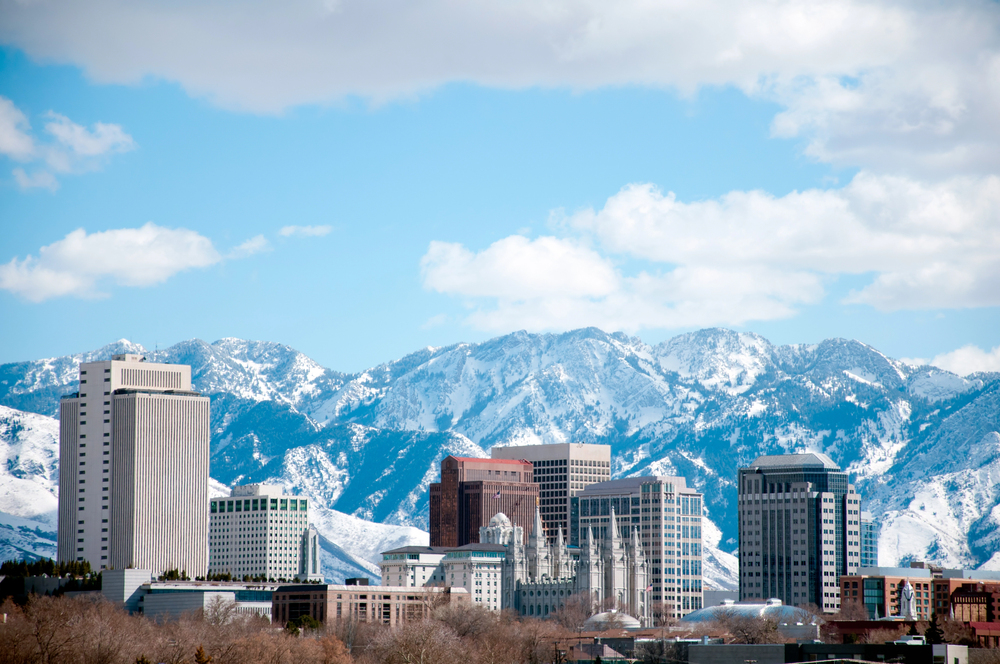
2. Salt Lake City, UT
The biggest issues for winter travel in Salt Lake City come from access to the canyons, rather than the total amount of snowfall across the city. The state’s Department of Transportation posts requirements for drivers to put traction devices on their vehicles on routes including Parleys Canyon & Big Cottonwood Canyon. These rules are usually enforced when storms get worse. It doesn’t matter how the streets of Salt Lake City appear because the signs, rather than depth, are what count here.
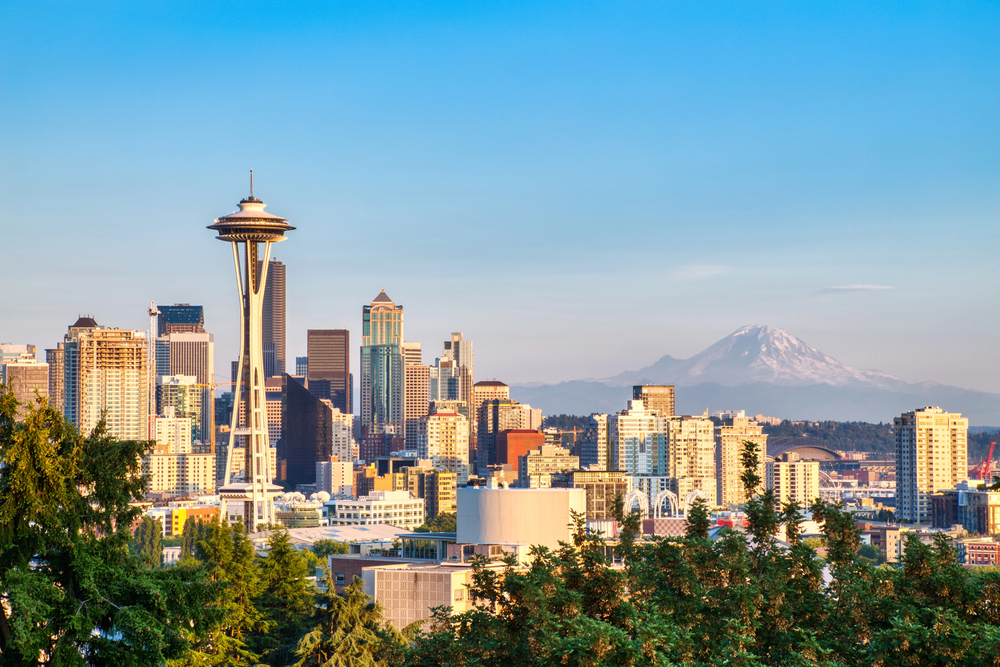
3. Seattle-Tacoma-Bellevue, WA
The rule changes in Seattle are primarily due to travel along the mountain pass. Washington State’s Department of Transportation frequently forces drivers to put chains on their cars between places like Snoqualmie Pass. Even all-wheel drive (AWD) vehicles have to carry chains when the signs read “chains required.” Extreme conditions can cause these rules to change quite often, and officials usually update them pass-by-pass. Regional changes aren’t as common.
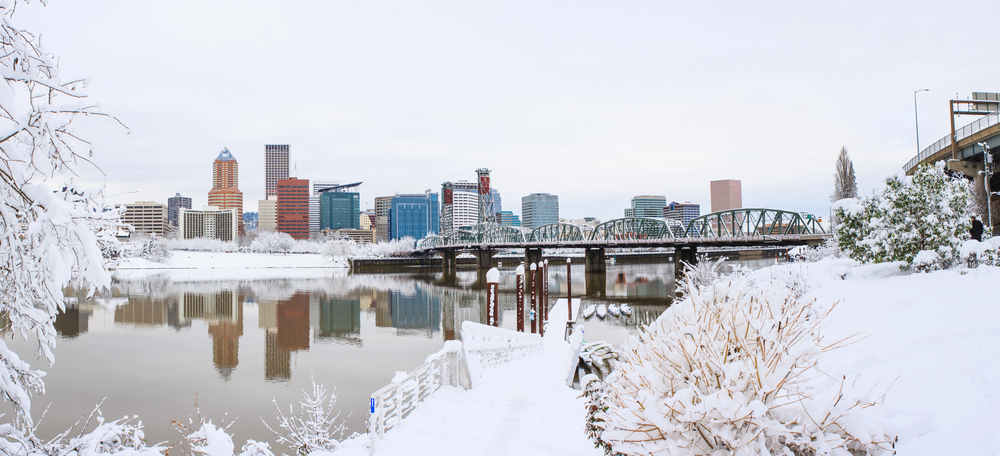
4. Portland-Vancouver-Hillsboro, OR
You’ll likely have to deal with changes to the rules as soon as you hit the designated snow zones in Oregon. The state government has chain requirements for these areas, although they may still allow traction tires in a few cases. But the government does occasionally require users to use chains when there are conditional closures. It really depends on how heavy your vehicle is and whether or not you’re towing anything.
5. San Francisco-Oakland-Berkeley, CA
Caltrans has chain controls that may change quickly once you head towards the Sierra Nevada and out of the Bay Area. Reports from the San Francisco Chronicle suggest that there are many storm systems coming in early January. These might bring serious snowy conditions. The chain controls use an R-1, R-2 & R-3 system. The system especially affects the I-80 over Donner Pass, and vehicles with snow tires might also have to carry chains. You’ll find officials enforcing such controls at checkpoints.
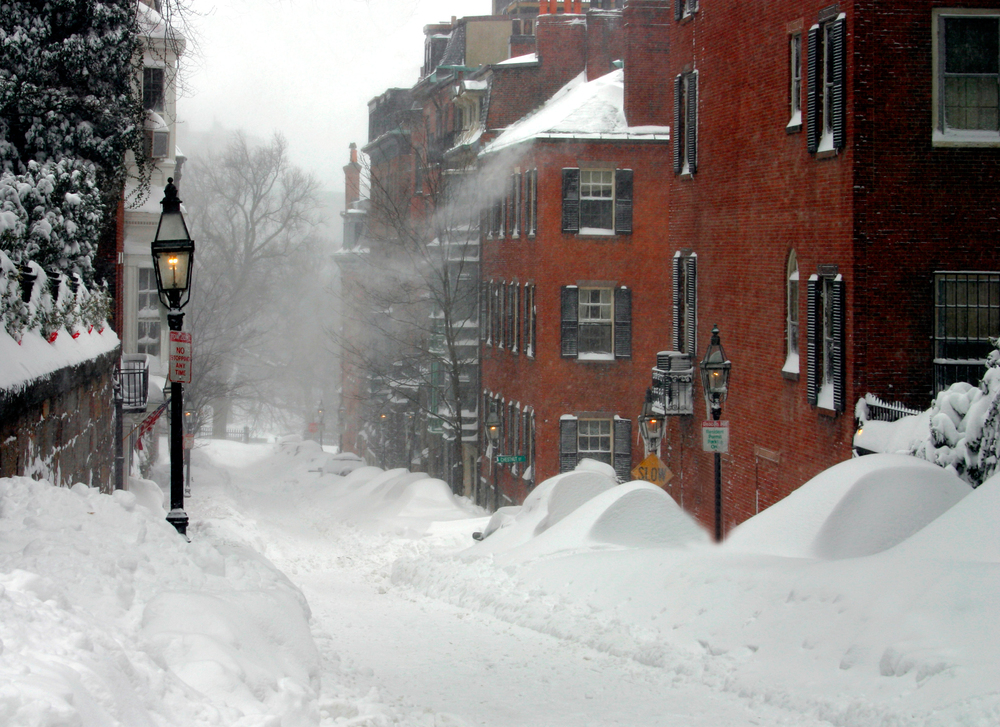
6. Boston-Cambridge-Newton, MA
Snow emergencies cause winter travel rules to change relatively quickly in the Boston area. But such rules involve more than simply tracks on tires, as parking is also banned on certain snow emergency routes. It’s meant to allow plows to move more easily. The City of Boston has a map of which streets are affected, and any vehicle left in these areas may be towed. Make sure your vehicle is nowhere near them when that happens.
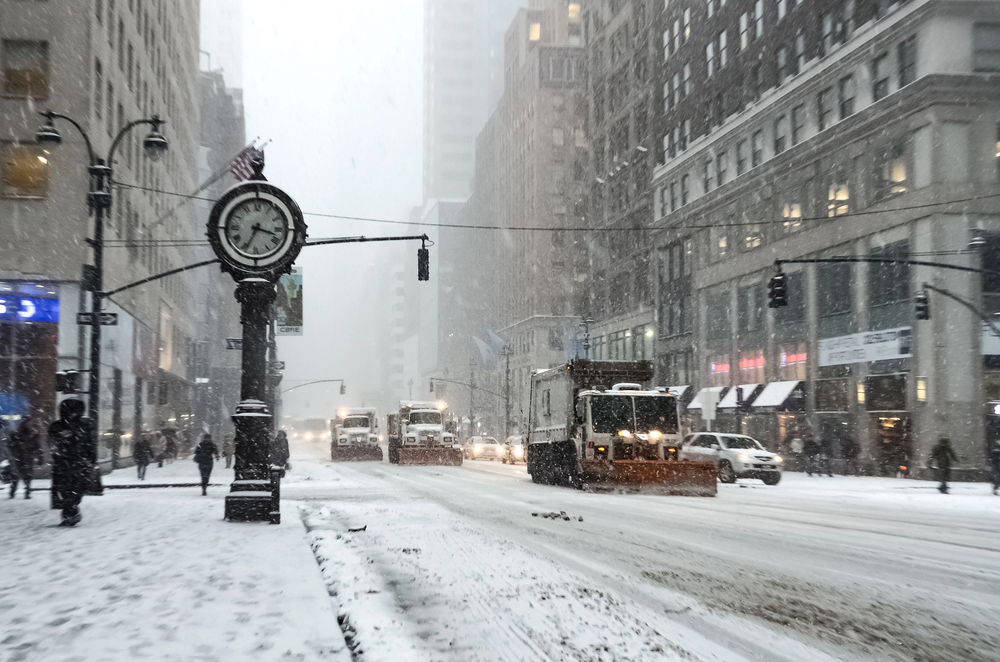
7. New York-Newark-Jersey City, NY-NJ-PA
The rules in Boston are almost the same in parts of New York City. NYC’s Department of Transportation has rules banning people from parking in snow emergency routes. However, it takes things one step further as, according to NYC311, certain alternate-side parking rules are sometimes also suspended or reinstated. It depends entirely on how the storm behaves. Anyone in the local area should keep an eye on any upcoming operational decisions to make sure they’re not caught off guard.
One thing to remember is that the snowfall totals across these areas aren’t as important as the conditional infrastructure rules. The disruption from winter hazards tends to happen at a local level. Each area’s Department of Transportation has rules ready to enforce at a moment’s notice, and you may want to stay up-to-date regarding which rules are coming next.