Sometimes the loudest moment on a set is the one that never gets filmed: a performer stopping, setting the pages down, and deciding that the joke isn’t worth the cost. Across TV, film, and animation, walk-offs, resignations, and refusals have become a kind of informal safety rail for representation especially when scripts lean on racist or homophobic punchlines, or when casting choices flatten lived experience into a “type.” The stories below show how those lines get drawn in real time, sometimes quietly and sometimes with a full public reckoning.

1. Dave Chappelle and the “pixies” sketch moment
During the third season of Chappelle’s Show, Dave Chappelle walked away from a deal widely reported at the time as worth $50 million. The break point, as he has described it, centered on a sketch involving pixies and the feeling that the laughter it sparked on set was not landing as satire. A crew member’s reaction registered as enjoyment of a racial stereotype rather than discomfort with it, and that mismatch between intent and reception pushed Chappelle to reassess the responsibility attached to his material. The departure became one of the most cited examples of a creator exiting a hit at its commercial peak over what the jokes were doing in the world, not merely what they were “supposed” to mean.

2. John Amos challenging the “Good Times” direction
John Amos’ conflict on Good Times was less about one line than about a creative drift he believed was turning a working-class Black family into a carousel of easy caricature. He repeatedly objected to scripts that prioritized broad buffoonery especially around J.J. at the expense of dignity, and the friction ultimately ended with his removal from the series. The arc sits inside a wider historical context in which Good Times pushed prime-time into more socially charged terrain while also drawing criticism for stereotyping, a tension detailed in retrospectives on the show’s production controversy. Amos later framed his resistance as protective: a refusal to normalize humiliation as comedy, particularly when the characters were positioned as role models for audiences with few alternatives on network television.

3. Esther Rolle leaving for a season to demand more respect
Esther Rolle’s stand on Good Times placed a veteran actor in direct conflict with the economics of a sitcom built around a breakout catchphrase. Rolle objected to the “minstrel-like” tilt she saw in the writing and left for a season rather than continue under those terms. Her return came only after promises of rebalancing: more focus on the parents and less emphasis on one-note clowning. In a landscape where actors especially Black actors held limited sway in writers’ rooms, Rolle’s departure functioned as both protest and negotiation, insisting that the family’s interior life mattered as much as the punchline.

4. Angela Kinsey refusing a homophobic line on “The Office”
On The Office, Angela Kinsey declined to deliver a line she believed would read as hurtful and homophobic toward Oscar. Rather than playing it as “just the character,” she took the concern to showrunner Greg Daniels and argued that her character could be judgmental without punching down in a way that felt rooted in religious intolerance. The outcome was unusually clean: the writers removed the joke. The episode stands out because it shows a third option beyond walk-off or compliance an on-set correction that treats harm as editable, not inevitable.

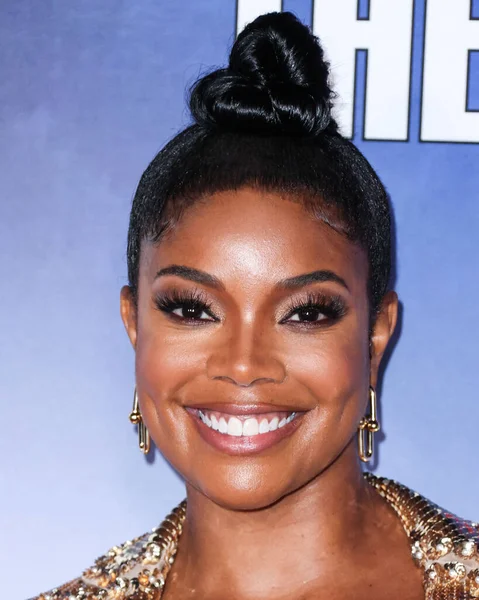
5. Gabrielle Union and the cost of reporting racist jokes in unscripted TV
Gabrielle Union’s experience as a judge on America’s Got Talent highlighted how “workplace culture” can turn representation into a risk rather than a win. Union raised concerns about a racist joke attributed to guest judge Jay Leno and urged that it be handled through proper channels. Her contract was not renewed after she reported what she described as a toxic environment. In the wellbeing language of any workplace, the story lands as a caution about systems that encourage speaking up while failing to protect the speaker especially when the production hierarchy is diffuse and accountability is unclear.
6. A Native American cast walk-off over “Ridiculous Six” stereotypes
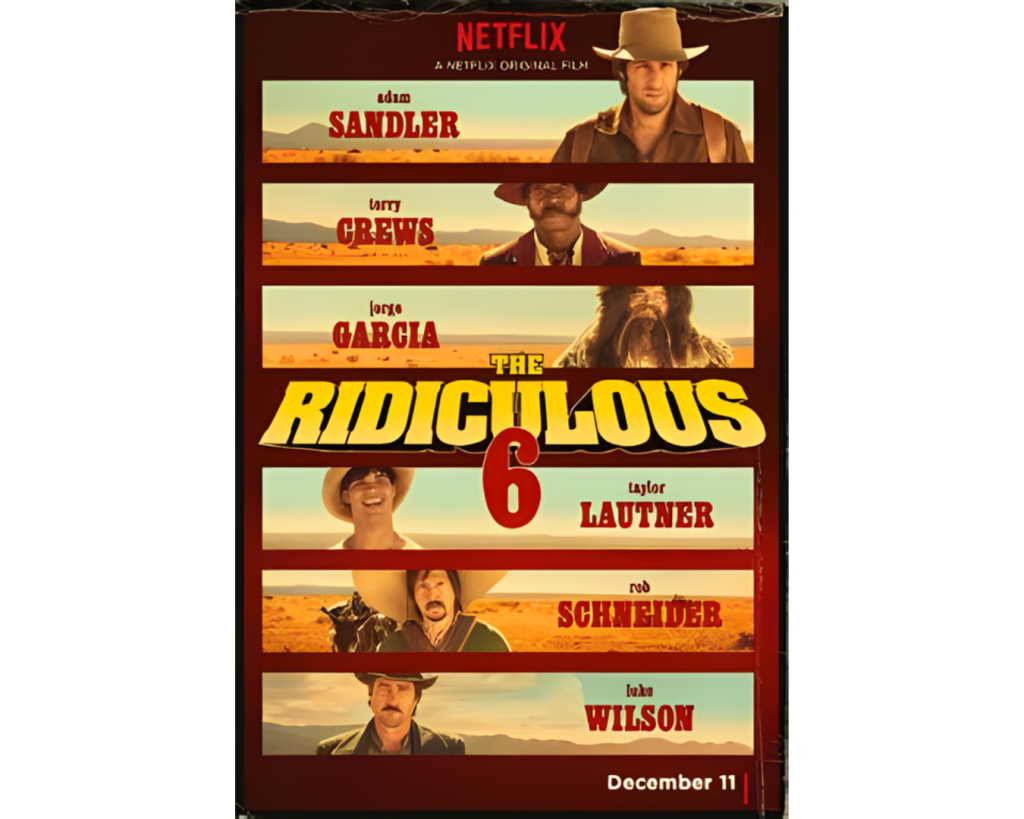
On the set of Adam Sandler’s The Ridiculous Six, about a dozen Native American actors and actresses walked off after objecting to racially charged jokes and inaccuracies. Reports at the time cited offensive character names and costumes that did not match the tribal identities being portrayed, along with complaints that concerns were dismissed rather than addressed. One actor, Loren Anthony, told Indian Country Today, “They just treated us as if we should just be on the side,” and another performer, Allison Young, recalled being told, “If you guys are so sensitive, you should leave.” The incident remains a stark snapshot of how “it’s a comedy” can become a shield for sidelining lived experience and why refusal is sometimes the only leverage available to day players and supporting performers.

7. Daniel Dae Kim and Grace Park walking away from pay inequity
Daniel Dae Kim and Grace Park leaving Hawaii Five-0 put a different kind of disrespect on the table: not a joke in the script, but a valuation in the contract. The pair sought parity with their white co-stars and exited when that gap held. Kim’s public statement framed the choice as difficult but principled, and he emphasized how rare it was to get the chance to play a well-developed character as an Asian American actor. The dispute has been widely revisited as an example of what pay parity negotiations reveal about whose presence is treated as essential to a long-running franchise.

8. Voice actors stepping down as animation confronts “who gets to play whom”
Animation’s reckoning has often arrived through departures rather than cancellations. Hank Azaria stepping back from voicing Apu after listening to how the character affected South Asian audiences, Mike Henry leaving Cleveland on Family Guy, and Jenny Slate requesting replacement on Big Mouth all pushed the same point: “colorblind” voice casting carried real-world consequences. Industry shifts followed, including a policy change that non-white characters should no longer be voiced by white actors on The Simpsons. The pattern is notable for what it models public acknowledgment, a concrete change in labor practice, and an attempt to widen opportunity without requiring the harmed community to keep explaining why a stereotype hurts.

9. Trans casting backlash prompting high-profile withdrawals
When Scarlett Johansson withdrew from Rub & Tug after backlash over her being cast as a transgender man, she later summarized the learning curve bluntly: “In hindsight, I mishandled that situation.” The episode became a widely referenced case of how representation conversations can shift a production’s trajectory and how a defensive first response can deepen the harm. Halle Berry later pulled out of a role in which she would have played a transgender man as well, acknowledging that the part should go to a trans actor. In both cases, the withdrawals signaled a narrowing tolerance for “transformative” casting arguments when they come at the expense of a group that already struggles to access leading roles.
Taken together, these moments show that boundary-setting in entertainment rarely looks like one dramatic speech. It looks like a rewritten line, a contract left unsigned, a voice role handed over, or a set that suddenly has fewer bodies on it than the call sheet promised. The consistent thread is not scandal; it is decision-making under pressure where dignity, safety, and truthful portrayal become conditions of work, not optional extras.