

In Hollywood, representation does not only live on-screen; it also lives on posters, in character pitches, and in the way studios decide who gets centered. For some performers, the breaking point has arrived not during a take, but in the machinery surrounding it: a role reframed into a stereotype, a face minimized for a market, a “creative” rationale that quietly redraws the boundaries of belonging.
These departures span decades and formats blockbusters, animation, prestige TV, and legacy superhero worlds. What links them is a shared refusal to be used as an accessory to marketing logic that treats race as a risk factor instead of a reality.
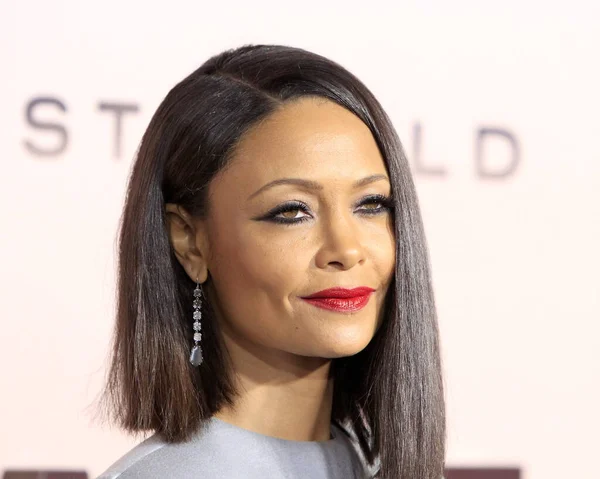
1. Thandiwe Newton and the “Charlie’s Angels” pitch meeting
Thandiwe Newton exited negotiations for the 2000 “Charlie’s Angels” reboot after a studio meeting in which she said the character and proposed marketing leaned on racial stereotyping and objectification. The issue, as she described it, was not a minor note but a concept: a “sexy” framing built around her body and a character arc mapped to caricature. The decision to walk away underscored how early-stage positioning before scripts lock and cameras roll can set the tone for how an actor’s identity will be packaged to audiences.
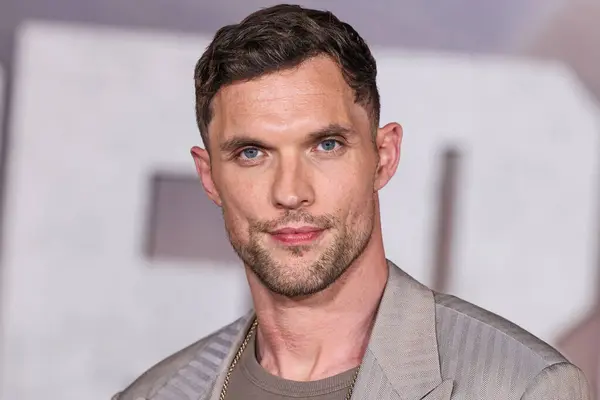
2. Ed Skrein stepping down from “Hellboy” over whitewashing
When Ed Skrein was cast as Major Ben Daimio in 2019’s “Hellboy,” backlash followed because the character is Japanese in the comics. Skrein stepped aside, citing the larger cost of normalizing whitewashing and allowing marketing to sell “authenticity” without authentic casting. The role was later recast with Daniel Dae Kim, turning a contested casting choice into a public correction rather than a quiet rewrite.

3. John Boyega and being minimized in the “Star Wars” image
John Boyega later distanced himself from “Star Wars” after criticizing how his character Finn was handled creatively and in publicity, including the international poster controversy where he appeared smaller on a Chinese promotional poster. For Boyega, the problem extended past one graphic: he said the franchise marketed him as a core lead but did not protect that promise when faced with racist backlash, leaving the work and the performer exposed.
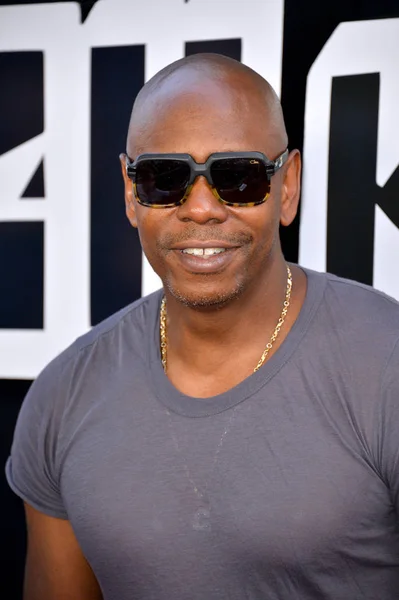
4. Dave Chappelle walking away from “Chappelle’s Show”
Dave Chappelle’s exit from “Chappelle’s Show,” despite a reported $50 million deal, became a cultural shorthand for refusing to let satire be repurposed as stereotype. He described a moment when laughter on set made him feel the work was being received in a socially irresponsible way less critique, more reinforcement. In his telling, the show’s success began to feel like a machine producing the very images it meant to undermine.
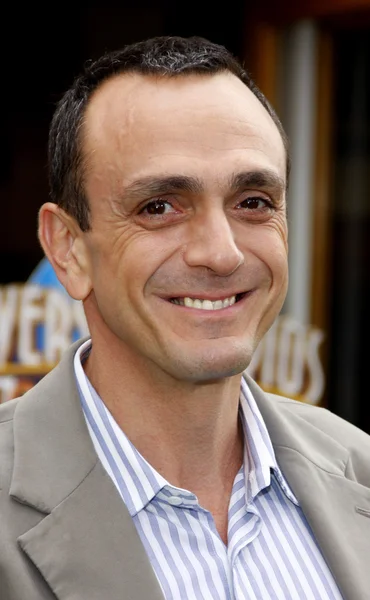
5. Hank Azaria and the long shadow of Apu
After decades voicing Apu on “The Simpsons,” Hank Azaria stepped away as scrutiny grew around the character’s stereotyping. A later conversation on NPR’s Code Switch captured the emotional aftermath, including Azaria telling Hari Kondabolu: “I was really freaked out,” while reflecting on why he avoided earlier public dialogue. The shift also aligned with broader animation commitments, including the show’s stated intent to stop having white actors voice non-white characters.
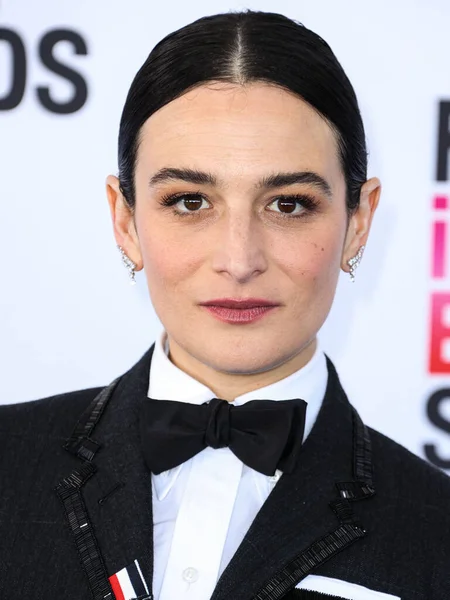
6. Jenny Slate leaving “Big Mouth” to open the role to a Black actor
Jenny Slate asked to be replaced as Missy on “Big Mouth,” saying the character should be voiced by a Black actor. The move landed during a wider recalibration in animation, when multiple series pledged to change voice casting practices within days. In this kind of correction, the headline is often about who exits; the deeper story is about how long it took for “default” decisions to be treated as choices with consequences.

7. Kristen Bell departing “Central Park” amid industry recasting
Kristen Bell stepped down from voicing Molly on Apple TV+’s “Central Park,” with the production team deciding to recast the biracial character. Bell publicly framed the change as a matter of specificity, writing: “Casting a mixed race character w/a white actress undermines the specificity of the mixed race & Black American experience.” The decision placed voice work often treated as “invisible” squarely inside the representation conversation.
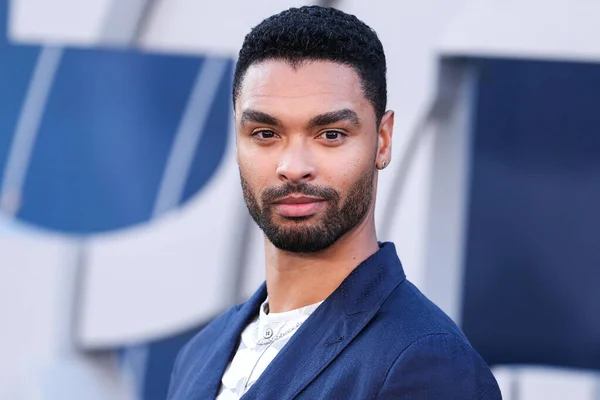
8. Regé-Jean Page and the “Black grandfather” barrier
Regé-Jean Page addressed reports that he lost out on a role in “Krypton” after feedback tied to race, writing: “Hearing about these conversations hurts no less now than it did back then… Still we do the work. We still fly.” The incident is frequently cited because it shows how “legacy” branding can be used as a gatekeeping tool an argument that representation is incompatible with continuity, even when the project is already built on reinvention.
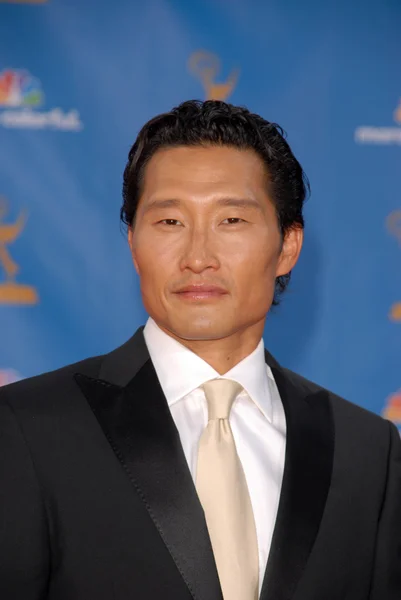
9. Daniel Dae Kim and Grace Park leaving “Hawaii Five-0” over pay equality
Daniel Dae Kim and Grace Park exited “Hawaii Five-0” after contract talks that they framed around parity with white co-stars. Kim wrote that “the path to equality is rarely easy,” a line that turned a private negotiation into a public values statement. CBS responded that it offered “large and significant salary increases,” yet the impasse spotlighted a familiar disconnect: franchises can market an ensemble as essential while valuing its faces unequally behind the scenes.
Across these stories, the point of tension is rarely a single offensive moment in isolation. It is the cumulative effect of decisions casting, characterization, publicity, and compensation working together to signal who is allowed to be central.
For audiences, the most revealing details are often the smallest: a face shrunk on a poster, a character pitch built on stereotype, a “continuity” argument that only ever runs in one direction.


