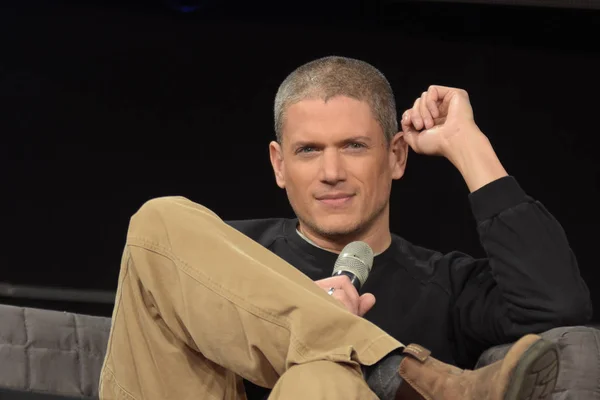
How does an actor sell the fantasy of a swaggering straight heartthrob while protecting a private life that doesn’t match the script? Hollywood’s romantic archetypes have always come with strings attached: fan expectations, studio-era image control, and a long tradition of treating “leading man” as a narrow brand instead of a job. The tension shows up most sharply in performers who became famous for playing womanizers then later came out as gay, bisexual, or queer, sometimes mid-hit and sometimes decades after the credits rolled.
Their stories aren’t interchangeable. Some navigated old-school contract culture and carefully managed publicity; others came out in public-facing statements that also doubled as boundary-setting; still others used creative work to explain what “mask-wearing” felt like from the inside. Together, they underline a simple reality: on-screen desire is performance, and privacy is often survival.
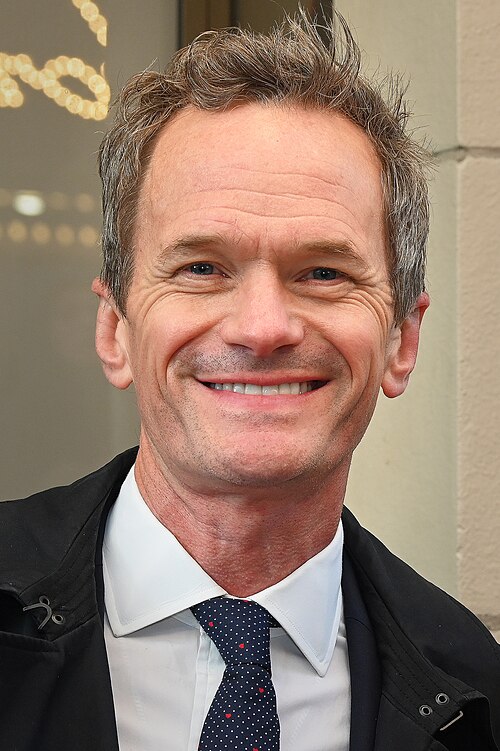
1. Neil Patrick Harris
Neil Patrick Harris spent nine seasons making Barney Stinson a pop-culture shorthand for commitment-phobia and pickup artistry on “How I Met Your Mother.” The whiplash factor came from how convincingly he played it: the catchphrases, the suits, the elaborate seduction “plays.” A major piece of the story is timing Harris came out as gay in 2006 while the sitcom’s early seasons were still building his character into a phenomenon, turning his performance into a case study in how completely an actor can separate identity from persona. The contrast also reframed his earlier “Doogie Howser, M.D.” image for audiences who remembered him as television’s clean-cut prodigy before the later, knowingly raunchier reinvention.
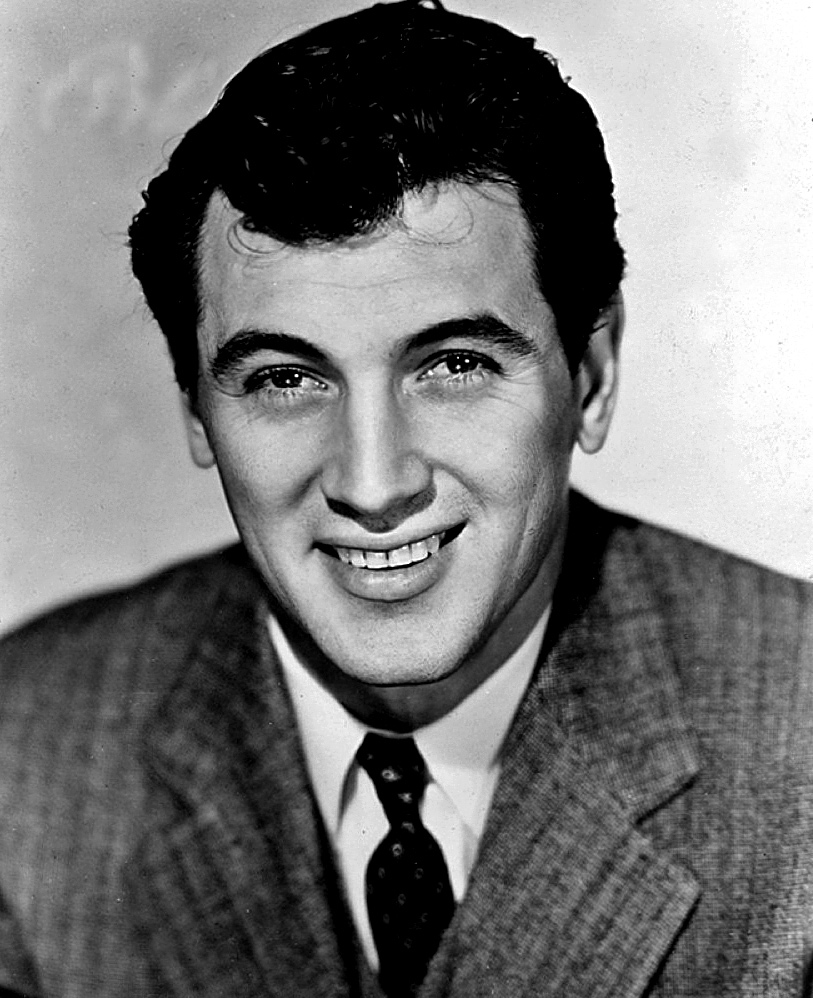
2. Rock Hudson
Rock Hudson’s brand was the mid-century ideal: tall, charming, and repeatedly cast as the romantic lead especially in glossy comedies opposite Doris Day where he played a bachelor who could be “tamed” by love. Behind the scenes, the era’s machinery mattered as much as the roles. Studio pressure and reputation management shaped careers, and “lavender marriages” were used as camouflage in an industry governed by morality clauses and box-office fears, including “lavender marriages” discussed by screen-studies historians. Hudson’s later public association with AIDS shifted how mainstream audiences processed his image and the cultural stakes of secrecy, linking one star’s private life to a broader reckoning about stigma and visibility.
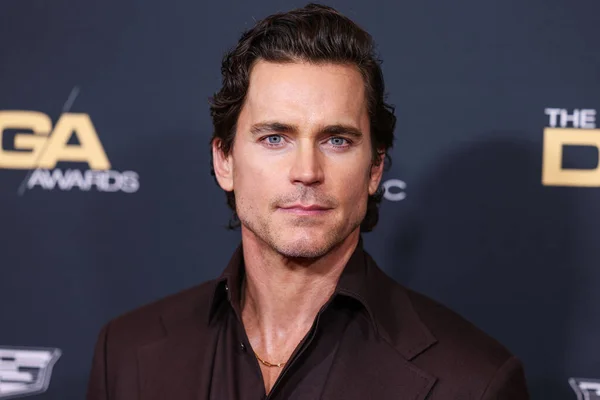
3. Matt Bomer
As Neal Caffrey on “White Collar,” Matt Bomer weaponized charm as a plot engine: flirtation, distraction, and smooth-talking confidence were practically part of the show’s toolkit. When he acknowledged his sexuality in 2012 while thanking his family in a public speech, it was striking partly because it wasn’t packaged as a dramatic announcement. The moment quietly recontextualized years of “ladies’ man” casting without turning his career into a single-note identity narrative. Since then, his work has continued across mainstream leading-man projects and queer-forward roles, showing how the same on-screen magnetism can serve radically different stories.
4. Wentworth Miller
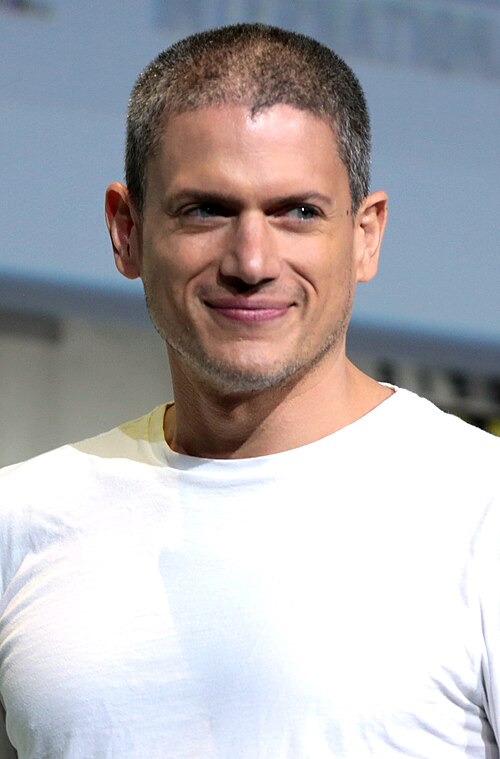
Wentworth Miller’s “Prison Break” fame was built on intensity, stoicism, and a central romance that kept his character squarely within straight-leading-man framing. Miller came out in 2013 through an open letter declining a film festival invitation, writing, “As a gay man, I must decline,” while criticizing a climate where “people like myself are being systematically denied their basic right to live and love openly,” as seen in his open letter. That method fused personal truth with a clear boundary: participation had conditions. He later connected the strain of hiding to mental health, and eventually drew a line about the kinds of roles he wanted to play going forward.
5. Luke Evans
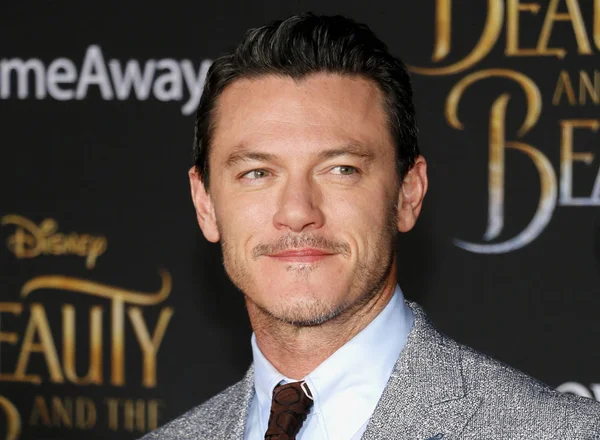
Luke Evans has routinely been cast as rugged, traditionally masculine figures action heroes, romantic interests, and Gaston in “Beauty and the Beast,” a character whose entire personality is outsized heterosexual entitlement. Evans was open about being gay earlier in his theater career, then faced renewed scrutiny when moving into Hollywood’s larger machine, where publicity narratives can harden into expectation. The interesting friction isn’t that he plays “straight”; it’s that he continues to take roles built on conventional masculinity while living openly, refusing the old implication that authenticity requires a narrow type of character.
6. Richard Chamberlain
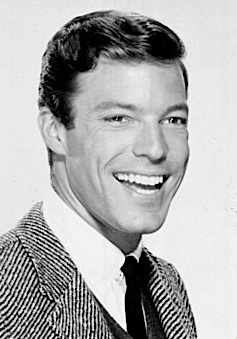
Richard Chamberlain’s career demonstrates how long the “heartthrob” label could dictate what an actor was allowed to be, publicly and privately. From “Dr. Kildare” to “The Thorn Birds,” he anchored romances designed to make audiences invest in him as an idealized heterosexual lead. Chamberlain came out in a memoir in 2003 at age 69, a detail that underscores how enduring that pressure was for stars whose fame was built in earlier decades. His later reflections about regret landed with particular weight because his roles had been so intimately tied to the fantasy of accessible, respectable romance.
7. Jonathan Bennett
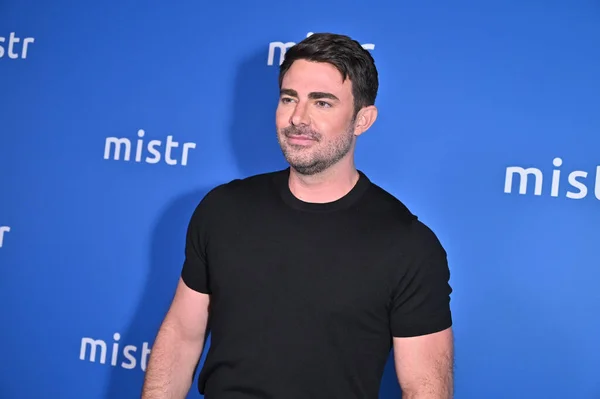
As Aaron Samuels in “Mean Girls,” Jonathan Bennett became a teen-dream template: handsome, approachable, and central to a love triangle that still fuels memes and rewatches. Coming out years later put a new frame around how early-2000s casting and tabloid culture encouraged young actors to maintain a “safe” image to avoid career-limiting assumptions. Bennett’s more recent work often in LGBTQ-inclusive holiday fare shows how the same romantic-lead energy can be redirected once the performer isn’t boxed into a single marketable persona.
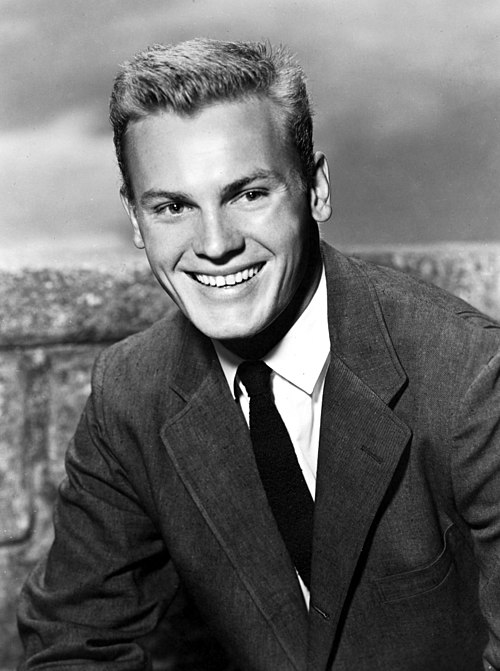
8. Tab Hunter
Tab Hunter’s 1950s stardom was engineered as “all-American boy next door,” the kind of image that sold tickets and magazine covers in equal measure. The studio system’s control extended beyond roles, and protecting a marketable identity frequently meant burying real relationships. Hunter came out publicly in a 2005 memoir, describing the stress of a double life and offering a firsthand window into how rigid morality expectations worked in practice. His story also functions as connective tissue between eras: the same industry that once demanded concealment later celebrated tell-all honesty often after the personal cost had already been paid.
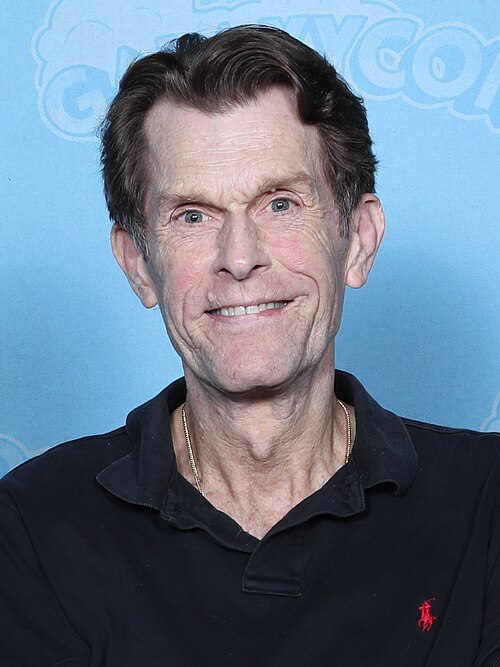
9. Kevin Conroy
Kevin Conroy voiced Batman for a generation, performing Bruce Wayne as a public-facing playboy charming, flirtatious, and strategically “normal” while the character’s real self stayed hidden behind a mask. Conroy wrote about being a gay actor finding Batman’s voice in a 2022 DC Pride comic essay, explicitly tying the idea of dual identity to lived experience. That parallel made the “womanizer” veneer feel less like a throwaway trope and more like a survival strategy some performers understood intimately: the role as cover, the performance as protection, the private self held close until it could be safely named.
Across generations, these careers show the same pattern with different stakes: audiences fall for a character’s romantic confidence, while the actor navigates an industry that has not always made honesty easy. The most lasting takeaway is structural, not sensational: when a persona is treated as a product, coming out becomes not just personal truth, but a renegotiation of what the public believed it was buying.