

The Golden Globes have always been an awards show with a split personality-film and television in one room, seriousness and spectacle sharing the same spotlight. And in 2026, that mix felt even more pronounced as several of the major wins doubled as a statement about what kinds of stories audiences have been spending time with.
Some trophies landed exactly where industry watchers expected. Others sharpened the conversation around global filmmaking, the “bigger-than-a-blockbuster” category experiment, and how performance-based awards are expanding beyond screens.
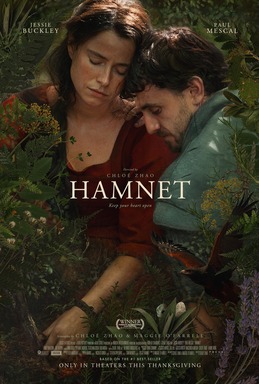
1. “Hamnet” owning the drama lane
“Hamnet” won Best Motion Picture – Drama, with Jessie Buckley also taking Best Performance by a Female Actor in a Motion Picture – Drama. Buckley captured the night’s disarming sincerity with a simple, human line: “This is not a normal situation to be in.” The win cluster placed the film’s grief-centered storytelling at the heart of the Globes’ film identity.
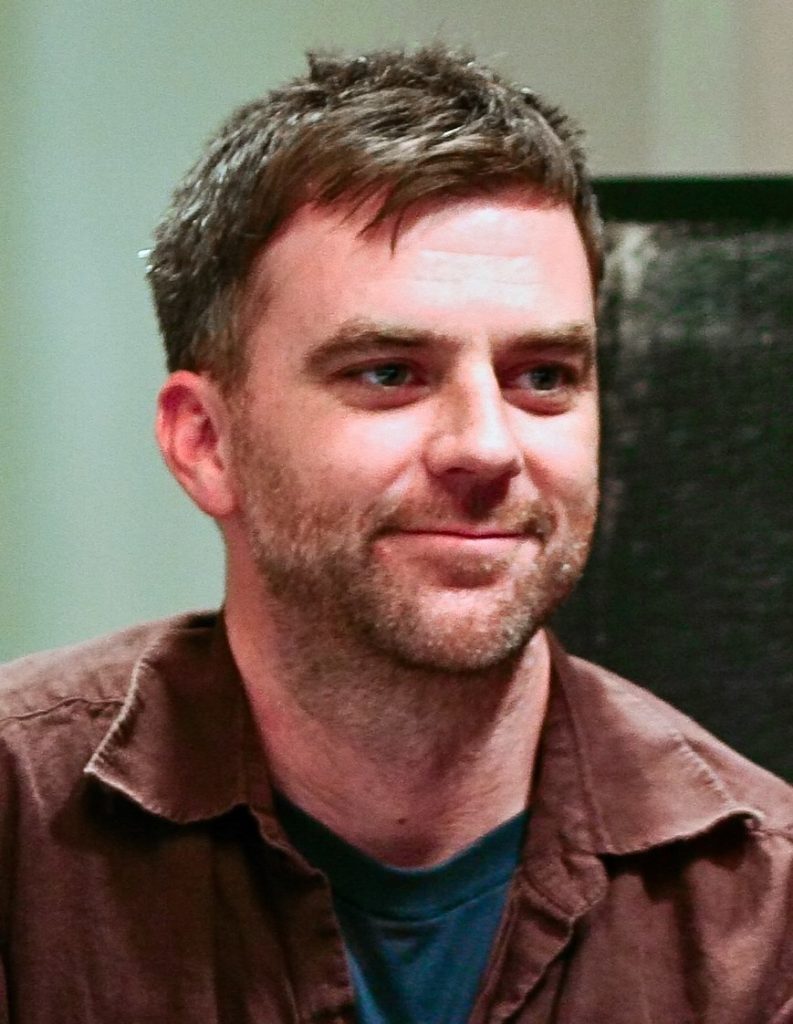
2. Paul Thomas Anderson’s “One Battle After Another” sweep energy
“One Battle After Another” won Best Motion Picture – Musical or Comedy and powered a broader creative sweep as Paul Thomas Anderson won Best Director and Best Screenplay. The title kept showing up in key acting races too, including Teyana Taylor’s win for Best Supporting Actress in a Motion Picture, giving the film a cross-category presence beyond the top prize.

3. “The Secret Agent” making international recognition feel central
In a year rife with non-English-language contenders, “The Secret Agent” took Best Motion Picture – Non-English Language and Wagner Moura won Best Male Actor in a Motion Picture – Drama. Those two trophies together made the Globes’ global footprint feel like an organizing principle, not a sidebar.
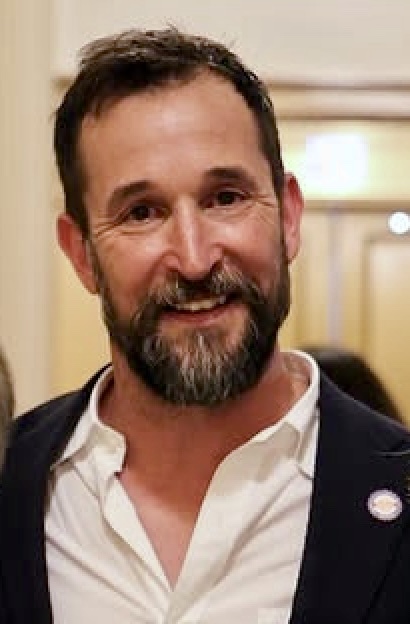
4. “The Pitt” taking the TV drama crown
“The Pitt” took home Best Television Series – Drama, and Noah Wyle Best Male Actor in a Television Series – Drama. Among the more down-to-earth acceptance moments of the evening, showrunner R. Scott Gemmill tacked on the delicious kicker for those viewers using TV as a kind of weekly support system: “We are not giving this back.”
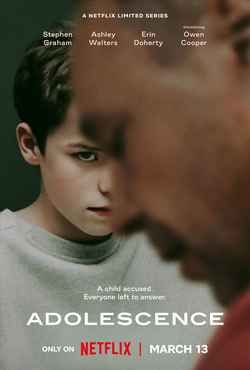
5. “Adolescence”. Making limited series acting a headline.
The largest cluster for television belonged to “Adolescence,” which emerged as a defining limited-series title through multiple acting wins. Owen Cooper took Best Supporting Actor on Television and Erin Doherty Best Supporting Actress on Television, while Stephen Graham took Best Actor in a Limited Series, Anthology Series, or Motion Picture Made for Television.
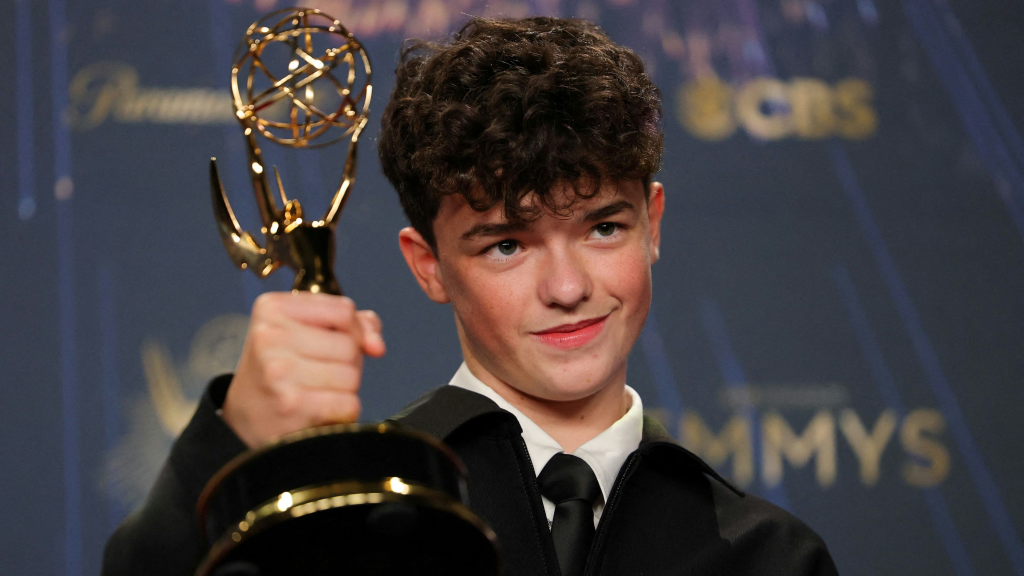
The pattern was hard to miss: a single project dominating across performance categories can reshape what audiences decide to catch up on next.

6. “Sinners” validating the blockbuster-and-craft experiment
“Sinners” took Cinematic and Box Office Achievement, a category drawn up to acknowledge films that have reached the widest audiences. The rules behind the category tie eligibility to large-scale commercial performance, including a benchmark of $150 million or more at the box office and/or comparable streaming viewership. The film also took Best Original Score (Ludwig Göransson), pairing scale with artistry in a way the category was built to spotlight.
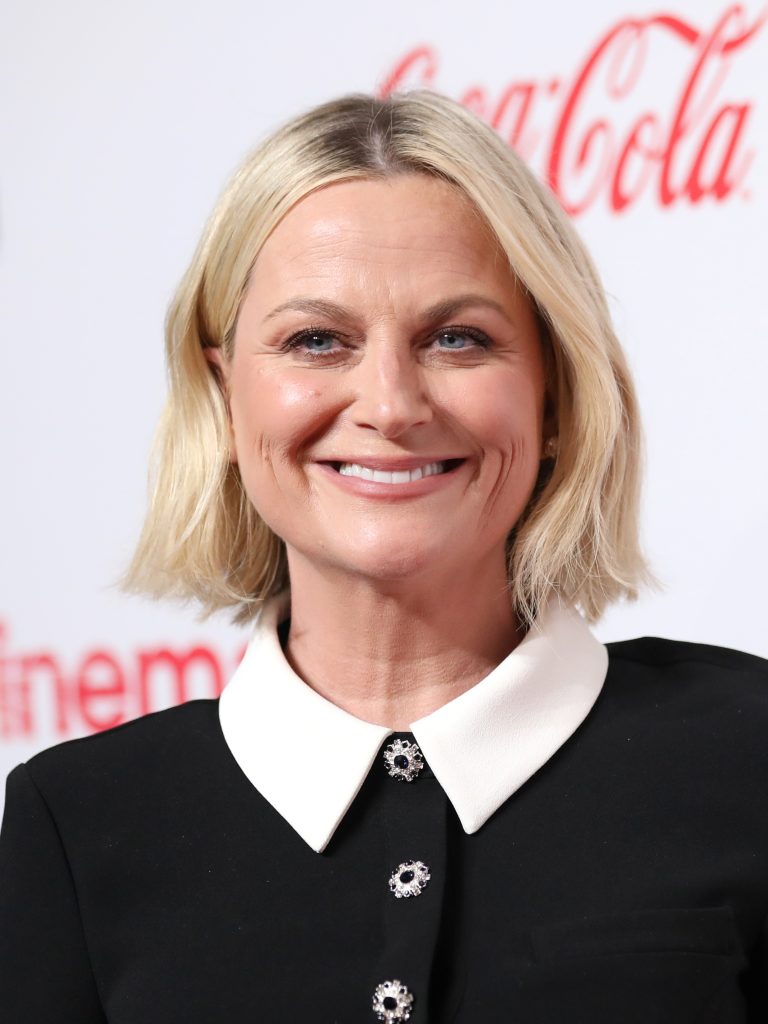
7. Podcasts entering the Globes universe, with Amy Poehler on top
The Globes’ newest frontier came through audio. “Good Hang with Amy Poehler” won Best Podcast, marking an early signal that personality-driven, conversation-forward shows can sit comfortably alongside screen work in a legacy awards space. Poehler kept the tone light while still explaining the appeal of the medium: “This is an attempt to try to make a very rough and unkind world filled with a little bit more love and laughter, laughing with people not at them.”

Across film, television, and audio, the night’s through-line was less about one dominant genre but more about range: intimate performances, big-audience storytelling, and formats that keep multiplying. The practical takeaway for viewers would be this: The Globes winners list doubled as a watch-and-listen map, pointing toward the titles that defined the year’s entertainment conversation.


