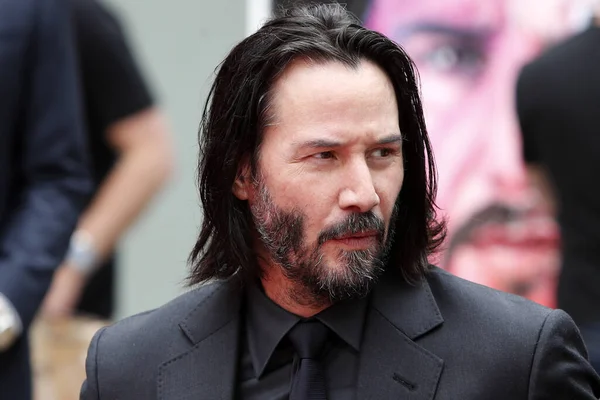
In Hollywood, “yes” does not always mean enthusiastic agreement. Sometimes it means the quiet weight of a clause signed years earlier, a settlement reached to stop a lawsuit, or a deal structure built to keep a career moving even when the script does not.
These stories tend to surface later, when actors get candid about the roles they did to satisfy paperwork rather than passion. The results range from cultural landmarks to infamous misfires but the common thread is leverage.

1. Emily Blunt and the role she could not chase
Emily Blunt has said she was locked into “Gulliver’s Travels” through an earlier deal, leaving her unable to accept the chance to play Black Widow in “Iron Man 2.” On The Howard Stern Show, Blunt explained, “I was contracted to do Gulliver’s Travels. I didn’t want to do Gulliver’s Travels.” She also called it “a bit of a heartbreaker,” describing how much pride she takes in choosing projects. The situation captures a modern version of an old studio-system reality: one commitment can quietly cancel out another, even when the “other” is a career-defining franchise door cracking open.

2. Edward Norton and the performance delivered under pressure
Edward Norton’s participation in “The Italian Job” has long been associated with meeting obligations tied to a multi-picture agreement. The key detail is not the film’s heist mechanics, but the behind-the-scenes dynamic: a studio insisting a prior deal still controlled what came next.

Accounts of Norton’s frustration have often noted how he tried to resist involvement and later withheld promotional participation, turning the press tour into its own kind of silent protest. The episode remains one of the clearest examples of how leverage can move in only one direction when contracts are written early before an actor’s market value changes.
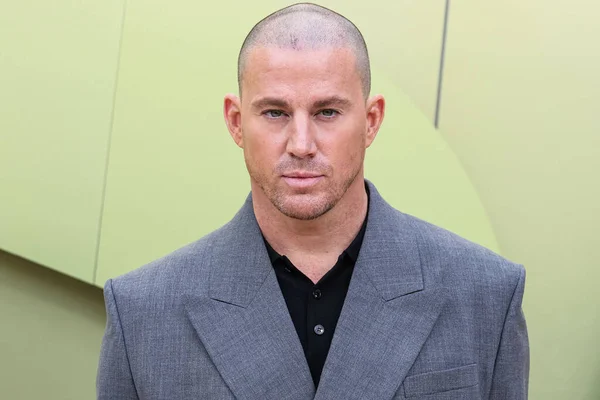
3. Channing Tatum and the blockbuster he openly disliked
Channing Tatum has been unusually direct about “G.I. Joe: The Rise of Cobra,” explaining he took the role because he believed refusing could trigger legal consequences tied to an early-career deal. The situation is a reminder that “three-picture” language is not decorative; it is a steering wheel. For an actor still building momentum, the fear is rarely just financial it is the idea that being labeled “difficult” can harden into a reputation before the next audition even starts.

4. Whoopi Goldberg and the lawsuit that kept the cameras rolling
Whoopi Goldberg’s “Theodore Rex” story is frequently cited because it combined a disputed agreement with a massive legal threat. Producers sought $20 million in damages to keep her attached, and the eventual outcome required her to appear in the film. The project later became known for skipping theaters, but the more lasting detail is the mechanism: litigation functioning as a casting tool. It is one of the starkest illustrations of how a production can treat an actor’s presence as an enforceable asset rather than a creative choice.
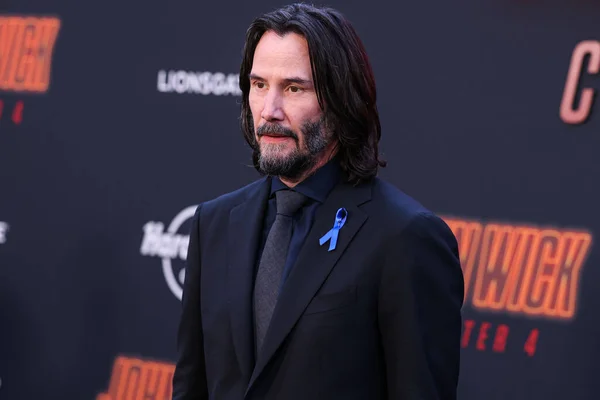
5. Keanu Reeves and the contract he said was not his
Keanu Reeves has said he ended up in “The Watcher” after a signature on paperwork was forged by someone he knew, creating a legal maze difficult to untangle. Rather than fight a prolonged battle, he chose to complete the film, reportedly securing limits on how quickly his name could be used in marketing. The unusual detail consent questioned at the level of the signature highlights how contract stories can get stranger than any thriller plot.
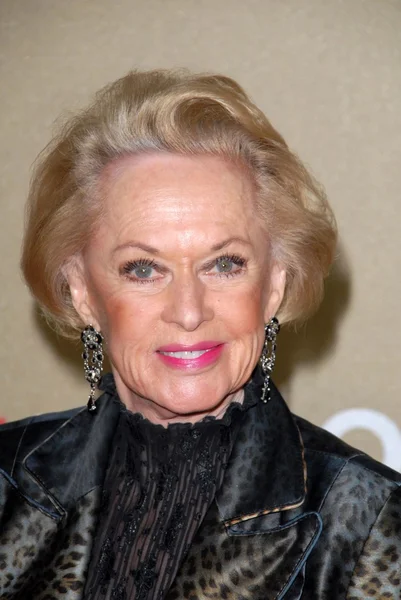
6. Tippi Hedren and a contract that acted like a career lock
Some “forced” roles were not about one film, but about control of an entire working life. Tippi Hedren described being held back under an agreement that limited her opportunities beyond Alfred Hitchcock’s orbit. In one recollection, she said, “When he told me that he would ruin me, I just told him do what he had to do,” adding that she left by slamming the door so hard she checked “if it was still on its hinges,” according to her account quoted in an interview. The practical effect was less about a single casting obligation and more about time: being kept under contract without meaningful access to outside projects.

7. The rule change that weakened the old studio grip
The most lasting counterforce to contract overreach came from the courts. Olivia de Havilland’s fight against Warner Bros. helped establish limits on personal-service deals in California, shaping what became widely known as the De Havilland Law. Separately, the studio system’s broader structural power was undercut by United States v. Paramount Pictures, a watershed decision that accelerated the decline of vertically integrated studio control. The result was not a world without pressure, but an industry where contracts had clearer edges than “forever,” and where the most extreme forms of studio control became harder to sustain.

These stories land because they reverse the usual mythology: a star is not always the decision-maker. Sometimes the signature is the star. In the end, the most revealing detail is how often the audience never notices. A performance can still sparkle even when it was delivered to satisfy a contract rather than a dream.