
Archeology is great at dealing with broken pottery & walls. But it’s not so great at confirming that aspects of ancient stories happened exactly the way that they’ve been described, especially when these texts came out long after. Quite a few biblical stories fall into this trap. Here are nine biblical stories that archeology still can’t fully explain.

1. The exodus route across the Sea of Reeds
There’s no exact single crossing point mentioned in the Bible about where the exodus happened. All we know is that it apparently happened across the “Sea of Reeds.” Sadly, archeologists haven’t been able to find the answer either, as Egyptologist James K. Hoffmeier mentioned that it could fit different places. There are several lakes & marsh zones in northeast Egypt that could correspond to yam suph. No amount of excavations has managed to work out which single waterway could be the exodus route since there are no material remains or route markers.
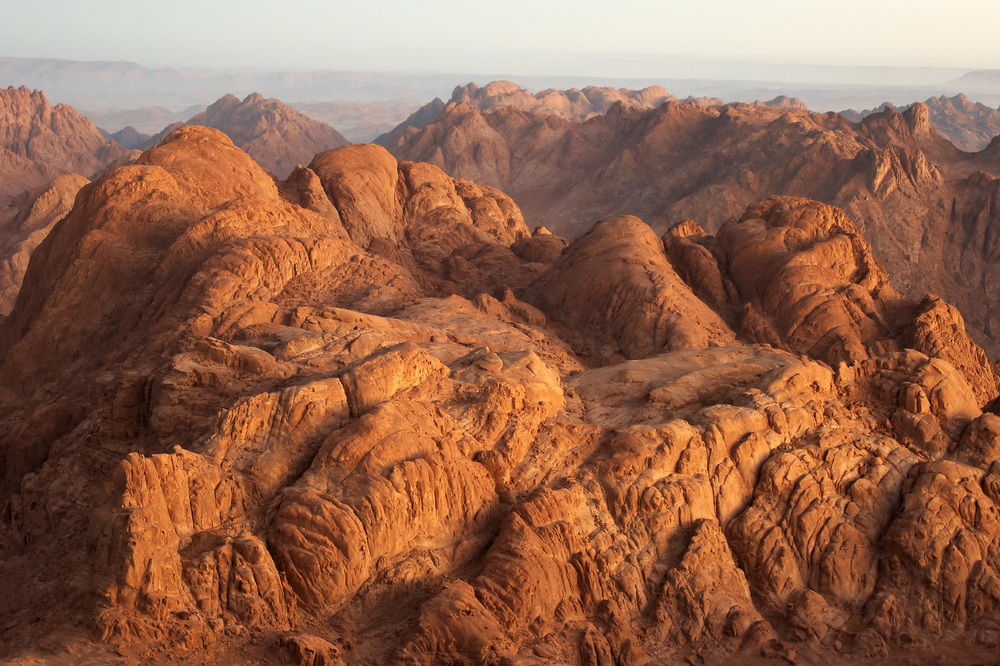
2. Mount Sinai’s exact mountain
Mount Sinai is an important part of Moses’s story. But there’s no exact area that seems to match up, and Professor Eric H. Cline explained in Biblical Archeology Review that numerous places could be the mountain in question. Some of these are peaks in southern Sinai, while others are sites far outside of the peninsula. The issue is that none of these seems to have any evidence linking them to events in the Bible. It’s possible that Mount Sinai is more of a theological location that doesn’t actually have a real address, since we can’t find proof of it.
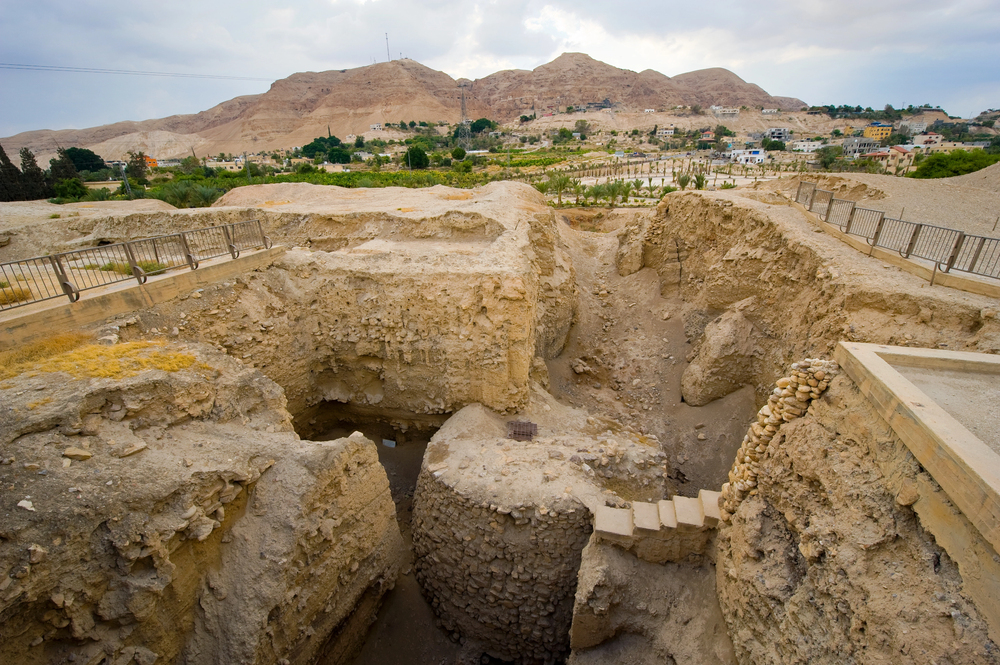
3. Jericho’s collapse in Joshua’s timeline
One biblical site that archeologists have found is the ruins of Jericho. However, the issue comes from the date of when the collapse happened, as Kathleen Kenyon and her team found that the destruction happened much earlier than the Bible claims. The evidence shows that the collapse may have happened even centuries before the date given in the Bible. There are disagreements about Kenyon’s dating, but a common belief is that Jericho’s collapse happened much earlier. We know that the city existed & fell, then it was rebuilt. We’re simply unable to connect it to the sequence that the Bible gives about it.
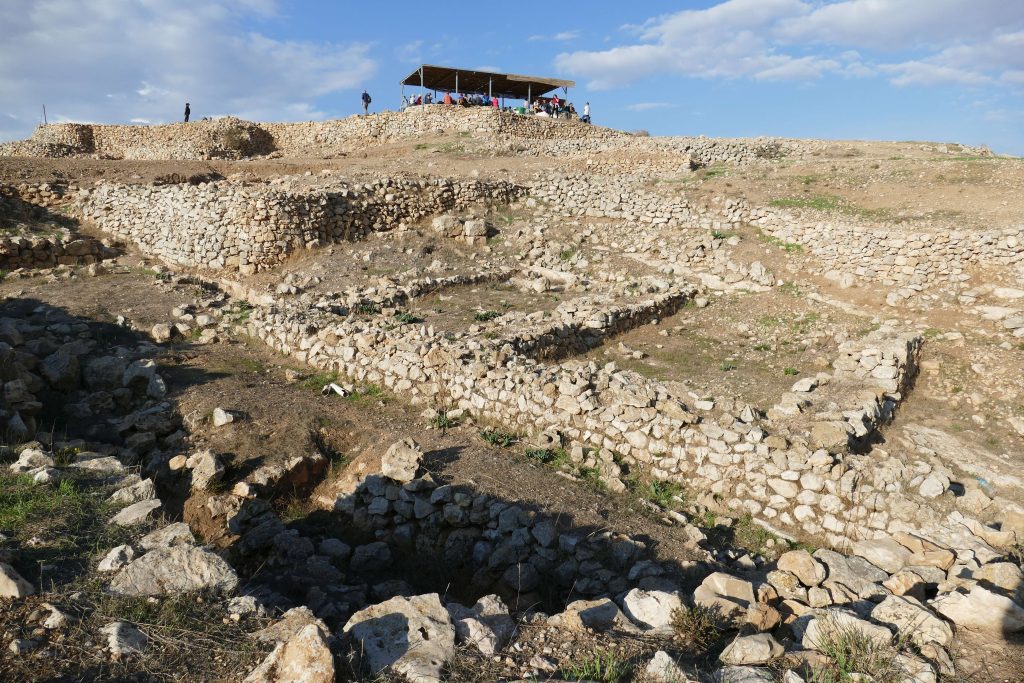
4. Ai’s “right ruin”
Joshua clearly talks about the city of Ai. But the location of where it might be keeps changing, with the traditional site of et-Tell actually lacking any kind of occupation from the Late Bronze Age. A few archeologists, like Bryant Wood, believe that the nearby Khirbet el-Maqatir might be the real location. Yet numerous surveys have struggled to reach an agreement about which ruin could be the real biblical city, if any of them even are the right ones.
5. Sodom and Gomorrah
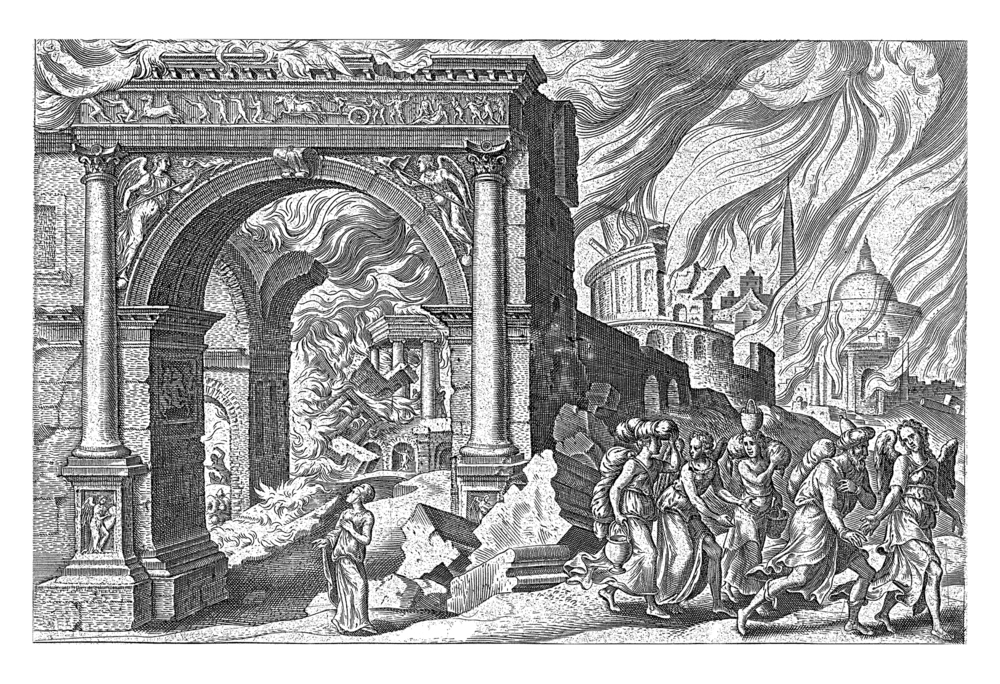
Archeologists like William G. Dever & Amihai Mazar seem to agree that the Dead Sea is about where Genesis takes place. Yet they’re unable to work out where the cities of Sodom & Gomorrah might’ve been, with some suggesting that Bab edh-Dhra might’ve been the place. Others, including Steven Collins, propose that Tall el-Hammam was the site. Most archeologists can’t even agree on the dates when the destruction happened, nor the scientific causes. It’s quite a controversial topic.
6. Ark of the Covenant after the First Temple era
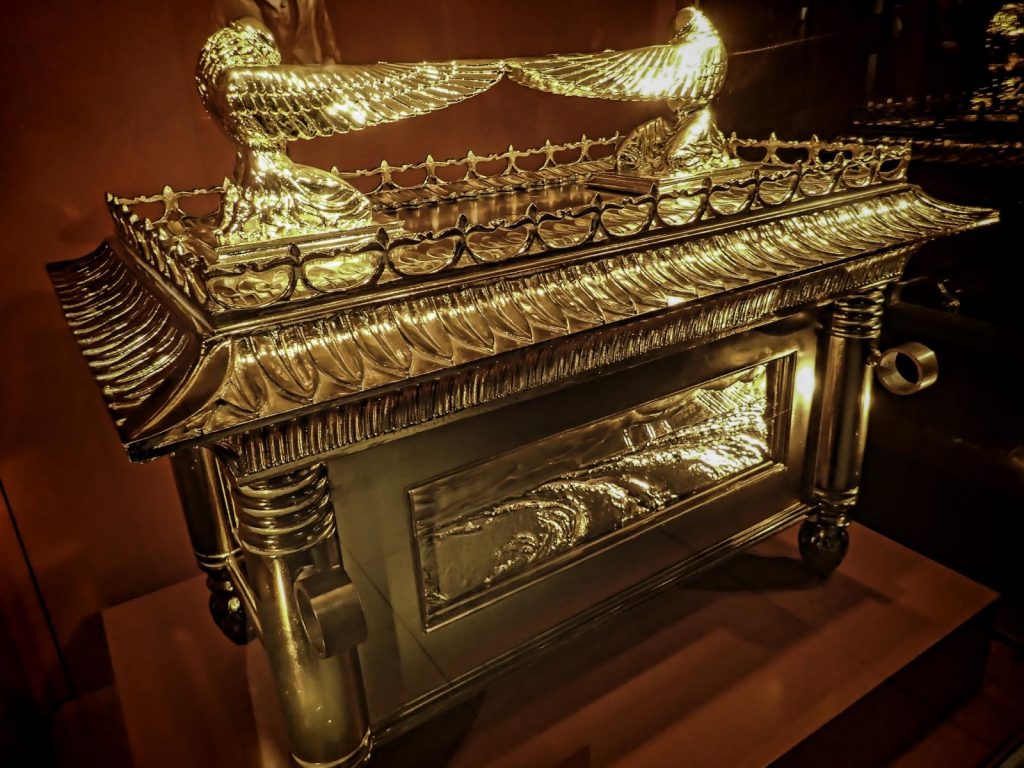
There’s practically no evidence of the Ark at all in the historical records. The former director of the Tel Aviv University excavations, Israel Finkelstein, has said there’s no trace of the Ark after the Babylonian conquest. We have no fragments or inscriptions. 2 Maccabees 2:4–8 seems to suggest that the Ark was in Mount Nebo, while the Kebra Nagast claims that it’s in Ethiopia. But archeologists have been unable to find any evidence for where exactly it might be.
7. The First Temple
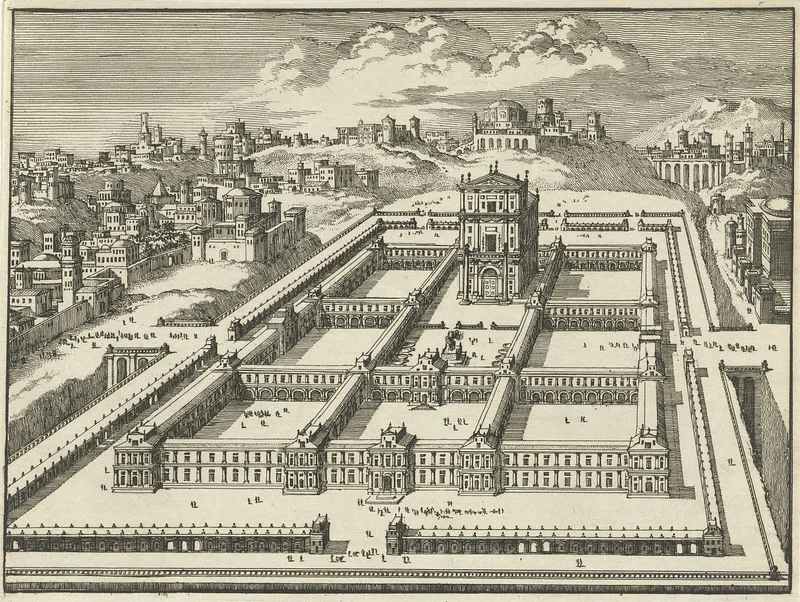
That’s not all for the First Temple. The majority of scholars agree that the First Temple was probably on the Temple Mount, although they haven’t been able to officially confirm that quite yet. Excavation on Temple Mount isn’t possible. Architectural archeologist Leen Ritmeyer previously worked on the Mount, and he states that a lot of our knowledge of the First Temple relies on descriptions from the Bible & similar temples. We have yet to directly excavate the site. As a result, we don’t know the exact dimensions or building phases, or even the layout, of the original site.
8. Belshazzar’s role in Daniel’s “writing on the wall” night
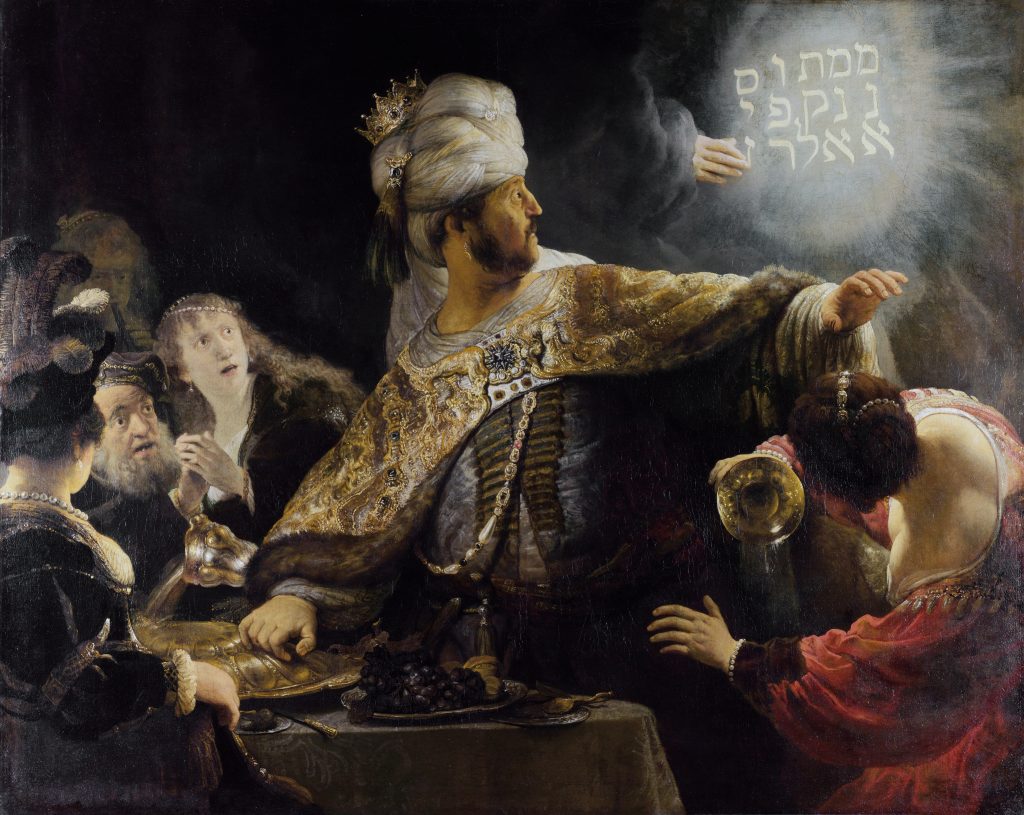
It’s clear from the Cuneiform tablets that someone known as Belshazzar in the Bible existed. So what’s the mystery here? It’s that we don’t actually know what his real title was, as a historical artifact called the “Nabonidus Cylinder” seems to show him acting in royal authority while his father was ruling elsewhere. The Bible talks about Belshazzar being a “king.” Yet historians like Amélie Kuhrt seem to believe that he lacked a formal title. One thing’s certain, and that’s that Belshazzar had power, although we don’t know how official his title was.
9. Shishak’s invasion map
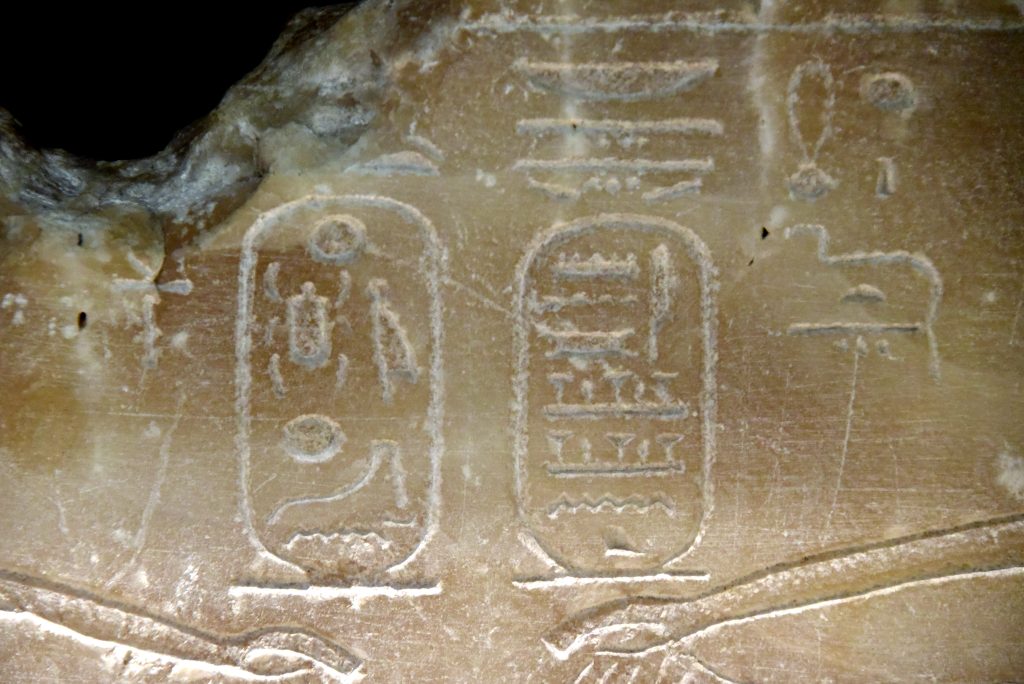
You’ll find mentions of Pharaoh Shoshenq I’s campaign carved in Karnak’s walls, and that includes mentions of dozens of towns that the Pharaoh conquered. Yet there’s something missing from the story. Biblical Jerusalem is nowhere to be found, and while archeology confirms the invasion happened, it’s not a perfect match to what’s written in the Bible. One popular theory about what happens comes from Egyptologist Kenneth Kitchen. He believes that damage to the inscription & changes to naming conventions may have affected our interpretation of the events. But who knows?
Archeology can’t show us stories about the past in the same way that texts do. Sure, it can show broken cities & rebuilt platforms, but we can’t be fully certain about what happened, especially not in terms of biblical stories. All we know is that something happened. The exact details are often a mystery.


