
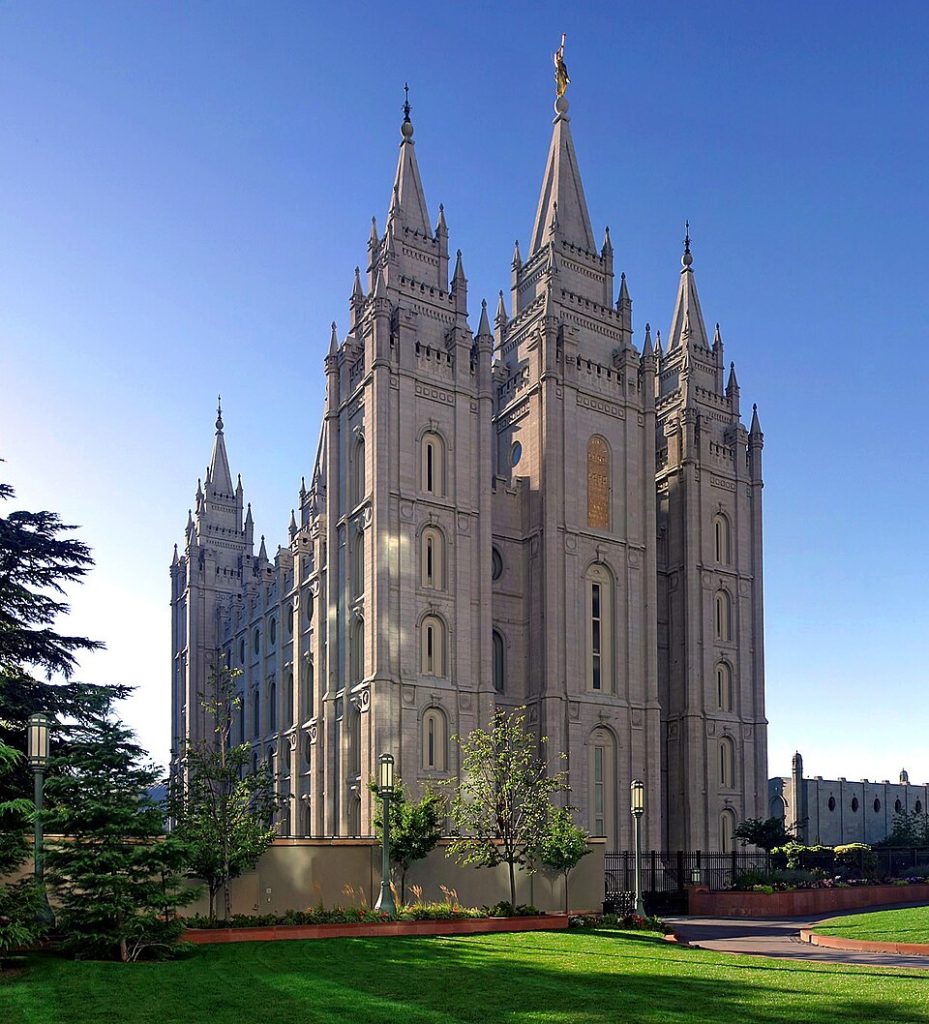
“Founded in the early 19th century, the Church of Jesus Christ of Latter-day Saints (LDS), commonly known as the Mormon religion, has expanded to become an international religion with millions of followers worldwide. Although its doctrines are similar to other Christian churches, the LDS Church also has its own set of beliefs and practices that are unique to it, which are of great interest to people who do not follow the religion.”
Examples ranging from theological tenets to living instructions demonstrate below some of the more unusual aspects of Mormon theology and practice.
1. Origins in 19th-Century
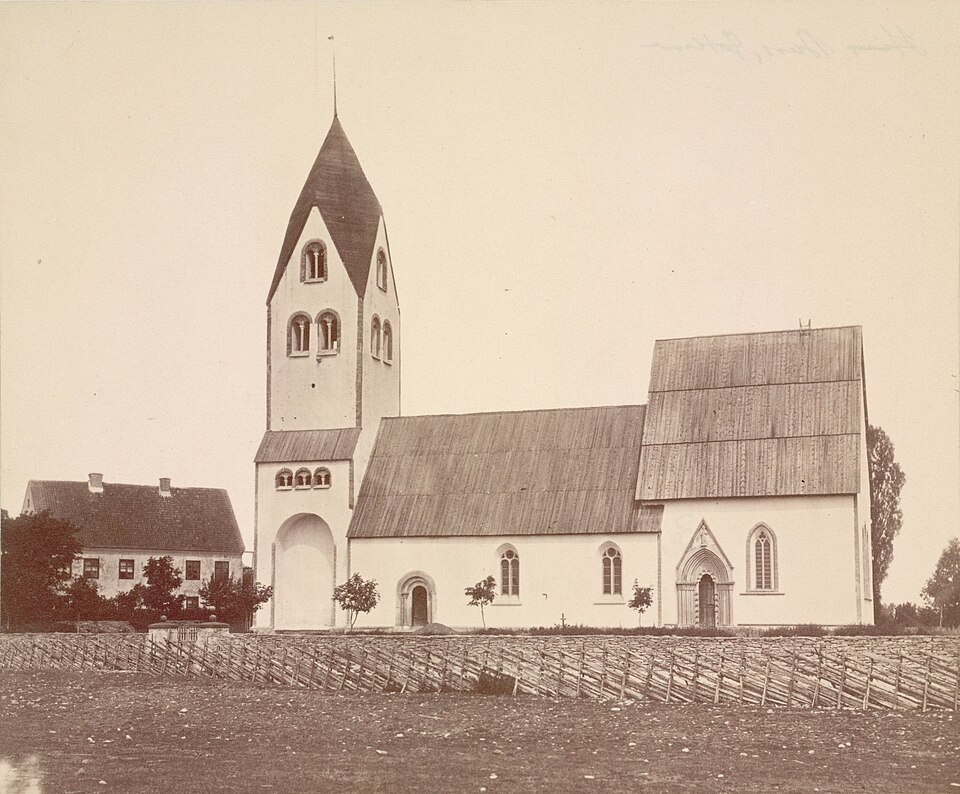
Mormonism began in western New York during the 1820s and 1830s, making it one of the few world religions that have been founded in the United States. Joseph Smith, the founder of Mormonism, reported having visions from God that led him to write the Book of Mormon.
2. The Book of Mormon’s Rapid Creation
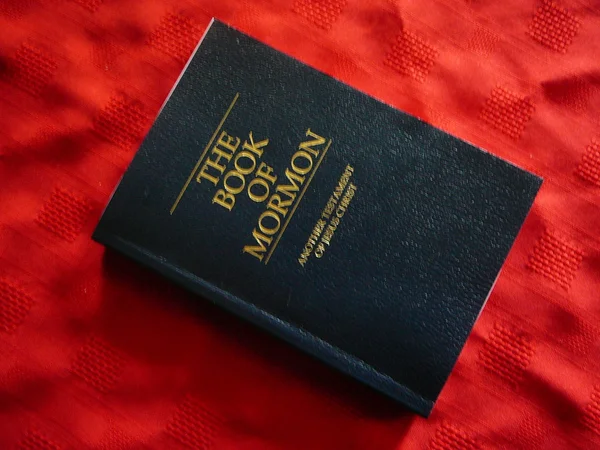
Joseph Smith dictated the entire 584-page Book of Mormon in less than three months. Witnesses, including his wife Emma, reported the experience as divinely inspired, in which Smith used instruments such as the “Urim and Thummim” or a seer stone to translate ancient records.
3. Ancient Peoples in the Americas
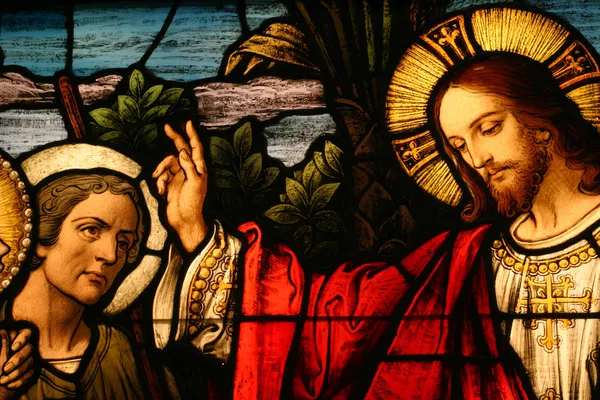
The Book of Mormon speaks of four different peoples: the Nephites, the Lamanites, the Jaredites, and the Mulekites, who are claimed to have migrated to the Americas as early as 600 BCE.

4. The Star Kolob
Some of the teachings of the LDS Church involve Kolob, which is referred to as a star or a planet that is closest to the throne of God.
5. Jesus and Satan as Brothers
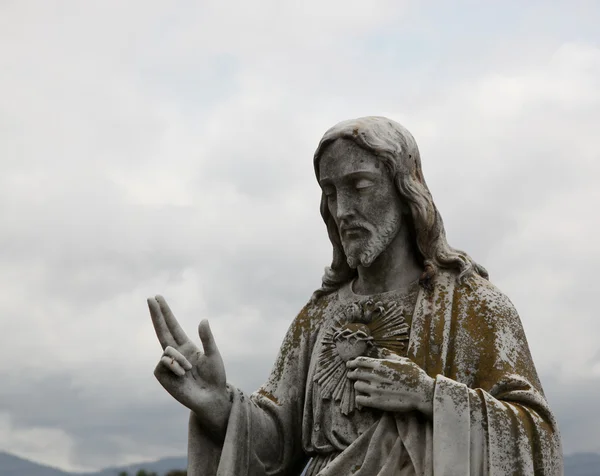
According to Mormon teachings, Jesus Christ and Satan were brothers in the spirit before the creation of the world. A disagreement about human free will is believed to have caused their eternal enmity.
6. Becoming Gods in the Afterlife
Faithful members of the Church of Jesus Christ of Latter-day Saints believe that they can inherit godhood after death, acquiring the power to create worlds and people, a process called exaltation.

7. The Garden of Eden in Missouri
In contrast to most other Christian traditions, Mormons believe that the Garden of Eden was situated in what is now the state of Missouri.

8. The Complex History of Polygamy’s
Plural marriage was a major part of LDS practices in the past, with early church teachings indicating that it was necessary for exaltation. The 1890 Manifesto ended the practice of new plural marriages, although some continued in secret for several years, resulting in later changes and the Second Manifesto of 1904.
9. Temple Garments
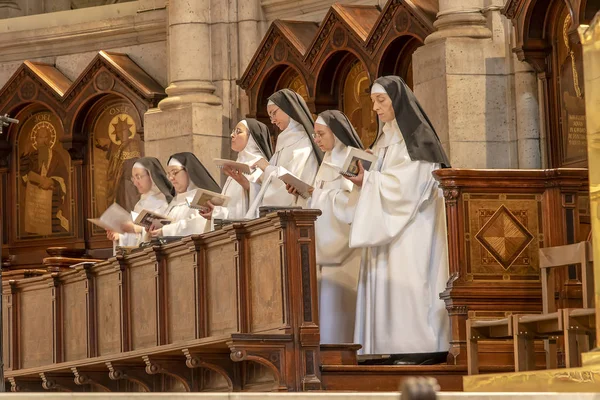
In the LDS faith, many adults wear a set of special underclothing known as temple garments under their regular clothing. These garments represent the holy covenants that are made in the temple.
10. Posthumous Baptism
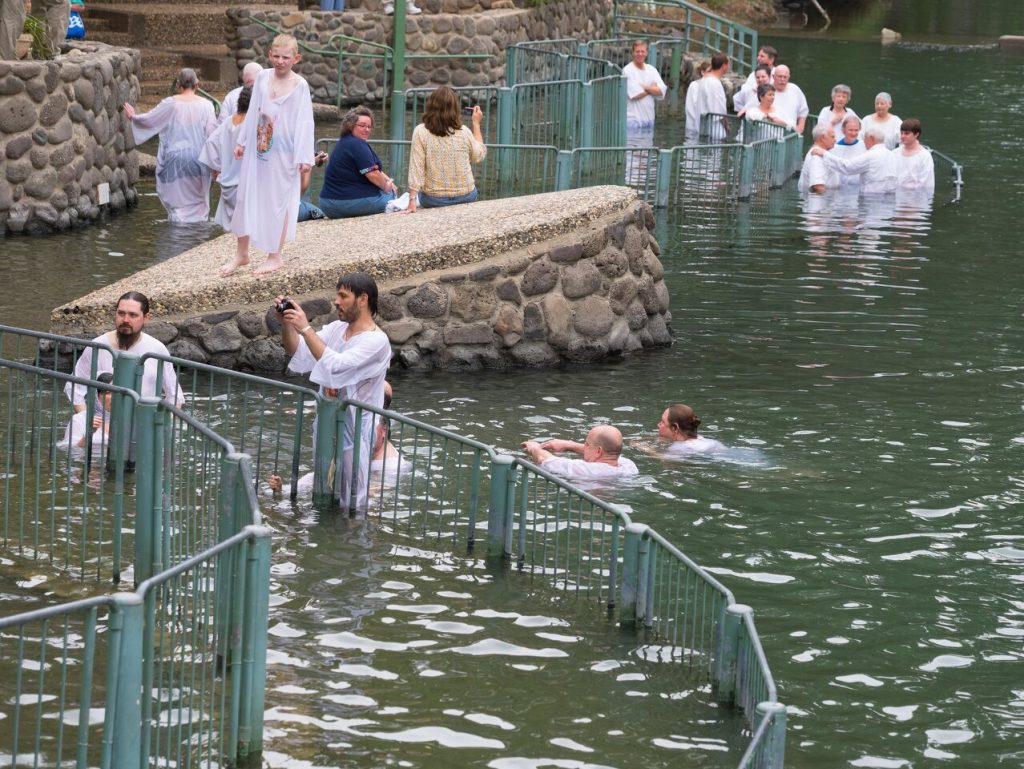
The LDS Church also performs proxy baptisms for the dead, giving deceased people the option to accept baptism in the afterlife. This has sometimes led to controversy when it has been conducted on historical figures or victims of the Holocaust.
11. Dietary and Lifestyle Guidelines
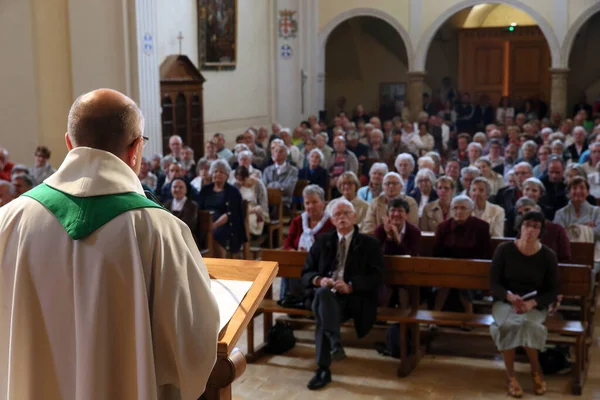
The Word of Wisdom is a health code in the LDS faith that forbids the use of alcohol, tobacco, tea, and coffee. It also advises against tattoos, body piercings for males, and some forms of recreation while on a mission.
12. Sabbath Observance
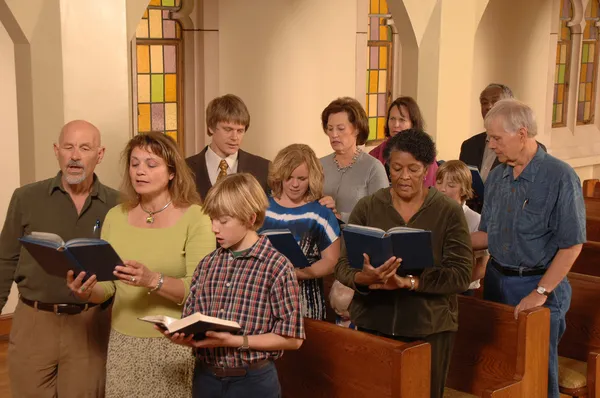
On Sundays, members are encouraged to avoid watching television, playing sports, or engaging in recreational activities and instead focus on worship and spending time with family.
13. Tithing
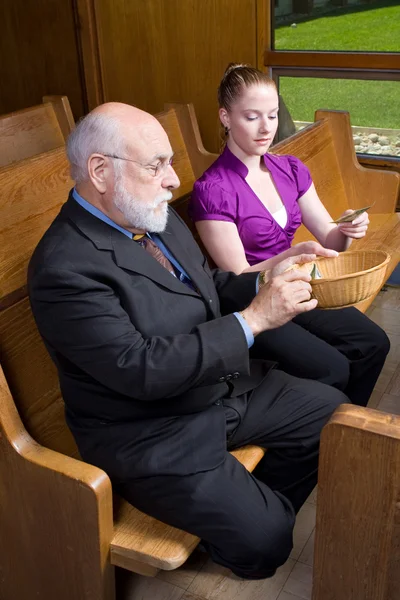
Latter-day Saints are encouraged to give 10% of their income to the Church. This tradition, based on an 1838 revelation, helps build temples, fund missionaries, and provide humanitarian aid.

14. Missionary Service
Young members are encouraged to go on missions, which last for two years for males and eighteen months for females. Missionaries are expected to adhere to a set of lifestyle standards, which include restrictions on swimming and some sports. These beliefs and traditions are but one aspect of the complex fabric of the LDS religion, and they help to define the identity of the LDS religion among the world religions.


