
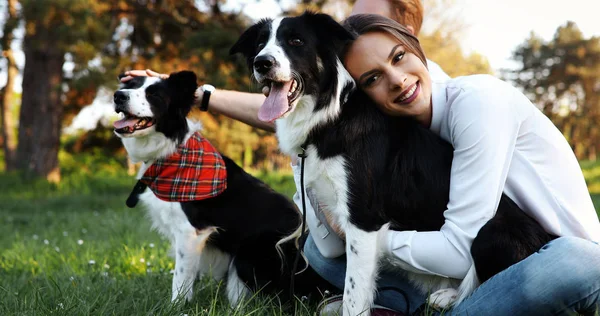
Dogs are famous for wearing their hearts on their sleeves, but the largest “signs of love” that dogs possess are often the smallest and most repeatable actions that appear every day. A wag, a lean, a dropped toy at someone’s feet are all genuine signs of love, or they can mean something entirely different depending on the rest of the dog’s body language.
It is a good idea to think about the bigger picture. A tail, for example, may be a sign of comfort or indecision, but the same action can mean different things based on its length, rigidity, and overall body configuration at a particular time.
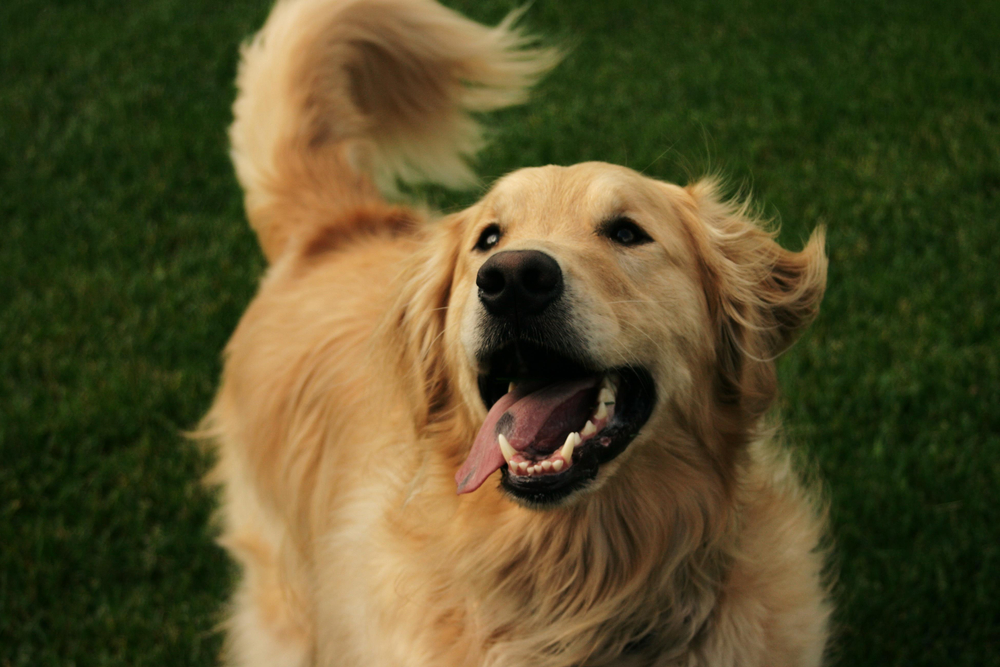
1. A wagging tail in sync with a relaxed body
When a dog is genuinely happy to be in the presence of a loved one, the wag is likely to be accompanied by relaxed muscles, a soft face, and a loose posture. Tail position may serve as an “emotional meter,” and a middle height may suggest that the dog is feeling relaxed. A high and stiff wag may suggest arousal or irritation rather than affection, and a low or tucked tail may suggest fear. The wag must be considered in the context of ears, weight shift, and looseness.
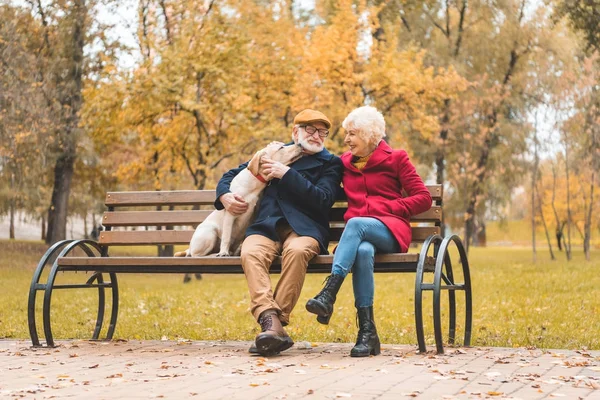
2. Leaning in like a living security blanket
Some dogs will lean their shoulder or side on a trusted person and just stay there. This is often a comfort behavior, a way of saying, “I feel safe,” without words. This is especially true in a busy household when the dog is unsure or tired and will opt for closeness over distance because it will calm the dog down.

3. Following from room to room
Walking with someone around the house can be seen as “clinginess,” but it is more likely a reflection of attachment and the desire to be in contact. Dogs are social animals and tend to want their attached human in their sight. When paired with a non-stressed presentation, such as no pacing or evidence of distress, following can be seen as companionship rather than anxiety.
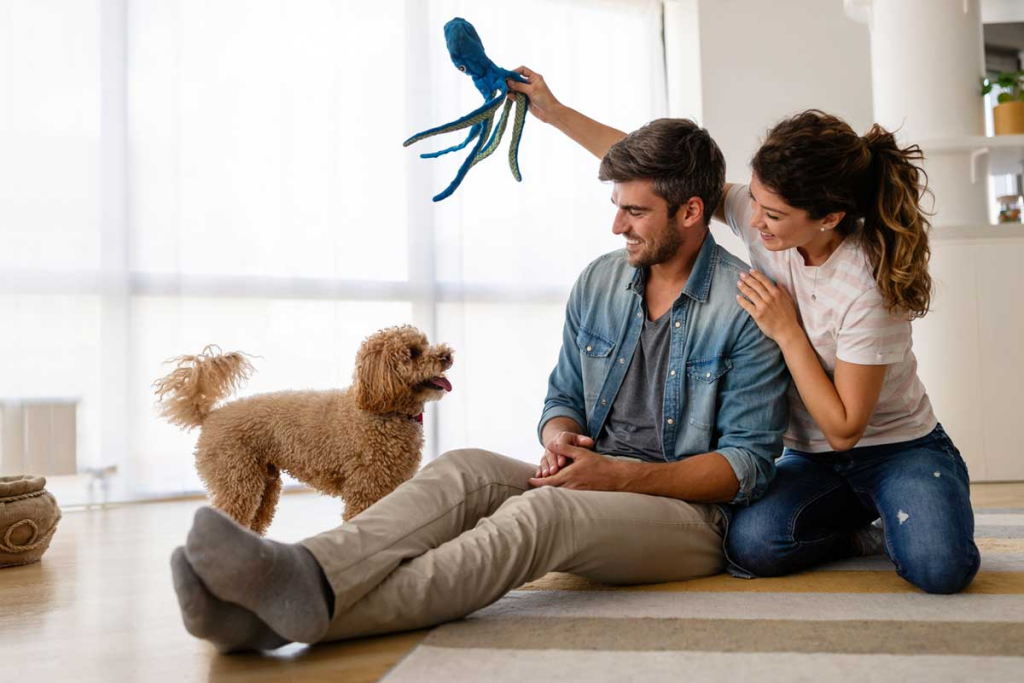
4. Light pawing or nudging to initiate interaction
A nose touch to the hand, a paw touch on a knee, or a quick touch on the elbow are some of the basic invitations to connect. Dogs will repeat what works, and these touch points can often be rewarded with attention, play, or loving talk. When the dog’s body is relaxed and the touch is gentle, these invitations can be a functional way to connect.

5. Big greetings that spill over with excitement
Some dogs may welcome a beloved individual with a full-body wiggle, turns, or joyful vocalizations. Such actions may be an expression of excess emotion and excitement, particularly if there have been separations. Some dogs may seize a toy during greetings as a means of directing that energy and soothing themselves one reason a dog may show up with a slipper or stuffed animal rather than jumping.
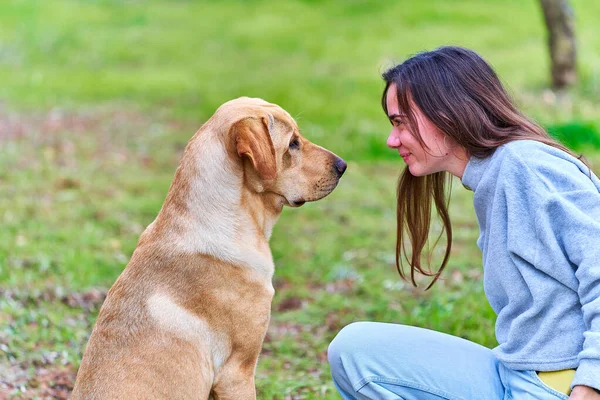
6. Soft eye contact that lingers
Relaxed and sustained eye contact is one of the most visible “trust signals” in many dogs. It can also be a part of the biology of bonding because eye contact stimulates oxytocin release in both dogs and humans. Not all dogs are equally likely to do this. Research cited in the same source suggests that ancient breeds took longer to make eye contact and looked for shorter periods of time in a problem-solving task, although they were highly motivated.

7. “Gifts” dropped at someone’s feet
The dog has many reasons for bringing toys, socks, or other household objects, and affection could be one of them. The dog could be sharing a favorite object, initiating play, or using the object to modulate excitement at reunion. This could also be a way of communicating, and timing is everything. Patterns (before walks, before meals) can help create the bringing of objects as a type of “request.” Observation of the dog’s stress or relaxation responses can help interpret the message.

8. Sleeping in close proximity to touch
The act of choosing to share a sleeping space with another or even sleep on them can be a very strong sign of feeling safe and connected. Sleeping is a vulnerable act, and being near the dog means that it probably expects comfort, not danger. Some dogs prefer to sleep at the foot of the bed, some at the hip, and some right across a lap, but the underlying theme is trust.
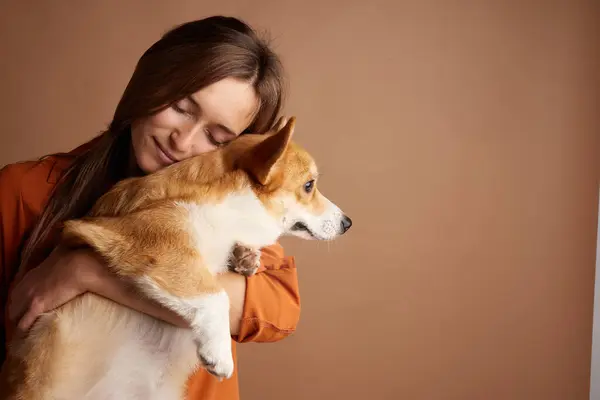
These behaviors are easiest to recognize if they are predictable and accompanied by a relaxed body: loose muscles, soft facial muscles, and the ability to move away. Love is the presence of closeness that feels relaxed, not coerced. Paying attention to the subtleties, especially as they relate to tail movement and eye contact, can help people avoid misinterpreting signs of affection as stress and give people better ways to react to dogs with the kind of attention that dogs find comforting.


