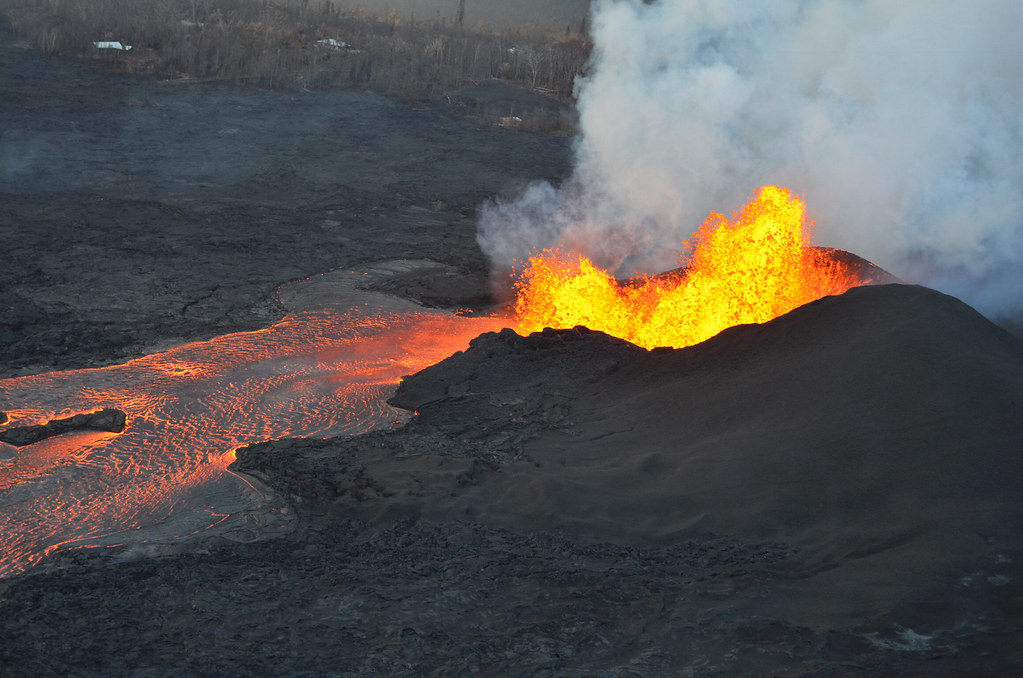
“‘A glowing crater can make a national park feel like a stadium, and Kīlauea’s summit has repeatedly done exactly that. With each eruptive episode, Hawaiʻi Volcanoes National Park draws drivers, hikers, and families toward overlooks along Crater Rim Drive sometimes faster than the road network and parking areas can absorb safely.’”
Visitors have been asked to plan ahead, slow down, follow signs, and park only in designated areas. Weather conditions can change rapidly, with fog, rain, and wind reducing visibility, while volcanic gases can extend health concerns beyond the “bring a jacket and water” list.
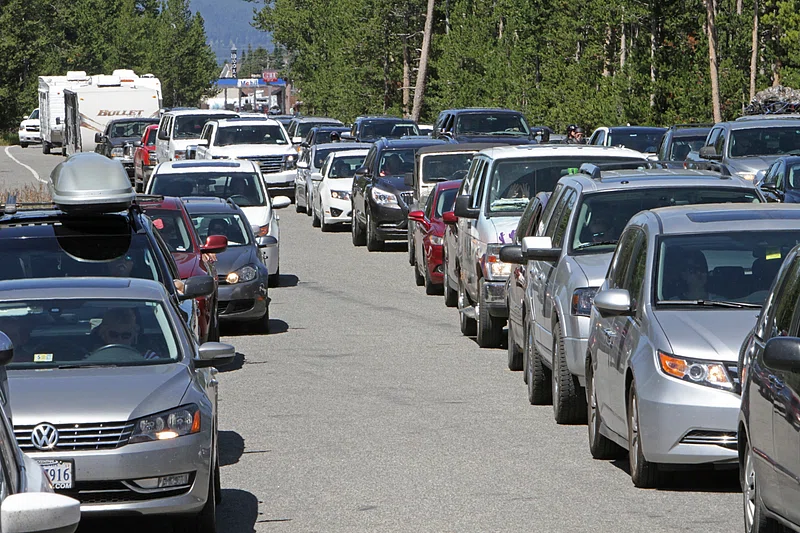
1. Traffic and parking become safety issues, not just inconveniences
During periods of high interest, congestion and roadside stops can have a domino effect in the park’s tight corridors. Park rangers have noted that the potential for hazardous roadside parking and unexpected pedestrian crossings heightens dangers in the vicinity of popular viewing areas. Anticipating delays and parking in designated areas will ensure that emergency routes remain unobstructed.
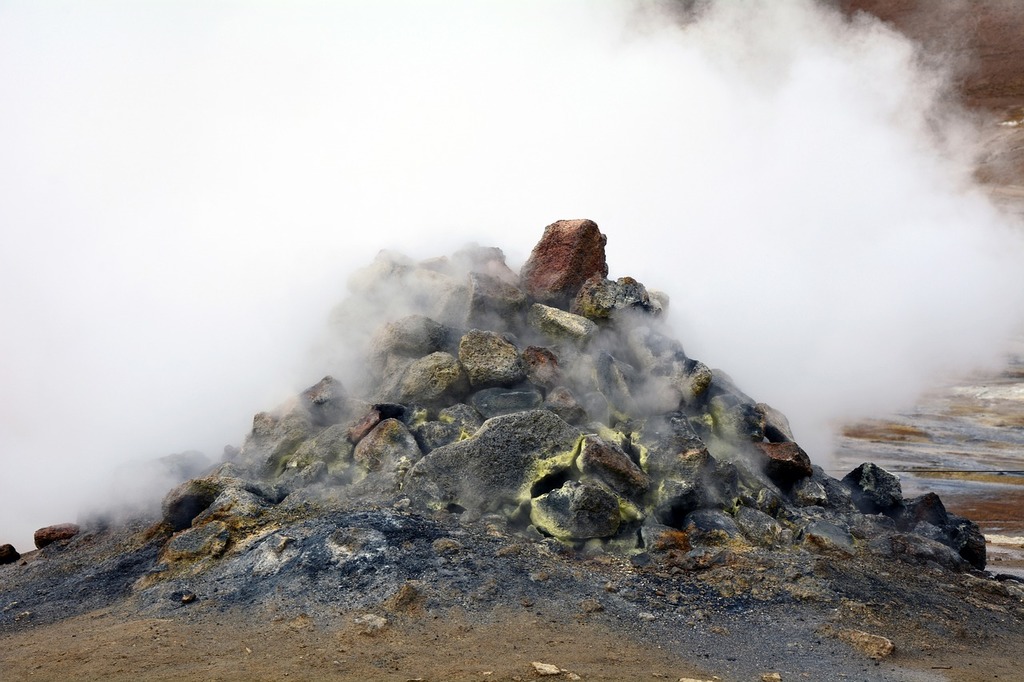
2. Overlook views are appealing, but visibility can vanish quickly
The eruption inside Halemaʻumaʻu can be viewed from several overlooks, although the park warns that weather conditions such as fog and rain may reduce the visibility of lava with little warning. Hikers are advised to consider their ability, time, and chances of congestion before choosing a spot to view the lava, since turning around in heavy traffic may be more difficult than anticipated.
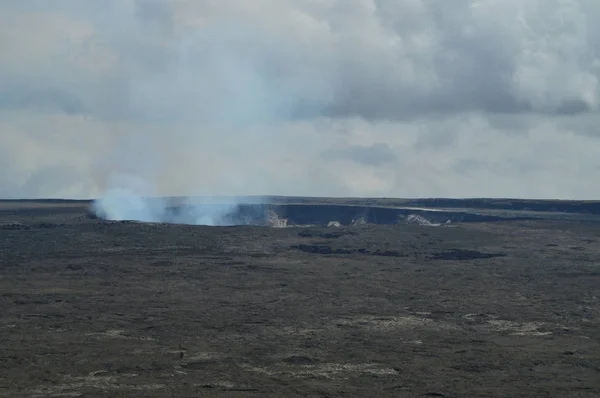
3. Vog exposure is the wellbeing wildcard many visitors underestimate
Emissions from volcanoes can produce vog, a cloudy combination of sulfur dioxide gas (SO2) and fine particles (PM2.5). Current recommendations regarding the health effects of vog indicate that individuals with asthma or other respiratory ailments are most susceptible to the effects, although healthy individuals can also experience symptoms. These symptoms include irritation of the eyes, nose, and throat, as well as difficulty breathing, due to the body’s need for less exposure, not more.
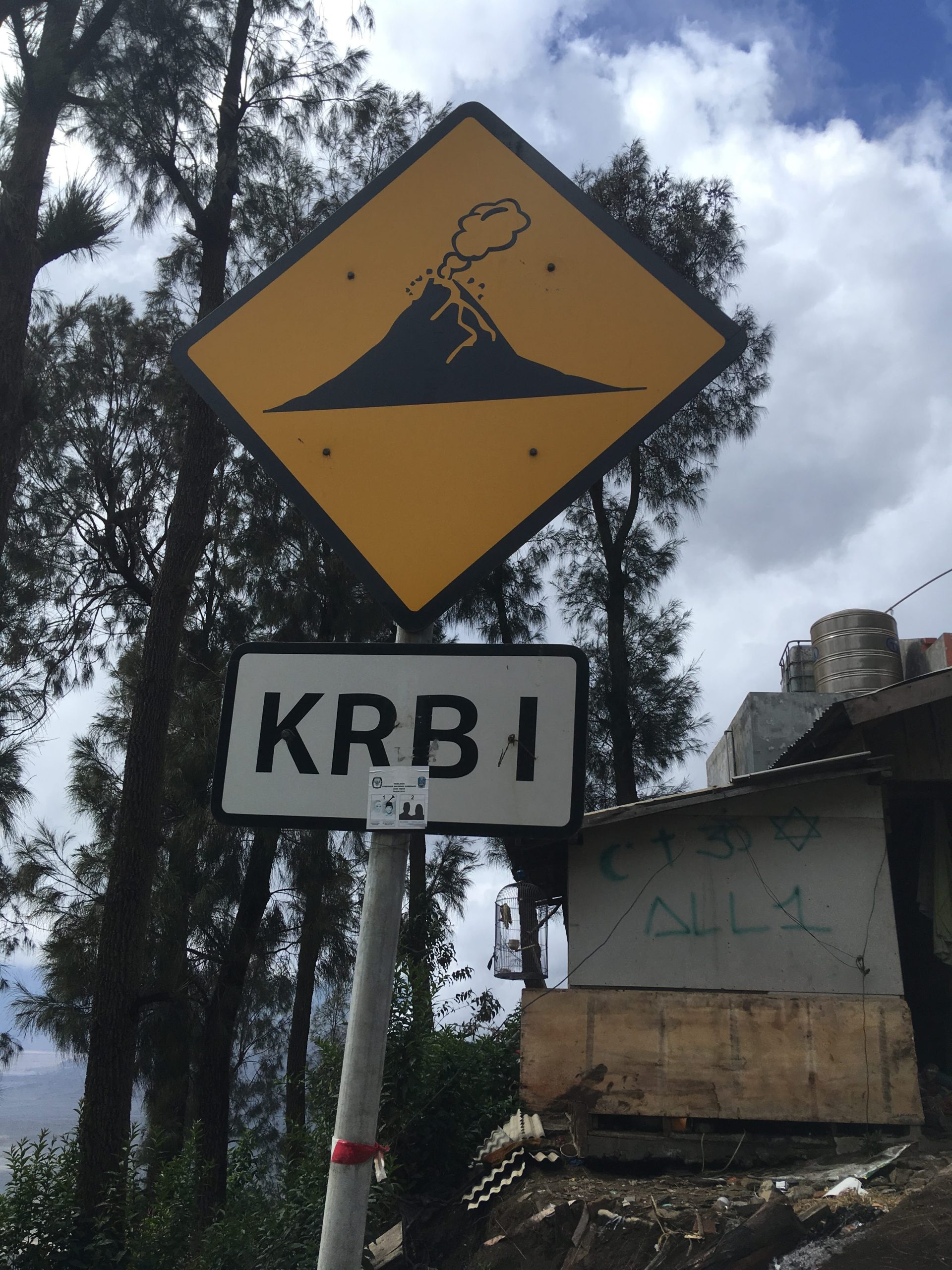
4. “Sensitive groups” need a different plan than the average day trip
Health warnings identify children and persons with respiratory or cardiovascular conditions as being at a higher risk during periods of elevated vog. New or expectant mothers are also identified as being at a higher risk of experiencing health effects. This is significant for families because the best view may not be the best option if it involves waiting outside for an extended period of time downwind of the crater.
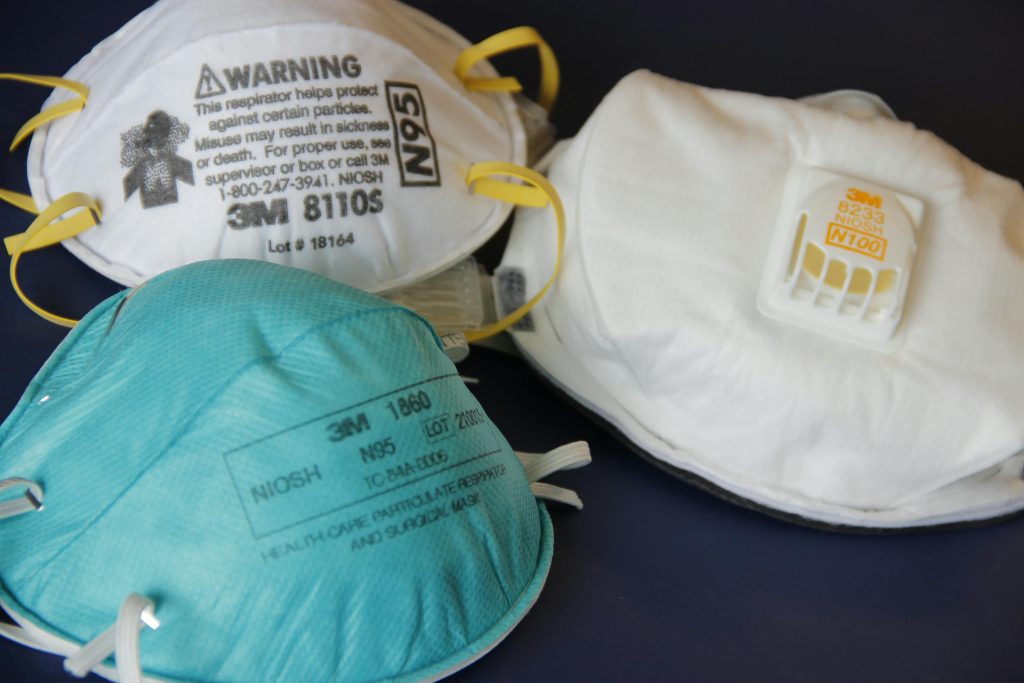
5. Mask assumptions can backfire around volcanic gases
Public health recommendations highlight a common misconception: regular masks are not effective against volcanic gases such as SO2. The same recommendations state that the short-term use of N95 masks is helpful for ash but not gases, and that problems with fit can make them inappropriate for children or individuals with facial hair. The key for tourists is to focus on location and wind reducing one’s exposure rather than using a mask to make vog conditions comfortable.
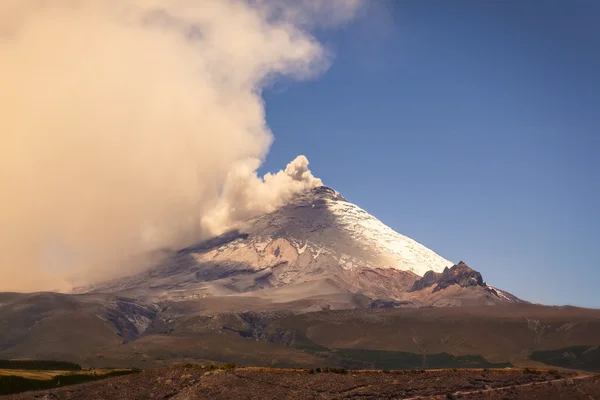
6. Even during pauses, the summit can keep emitting at hazardous levels
The eruption style of Kīlauea has been episodic, with many events being less than 12 hours long and followed by periods of dormancy that can extend into days or weeks.
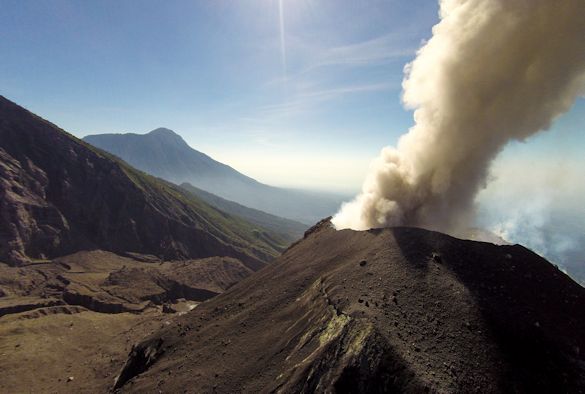
During these periods of dormancy, the volcano is still capable of releasing large amounts of SO2; one recent measurement reported 1,550 tons per day, with a typical value for the period of dormancy ranging from 1,000 to 5,000 tons per day. This indicates that “no fountain right now” does not necessarily mean “clean air right now.”
7. Small earthquake swarms can add uncertainty at the summit
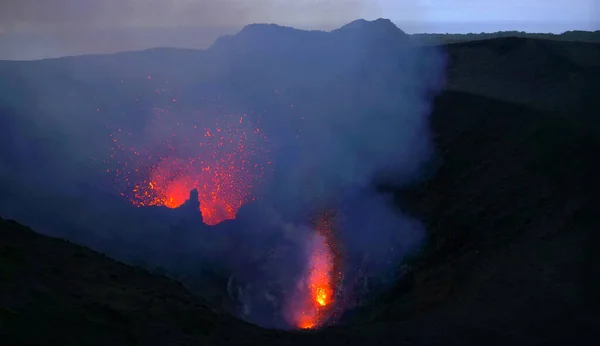
The monitoring updates have reported the occurrence of swarms of low-magnitude earthquakes beneath Halemaʻumaʻu, many of which are below magnitude 2, associated with magmatic pressure changes. Although the public attention has remained on lava glow, these swarms of earthquakes further emphasize the park’s message to remain in open areas. They also clarify why there are closures and restrictions in access.
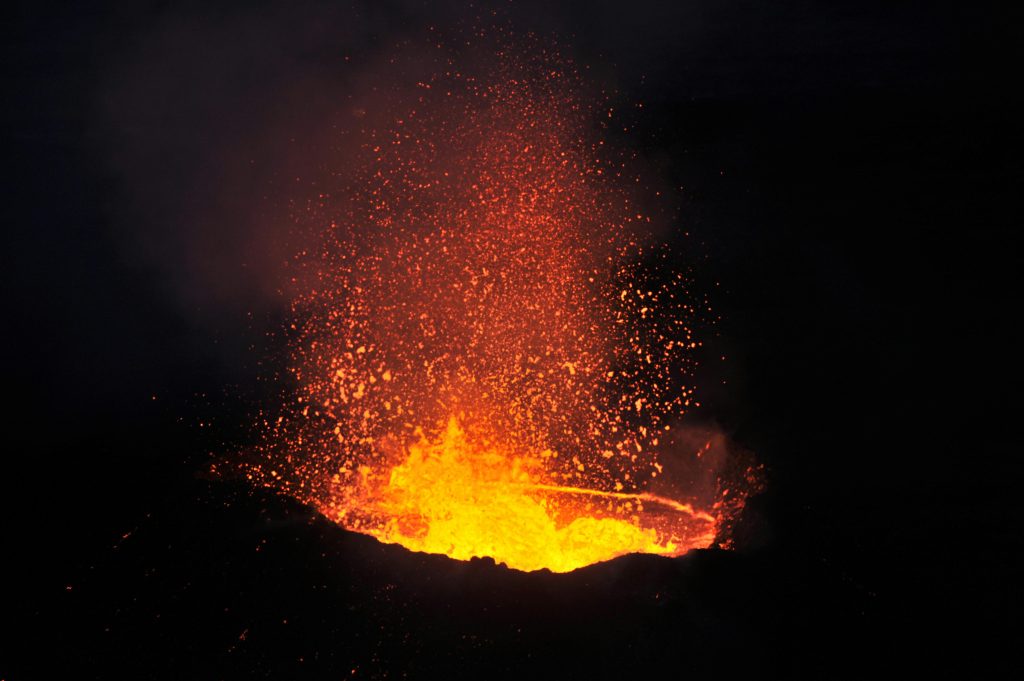
The allure of Kīlauea is undeniable, but it is the same power that makes the crater so alluring that also produces the fast-moving, useful hazards from congested roads to annoying air. For the visitor, the best trip will likely resemble less a pursuit of the best shot and more a selection of a plan that can adapt to the weather, the crowds, and the wind. The park signage message has been consistent: “Follow signs, use designated parking, and consider crowds and your own health needs before making your way towards the rim.”