
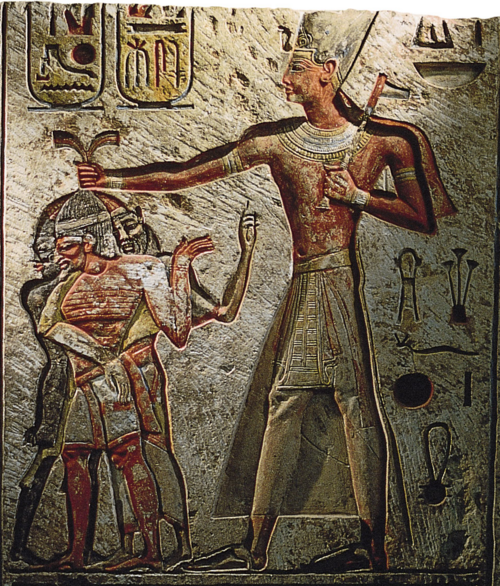
“‘All sources, primary/secondary and firsthand/secondhand, must be searched for ideological, propagandistic, religious, or other biases before the encoded historical information can be used for historiographical purposes.’ This counsel, offered in the latest scholarship, fits the Exodus question like a seal on clay: the record that has come down is partial, interested, and sometimes late.”
And yet the dialogue goes on because there are certain texts and artifacts that orbit around the same ideas. A foreign faction in Egypt. A split in the religion. Allies in the Levant. A hurry to depart. Gold and silver being traded. Older Hebrew poems that are more like memory than well-crafted history.
The following is a list of some of the places where the pieces of the ancient world seem to rhyme, even if they do not agree.
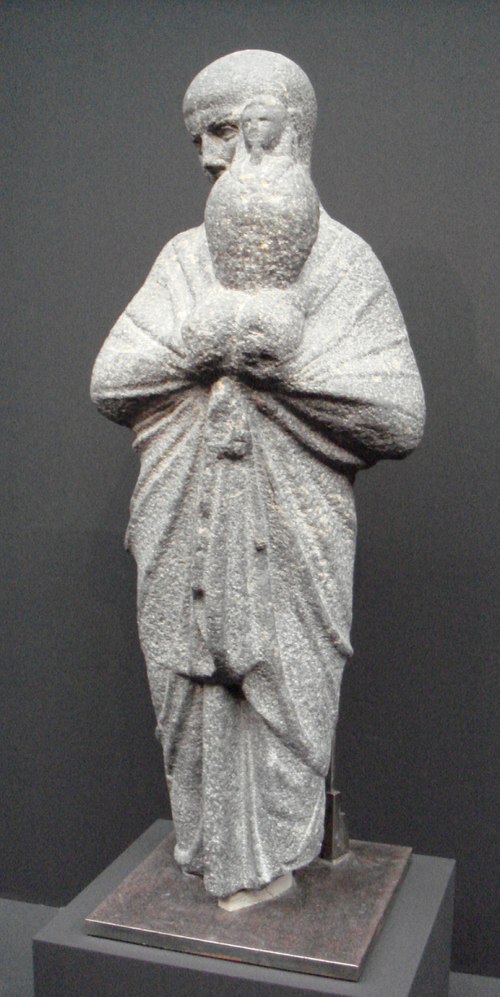
1. Manetho’s Osarseph Story and Pharaoh’s Fear of “Inside Allies”
In the Manethan narrative as related by Josephus, there is a priest named Osarseph who leads an impure and ostracized community, and later takes the name Moses. Whatever the level of preservation of the narrative may be, the mechanism of fear in the narrative is the same as that of Pharaoh in Exodus 1:9-10: “They will join our enemies and fight against us.” This mechanism, and not the details, has been noted by scholar Thomas Römer.
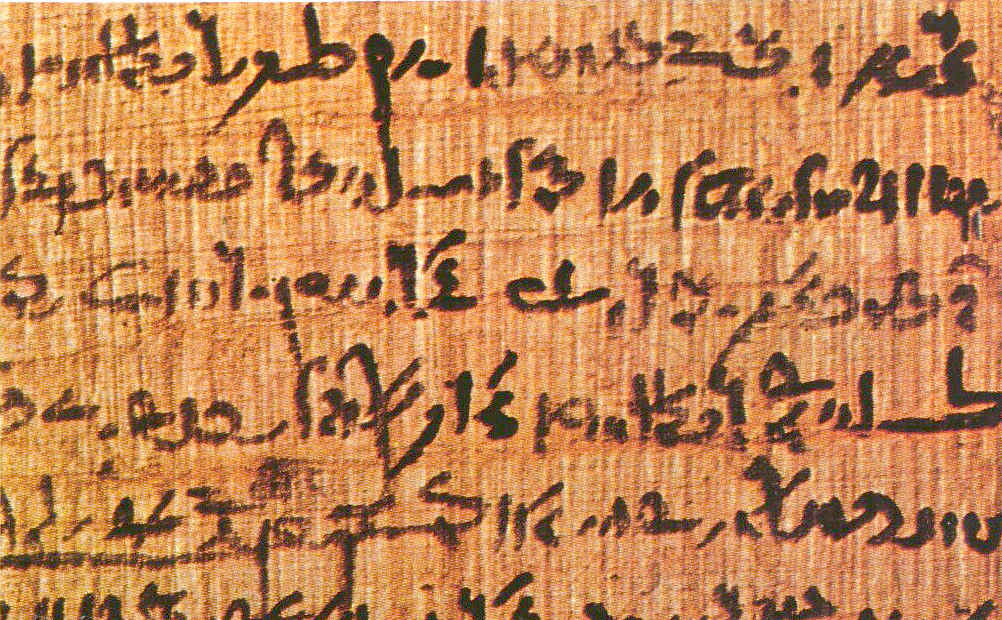
2. A Forty-Meter Papyrus That Remembers “Empty Years” and a Foreign Usurper
The Great Harris Papyrus, from the reign of Ramesses III, looks back at the era of upheaval that followed the 19th Dynasty and speaks of a ruler of the Levant, an “Irsu,” a usurper of power who imposed taxes on the land and stirred up trouble in the offerings to the temples. The language of the Harris Papyrus is not disinterested; it is state memory. But it has a form: a crisis in Egypt, foreign rule, and a restoration that is the restoration of proper cult.
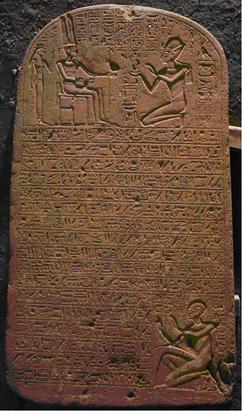
3. Elephantine’s “Swallows Fleeing the Hawk” and the Abandoned Treasure Motif
A monument from the second year of Setnakhte at Elephantine shows the enemies in a state of panic, fleeing “like swallows,” leaving behind silver and gold that had been used to entice Levantine allies. This is very close to the Exodus 12:35-36 text, where the departing Israelites are given silver and gold. While the two texts do not tell the same story, they share the same moment of value: valuables in motion at the moment of parting, out of fear.
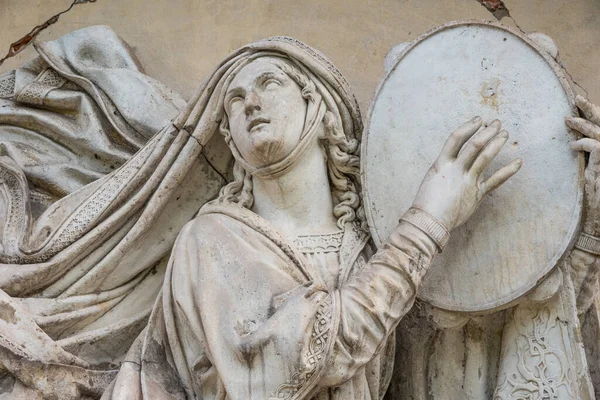
4. The Oldest Poems Speak Strangely: Miriam Names a People, Not “Israel”
This literary contrast, which is so significant from a historical point of view, has been pointed out by Richard Elliott Friedman: “The Song of Miriam is given a status as one of the oldest sources in the Bible, but it does not mention ‘Israel’ or a huge number of people. It refers to an ‘am, a people, leaving Egypt, and being led towards a holy dwelling.” In this way, the poem is like the memory of a smaller people whose identity later expanded to include a national story.
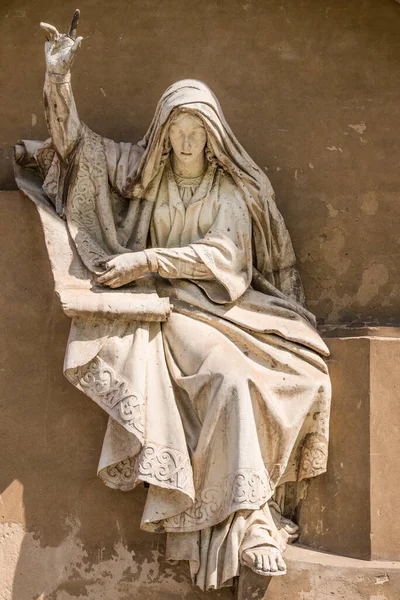
5. Deborah’s Victory Song: Lists Tribes And the Silence About Levi
Modern scholarship on Judges 5 generally begins with the following proviso: “The song is colorful, archaic, and not a straightforward history.” However, it has been argued that the poem is probably to be dated to the late 12th or early 11th centuries BCE, with some theories of dating focused on around 1100 BCE. In the list of tribes in the poem, Levi is missing, and this is thought to be consistent with the idea that the Levites had not been fully assimilated at the time of the poem’s composition.
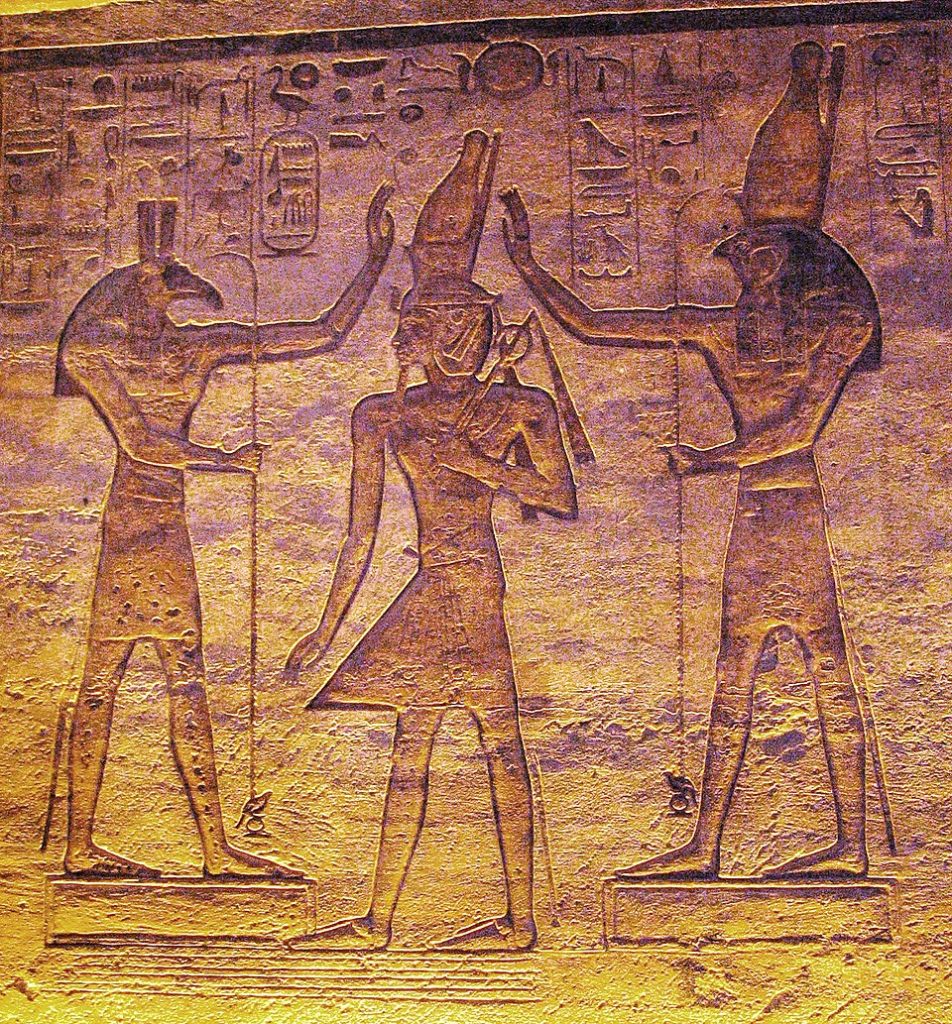
6. Levite “Egyptian Fingerprints”: Names, Practices, and a Tent Like a Pharaoh’s
Friedman’s model simplifies the Exodus memory to a core group of Levites. He notes that Moses was a Levite, and that Levites had Egyptian names Moses, Phinehas, Hophni, Hur while other tribes did not. He also points out that there are cultural traits emphasized in the priestly texts: circumcision, the frequent demand to “keep the alien because we were aliens in Egypt,” and the obsessive concern for the Tabernacle.
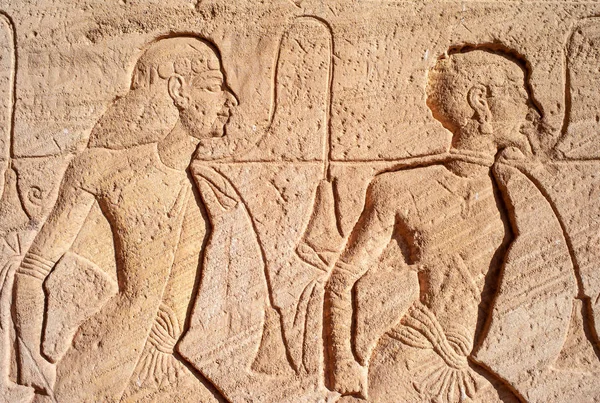
In his reconstruction, the Tabernacle’s design shows similarities with the battle tent of Pharaoh Rameses II, suggesting a possible channel through which Egyptian traits could infiltrate Israelite imagination without necessarily assuming that all Israelites in the early period lived in Egypt.
7. Theological Merger as Cultural Memory: El and YHWH Becoming One
In the same vein, the Exodus tradition is more than a travelogue; it is an identity negotiation. Friedman offers a scenario in which the settled Israelite communities were the worshipers of El, while the newcomers, the Levites, were the worshipers of YHWH. The way out was to assert that they were one and the same. This is linked to the formulations of Exodus 3:15 and 6:2-3, in which the name of God is offered as a newly discovered name in the story of Moses. The result is a religious development that can be traced in the text, not a second god alongside the first god but a name incorporated into a single identity.
These allusions, however, do not dissolve the Exodus tradition as a single, simple occurrence, nor do they obviate the need for methodological rigor. They do, however, indicate why the question persists: there are multiple streams Egyptian propaganda, narrative polemic, and early Hebrew poetry that retain similar forms of conflict, departure, and remembered belonging. In this confluence, the ancient world offers a mosaic, not a monument, with “broken pieces whose edges still, at times, fit.”


