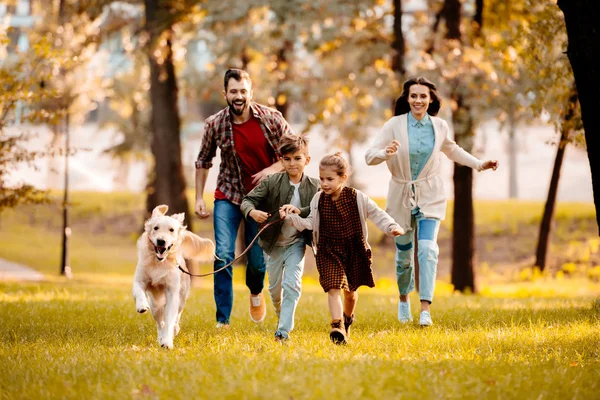
“The bond a dog feels isn’t built by occasional grand moments. It settles in through small, repeatable cues that tell a dog what to expect and how safe it is to stay close.”
Most of the things that will make the dog happier seem almost pedestrian: a pause at a mailbox, a gentle tone in a loud setting, or the choice to hold back instead of lean in. These are the things that will become the dog’s evidence that the human is reliable, respectful, and deserving of attention.

1. Let the nose set the pace
For dogs, the process of exploration through sniffing is a process of information gathering. With 200 million scent receptors, a walk is not only a form of exercise; it is a way of reading the neighborhood for a dog. A leash that allows safe roaming and some slow “sniff stops” along the way can make the same walk a process of mental stimulation, which in turn helps to promote calm behavior at home.
2. Offer attention that does not compete.
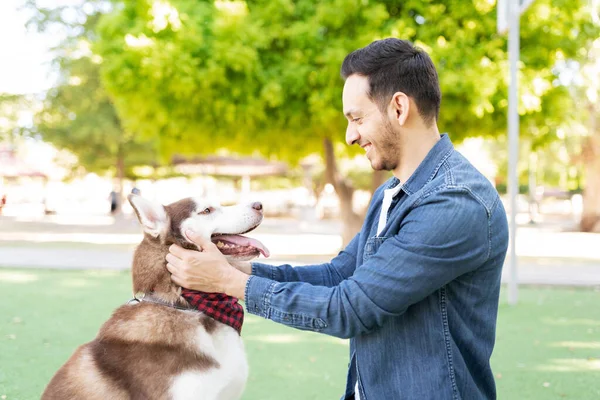
The dog is conscious of the split attention between himself and the screen. A few minutes of eye contact, significant play, and petting convey a clear message: the dog is the focus of attention. This attention is normally reflected in enhanced responses when distractions appear outside.
3. Use tone as the actual message
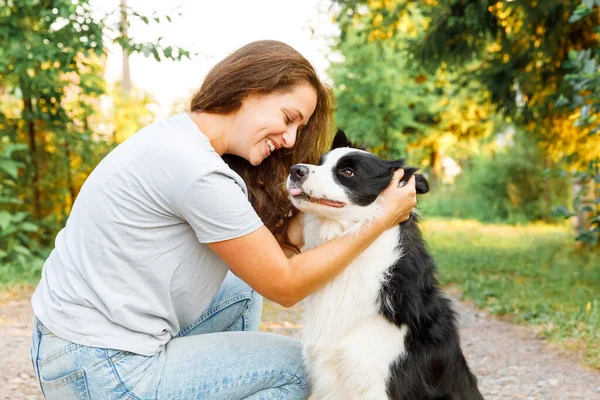
Dogs follow emotional intent through voice, sometimes beyond words. A soothing and consoling tone can calm the nerves in new situations, but a steady and strong signal can cut through confusion in situations of safety. A varying tone can be confusing and cause a dog to question instruction instead of expecting it.

4. Respect the “please give space” signals
Personal space is not a training issue; it is communication. Stress behaviors include yawning, lip-licking, turning away with the head, and breaking eye contact. In canine communication, dogs will yawn from stress, not just fatigue. If a human pauses, relaxes posture, or lets the dog decide whether to approach, the dog will recognize that his space will be respected.
5. Hand-feed strategically, not continuously
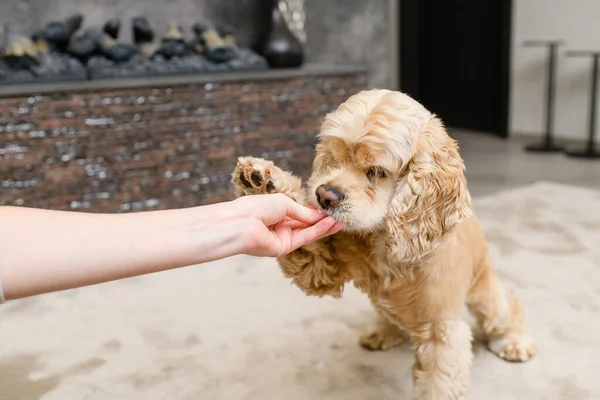
Hand-feeding can be a simple method to establish trust, especially in shy dogs, newly rescued dogs, or puppies who are still learning about hands. It also allows the dog time to eat rather than gobbling down food and practicing self-control as the dog waits patiently for each mouthful. Hand-feeding can be done during a regular meal to establish trust while working on focus despite distractions.

6. Keep up the routine “predictable enough”
Dogs will respond well to a day that has a rhythm. Having a routine for eating, walking, and sleeping will eliminate stress and get rid of behaviors that are a result of uncertainty. A routine does not have to be rigid, but it should be consistent enough that the dog can calm down instead of waiting with anticipation.

7. React to the check-ins, particularly the quiet ones
Dogs will then “ask” for reassurance by a glance, a lean, or by choosing to lie down in the area. This is social referencing, and it is more than a demonstration of affection. It is information-seeking behavior. In a study of 171 dogs, the researchers searched for patterns of how often dogs checked in on people in an uncertain situation. A calm word, a nod, or a touch in response to a dog’s check-in will reinforce the dog’s understanding that their communication is effective and that the person is a safe place to return to.

8. Make room for shared quietness
Not all connection points demand action. To be in the same room, to sit together after a walk, or to have a calm evening can show the dog that being close does not necessarily mean taking action. For older dogs, for nervous dogs, and for busy families, a calm companionship can be one of the most stabilizing forms of belonging.

Canine happiness might look like relaxation: loose body, willing appetite, interested on walks, and unaffected by normal household noise. These outcomes can almost always be attributed to small human behaviors that are consistently demonstrated. When these are added up sniff time, respectful space, consistent tone, and acknowledged check-in canines live with more certainty. For many canines, this is the foundation of happiness.