
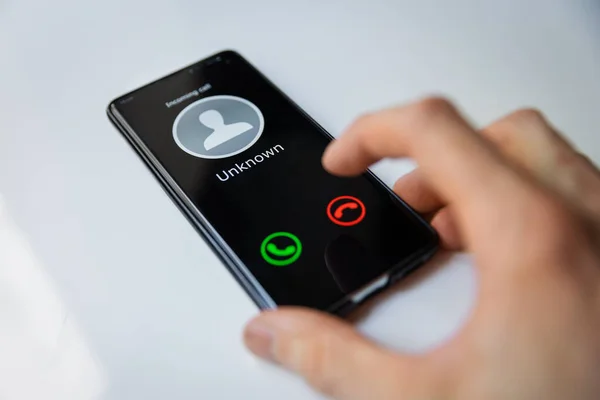
“Nothing puts people on edge like a phone call that sounds very official and very urgent especially when money and taxes are involved. That’s when impersonation scammers count on the split second when fear gets the jump on common sense.”
It’s a pattern that’s all too familiar: the tough voice, the badge number, and the intimidation tactics designed to keep a person on the line. The best change of shift is simple: from emotion to procedure.
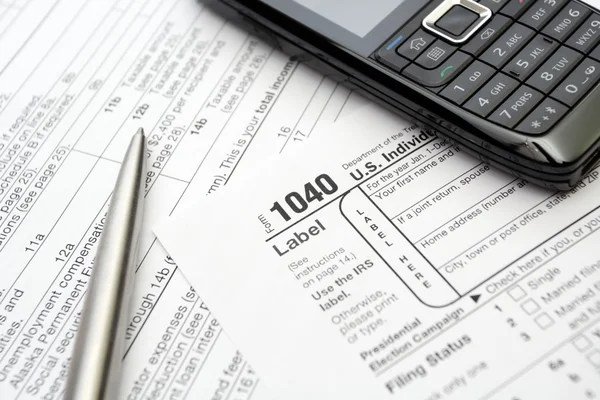
1. Ask which IRS notice was mailed and when
But one procedural question will shatter the spell: “What letter or notice is this about, and when was it sent?” It’s a good one because a letter or notice is the first contact the IRS will make with a taxpayer in most cases. A taxpayer who can’t answer what notice it is, point to one of them, or tell how it got into the taxpayer’s account will likely go back to the threats. That alone is worth remembering.

2. Urgency should be viewed as a signal rather than a deadline
Scammers use a countdown notice: pay now or be arrested, deported, or lose your license. A real tax problem allows time to respond, opportunities to appeal, and a process to follow. Threats of “this is between us” or “make a decision today” are meant to thwart verification.

3. Know what the IRS will not do especially around payment
The scammers attempt to control the payment system because it helps them determine if the money can be traced. Taxpayer tips include the following: The IRS will never ask a taxpayer to pay using any type of pre-paid card or gift card.
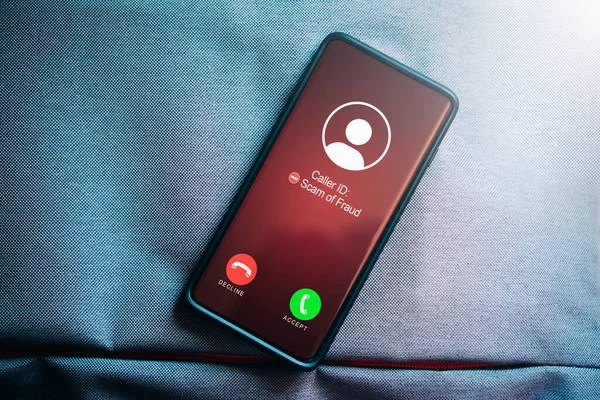
The demand to pay by wire transfer, cryptocurrency, or a payment app is in the “hang up” category. So is the demand to read a credit card number aloud or to send payment to a person named.

4. Assume caller ID can lie
Even if you are a very cautious person, you will still be deceived if the screen displays a local number or a government number. This is because the point of caller ID spoofing is to display false information to your caller ID. The best practice is to never use any callback number that is offered to you during the call, in your voicemail, or on the incoming call screen.
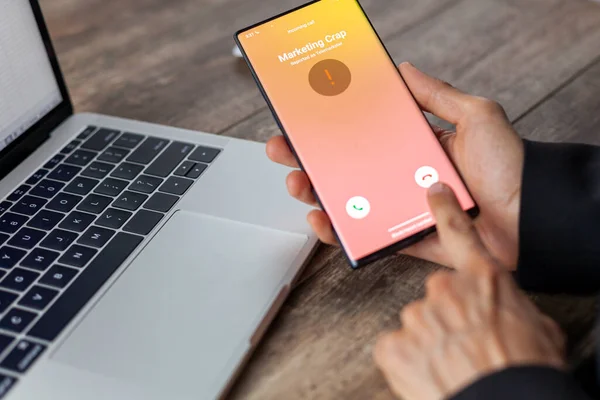
5. Do not press any buttons on robocalls or “opt out” messages
Most tax scams are voice messages that threaten the recipient with being taken to court if they do not call back immediately. Pressing 9 to remove one’s number from the list or pressing 1 to talk to an agent may lead to being scammed again in the future. Hanging up and deleting the message will conserve attention and prevent it from being followed up on.
6. Verify independently then decide the next step
If it seems like it might be a valid call, follow-up verification should occur outside of the call. A secure online account with the IRS can be used to see if there are any notices of taxes owed, or the IRS can be contacted through a verified phone number from an official website or from previous correspondence. If a private debt collector is being used, this should be traceable through written notices first; calls about debt collection that are not traceable in this way should not be considered valid.

7. Report the attempt so patterns get tracked
Reporting is not only reporting an incident but is also used to spot recurring scripts, phone numbers, and patterns. The IRS recommends that victims of these calls should report them using the Treasury Inspector General for Tax Administration (TIGTA) reporting process, while impersonation scams involving government agencies can be reported to the FTC.

The emotional damage caused by these scams is real, and so is the relief that comes with freezing the moment. One calm question about a physical notice puts the call back on a set of rules that scammers cannot follow.


