
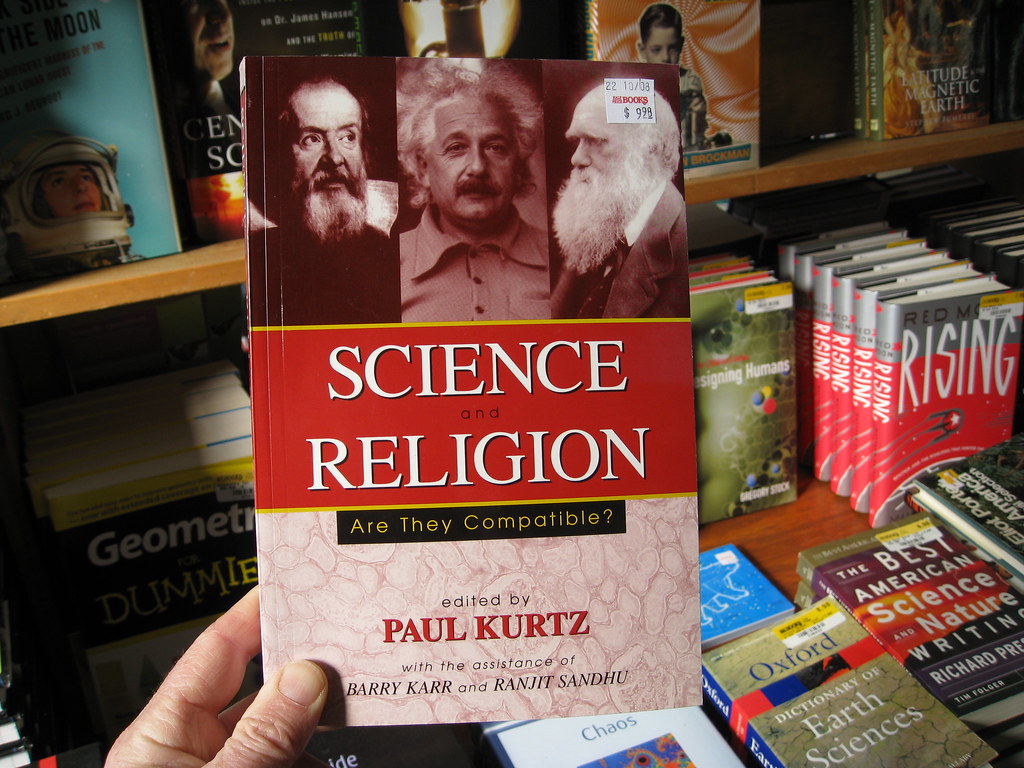
“One phrase, ‘science versus religion,’ can summarize the history of several centuries into a shouting match. But the more interesting story is a quieter one: the needs for meaning, order, and explanation that drive both belief and evidence are often the same, even when they point in opposite directions.”
Where the tensions appear is typically specific, not general. Some religious claims make specific claims about the physical world, and modern technology, from isotope dating to brain scans, makes it possible to test these claims with a high degree of specificity.
1. A young Earth measured in thousands of years
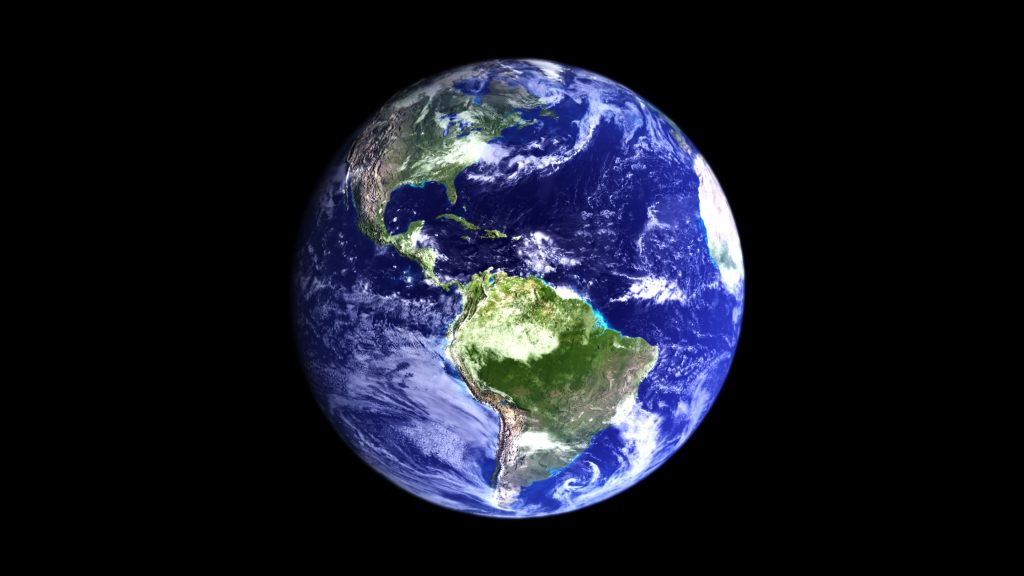
Some biblical chronologies condense the age of the Earth into a few thousand years. In geology and physics, there are many independent clocks that do not match. The radiometric dating of rocks, meteorites, and minerals all yield the same age for the Earth: 4.54 billion years. The long tree rings that go beyond 10,000 years and the ice cores that have climate data beyond that length offer more physical “pages” than a short chronology can contain, before even getting to the fossils.

2. Weather as direct divine messaging
Storms and droughts have been thought of as judgment, warning, or favor. Contemporary climate science, on the other hand, has its roots in greenhouse gases, ocean currents, aerosols, and atmospheric circulation patterns. This in no way diminishes the spiritual importance that people attach to weather but simply shifts the cause of weather from the spiritual to the measurable.

3. A global flood in recent human history
Flood legends are to be found all over the globe, such as the well-known Near Eastern flood legends and the Noah legend. The earth sciences have not discovered any evidence of a global flood in the past 10,000 years, but rather local floods and changes in sea levels that could very well be the basis for the seeding of a collective memory. In this regard, geology in general corresponds with “many catastrophic floods” and not “one planet-wide flood.”
4. Creation in six days versus a deep-time cosmos
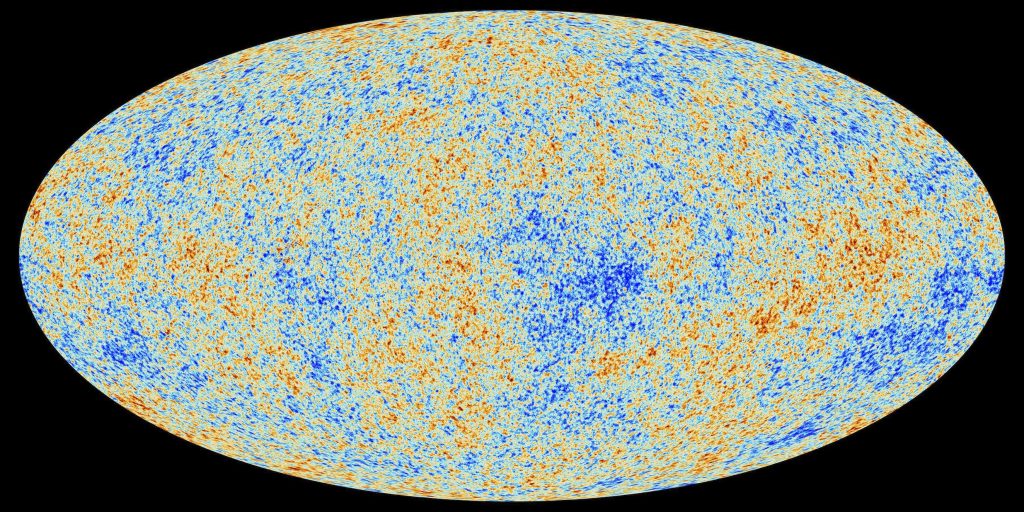
The literal six-day creation appears to conflict with the age of the universe of about 13.8 billion years. Among the most significant evidence comes from the cosmic microwave background radiation, the residual heat that is left over as a result of the time of transparency of the universe. More recent observations have enabled a more accurate estimate to be made of this “ancient starlight,” which was a concept of purely poetic interest in the past.

5. Prayer as a reliable cure for illness
Prayer is still an important part of the coping mechanisms of many people, especially under medical stress. There is no controlled research evidence that has been able to show a healing effect that is greater than placebo or standard care. What has been shown is the indirect effect of prayer, which is the reduction of anxiety, provision of social support, and help to some patients in coping with uncertainty, which may be important for well-being, even if it does not have a medical function.
6. Humans living alongside dinosaurs
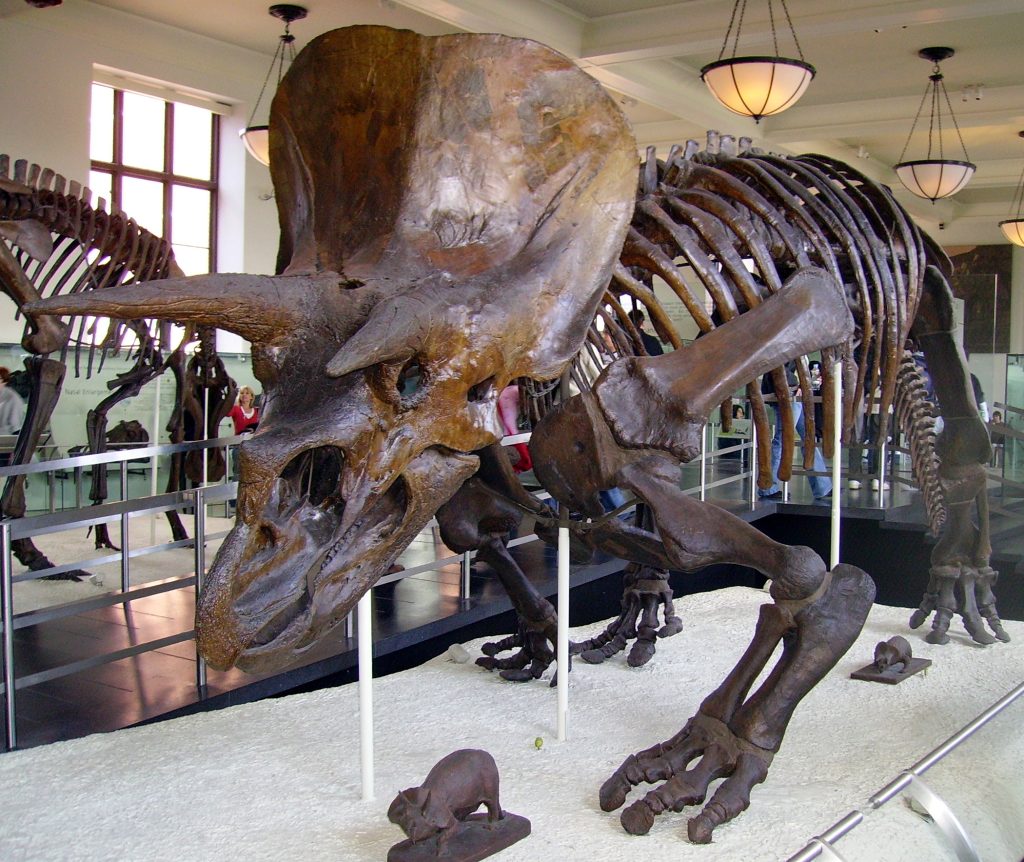
The fossil record indicates that non-avian dinosaurs became extinct at 66 million years ago, while anatomically modern humans emerged 300,000 years ago. This makes it impossible for human encounters and T. rex encounters to occur at the same time.

However, this statement can still be true because “dinosaur” is not entirely in the past tense because birds are the descendants of dinosaurs, which is a technical issue that can cloud public discourse even as it clarifies scientific discourse.

7. The soul as completely separate from the body
Many religions place the essence of self in the soul, which is not bound to the body. Neuroscience has repeatedly shown the connection between personality, memory, and perception and the activity of the brain: damage can alter one’s personality; stimulation can alter what one perceives; and laboratory research can create experiences that are as if the “self” has “left” one’s body. More recent research on consciousness has further muddied the simple correlations of consciousness in the brain. A massive “adversarial collaboration” study was published in Nature, pitting two of the best theories against each other and finding that the results did not necessarily prefer one over the other, but further diminished the search for the “footprints” of consciousness in the brain.

In each of these examples, the point of the hard edge is not that science “attacks” religion, but that that which can be tested is subject to testing. Some religious beliefs will fall back on metaphor, ethics, or meaning; others will stubbornly insist on their literal interpretation in the face of contradictory measurement. In either case, what is left is the same human impulse: to explain the world and find a life within it to do so with scripture, to do so with instruments, and often to do so with both in close but uneasy proximity.”


