
“Halloween feeds fill up with ‘easy’ shortcuts: a faster costume fix, a spookier party effect, a bolder photo. In real life, those same ideas can turn a living room into a burn unit, a bathroom mirror into a dental emergency, or a candy bowl into a poison control call.”
The risk is not the holiday. It is the illusion of control that comes with viewing a 12-second video clip condensed to the “cool part” with the aftermath occurring off-camera.
1. Fire tricks with hand sanitizer, rubbing alcohol, or hairspray
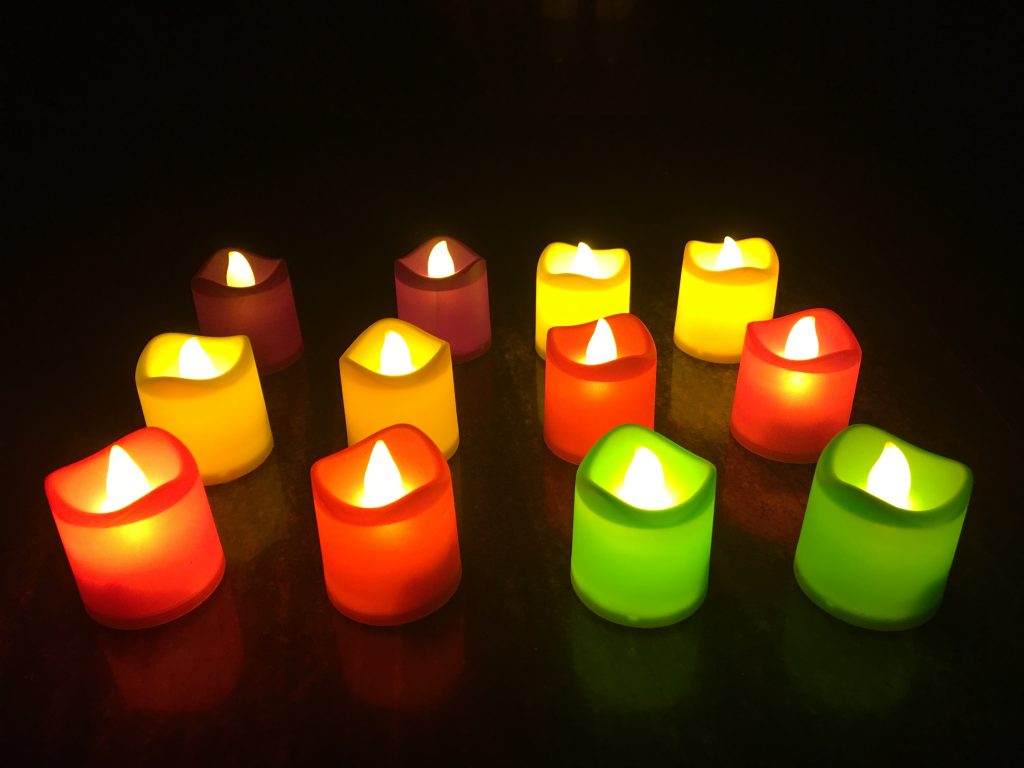
Alcohol-based products burn easily and can project flame beyond what the user intended, particularly if vapors accumulate or if a liquid drips in a thin, almost invisible layer. As a flame grows from hands to sleeves or from a surface to a bottle, the burn injury distribution shifts from “small burn” to face, eyes, and airway. A mother talking about her daughter’s burns after attempting a social media fire challenge said, ‘About 45 to 50 percent of her face was second-degree burns her hands,’ and she said, ‘My life has changed drastically since then.’ Instead of using open flame for the same dramatic effect, the hosts can use LED candles, battery lanterns, and projection lighting around costumes, decorations, and hair products.
2. Dry ice in punch bowls and cocktails indoors
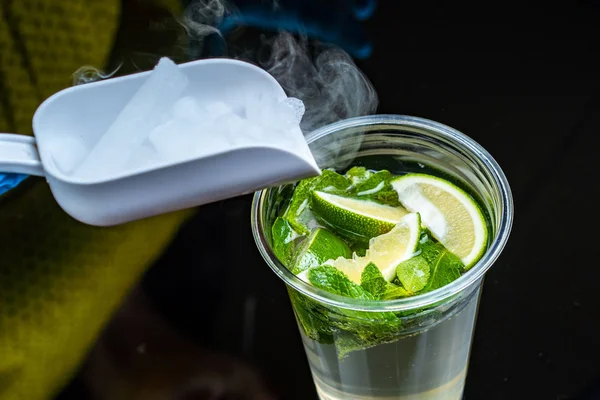
Dry ice is solid carbon dioxide, and when it sublimates, the gas may accumulate in low areas and displace oxygen in a tight space. Taking the picture by leaning over a bowl of dry ice can cause lightheadedness, while direct exposure can cause a burn to the skin. The fog effect can be achieved using other safer alternatives, especially around children.
3. Costume contact lenses purchased without a prescription
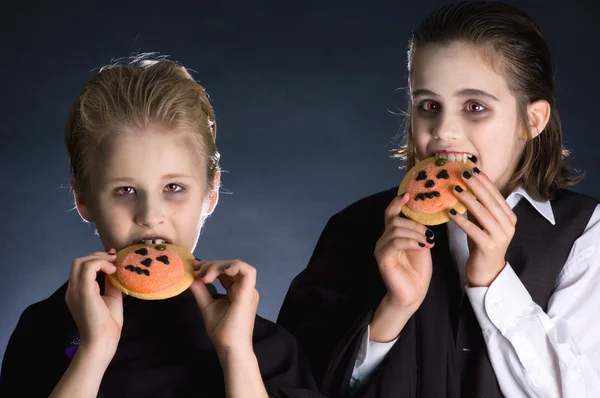
Cosmetic contact lenses are actually medical devices and can scratch the cornea and create an infection if they don’t fit properly. The consequences are swift: blindness, sometimes in as little as 24 hours, is a possible consequence of a serious infection that has not been treated. Proper use begins with an eye exam and proper cleaning instructions based on the type of contact lens.
4. Attaching vampire fangs to teeth using nail glue or super glue
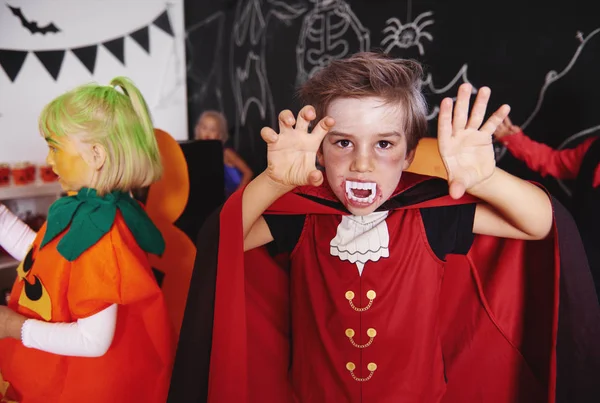
Cyanoacrylate adhesives are highly aggressive in moist environments, and mouths are never dry. Dentists have cautioned against placing these substances close to gums and enamel because the removal process can remove or crack the surface of the tooth. In a Health interview, Vanessa Creavan, DMD, stated, “I would never recommend any of my patients super-glue anything to their teeth or put super glue anywhere close to your mouth,” and continued, “Superglue has in itself toxic additives, which when placed close to the gum tissue can cause gingival inflammation; placed on the tooth, you can end up needing a root canal.” Costume makeup intended for oral use, like denture cream or orthodontic wax, is formulated to be released more safely.

5. “Black henna” temporary tattoos that turn jet-black quickly
Natural henna will stain brown to mahogany shades and will take time. The jet black version may contain the addition of para-phenylenediamine (PPD), a dye known to cause allergic contact dermatitis with blistering and long-term pigment changes or scarring. This is important because, once an individual is sensitized to this dye, they may later react to similar dyes found in hair products.
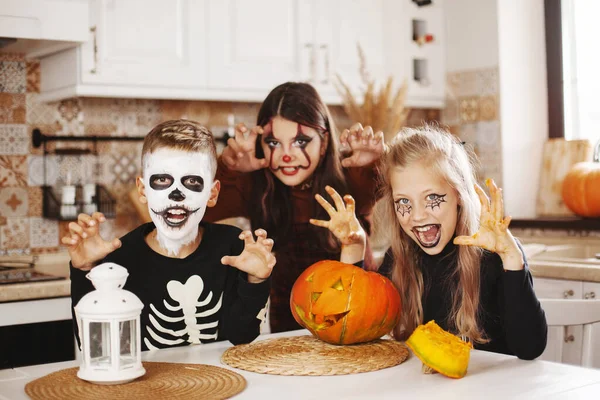
6. Peroxide whitening and abrasive “bright smile” hacks
Swishing concentrated hydrogen peroxide or mixing powders to create homemade pastes can burn gums and weaken enamel. Professional products are dosed and timed because gum tissue is not receptive to cutting corners. In photography, lighting and makeup styling can change the look without turning a holiday into weeks of tooth sensitivity.
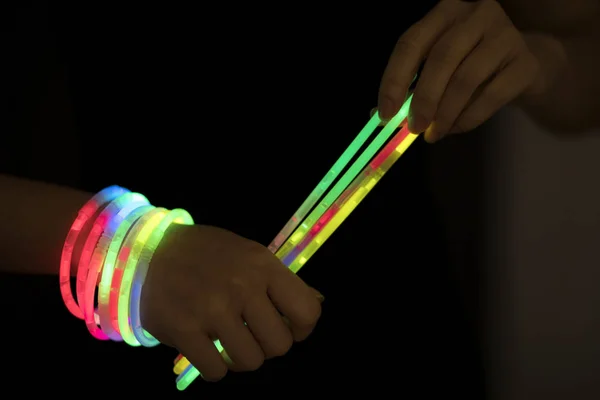
7. Breaking glow sticks to apply neon “paint” to skin
The liquid in glow sticks is often said to be non-toxic, but it can still cause irritation to the eyes and skin, and the glass vial inside can be a part of the problem if the glow stick is bent or broken. Poison control instructions include that the liquid can cause a burning sensation to the eyes and skin and that the eyes should be flushed with running water for 15 minutes if exposed. UV-reactive body paint and blacklight systems produce the same effect with fewer surprises.

8. Indoor fog with poor ventilation
Fog and haze effects can irritate the throat and vision, while heavy output can set off smoke alarms. Best practices involve airflow, positioning machines, and avoiding continuous output. In residential settings, open windows, use fans, and ensure exits and pathways are clear so that “atmosphere” does not become an coughing fit or a fall.
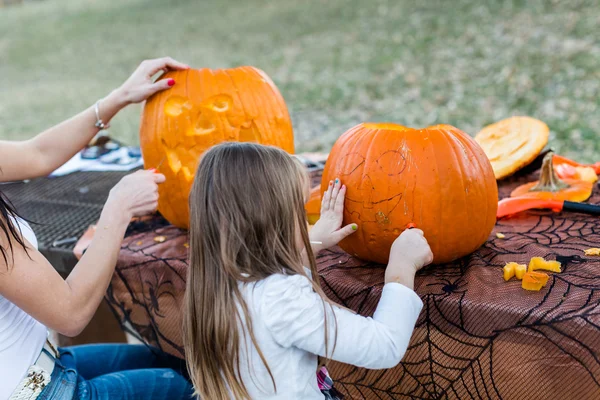
9. Pumpkin carving using power tools and “speed” cutting tips
Fast-carving videos usually cut out the boring parts of pumpkin carving, such as stabilizing the pumpkin, drying one’s hands, and guiding the blade of the knife. Power tools and large knives can kick back or slip on wet pumpkin, and people have to go to the emergency room to get stitched up.
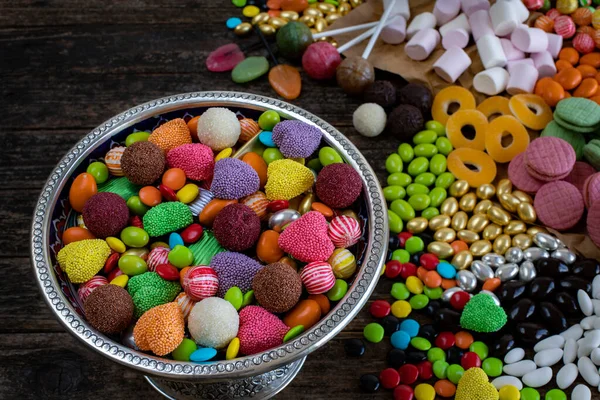
10. Candy look-alikes: edibles, nicotine pouches, and medications
Some adult products come in bright colors and shapes that resemble treats, and Halloween is a time when these products are more likely to end up on the wrong table. The Oklahoma Poison Center received 125 calls for children ages 0-5 who ingested marijuana from January 1 to July 31, 2025, with 54 of those children requiring hospitalization. During the same time period, it also tracked 161 calls for young children involving tobacco or nicotine products, including 40 involving nicotine pouches.
Storing adult products, keeping them away from communal snack areas, and inspecting new treats for the family can keep the risk of the holiday where it belongs: in the scary stories, not the medicine cabinet. Halloween celebrations do not have to be perfect on camera. The most secure Halloween celebrations take a page from professionals in one way: they plan for what happens after the video ends.