

Fast food brands are founded on speed, familiarity, and a short list of cravings that people can rattle off without having to think about it. It’s the same reason why experiments can go so spectacularly wrong: just one weird ingredient, one slow-moving prep step, or one tone-deaf name.
The most memorable failures have one thing in common. They didn’t just miss the mark on taste. They disrupted business, confused markets, or attempted to alter consumer behavior faster than a drive-thru line.
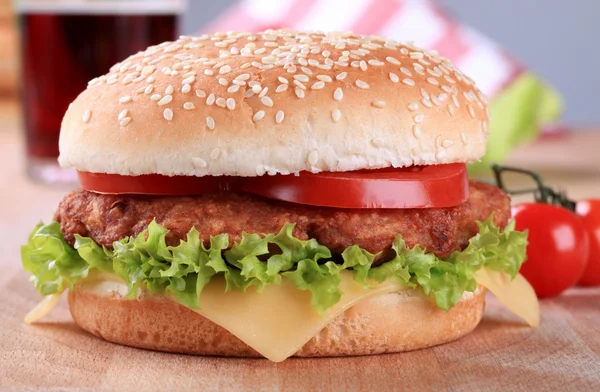
1. McDonald’s Arch Deluxe
McDonald’s attempted to market a “grown-up” burger in 1996, promoting peppered bacon and a Dijon-style mayo as evidence that the company was capable of offering high-quality food. The risk included a massive marketing budget with estimates ranging from $150 million to $300 million, but it didn’t fit with the brand’s comfort-centric identity.
In one of the retrospectives, chef Andrew Selvaggio explained that the aim was “something unique and different [to] set us apart from everybody,” and later added, “It was hard working on a product so long and see it not go anywhere.”
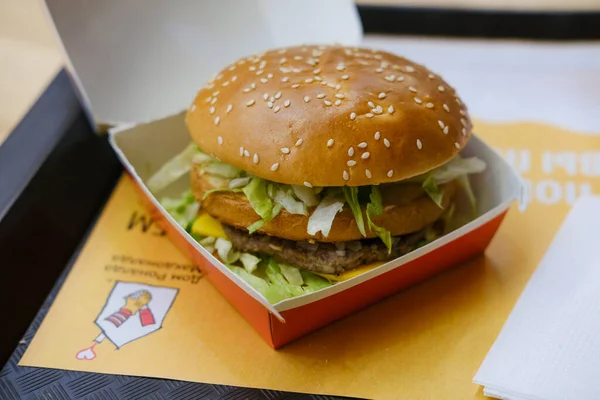
2. McDonald’s McLean Deluxe
The early 1990s brought a “healthier” burger that relied on food science: the McLean Deluxe, which boasted 91 percent fat-free beef through the addition of water and the use of carrageenan to hold texture together. Consumers and nutritional experts complained about the dryness and the eating experience, a reminder that “better-for-you” claims do not last long after a disappointing taste experience.
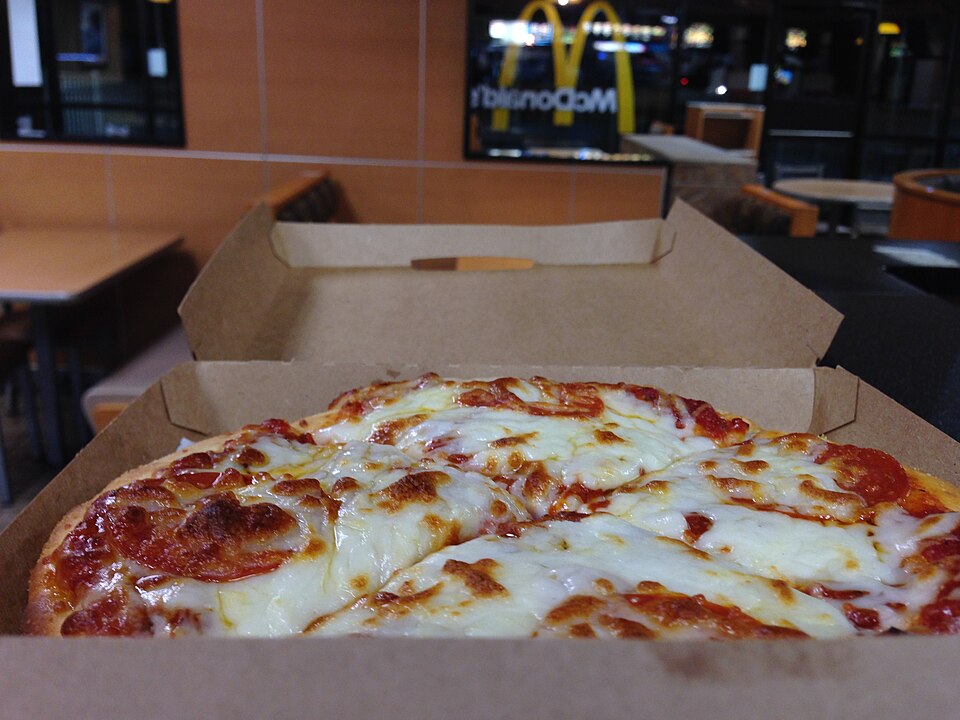
3. McDonald’s McPizza
McDonald’s was looking for dinner business and targeting the pizza market, but the reality of pizza did not fit the model of seconds, not minutes. The preparation time could go up to 10-11 minutes, which did not match the model and caused customers to wait; McDonald’s Canada later explained that an 11-minute preparation time was too long for the service priorities of the brand.
The operational challenge extended beyond just the time factor. Pizza involved new equipment and even changes to the drive-thru, making one menu item a system-wide problem.
4. McDonald’s McDL
The McDLT addressed a real-world issue of keeping hot food hot and vegetables cool by separating the burger into a two-compartment Styrofoam box. The problem was the packaging. The environmental issues, along with the awkwardness of building a meal in the middle of eating, contributed to the removal of this product from the market despite its ingenuity.
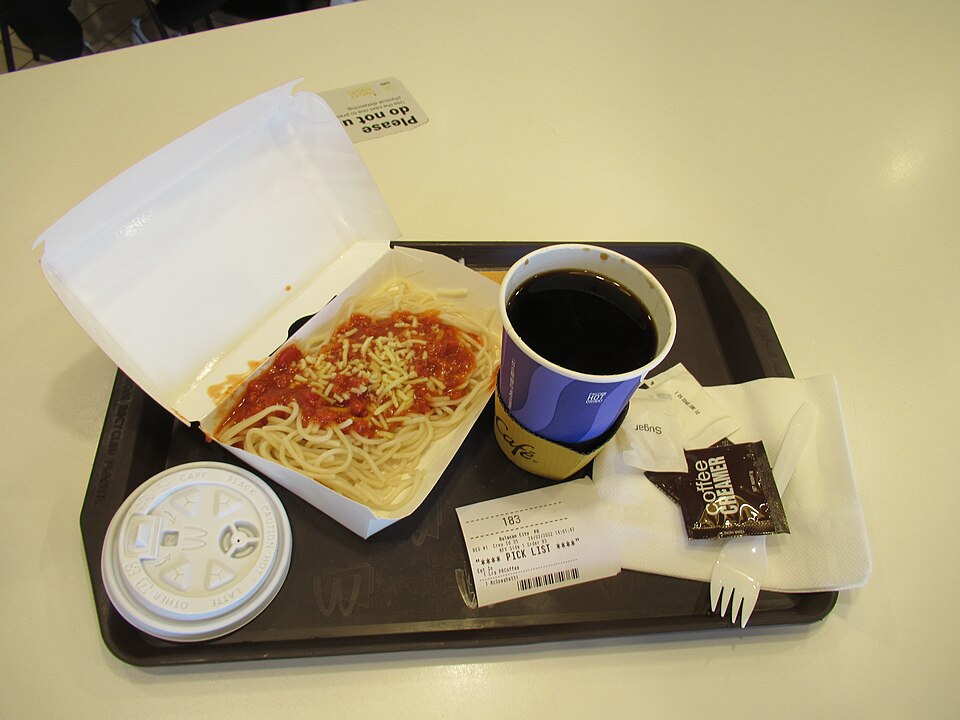
5. McDonald’s McSpaghetti
Pasta appeared in U.S. testing in the 1970s and 1980s, but it was a struggle against the fast food format. It was messy, harder to execute well, and didn’t relate to what customers wanted from a burger and fries brand.
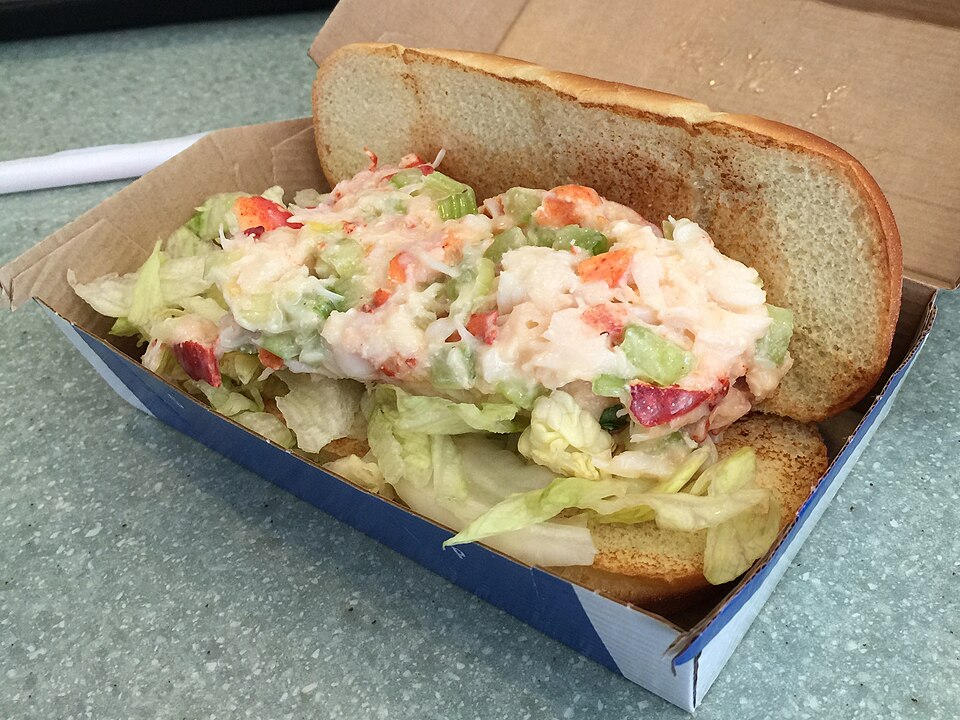
6. McDonald’s McLobster
McLobster, a lobster roll with mayo, was offered in seaside markets as a seasonal concept. It faced a fundamental challenge: customers don’t typically go to McDonald’s to buy seafood.
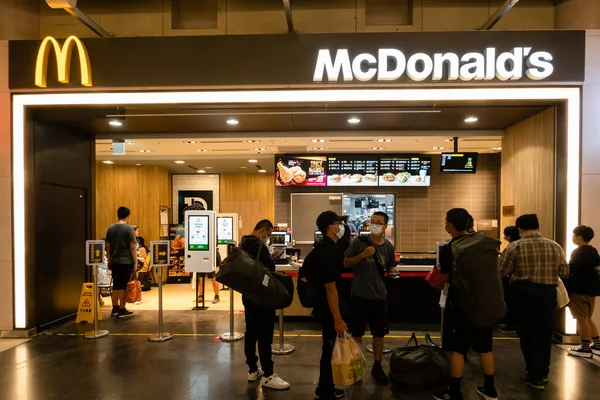
7. McDonald’s McAfrika
The McAfrika, a pita sandwich sold in some European countries, is now a case study in how a product can be overshadowed by its name and timing. The release of the product was criticized by aid groups because it happened during a famine that affected 12 million people, and the controversy was based on the campaign’s lack of sensitivity, not the ingredients.
One of the reactions that was cited summed up the problem quite well: “It’s inappropriate and distasteful to launch a hamburger called McAfrika when large portions of southern Africa are on the verge of starvation,” said Linn Aas-Hansen.
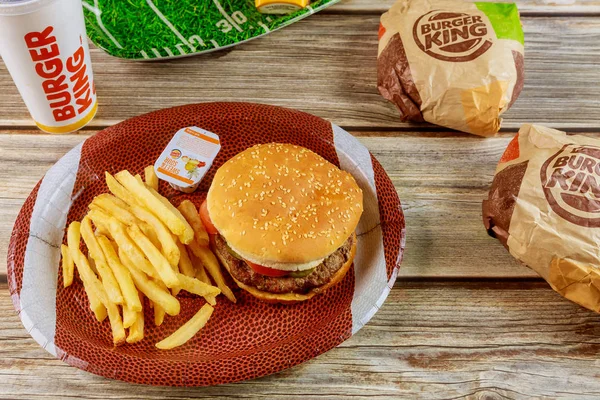
8. Burger King Satisfries
Satisfries were positioned as a lighter option, claiming 40% less fat and 30% fewer calories than regular fries. The product relied on a less-porous batter to absorb less oil, but many consumers felt that the compromise of taste and a different experience with fries was not worth it. The product was eventually pulled from the market about a year after its launch.
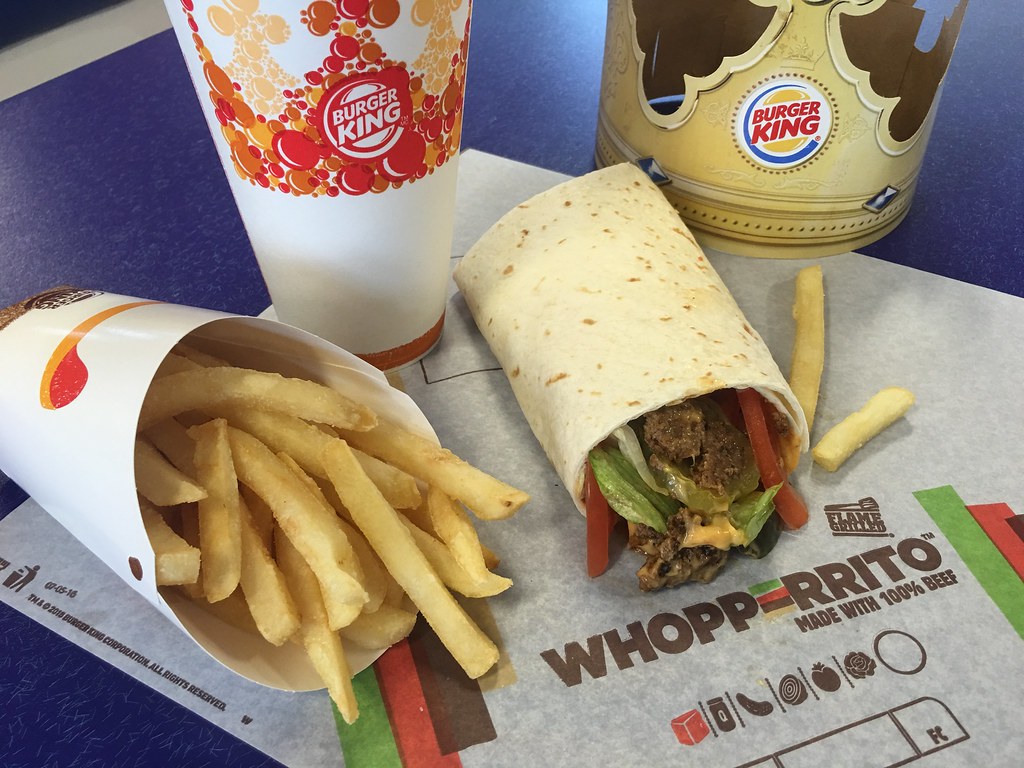
9. Burger King Whopperito
Putting the Whopper ingredients inside a tortilla and adding queso made the Whopperito an easy thing to discuss, but not so easy to love as a repeat business. The idea seemed like a gimmick to many onlookers and could potentially water down the simple identity that makes a signature item reliable.

10. Long John Silver’s Big Catch Meal
The Big Catch gained notoriety because the criticism was based on health concerns rather than excess. Laboratory analysis conducted by the Center for Science in the Public Interest identified 33 grams of trans fat and approximately 3,700 mg of sodium in a meal format consisting of fish, hushpuppies, and onion rings because of the partially hydrogenated frying oil.
CSPI also pointed out the changeover to a frying oil free of trans fats by the end of 2013, illustrating how quickly a single menu item can force a change in operations when the numbers are as stark as they were.
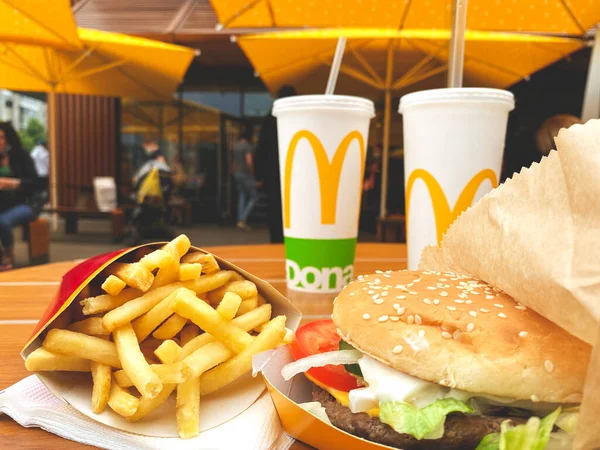
11. The “Adults-Only” Fast-Food Trap
A few of these misses have a common thread: the attempt to “grow up” a brand that consumers visit for predictable comfort. The Arch Deluxe and McPizza were believable product lines, but they asked consumers to treat a fast food stop like a different kind of restaurant, one with longer waits or more effort. Fast food can innovate, but the experiments that stick are the ones that keep the core promise of quick service, familiar flavor profiles, and low friction.
In the span of decades of product launches, the failures are rarely puzzling. When a new product holds up the line, confuses the brand, or sparks a cultural outcry, customers react quicker than any advertising campaign can recover.


