
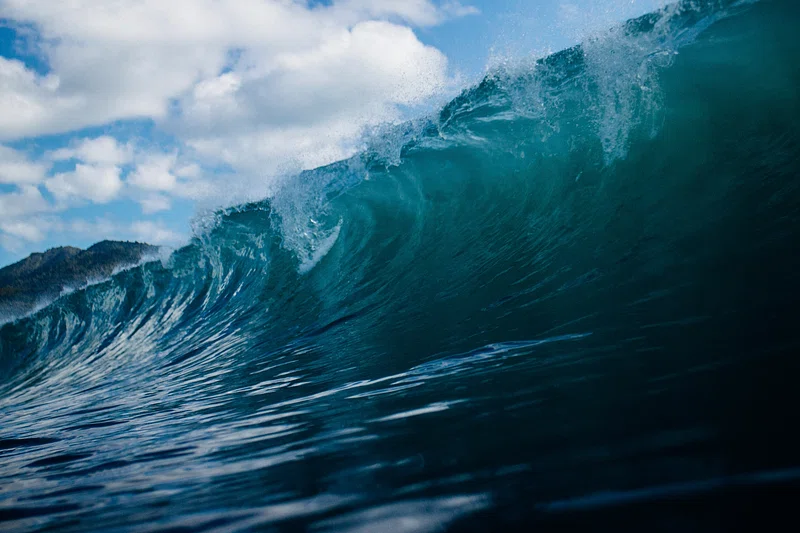
“The Cascadia Subduction Zone is easy to ignore because it lies offshore, quiet and out of sight. But the most dangerous aspects of the Cascadia Subduction Zone are not abstract geological concepts they are fast-moving, local, and practical: how long the shaking will last, how soon the water will arrive, and how long the communities might have to fend for themselves.”
What is unique about Cascadia is how one event can layer hazards upon hazards. Shake, sink, and tsunami can occur within less than half an hour, while the impacts of the event, such as damaged roads, contaminated sites, and changed coastlines, can affect people’s lives for decades.
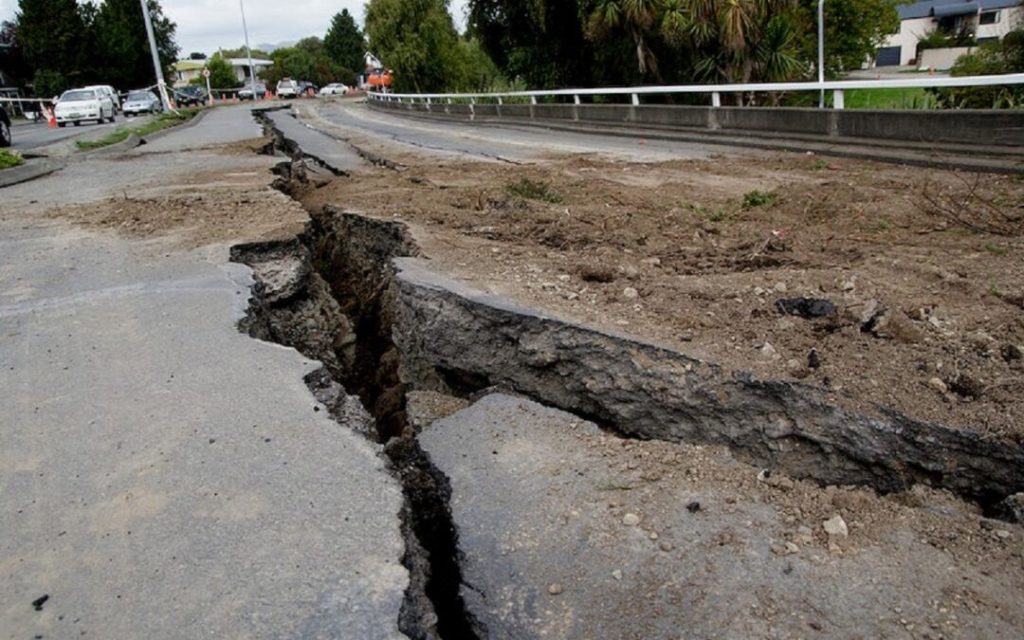
1. A 700-mile fault may break in one long, continuous rupture
The Cascadia Subduction Zone extends for some 700 miles from Northern California to British Columbia. In the case of a full-margin earthquake, the possible magnitude is estimated at M 8.7-9.2, with intense shaking that may last for several minutes. This is important because the longer duration of shaking is associated with an increased likelihood of building collapse, slope failure, and infrastructure damage.
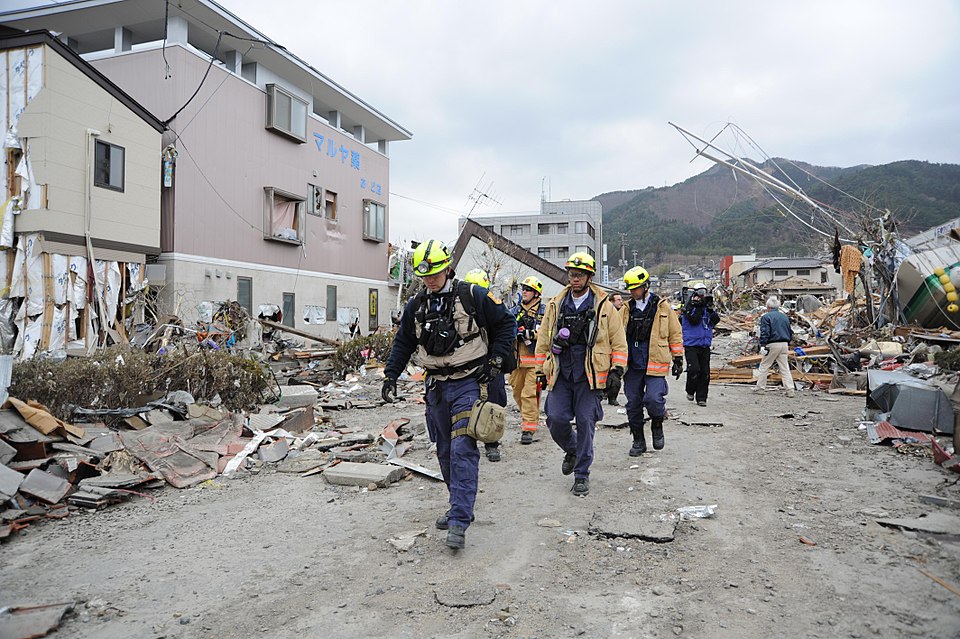
2. The final “great” break is traced back to a winter’s night in 1700
The geologic record of the Pacific Northwest coast correlates well with the Japanese record of the “Orphan Tsunami of 1700,” which allowed scientists to place the timing of the most recent full-margin Cascadia earthquake on January 26, 1700. This historical marker is why Cascadia earthquake planning is based on recurrence over thousands of years rather than prediction.
3. The probability for 50 years depends on which earthquake is being considered
Hazard messages tend to combine several hazards into one headline. However, the probability of occurrence varies depending on the type of earthquake and the region. The Pacific Northwest Seismic Network puts the probability of a M 9 Cascadia megathrust earthquake in the next 50 years at 10-15%, together with other hazards such as deep and crustal earthquakes that may cause damage.
4. The coastal land can drop by as much as six feet – before the tsunami hits
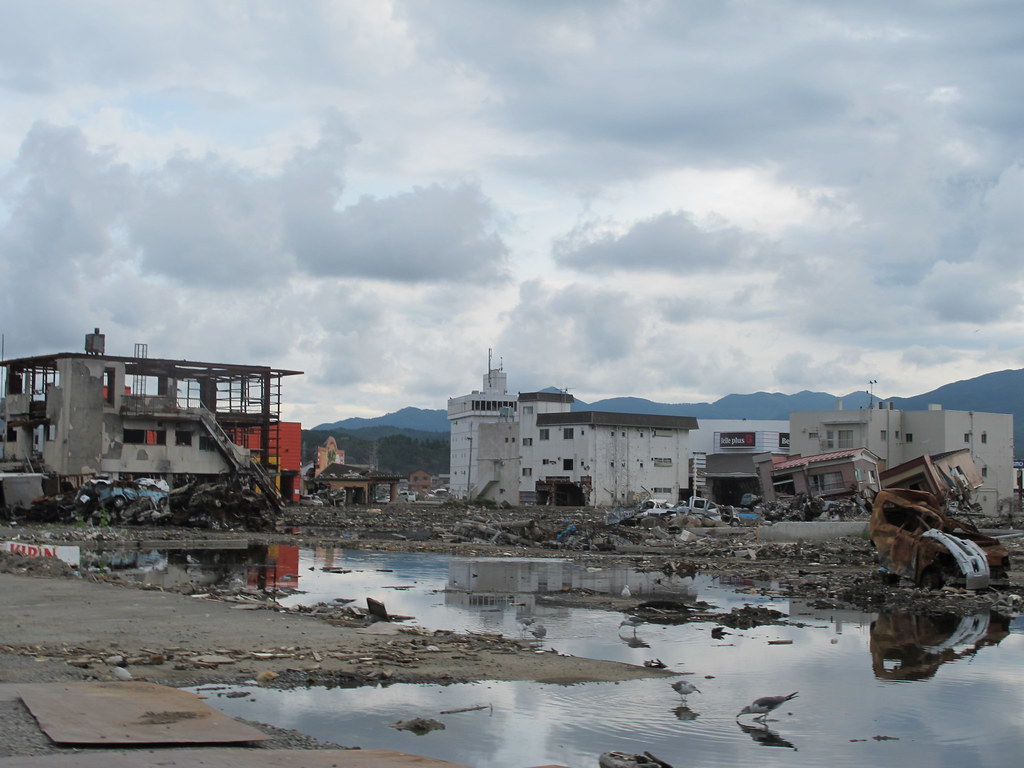
One of the most dangerous Cascadia events is the sudden subsidence of land. Research led by Virginia Tech, published in PNAS, found that the land along the coast could sink as much as 6.5 feet, increasing the 1% annual chance floodplain by 35 to 116 square miles. The research also estimated that, following an earthquake today, 14,350 more people, 22,500 buildings, and 777 miles of roads could be included in the post-earthquake floodplain.
5. The tsunami timeline is measured in minutes, not hours
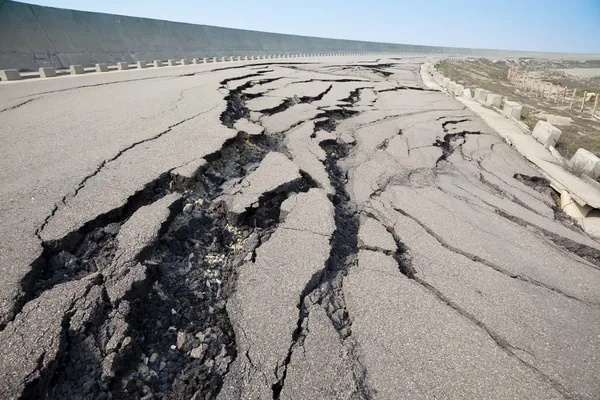
In Cascadian scenarios, the first life-saving action may occur before an official warning is issued: if the shaking is strong and prolonged, people living in coastal areas may have to relocate to higher ground immediately. Tsunami modeling research points out that detection of the wave can occur rapidly offshore buoys can detect the wave in as little as 15 minutes in a simulated scenario while the inundation process can begin shortly thereafter.
6. Flooding may become a permanent situation, not only an emergency phase
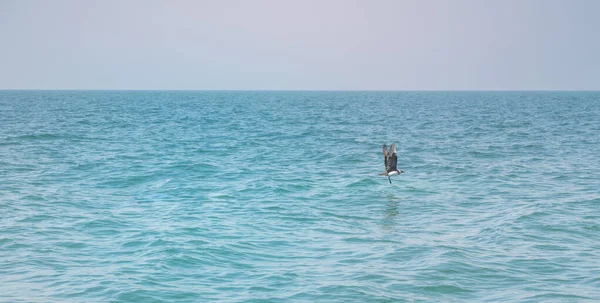
But after the subsidence, the shoreline does not recover on a human timescale. The new baseline may continue to keep the low-lying areas saturated with water and salt for hundreds of years. The same study by Virginia Tech correlates the long-term risk to both land level change and sea level rise, stating that the relative sea levels in the Cascadia region may be as much as 3 feet higher by the year 2100.

7. “Two weeks ready” captures the slowness of the pace at which help can arrive in some communities
In a major Cascadia event, the transport lifelines can fail in numerous locations simultaneously, cutting off the coastal and rural regions. The regional emergency managers have encouraged the concept of being “2 Weeks Ready,” which acknowledges that food, water, medications, and basic power alternatives may have to extend beyond the usual delivery times when things cannot move.
8. Vertical evacuation is an effective option when there is no access to high ground
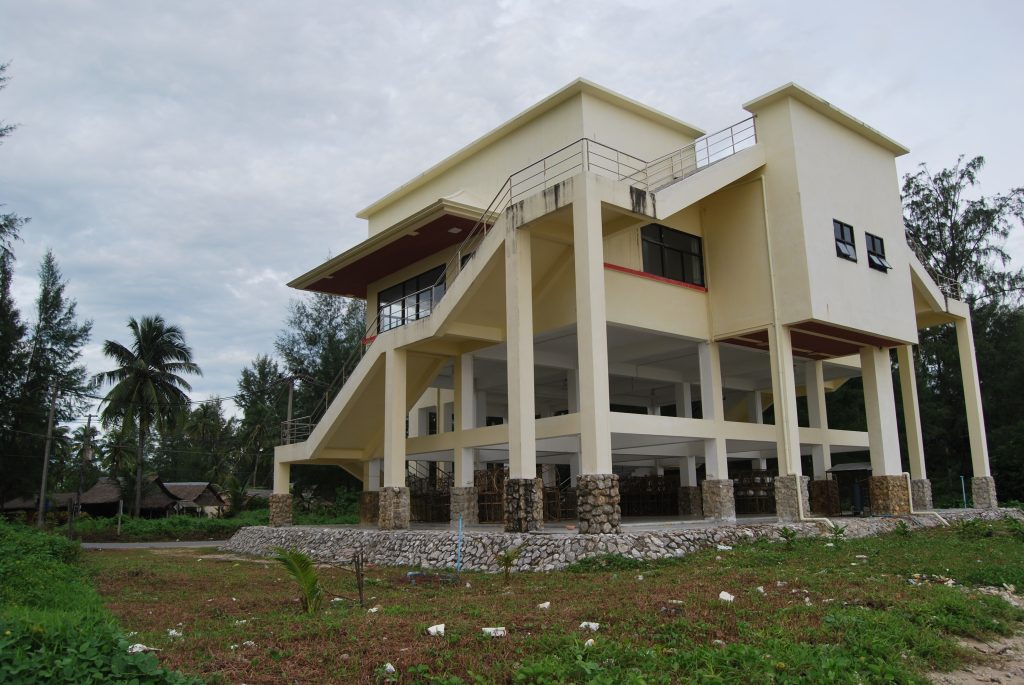
Not all coastal communities have a hillside within accessible walking distance in the available time. This has driven the need for vertical evacuation berms and engineered structures, together with new design standards. In the state of Washington, the Ocosta School District built a vertical evacuation shelter in 2016, showing how schools and other public buildings can serve as last resorts when a quick escape route is not possible due to geography.
9. Seconds of early warning can still change outcomes inland
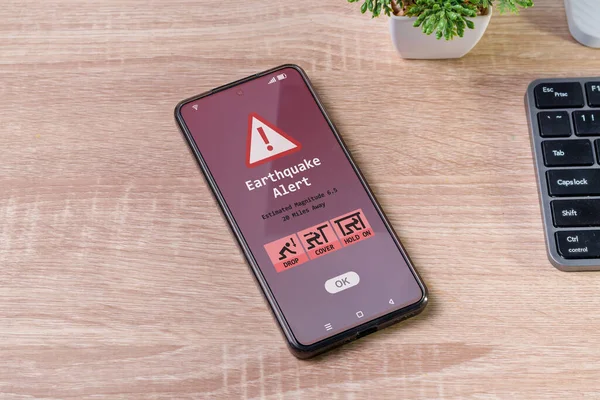
Early warning does not forecast earthquakes but rather senses a rupture and quickly disseminates an alert before strong shaking reaches areas that are farther from the epicenter. The ShakeAlert system in the Pacific Northwest was operational at the regional level in 2017, and efforts have been made to expand the network and enhance sensor coverage. In an earthquake of Cascadia size, even tens of seconds can enable automatic responses slowing down trains, opening firehouse doors, halting surgeries and alerting people away from danger.
Cascadia planning is often characterized as planning for “The Big One,” but readiness for the everyday is constructed from smaller and more obvious truths: land can fall, water can flood quickly, and recovery can be measured in weeks and years. The science is specific enough to inform action without speculating on a date. “In the Pacific Northwest, resilience is often a local thing routes that lead to safe ground, buildings that continue to be functional, and a community of neighbors who know how to get back together when the regular systems aren’t working.”


