
“Isn’t the whole point of owning a home that the rules finally belong to the owner? In reality, a home is surrounded by building regulations, infrastructure, environmental regulations, and privacy rights. Many “normal” homeowner moves are not issues until a complaint is made by a neighbor, an inspector shows up, or an emergency requires outside eyes on private choices.
1. Undertaking major renovations without permits
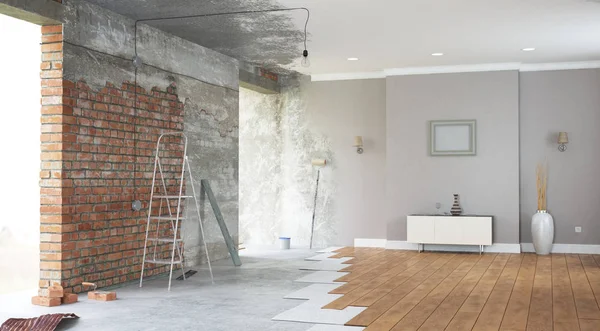
Taking down walls, garage conversions, plumbing re-routes, or adding new circuits may need a permit even if the project remains within the current boundaries. Permits are in place so that the minimum safety requirements can be checked by the inspector and potential dangers can be prevented before they become costly failures. In Oregon, for instance, permits are needed for most structural, plumbing, mechanical, and electrical modifications, and it is the responsibility of the person performing the work to obtain these permits. If the work is found to be done later, usually during a sale, an insurance claim, or a complaint, owners are often required to open walls, redo the work, or bring everything up to code.
2. Constructing “bonus” residential units that do not comply with code requirements
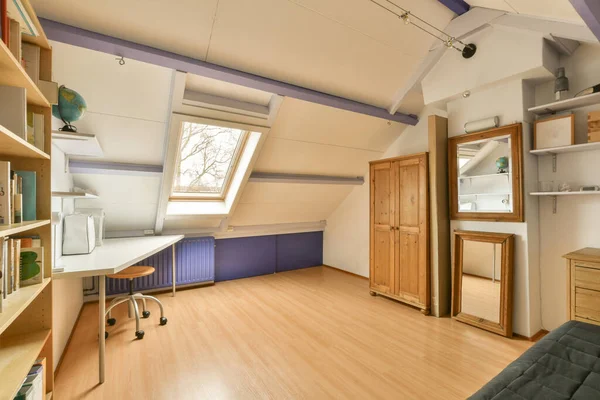
Basements and attics appear to be simple areas for additional space, but legality involves life safety elements such as egress, smoke separation, electrical, and ceiling height. If the unit is not legal, a single response to an emergency or complaint from a neighbor can result in an order to vacate and abandon improvements. Liability can escalate quickly when a tenant is paying rent in a unit that is not considered a dwelling space.

3. Advertising a short-term rental in an area where it is prohibited
Registration may be mandatory, the number of nights for renting may be limited, or some types of properties may be restricted in many areas. Violation of norms may lead to penalties and cancellation of the listing, along with restrictions that may remain even after the listing is removed.
4. Engaging in electrical or gas work beyond the scope permitted to homeowners
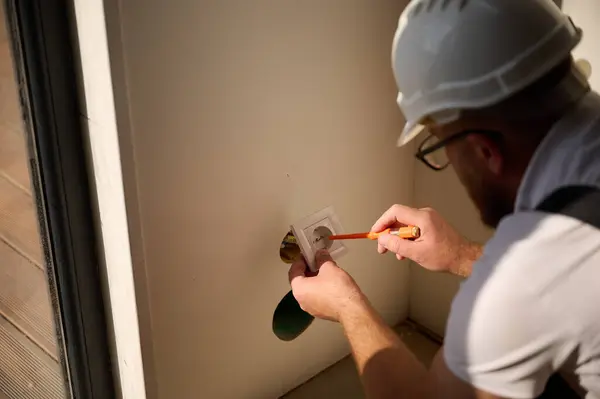
Trading a light fixture may be tolerable, but changes to panels, rewiring, and gas line work may necessitate licensed experts and inspection. Following a shock, leak, or fire, it is necessary to determine the cause and work that is not permitted or done by licensed professionals can place the blame squarely on the homeowner, even if the goal is merely to “do it carefully.”
5. Meters or service connections used for tampering
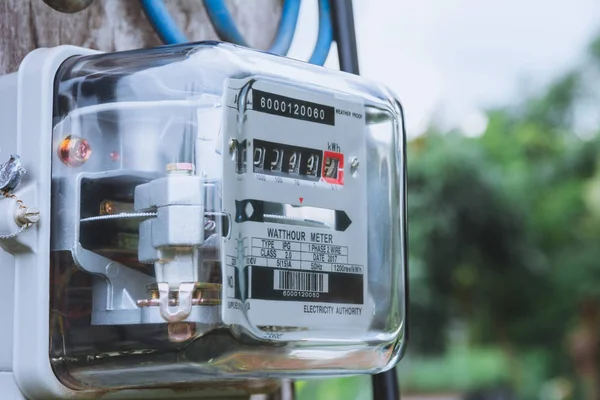
Anything that is intended to slow down or circumvent the meter can be considered theft. Utilities monitor unusual patterns of use and check the seals, and if manipulation is confirmed, it can result in a bill being sent retroactively, fines, and even prosecution. This is usually not worth the risk.

6. Reduction or severe lopping of conserved trees
Tree regulations may be more stringent than many owners anticipate, particularly for a given size, location, or type of tree. In California, permits are often contingent on factors such as tree diameter or protected areas, and some tree types are considered protected by law. Unlawful cutting may result in severe consequences, including fines and criminal charges. Tree disputes also extend beyond property boundaries, including overhanging limbs, root damage, and falling tree claims.

7. Construction above property lines, easements, or shared access
Items such as fences, sheds, patios, and parked cars can inadvertently impede the right of access that utilities and neighbors have. Easements can exist on paper before the new owner even knows that they exist. When a sewer line requires maintenance or a shared driveway becomes disputed, owners may be asked to remove what is impeding access, even if it was costly and long-standing.

8. Erecting fences or walls that contravene local bylaws
Height restrictions, setbacks, and corner visibility regulations can make a “privacy upgrade” illegal. There are also regions that regulate materials or need approvals in specific neighborhoods. The unpleasant surprise is that the enforcement of these regulations is often complaint-driven, meaning that the project appears legal until someone complains about it.
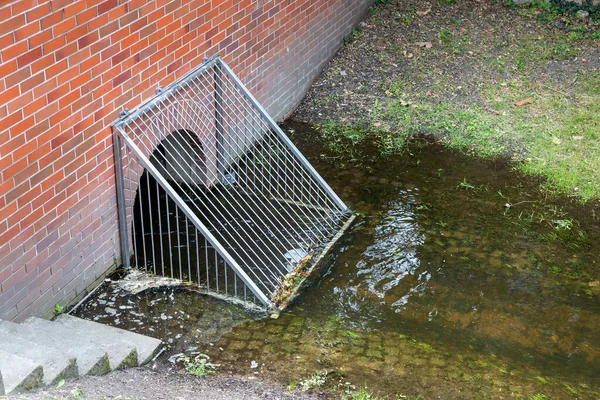
9. Using storm drains, soil, or gutters as trash disposal systems
Dumping paint, solvents, motor oil, or lawn chemicals may be illegal under environmental regulations even for small quantities of household waste. Advice on minimizing stormwater pollution recommends never dumping these pollutants into storm drains and using available household hazardous waste collection services instead. Cleanup notices and penalties may increase when pollution can be traced back to a property.

10. Burning leaves or trash where it is prohibited
Burn barrels and backyard burning are prohibited in many areas because of air quality and wildfire concerns. A puff of wind is all it takes to turn a “quick burn” into an emergency. Code enforcement usually follows if the fire department is called.
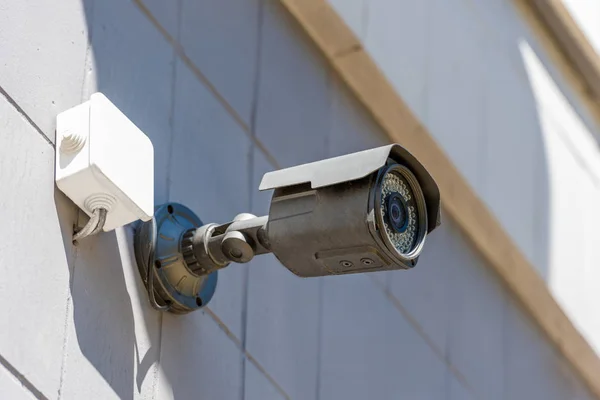
11. Pointing cameras at areas where neighbors have a reasonable expectation of privacy
While outdoor cameras are legal in protecting one’s own property, there can be real exposure in placement and audio recording. The key boundary is a neighbor’s reasonable expectation of privacy, particularly around windows, fenced areas, and other private areas. As attorney Ben Farrow stated, “While security cameras are generally permissible for protecting one’s property, they must not intrude upon areas where neighbors have a reasonable expectation of privacy, and they should not be used with the intent to harass or intimidate.”
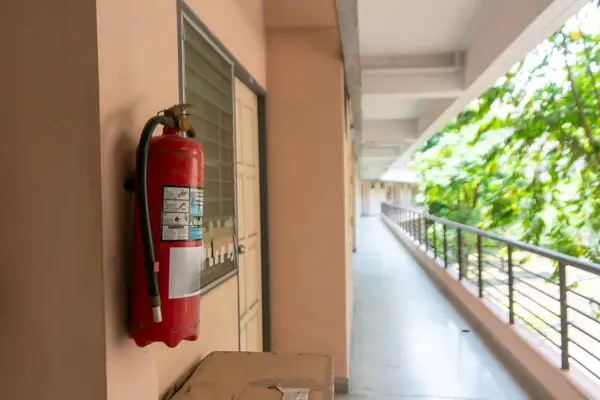
12. Stockpiling flammables or hazardous materials beyond code limits
Fuel cans, propane tanks, fireworks, and certain chemicals may be permitted only in certain amounts. Inspectors are concerned with what was stored, how it was stored, and whether the dwelling met the fire codes after a fire or a strong complaint. An order to remove items and fines can quickly result when amounts are exceeded.
The majority of these issues have a common theme, which is that they begin as a private matter and escalate into a public issue when safety, property lines, utilities, or privacy are involved. For homeowners, the answer is always the same: check local regulations before modifying buildings, developing rentals, working with utilities, disposing of chemicals, or installing video surveillance because the punishment will come after the fact.