
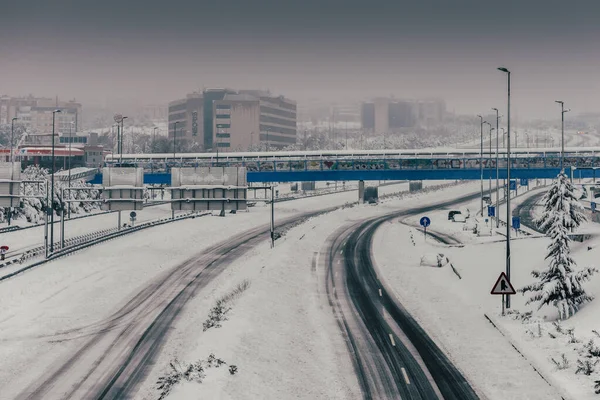
Winter storms seldom come at a single problem. Snow, sleet, freezing rain, and wind can add up to create a situation where a typical weekend can become a period of stalled movement, strained power lines, and frigid temperatures.
This is why meteorologists continue to come back to one stern message: prepare for life to slow down. As Weather Channel meteorologist Jordan Steele said, “This is not good.”
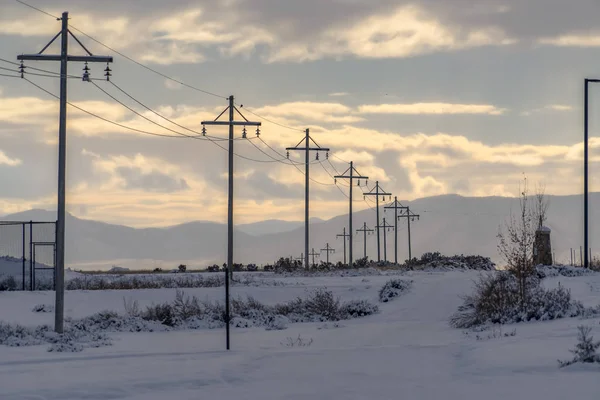
1. Power may be out where ice is attached to trees and power lines
Ice is frequently the silent cause of prolonged disruptions because it weighs down wherever it falls on branches, transformers, and wires. In areas where freezing rain is accumulating, the danger moves from “slick roads” to widespread disruptions as ice builds up on wires and trees.
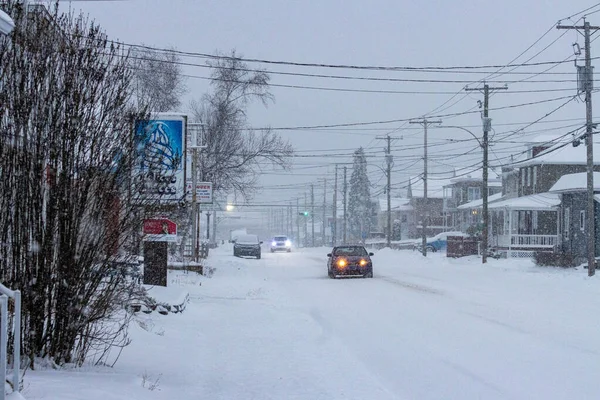
This is why meteorologists have urged families to prepare for staying at home for several days without power, particularly when cold air follows and accompanies the storm. Without power, temperatures inside the house can plummet quickly, and the frustration escalates when phones cannot be charged and water lines start freezing.
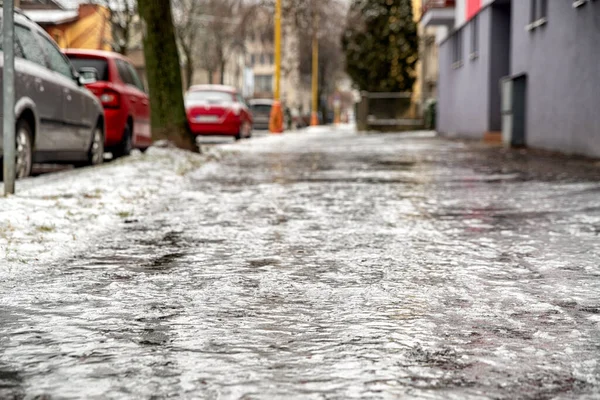
2. The most dangerous roads are not always the snowiest
Freeze rain can also produce a slick surface that appears to be merely wet, especially near the freezing point where conditions can change mile to mile. Travel warnings are more than just visibility; they are about vehicles losing traction with no warning and limited opportunities to safely pull off. According to the National Weather Service, each year, more than 5,000 people are killed and more than 418,000 are injured in weather-related vehicle crashes. The bottom line during a major storm is simple: if travel is not absolutely necessary, the biggest risk factor is eliminated by postponing travel.
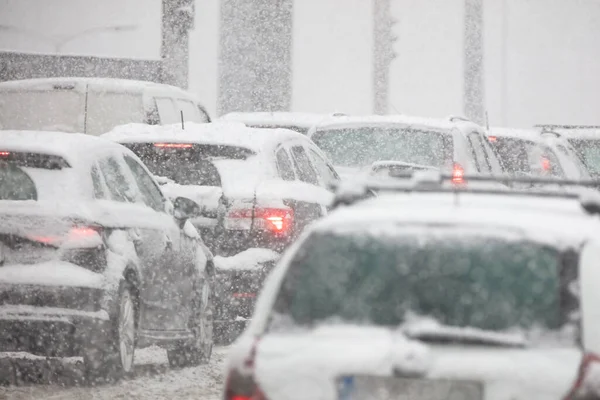
3. “Stuck on the highway” becomes a health problem, not just an inconvenience
It is not just a matter of waiting for the snowplows when one is stuck in traffic because of the snow or ice. When a car is stuck in the cold, it can become a shelter with limited heating, limited fuel, and limited visibility to other cars. This is why meteorologists advise people not to go out when there is heavy precipitation and freezing temperatures, especially during the night when refreezing is a problem. It can be hard for emergency services to reach stranded motorists when secondary roads are impassable.

4. Bitter wind chills can outrun what the thermometer indicates
Cold air outbreaks can lead to wind chill values that are low enough to pose a risk to bare skin in a short period of time, even if the air temperature itself is not a problem. Wind chill values are often cited in discussions of significant winter storms as being capable of driving “feels like” temperatures below zero in the Midwest and Great Lakes regions, and this is important because wind chill increases the rate of heat loss.
5. The “after-storm” days can be just as dangerous
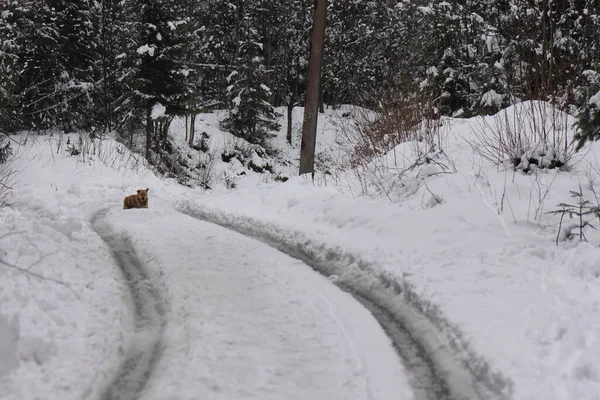
After the biggest bands leave, the dangers tend to linger. When the temperature stays below freezing, snowdrifts and ice sheets can lock in for an extended period of time, and nighttime temperatures can re-freeze areas that have melted to create a slick glaze of ice by morning. Forecasters have pointed out that “daytime highs may not rise above freezing for an extended period of time in some spots following a major storm,” making roads hazardous and hindering repairs. This creates a longer tail of risk: delayed schedules for school and work, and recovery.
6. Carbon monoxide risk increases when people attempt to “make do” indoors
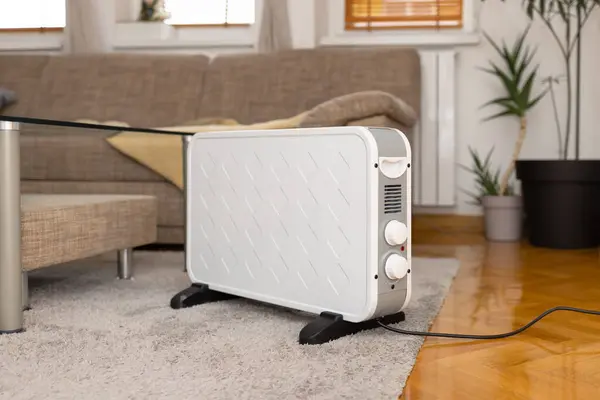
Loss of power forces families to improvise to stay warm and cook, and it is during this time that poisoning and fire dangers increase. Safety advice warns that generators and grills must be operated outside and not near windows because carbon monoxide is odorless and can be lethal. Public health advice also recommends that functional carbon monoxide detectors be placed on each level of the home and that spare batteries be on hand, especially during times of the year when prolonged outages are likely.
7. Overexertion in the cold can trigger medical emergencies
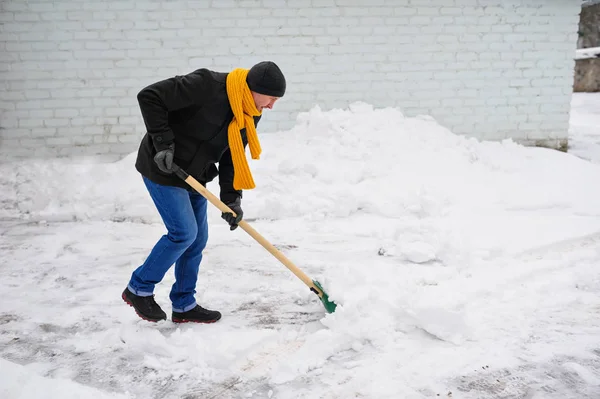
Snow removal may appear to be a mundane task, but it can be physically stressful in ways that might shock otherwise healthy individuals particularly in very cold air, when the heart has to work harder. Winter safety advice points to heart attacks from overexertion as a danger from storms, together with cold injuries. In heavy or wet snowfall, pacing oneself, taking breaks, and resisting the urge to “get it all done at once” can help avoid a medical problem during the cleanup process.
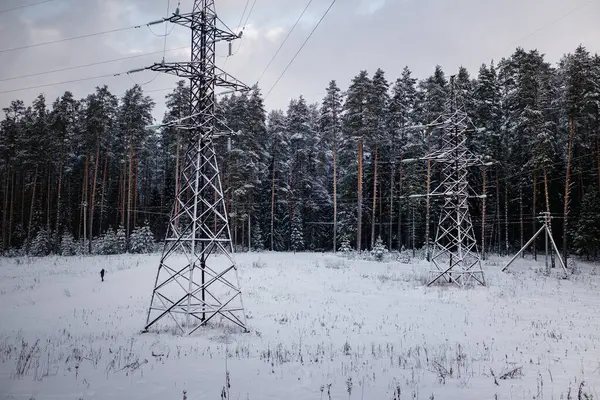
Winter storms earn their reputations by causing problems in combination: ice that knocks out power, snow that closes roads, and cold that sticks around long after the last snowflake falls. The best preparation is less about accurate forecasts and more about creating a buffer zone of time, resources, and flexibility to allow the storm to move through without being forced into a risky choice. When forecasters warn people to prepare for days without electricity and to stay away from travel, it is not a warning that is alarmist. It is a warning that tries to keep the worst experiences of the storm from becoming personal emergencies.


