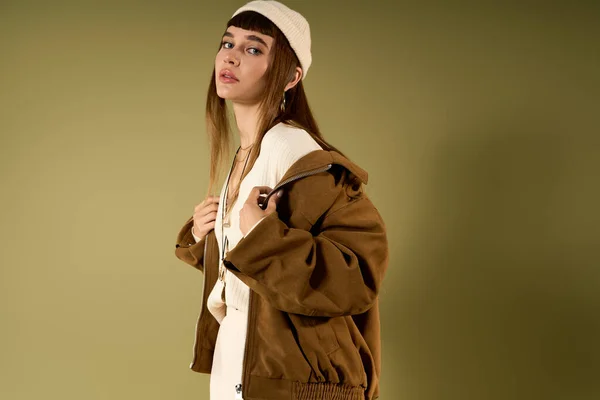
“‘The quickest way a winter trend can go awry is rarely a “bad trend.” It’s usually a small behavior: adding too much volume, allowing fabrics to look tired, or forgetting that winter light alters how color is read on the face.’”
For women over 50, the most flattering pieces of clothing always seem to have the same pedigree: warmth that doesn’t conflict with mobility, lines that don’t feel rigid, and embellishments that appear carefully selected, not hastily snatched.
These are some common mistakes that are very easy to make, and even easier to fix with a few simple changes.
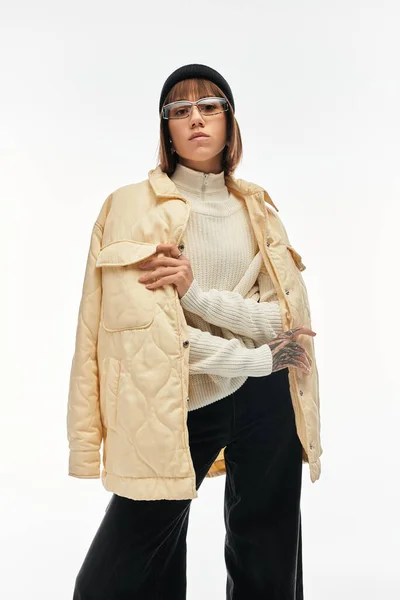
1. Wearing volume on top of volume
A loose-fitting coat can be cozy, but layering a loose coat over a bulky sweater and wide-leg pants tends to camouflage the body and shrink it. “One part relaxed, the rest tailored” helps to achieve a balance. A coat with defined shoulders, a sweater that skims rather than clings, and trousers with a sharp line helps to retain warmth without adding bulk.

2. Allowing winter clothing to fade to dull neutrals
Gray or beige from head to toe can cause skin to appear less flushed when daylight is thin. One bright spot in the vicinity of the face, whether scarf, knit, blouse, or other accessory, does more than “add color.” It puts contrast back where winter took it away. Warm neutrals, such as camel, navy, greige, and other shades that read less harshly than gray or white, are also useful.
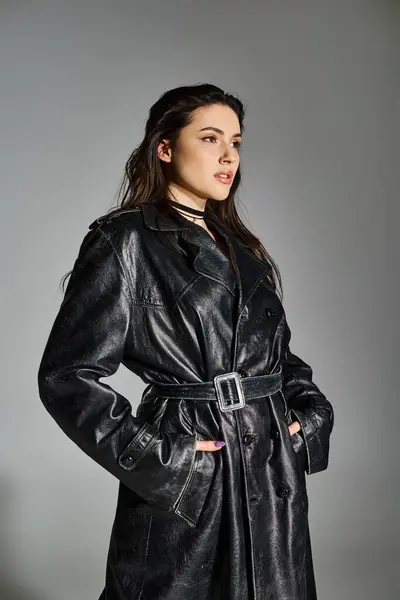
3. The entire plan of relying on tired black
Black is still useful, but winter makes fabric wear visible. Faded black coats, shiny knees on trousers, and pilled sweaters convey exhaustion even if the rest of the look is simple. Darker options with similar shine but less contrast espresso, midnight navy, aubergine allow texture to carry more of the visual load.
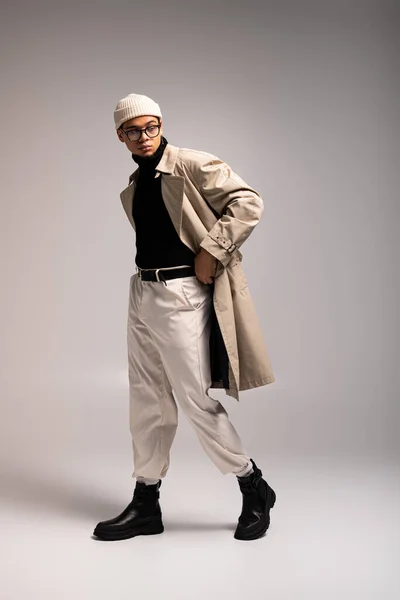
4. Skipping tailoring because a coat “covers everything”
Problems with fit are not concealed by outerwear but rather tend to accentuate them. When the sleeves go past the wrist or the shoulders droop, the entire figure appears to be borrowed from someone else. It is often a matter of tweaking the entire look, such as ensuring that the cuffs fall at or just above the wrist and adjusting the width of the coat at the waist if possible. Certain types of outerwear are easier to work with than others, and down-filled puffers or parkas are the most difficult.
5. Picking scarves that clutter the face
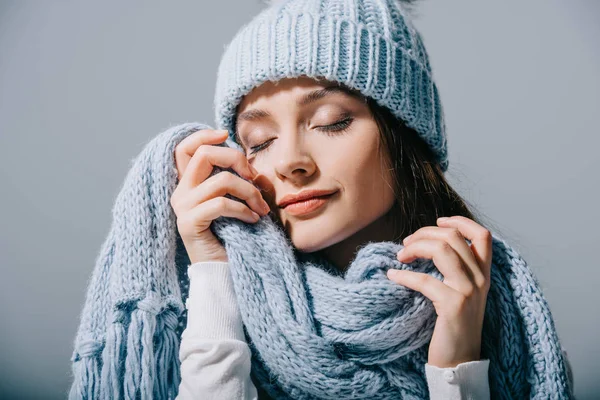
Loose, extra-bulky knots may push the collars up, overwhelm the jawline, and conceal the best lines of the outfit. A medium-weight scarf worn flat at the neck provides warmth without swallowing the face. For added drama, length and color can be used to dramatic effect without the bulk of a thick knot beneath the chin.
6. Wearing one flat texture from head to toe
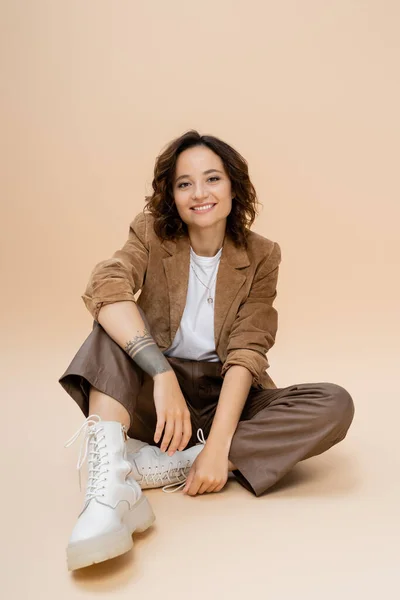
Winter fashion can look “heavy” even if the clothes are well-fitting, simply because everything is matte and similar. Adding texture to the outfit brings the light back: suede with denim, tweed with cashmere, or a satin blouse under a wool coat. A simple change in texture, such as from canvas to leather or a more shiny boot, adds the kind of visual interest that has been described in using texture with winter fashion without needing more obtrusive patterns.
7. Wearing cropped trousers with no warmth strategy
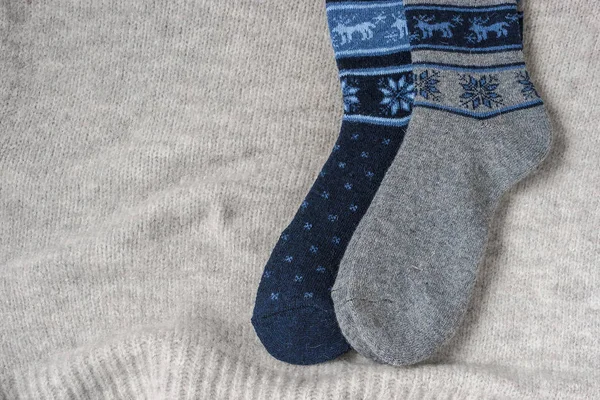
Ankle-length pants can be sleek, but bare skin and awkward sock lines are distracting. The easiest solution is to create a continuous line down the leg: boots under straight-leg pants, opaque tights under skirts, or socks colored close to the pant color. The warmth becomes invisible, and the look is deliberate once more.
8. Falling back on heavy shoes that “pull down” the outfit
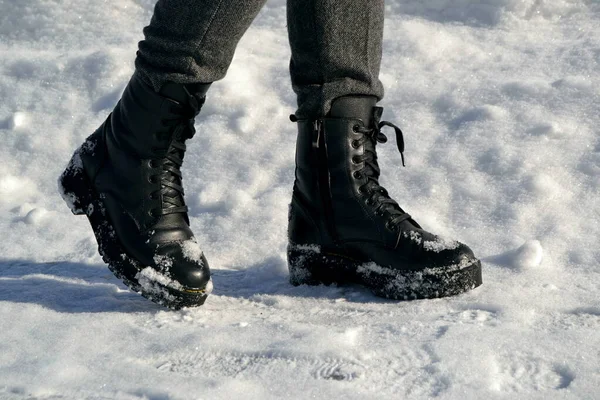
Winter boots are important, but too bulky soles and square toes can drag the leg line. More streamlined ankle boots with sturdy heels, refined leather, and a subtle heel can stretch the silhouette without requiring painful support. The idea is to create balance that still promotes the silhouette.
9. Accepting pilling and stretched-out knits as normal
Sweaters are close to the face and thus prone to pilling. Pilling, sagging cuffs, and a stretched collar can give the impression of an undone elevated coat and boot look. Better-spun knits and proper care, such as gentle washing and depilling, help sweaters function as the “quiet polish” layer they are intended to be.

10. Handling accessories as last-minute additions
Accessories can either pull an outfit together or break it apart. The combination of different hardware and different leather colors creates visual clutter, and when layers are added, it becomes even more complicated. Boot and bag colors can be coordinated, and hardware can be kept to one type, and a hat that complements the face shape frames the face and completes the look.
Winter fashion becomes simpler when clothes are layered in a system-like fashion: a simple base layer, a defined outer layer, and perhaps one or two accent pieces that restore interest to the face. With these anchors in place, cold-weather clothing becomes less of a compromise and more of a uniform that works while still looking like the person wearing it.”