
“Electrical renovations often begin with a good intention: fewer dead outlets, more lighting where it’s needed, a fan in a hot bedroom, and power for a new workshop corner. The trouble is that the most popular shortcuts are tidy and “finished” while secretly violating the rules that make wiring safe.”
In most areas of the U.S., these regulations are enforced by the National Electrical Code, as well as local modifications. When this work is done without regard to these regulations, it can create shock hazards, increase the risk of fire, and make resale difficult when the inspector decides to take a look.
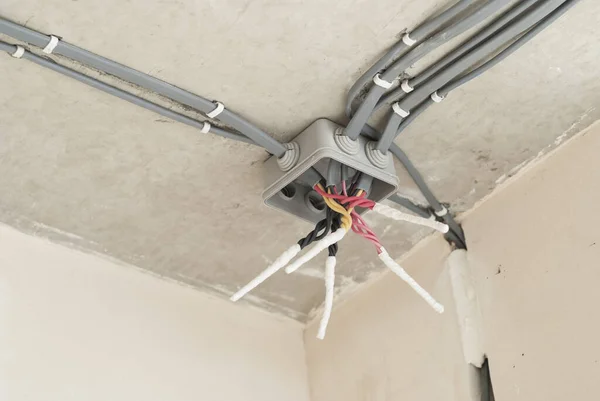
1. Encasing a junction box in drywall or cabinetry
Junction boxes are in place to ensure splices remain contained and accessible. If a junction box is concealed by drywall, tile, insulation, or built-ins, it becomes impossible to view or work on a loose connection without destroying finished surfaces. This is precisely when a small problem, such as a wirenut that had backed off, remains out of sight long enough to overheat. The accessibility is the point: electrical connections must be accessible for future troubleshooting, remodeling, and safety inspections.
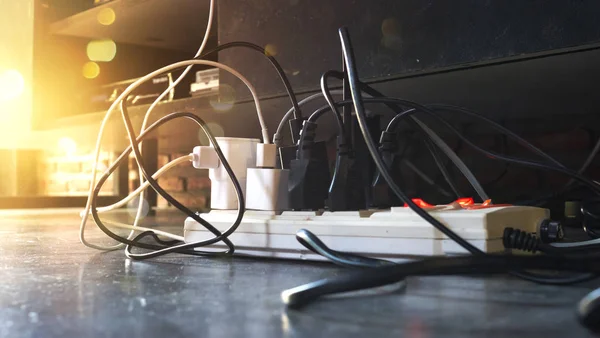
2. Using extension cords as permanent wiring
Extending cords along baseboards, through doorways, or behind furniture to “add” outlets can become a permanent solution by accident. Cords are intended for temporary use and can overheat when grouped together, pinched, or routed under rugs. They also deteriorate from normal use, vacuum cleaner hits, chair legs, pets, sunlight long before anyone realizes. Permanent power requires permanent wiring solutions, not a temporary fix that will continue to deteriorate over time.
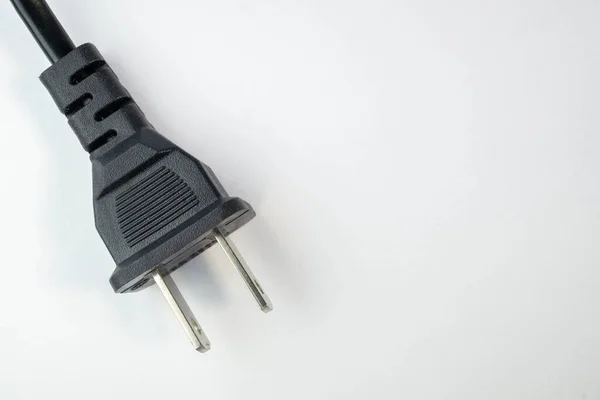
3. Adding a receptacle without a real equipment ground
In older homes, it was not uncommon to find two-prong outlets or wiring installations that lacked a grounding conductor. Installing a three-prong outlet without grounding is merely a cosmetic fix that gives the user a false sense of security. It is the grounding that allows faults to be safely cleared and is essential for modern surge protection systems. Without grounding, metal-cased appliances and tools become shock hazards.
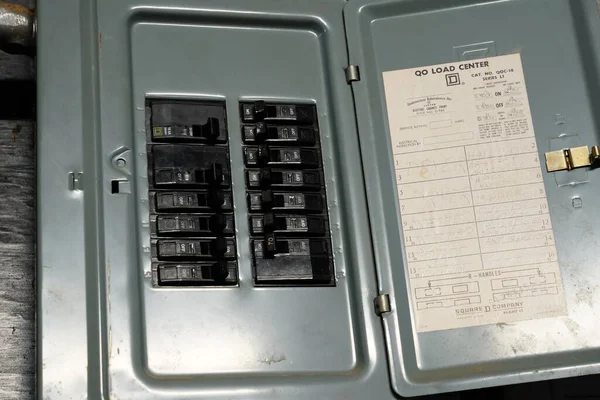
4. “Fixing” nuisance trips by upsizing a breaker
Using a 20- or 30-amp breaker instead of a 15-amp breaker to prevent tripping is one of the most hazardous DIY projects observed in residences. The purpose of using the breaker is to protect the wire. If the wire size remains constant but the breaker size increases, the circuit can overheat without tripping, resulting in insulation breakdown and fire. The size of a breaker has to correspond to the wiring.

5. Splicing wires in open air (and hiding it with tape)
The practice of twisting wire together and securing it with electrical tape in a wall cavity is not an acceptable splice. Splices require a listed enclosure to keep all heat, arcing, and mechanical stress contained. Open splices are considered an imminent danger by inspectors because of the sudden failure mechanism.
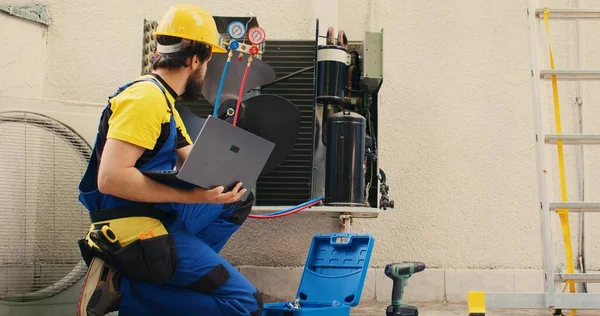
6. Exposing indoor NM-B (Romex) cables to the outdoors or under a deck without protection
NM-B cable is designed for use in dry, protected interior areas. In outdoor environments, the presence of moisture and physical damage pose a perpetual risk, particularly in areas around decks, fences, and gardens where nails, staples, and sunlight are prevalent. One reason is that NM-B cable has a bare ground, and liquids could enter the jacket and damage the cable. Exterior wiring may also require a wiring scheme and route suitable for wet environments and abuse resistance, rather than an indoor cable used as a “quick run.”
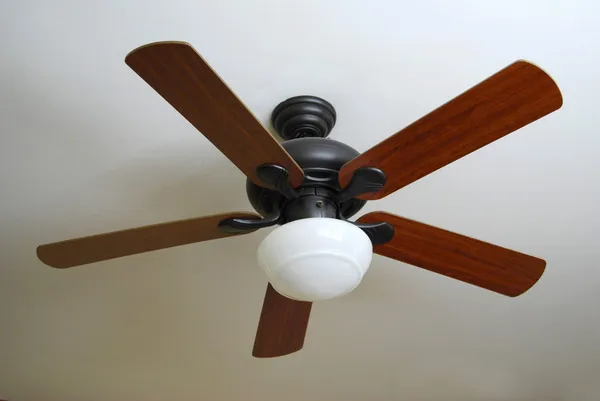
7. Installing a ceiling fan on a light-rated box instead of a fan-rated box
Ceiling fans increase weight and constant vibration. A typical light ceiling box can loosen or fail, damaging wires and creating a potential falling hazard. Code language has been tightened to require fan-rated support in the areas where fans are likely to be installed, not just where a fan is already suspended. Under the 2020 NEC, the requirements apply regardless of the wiring or switching habitable rooms, encouraging construction professionals to install boxes rated for fans unless the fan is supported by an independent structure.
8. Adding circuits without permits or a load check
Panels have limitations, and so do homes. Adding a new circuit for a freezer, workshop tools, remodeling, or a hot tub controller without checking capacity can cause constant overheating at the breakers and bus bars. Permits are more than just red tape; they provide an opportunity for inspection, where conductor size, breakers, grounding, and routing are checked against the latest codes. Also, unpermitted work has a tendency to come up at the most inconvenient time, such as during a sale, a major renovation, or an insurance review.
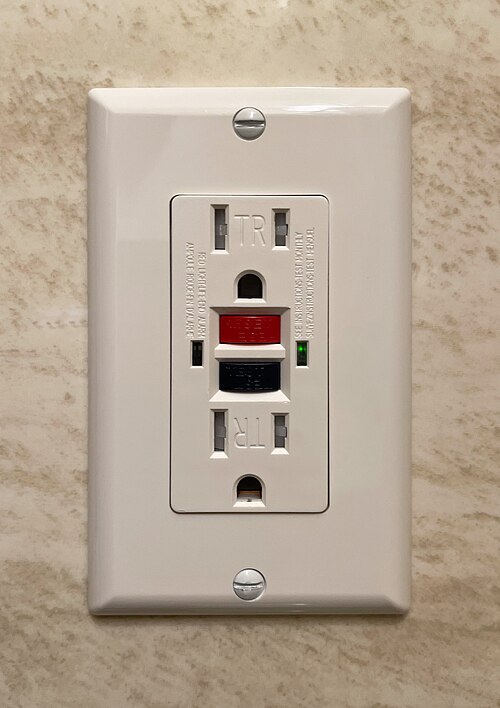
9. Disabling GFCI or AFCI protection because it “keeps tripping”
The GFCI and AFCI are intended to operate based on different purposes: one is mainly for shock protection, while the other is for fire protection due to arcing. They are currently categorized into different regions of the house according to modern codes, and removing them will eliminate a level of protection that the electrical system is designed to provide. Rather than going around safety devices, it is much better to identify the source of the problem, whether it be moisture in a box, a failing appliance, damaged wiring, or a shared neutral, so that the protection can remain in effect.
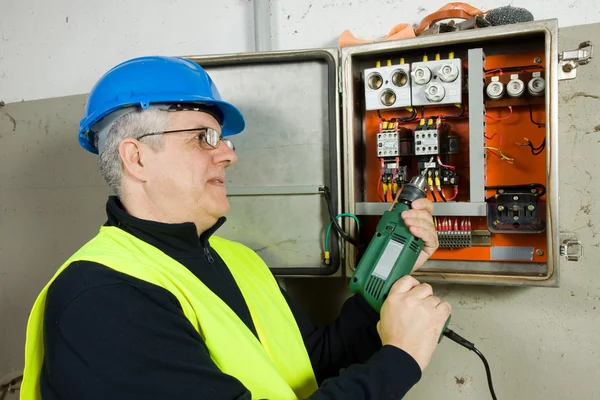
10. Doing work that requires a license (and hoping nobody notices)
Some states restrict who can alter panels, install new circuits, or rewire a dwelling. But even if work is code-compliant, it can become a paperwork issue if there is a loss: Insurers might question whether the work was permitted and inspected. In certain markets, older homes are underwritten more stringently; for instance, insurers may call for inspections that assess major systems, such as electrical systems, and coverage may be denied or limited if systems were installed without permits or are not code-compliant.
In cases where electrical work is both hidden and unrecorded, the danger not only poses a physical threat, it also poses a financial one. The common denominator in these “upgrades” is that they appear complete while reducing access, protection, or oversight. Electrical systems will age, loads will change, and future repairs are inevitable; code is concerned with making these conditions safer. “When a project involves hidden wiring, panels, exterior runs, or life safety systems, the cleanest solution will almost always be achieved by completing the work in a manner that can be approved by an inspector because that is also how future residents can live with it safely.”