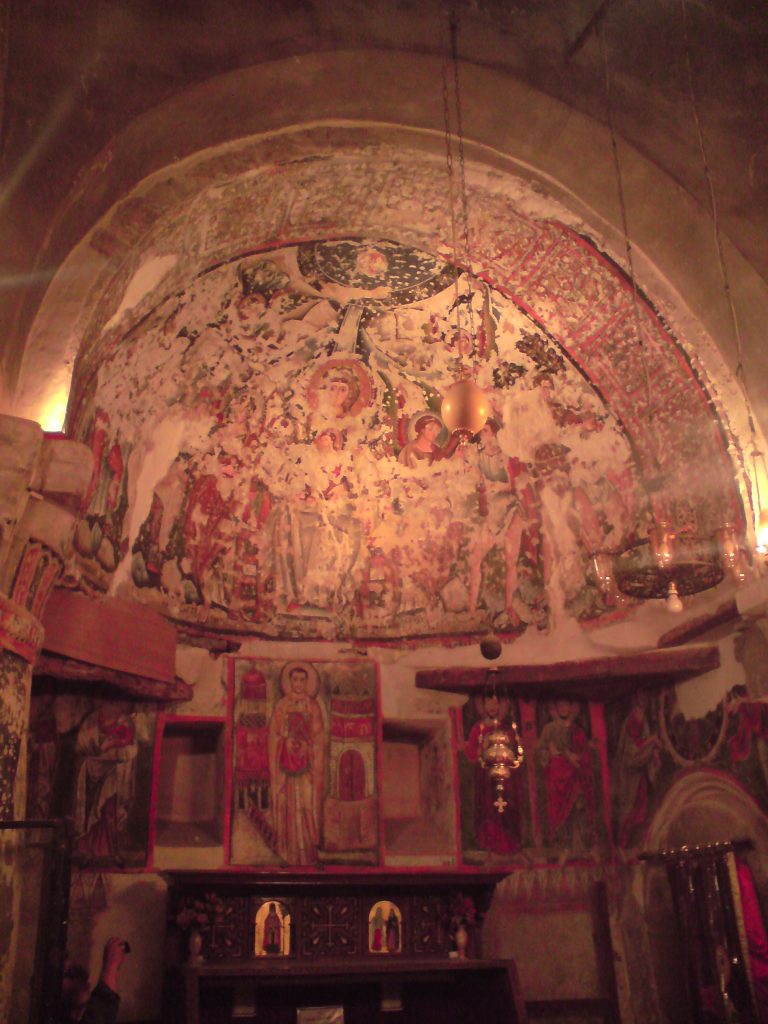
“And let our seals be either a dove, or a fish, or a ship scudding before the wind…” (Clement of Alexandria, Paedagogus, Book III, ch. 11). Christianity seems to have emerged fully formed, from a distance, with a name, a calendar, buildings, a Bible, and recognizable symbols. But up close, its early history seems more like a series of improvisations groups of people adapting language, appropriating forms, and debating their way to a shared text. These specifics, however, do not diminish the faith to historical accidents. They reveal how a movement managed to last long enough to develop into a religion with memory.
1. The first followers had a phrase, not a brand name
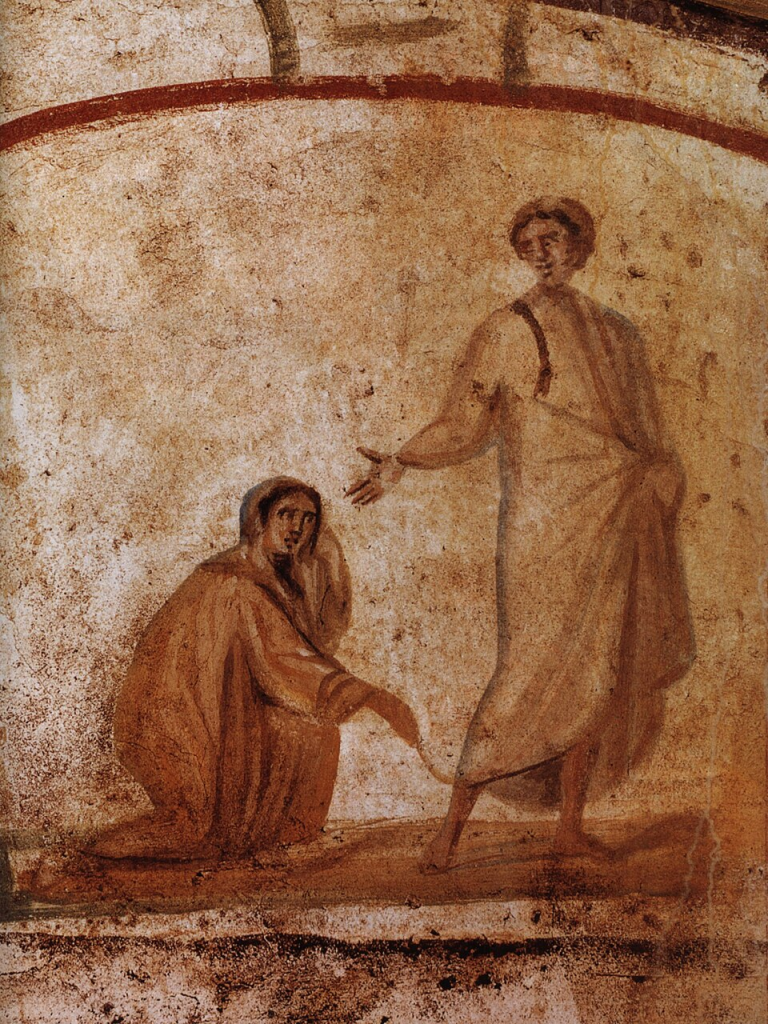
The first generations of Christians did not start with “Christian” as an adopted designation. In certain areas, believers assembled on the basis of “the Way,” which is more indicative of a path than an identity. It was only later that “Christian” became a designation that believers could wear with pride, only after it had been used as an external designation in cities like Antioch. This is important because it illustrates how quickly a new movement had to adapt to public awareness often before they were ready for it.
2. The fish sign contained code and theology
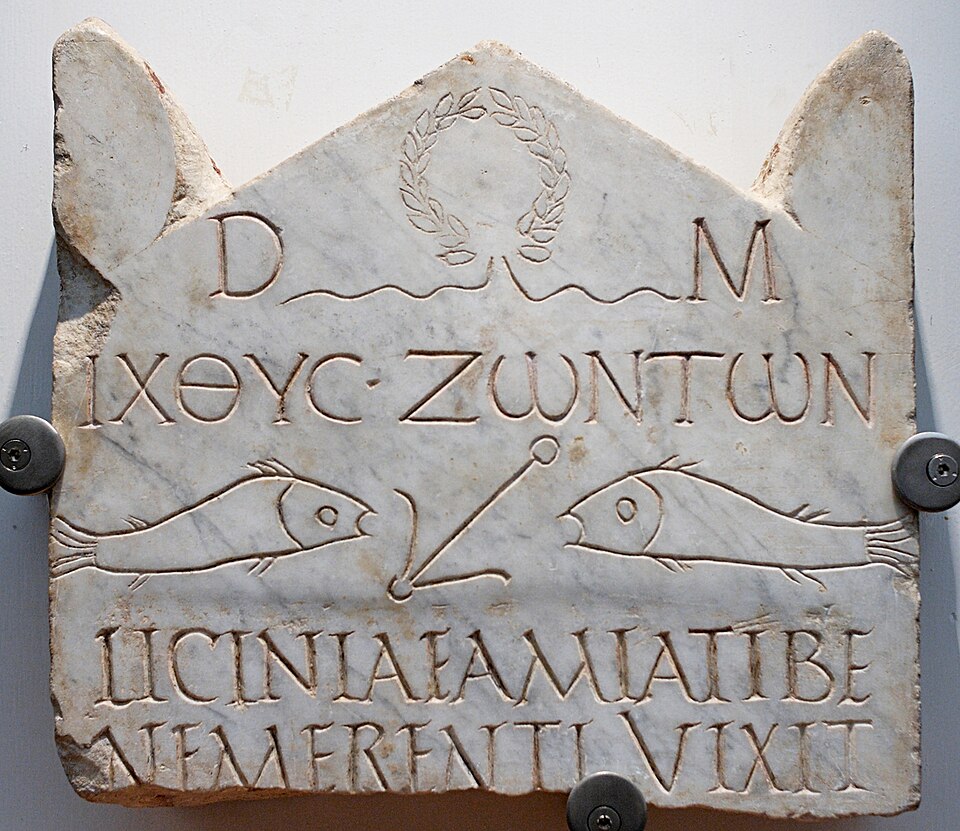
The ichthys symbol functioned as a simple and discreet sign, but it also became a concise confession: the letters could be decoded as an acronym for “Jesus Christ, Son of God, Savior.” Christian authors of the early period recognized it as something more than a mere ornament. Tertullian, in his treatise on baptism, depicted Christians as “little fishes” who live by being immersed in the water of rebirth, in a clear allusion to the notion that faith was maintained through practice, not slogans. The fish motif also fit neatly alongside other early symbols: anchors, ships, and doves.
3. Christmas came late and its date had more than one logic
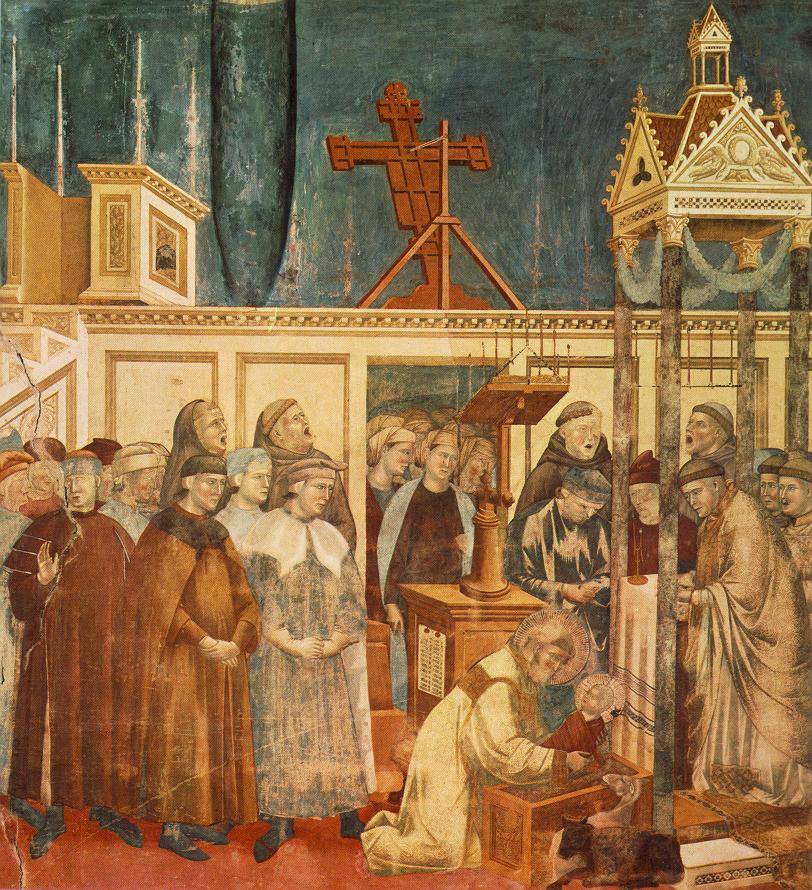
There was no straightforward birthday celebration for Jesus in early accounts, and some authors were suspicious of birthday festivals. When Christmas finally developed as a holiday, it did not immediately establish itself on a fixed date. The date of December 25 had become established in the West by the fourth century, while January 6 was the day in the East. In addition to the theories that Christmas was connected to midwinter celebrations, a second explanation is found in ancient Christian logic: Jesus’ conception and death occurred on the same day of the year, and thus the birthday nine months later.
4. Denominations multiplied because unity was hard to hold
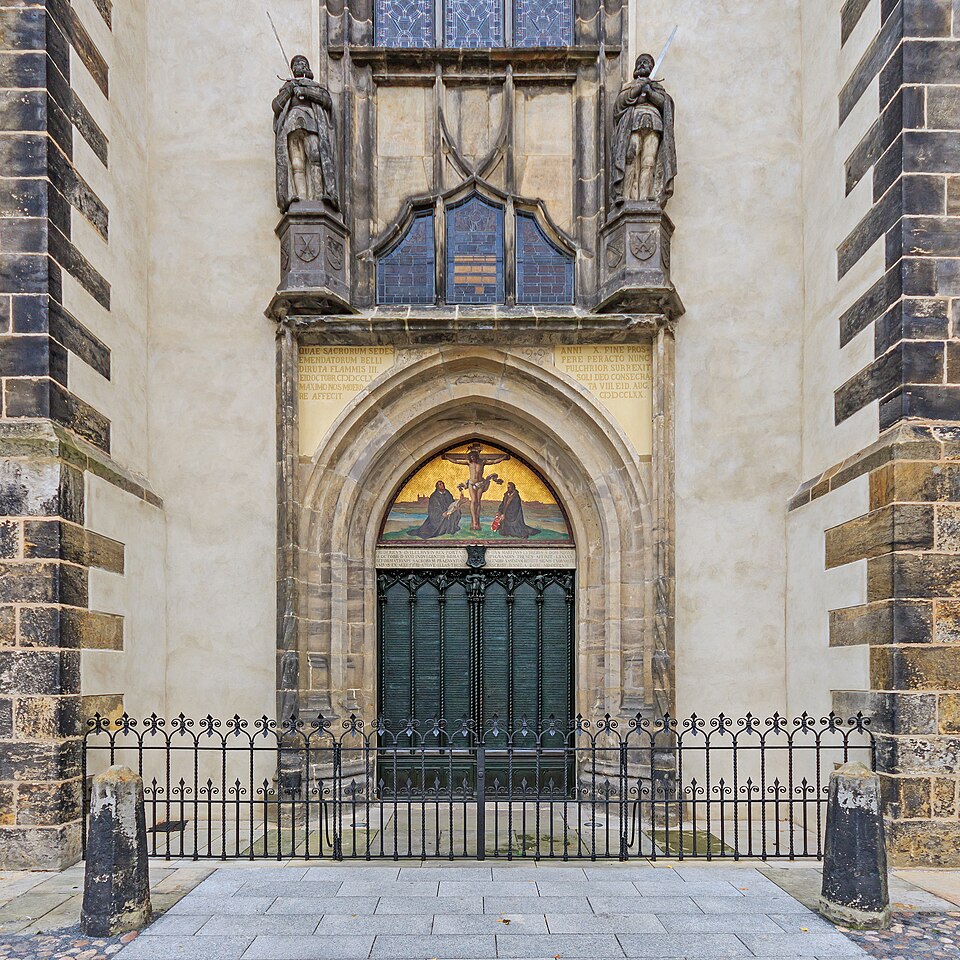
The many branches of Christianity are seen as a modern-day issue, but division has deep roots in the past. A current-day snapshot of global Christianity research indicates that there are almost 45,000 denominations of Christianity, and they are found in the number of countries in the world. The significance of the number is not in the chaos but in the scope, as the religion learned to move through different cultures and empires by learning to move through local choices.
5. The New Testament existed for several centuries before it was finalized as a body of texts
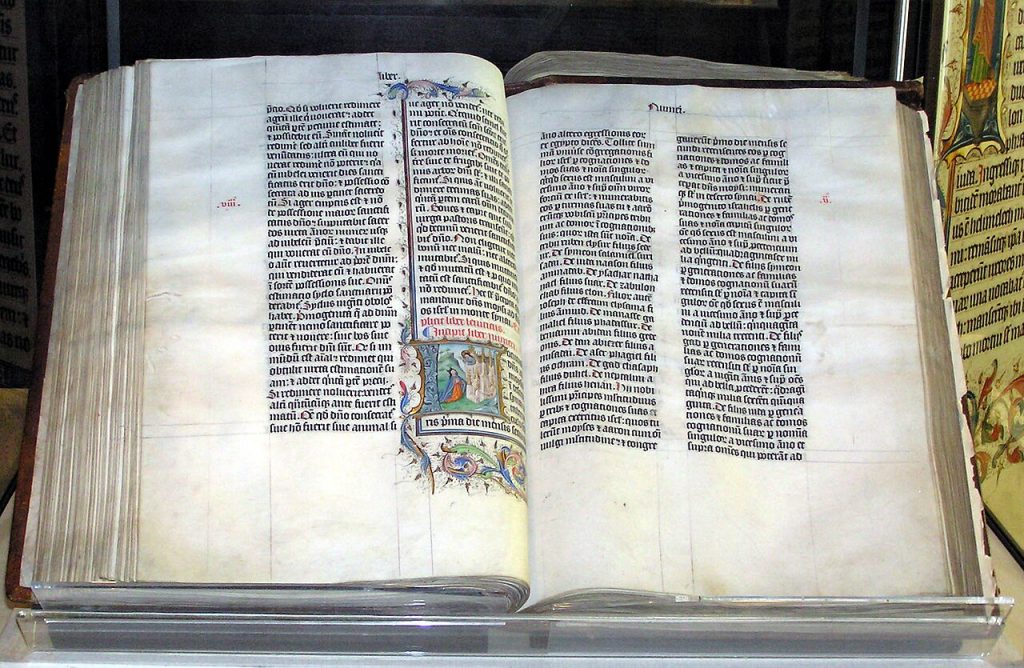
What many readers encounter today as a unified volume took a long and disputed path. Letters came first Paul’s earliest surviving letters are commonly dated to the late 40s CE while stories of Jesus were passed along by oral tradition and written gospels. Later controversies over which texts were authoritative were clarified by the advent of figures like Marcion, who advocated a reduced canon of texts, leaving other church leaders to champion a wider acceptance. By the fourth century, lists corresponding to the 27-book New Testament had made their way into extant letters.
6. “House churches” were actual meetings, but the buildings are more difficult to locate
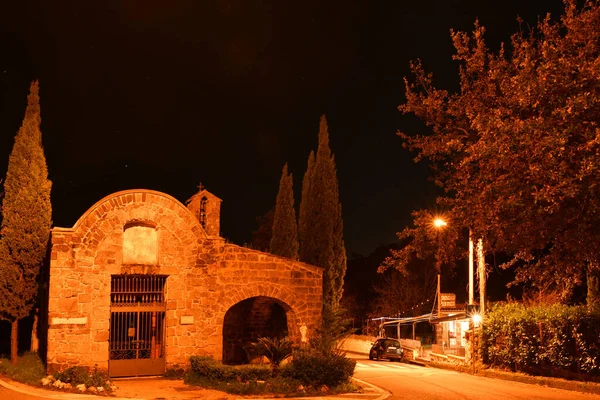
The common picture is a vivid one: believers packed into private dining rooms, praying in hushed tones behind closed doors. However, archaeology clouds the issue. A study examining the building at Dura-Europos, commonly given as the oldest surviving “house church,” contends that the building had been converted into a very different, and clearly not domestic, gathering space and that it may not have been a typical dwelling when the Christians occupied it. It is, in any case, the only pre-Constantinian Christian gathering space that appears in the archaeological record.
7. Baptism remained the same in terms of meaning, but not in practice
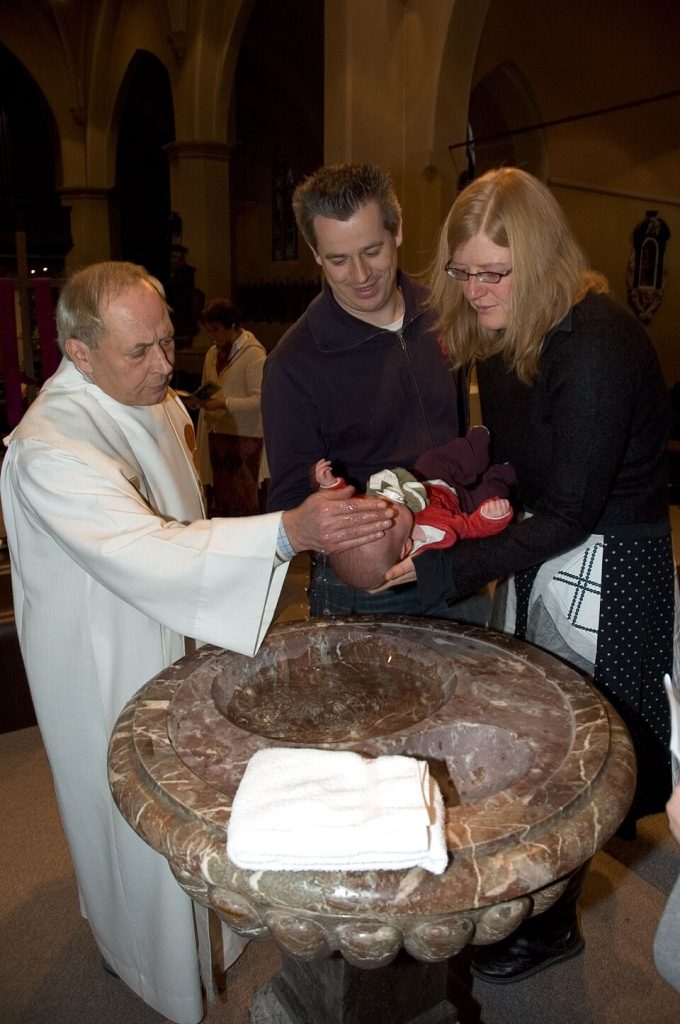
Christians have shared baptism from the start, but they have never often agreed on what it entails. Immersion, pouring, and sprinkling are all represented, and infant baptism versus later personal confession are also represented. These differences represent different solutions to one question: whether baptism is a cleansing, a vow, or an initiation. The flexibility of the practice goes a long way in explaining how Christianity was able to thrive in different climates and cultures while still considering baptism to be a threshold event.
8. Translation was the defining engine of dissemination
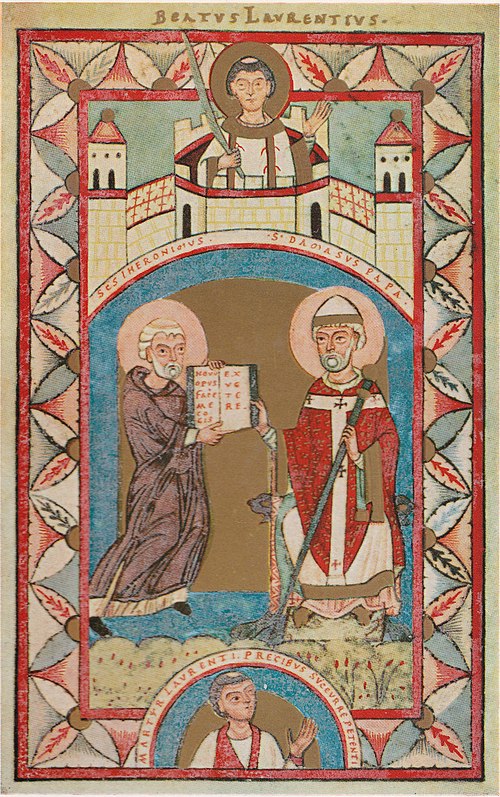
Whereas early forms like Syriac translations or later achievements like Jerome’s Latin Vulgate represented the spread of Christianity’s texts by entering the local language, in the modern era the scope is quantifiable. A 2025 statistical view of global Scripture availability indicates that over 99% of the world’s population has access to at least some Scripture, although 544 of the world’s 7,396 living languages are still waiting in line for translation projects to start, according to 2025 global Scripture availability statistics. These figures point to a hidden truth about Christianity’s history: the spread of Christianity has often been achieved as much by linguists as by evangelists.
9. Biblical expressions became part of everyday language and ceased to sound biblical
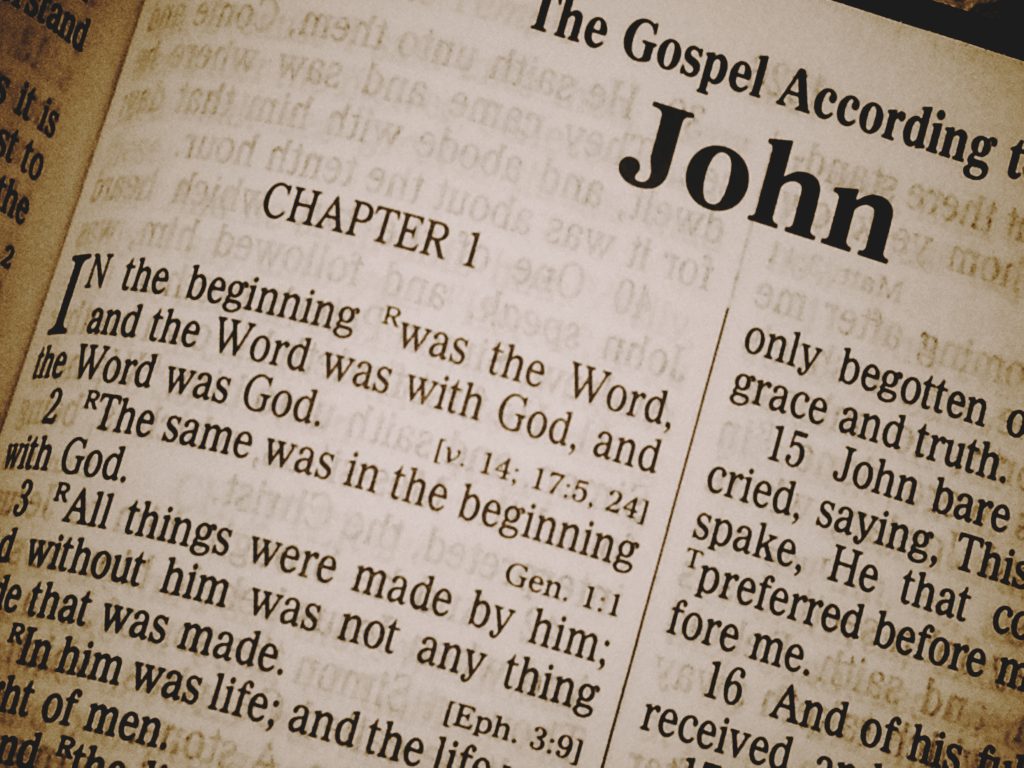
Even in the absence of belief, language remains. “Go the extra mile” and “by the skin of your teeth” remain as common idioms, stripped of their context but retaining the meter of the old translations. This is a less obvious aspect of the legacy of Christianity: not only churches and ceremonies, but the fact that certain images miles, teeth, bread, wilderness entered into the language of describing everyday effort, fear, and hope. The early history of Christianity is less a straight road than a series of intersecting paths: names that shifted in meaning, symbols that had double meanings, feasts that were late arrivals, texts that took time to solidify into a canon, and meeting spaces that do not always align with the stories that would be told about them. In this uneven record, the continuity of the faith appears more clearly not as something inevitable, but as something maintained.