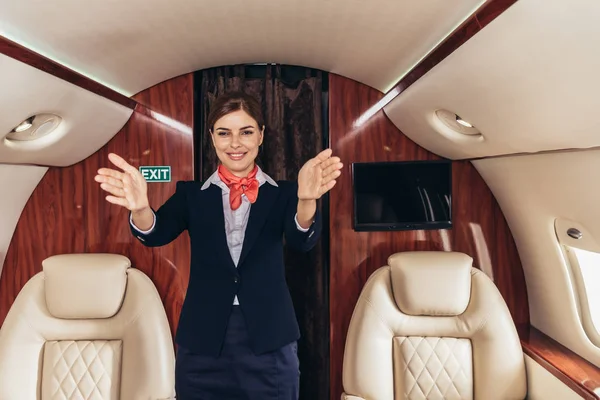
“‘On an airplane, courtesy can be mistaken for action. The cabin is small, the clock is big, and the work of the crew has a choreography that looks casual from seat 22B.’” Flight attendants will remember the passengers who make the flight easier, which is usually accomplished by doing less, not more. As one flight attendant, Tania M., explained: “We certainly appreciate it when passengers go out of their way to be helpful. Usually.” These, then, are the well-meaning actions that can quietly clog the works of service, safety, and the smooth flow of a full cabin and what smoother etiquette looks like in their place.
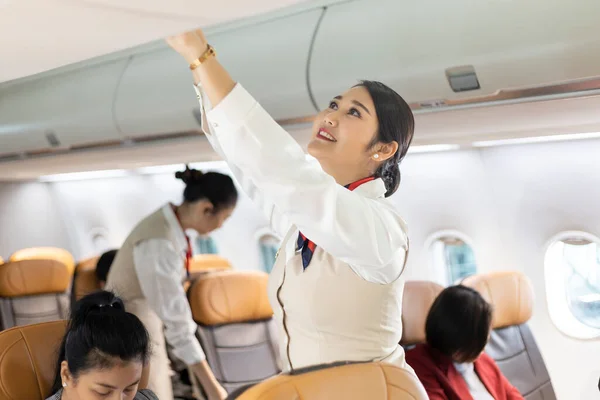
1. Policing other passengers
Although repairing the seatbelt, mask, or phone of a stranger in the plane may seem like a very civic-minded thing to do, it could also create a situation that the crew has to resolve. Only flight staff are trained to handle non-compliance in the cabin, and they already have enough on their plate. If something really needs to be fixed, alerting the flight attendant is the way to go.
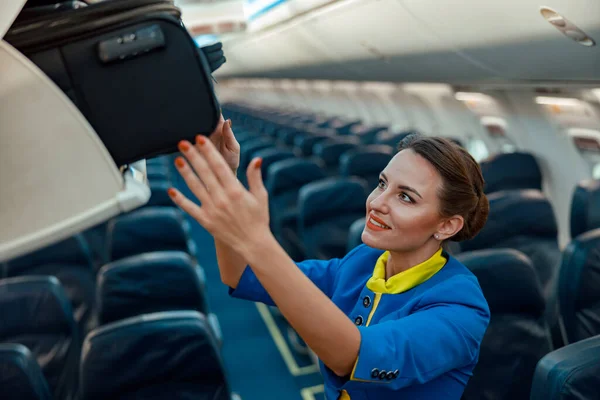
2. Reorganizing overhead bins “to help”
Closing a bin, relocating another person’s roller, or “making room” can quickly cause confusion, particularly if people can’t locate their own belongings afterwards. The overhead space is shared, but the contents are not, and relocating other people’s bags without their consent is a recipe for disaster. Keeping one’s belongings in order and then relocating out of the aisle will prevent boarding from becoming a bottleneck.
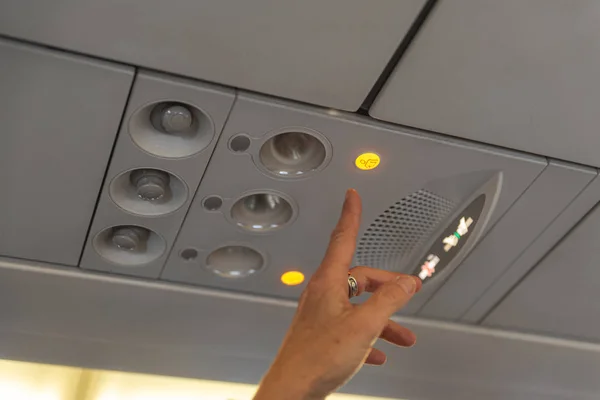
3. Touching crew to get attention
The light touch may be meant as a courtesy, but many of the crew members do not want to be touched while they are working. “Excuse me” and looking at them will get the same results without crossing the boundaries. The call button is there for a reason, and it is a signal to the crew without forcing them to react.
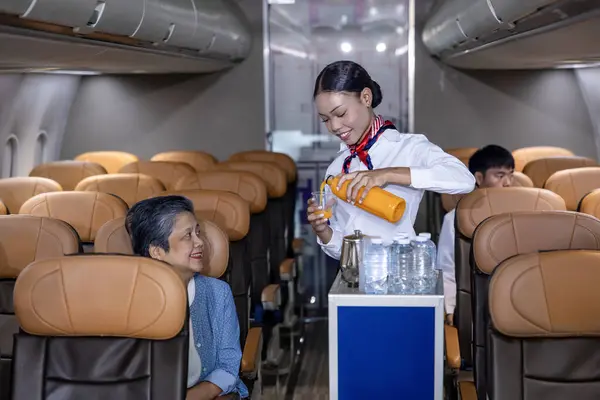
4. Requesting a full bottle refill during an airplane flight
Carrying refillable water bottles is very convenient, but asking for a refill to 32 ounces on the plane uses up a limited resource on the plane. Tania M. explained the situation well: “We just can’t fill up all of your water bottles, or there wouldn’t be enough to offer.” Refilling water bottles in the terminal area after going through security and accepting a cup of water during service ensures water is available to the entire cabin.
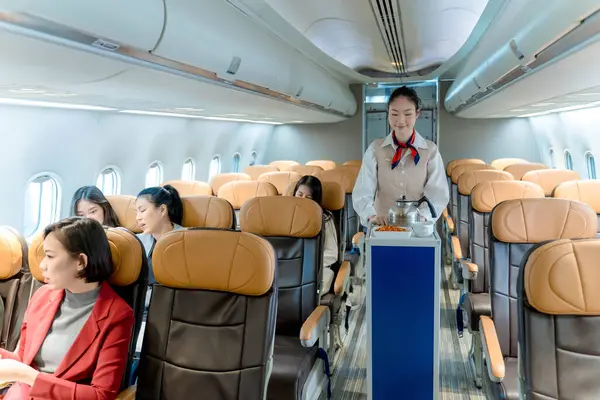
5. Helping oneself to the drink cart
Reaching out for a soda or snack from the cart may seem very efficient, but it will disrupt the crew sequencing and may also cause congestion in the aisle. It may also contaminate the service area, which is touched again and again throughout the flight. Waiting for the cart to come to the row will keep the system smooth.
6. Turning over dangerous trash
Used tissues, diapers, or any other material that has bodily fluids should not be given to a flight attendant. There is a reason why the flight attendants consider these materials hazardous waste, and the trash can in the lavatories is where they belong. For medical sharps, disposing of them after landing helps to protect all of the people who work in the aisle.
7. Stalling boarding with “perfect” bag placement
Constantly readjusting a carry-on, protecting bin space, or blocking other suitcases from being close by may interfere with the whole aircraft. Boarding is efficient when passengers move, store, sit, and exit the aisle. The best form of preparedness is boarding with zippers down, straps in, and the suitcase ready to slide inand then letting the line move.
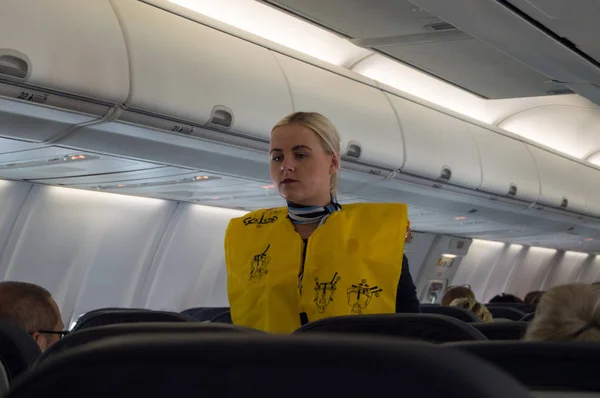
8. Starting conversations during safety-critical moments
Chat is to be enjoyed, but timing is everything. Crew members demand undivided attention during safety demonstrations or announcements, door operations, headcounts, and during any time that the seat belt sign is illuminated. They are also busy with paperwork, flight deck coordination, and cabin observations in ways that are not visible to passengers. Service after meals is a good time to save small talk.
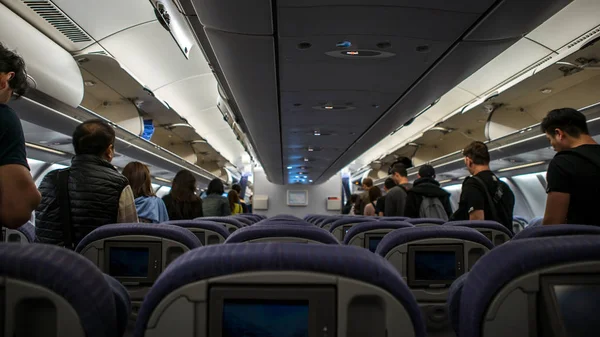
9. Turning deplaning into a sprint
The post-landing chaos can start with people lining up and pushing into the aisle before it is their turn. “It’s not just annoying, but it also slows everything down, making them even less likely to get what they want,” said one flight attendant, Cecily Anderson, about the kind of behavior that flight crews fear the most. “Staying seated until one’s row is called, having bags packed near one’s seat, and allowing for tight connections will help speed the process along.” Cabin etiquette is rarely about making grand gestures.
It’s about recognizing that the crew’s workspace is also a safety net and that smooth flights require predictable motion, clear boundaries, and good timing. When passengers make small, orderly decisions in favor of “helpful” improvisation, the cabin is quieter, the aisle is clearer, and the crew can do what they are trained to do: keep people safe and get them where they are going with less friction.”