
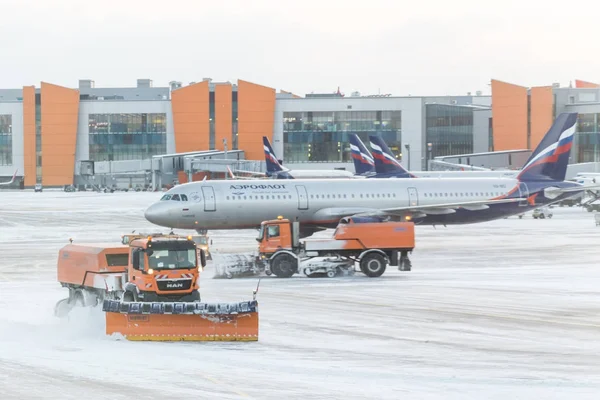
As soon as the winter storm starts to disrupt flight schedules, passengers realize that airports function in two different time dimensions: planned time and operational time.
In large systems, airlines often preemptively cancel flights in order to retain aircraft and crews in locations that will help to facilitate recovery once runways and taxiways are determined to be safe to reopen. This strategy may seem punitive in the short term, but it is intended to prevent a negative day from becoming a prolonged event.
With the accumulation of cancellations, the operative factors move from weather analysis to managing options namely, what actions to pursue through digital means, what questions to pose at service counters, and what rights are still applicable despite the weather being the cause.
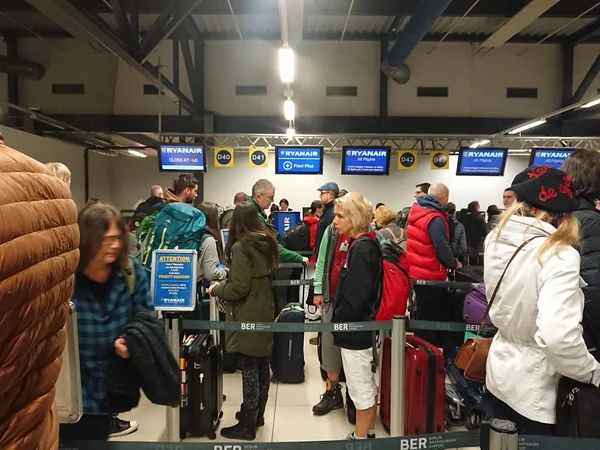
1. Preemptive cancellations are a recovery mechanism, not a failure of customer service
Flights are normally taken out of the schedule before the onset of the worst weather conditions, thereby limiting the number of aircraft that could be stranded out of position. Delta Air Lines’ Chief of Operations, John Laughter, described the aim as “operational readiness: It’s about keeping the airport, the environment clean and ready, snow removed, and then it’s about having our pilots, our flight attendants and our airplanes all lined up so we can get our customers onboard and move them to where they want to be.”
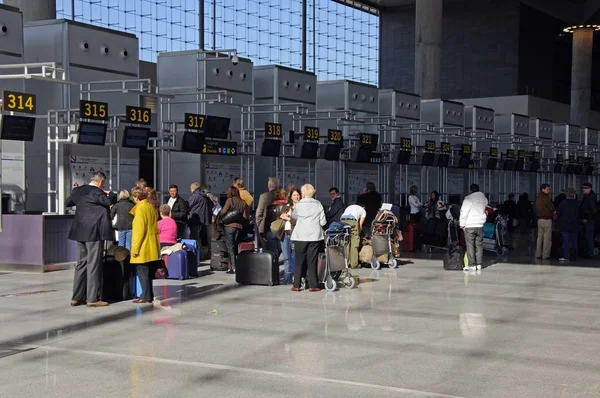
After weather effects begin to affect hub airports, lingering effects may carry over. Even after the weather clears, airlines must work to reverse discrepancies in plane positioning, satisfy crew members’ legal requirements for rest, and readjust maintenance cycles, which is a challenging task.
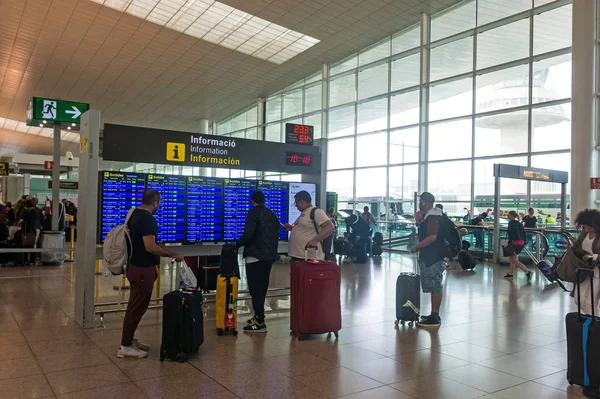
2. Waivers are a kind of implicit message regarding the need to change plans quickly
The purpose of airline waivers is to move customers out of harm’s way before available seats run out. In large networks, airlines can provide waivers that cover more than 100 airports, with flexible rebooking times that minimize change fees.
Because waiver conditions differ, for example, eligible dates, prices, and airports, customers generally find the most success by first interacting with the airline through their application or website, and then reaching out to the airline if they have not received their desired results.
3. Speed is essential because there are only so many replacement seats available
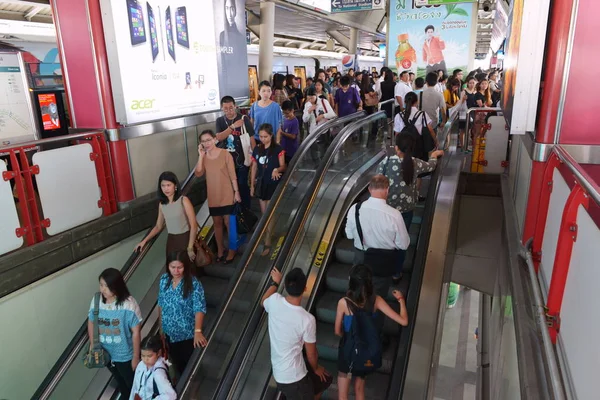
The more cancellations, the more capacity becomes an issue rather than a willingness. “Speed is going to be key,” says travel expert Katy Nastro. “We want people who are traveling to make other arrangements sooner rather than later so they can make sure they get a good rebooking. There won’t be an endless number of seats to rebook you on. There’s no time like the present to put yourself in the best position for a good rebooking.”
Practical planning may involve investigating alternative routes, other airports, or other times of departure before making contact with help services so that travelers are ready with their preferences.

4. A flight that has been canceled may still be eligible for a cash refund, even in adverse weather conditions
Weather conditions are not within the control of the airline, but the right to a refund still applies despite forecasts. Based on the rights of consumers to claim a refund in case of the cancellation of a flight by the airline, passengers who choose not to fly can still ask for a refund irrespective of the type of ticket purchased. The airline can provide credits or vouchers, but the right to refund is still applicable if the passenger chooses not to fly.
Eligibility to receive a refund may also apply in the event of a significant change to the journey. The Department of Transportation has defined “significant” changes in timing as three hours or more for domestic flights, as well as other changes.

5. Rebooking is expected; cross-airline recovery is not guaranteed
After a cancellation, airlines usually auto-rebook customers on the next available flight, with some airlines using partner airlines. But U.S. law does not require an airline to rebook customers on a competitor’s flight, even if it would offer earlier relief.
This gap between expectation and obligation tends to put travelers in a tough spot, especially when there are multiple hubs that are experiencing disruptions at the same time and each airline is focusing on the recovery of their flights using their own aircraft and staff.
6. Reactions classified as “within the airline’s control” shape the character of support
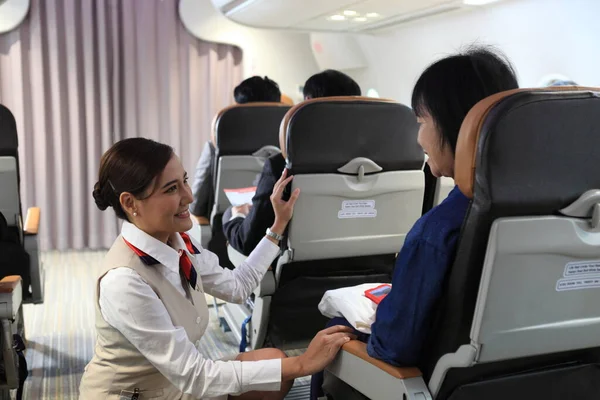
When disruptions are caused by controllable variables such as staffing or maintenance, most airlines agree to provisions such as meals after an extended delay and hotel stays for overnight disruptions. The best way to compare these agreements is by using the Department of Transportation (DOT) Airline Customer Service Dashboard, which outlines what each of the major carriers agrees to provide for controllable cancellations and delays.
In the context of weather events, the same framework is used to explain why help might be limited: if the disruption is labeled as uncontrollable, meal vouchers and hotel accommodations might not be automatically provided, even if the experience is similar to that of controllable disruptions.
7. Preparation for delay is a strategy for well-being rather than a travel strategy
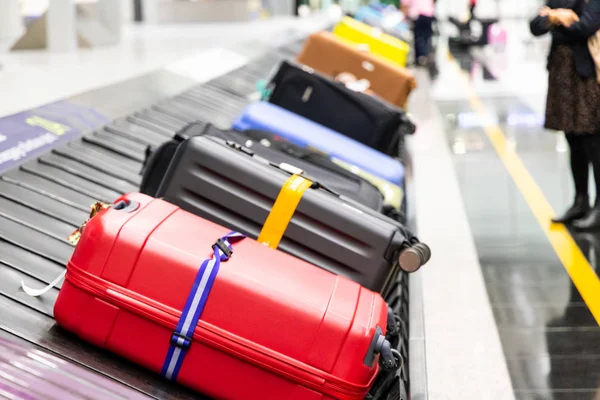
With the current strained airport conditions, it is helpful for travelers to plan for extended waiting times and reduced services. Matas Cenys, the head of product at the eSIM firm Saily, has recommended that travelers pack spare clothing, necessary medications, and items such as charging cables, which are small steps that can reduce stress in case one is left stranded.

In a similar manner, travelers may also find it helpful to put together a “carry-on cushion” consisting of hardy snacks, an empty refillable bottle, and a plan for staying warm and accessible in the event of delayed ground transportation or limited hotel space. While cancellations due to storms may ease on schedules, the trend remains the same: waivers encourage early action, refunds have more defined limits than travelers believe, and the best results for rebooking will usually go to those who are prepared at decision points. When flight schedules stop acting in a predictable manner, the most important thing is not to be able to predict when the next update will come but to be able to distinguish which decisions are still in the hands of the traveler.


