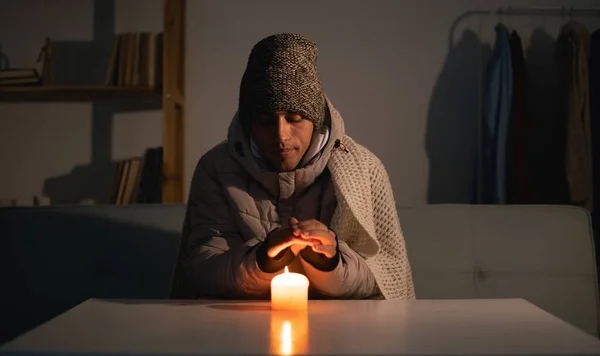
“When a winter storm knocks out the power, the first few minutes can feel like a scramble: The house cools quickly, the fridge becomes a question mark, and phones begin to dip towards low battery.” The most secure course of action will typically boil down to a few doable actions, such as preserving heat, food, and breathable air, while keeping risks from increasing in the dark to a minimum.
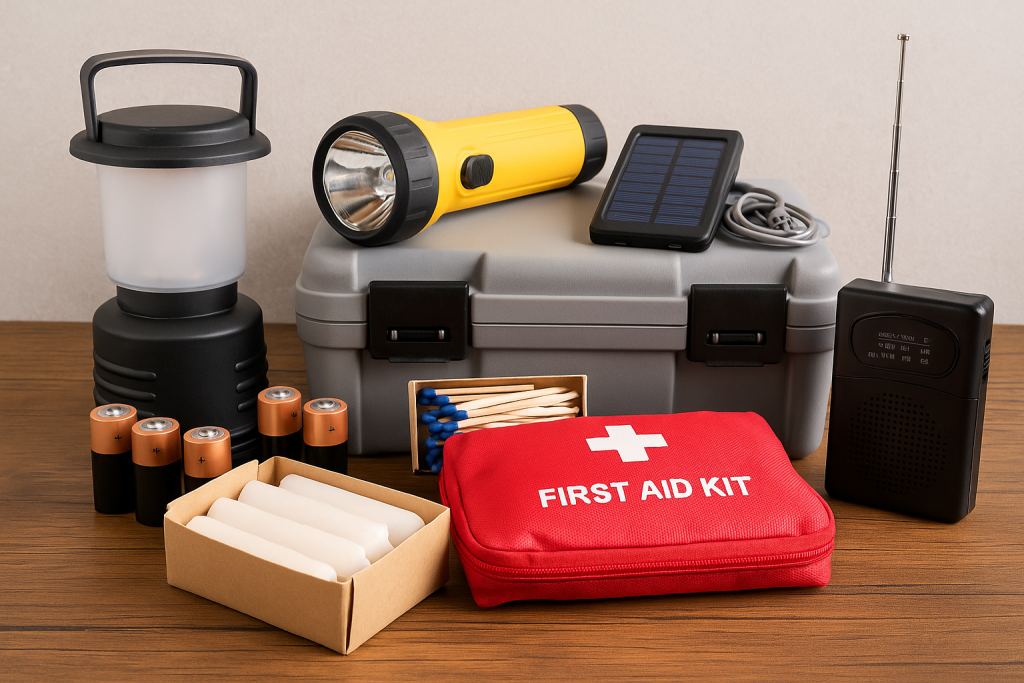
1. Assemble a kit for a blackout before the first flakes fall
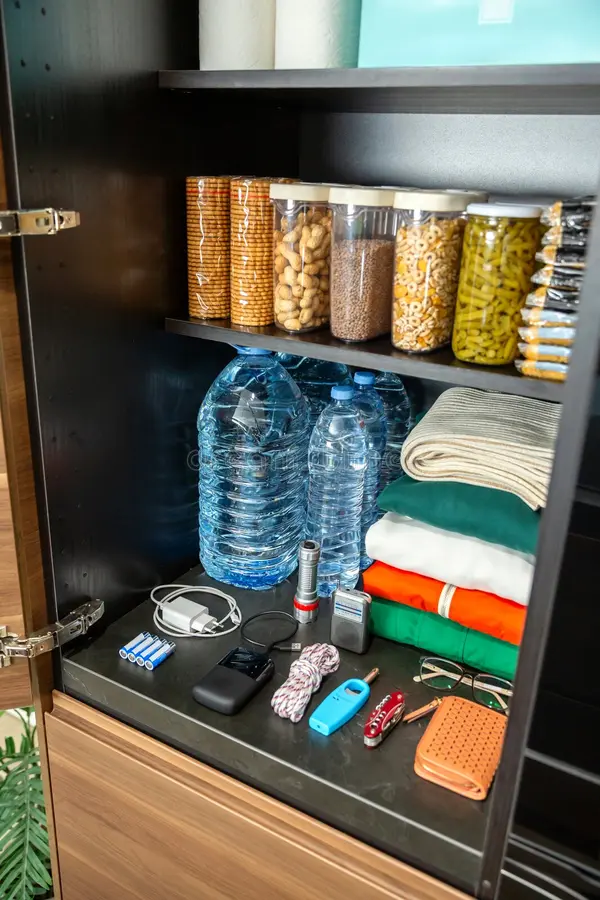
A winter outage is easier to deal with if a family can continue to function without having to open stores or drive on icy roads. A basic kit is built around light, communication, water, medications, and paperwork. The American Red Cross suggests that the basic kit should include essentials like flashlights (not candles), additional batteries, a first-aid kit, a battery-powered or manual radio, a week’s supply of medications and medical needs, phone chargers and power banks, copies of important documents, emergency contact information, and cash.
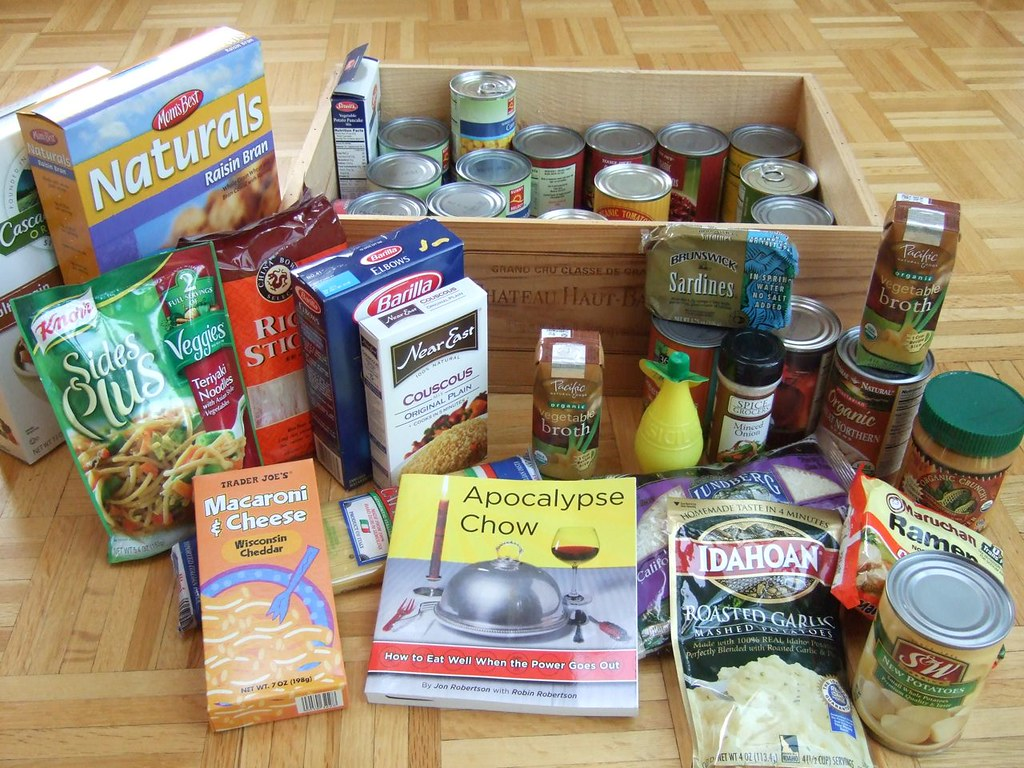
Food preparation is also important: coolers and ice can be used to keep perishable items cold, and a digital food thermometer can help determine what can be kept. Some families also fill up the gas tank in the car in case an evacuation or medical visit becomes necessary.
2. Handle the refrigerator as if it were a cooler that you never open
Food safety can change rapidly when power availability decreases, and opening the door helps increase temperature. The advice that is often followed by emergency planners is: “A refrigerator will keep food cold for about four hours if the door is closed, and a freezer will maintain temperature for up to two days if the door is closed.” If the power outage is expected to continue, some foods can be moved to ice-filled coolers. When the power is back, the temperature reading and visible changes such as unusual smell, color, or texture become more important than taste.

3. Be aware of which foods are high-risk as soon as they warm up
Some foods will spoil more quickly and can make people sick even if they appear to be okay. The Red Cross guidelines for discarding foods after heating include many foods that people commonly keep in their pantries: raw or cooked meat, poultry, and seafood; casseroles, soups, and stews; egg dishes; soft cheeses; milk and yogurt; and cooked pasta or rice. One of the most useful points of reference is the comprehensive guide to food safety during a power outage.
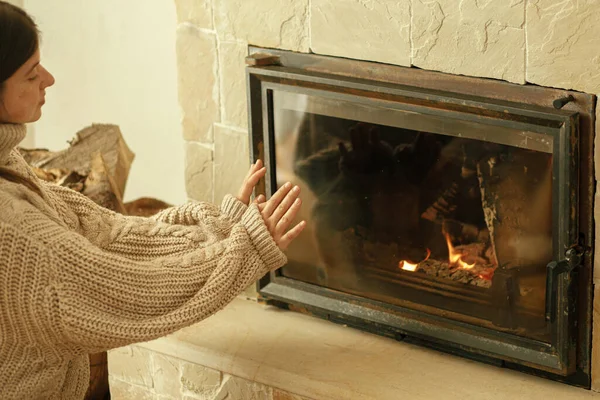
4. Trap warmth in one “living zone” rather than trying to heat the entire house
In a power outage, it is safer for families to keep unused areas blocked off and gather in one area to retain body heat. Window treatments can be used as insulation at night; towels or cloth pressed along the bottom of doors will help cut drafts. Layering is important; wearing hats, socks, and gloves, along with blankets, will help retain heat, and wool and silk materials will keep the heat better than cotton. It may also be helpful for some families to stay on the upper level, as warm air rises.
5. Steer clear of indoor “quick heat” that quietly turns dangerous
Ovens, grills, camp stoves, and charcoal or propane units are not alternatives for heating in a closed area. The main danger is carbon monoxide, which is an odorless gas that can accumulate without warning. Even in low temperatures, fuel-burning appliances and generators should be outside and away from any opening that draws air into the area. If a residence has a generator, appliances should be directly connected to the generator’s power outlets instead of being connected to the residence’s electrical system unless a qualified person has set up a suitable transfer configuration.
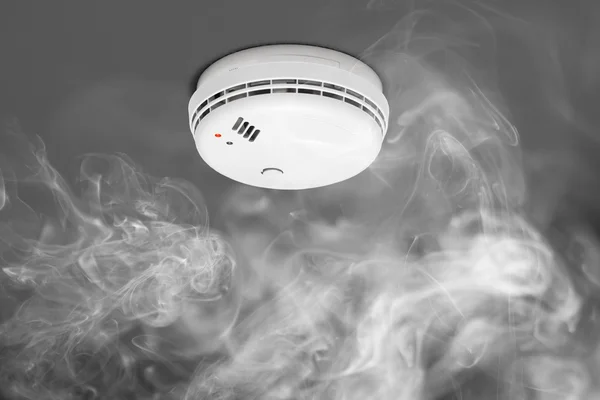
6. Include smoke and carbon monoxide detectors in your power outage plan
Power outages can alter daily habits more candles, more use of portable heaters, more people sleeping in one room and these changes increase fire and air quality dangers. Safety experts recommend alarms that work during a power outage, such as battery-powered alarms or alarms that have battery backup. Alarms that are networked together can provide extra safety because when one sounds, others will sound throughout the house.
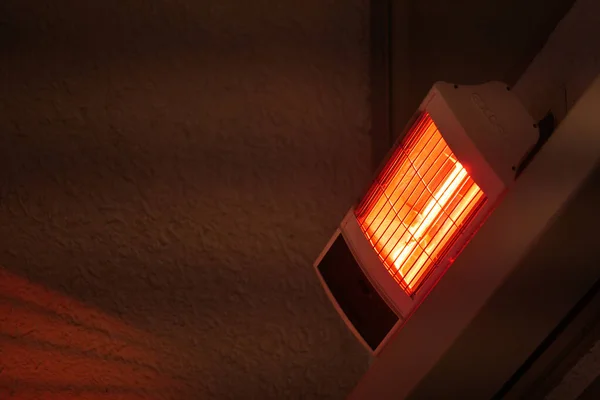
7. Use space heaters with “three feet of space” and no extension cords
Portable heaters are often used during winter power outages and can be safe if used properly. According to the U.S. Consumer Product Safety Commission, portable heaters are estimated to be involved in 1,600 fires each year, resulting in an average of 70 deaths and 150 injuries annually between 2020 and 2022. Tips include keeping portable heaters at least three feet away from bedding, drapes, and furniture, turning them off when going to sleep, and plugging electric heaters directly into a wall outlet but not into a power strip or extension cord.
8. Handle the “power back on” moment carefully
When the power is restored, a gradual approach can help minimize damage and injury. Downed power lines should never be touched and should be reported to the local authorities. Some families turn on one light in their house to indicate when the power is back on, and then turn on appliances one at a time. Appliances that were on when the power went out can be checked before turning them back on to avoid a surge problem.

While winter power outages can be inconvenient, the best habits to stay safe are always the same: keep cold food cold, keep heat contained, and keep combustion and open flames away from living areas. If preparation is already in place, such as lights, water, medications, and functioning alarms, most homes can concentrate on staying warm, staying put, and waiting for conditions to improve.