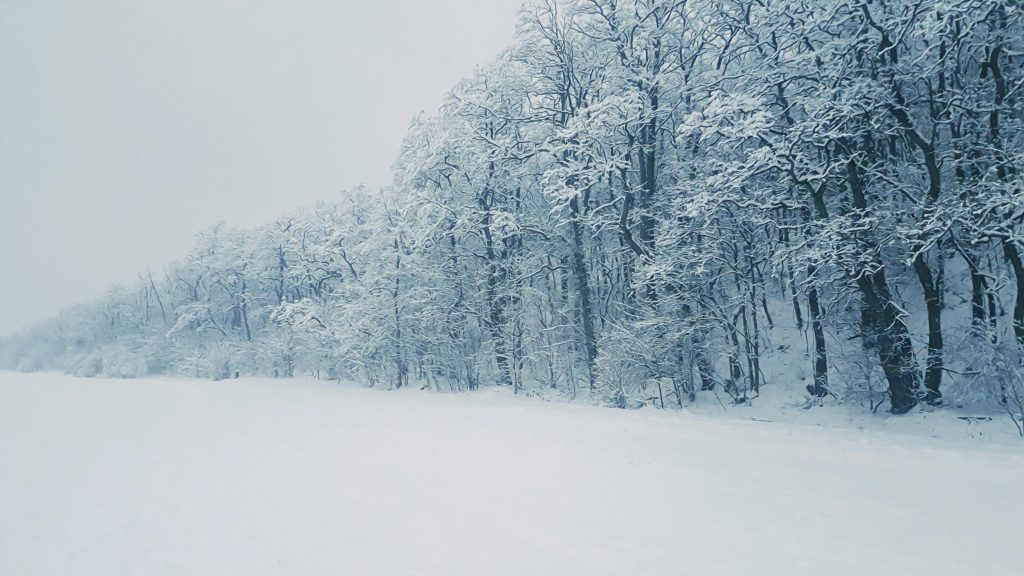
“In many winter storms, the drama seems to end when the last band of snow pulls away. This one did not. Across a wide stretch of the country, the more stubborn storyline was what remained: ice-laden trees, crippled transportation, and homes losing heat as temperatures remained below freezing.”
As the system moved from the South into the Northeast, it brought different dangers to different areas freezing rain where snow was expected, wind that turned small outages into large ones, and a cold wave that made even simple chores hazardous. These are the pressure points that influenced the daily experiences of safety and recovery.
1. Power failures that turned cold into an emergency
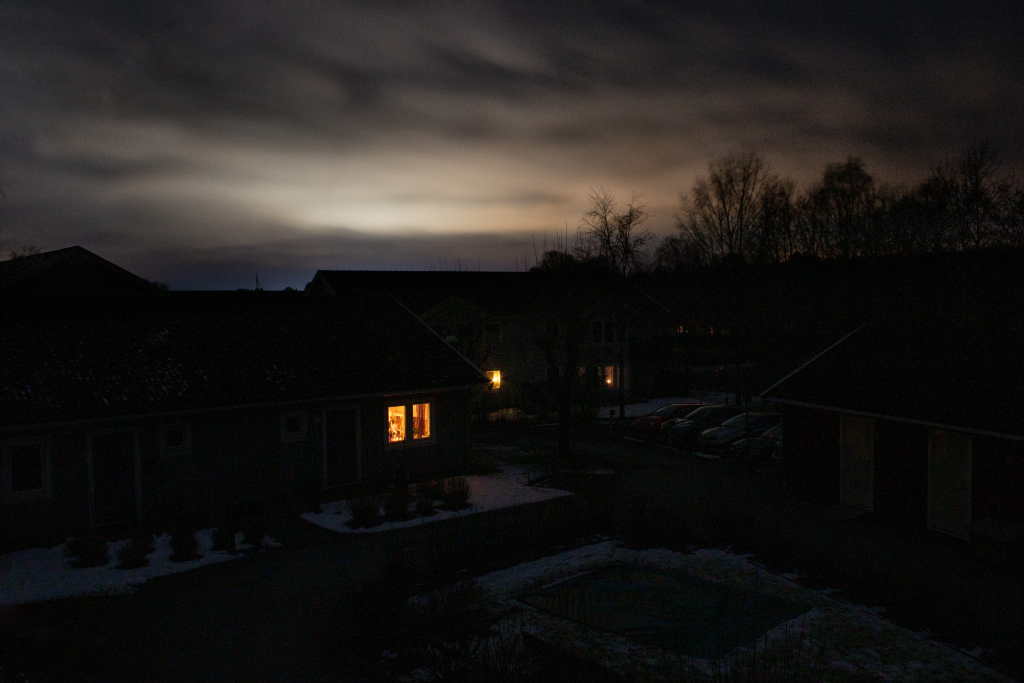
After the storm, the biggest concern was not how much snow was falling but rather the inability to keep warm. The number of power outages surpassed one million customers in the affected area, with ice-laden lines and breaking tree limbs. It was a combination that proved dangerous: the ice weighed down the trees and power lines, while the wind made it more likely that the strained infrastructure would fail. The utilities also had a problem that compounded: when roads are no longer passable, repair efforts are slowed, and the risk of household accidents increases. Extended power outages during freezing weather create a domino effect: space heaters are used too much, families huddle in fewer rooms to retain heat, and cooking and lighting patterns change in ways that raise the risk of accidents.
2. Hypothermia deaths that underscored how fast exposure can turn fatal
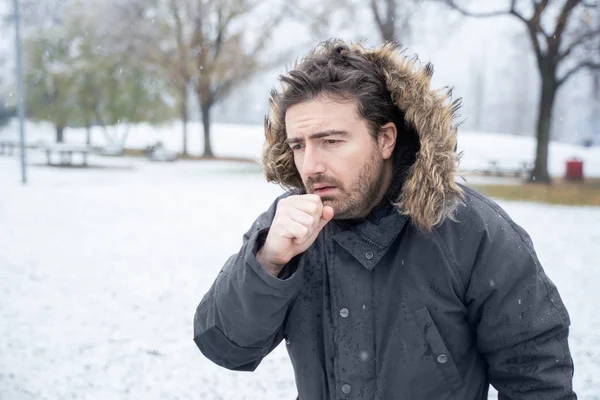
Reports of deaths attributed to exposure were investigated in various states, including a body discovered outside in Austin, Texas. In Louisiana, two deaths due to hypothermia were verified in Caddo Parish, illustrating how rapidly life-threatening conditions can become when individuals are outside with insufficient protection or when heating indoors malfunctions. The pattern was consistent: cold exposure did not require blizzard conditions. It required time, wind, wet clothing, or loss of a warm place to recover.
3. Flight cancellations on a scale that stranded people far from home
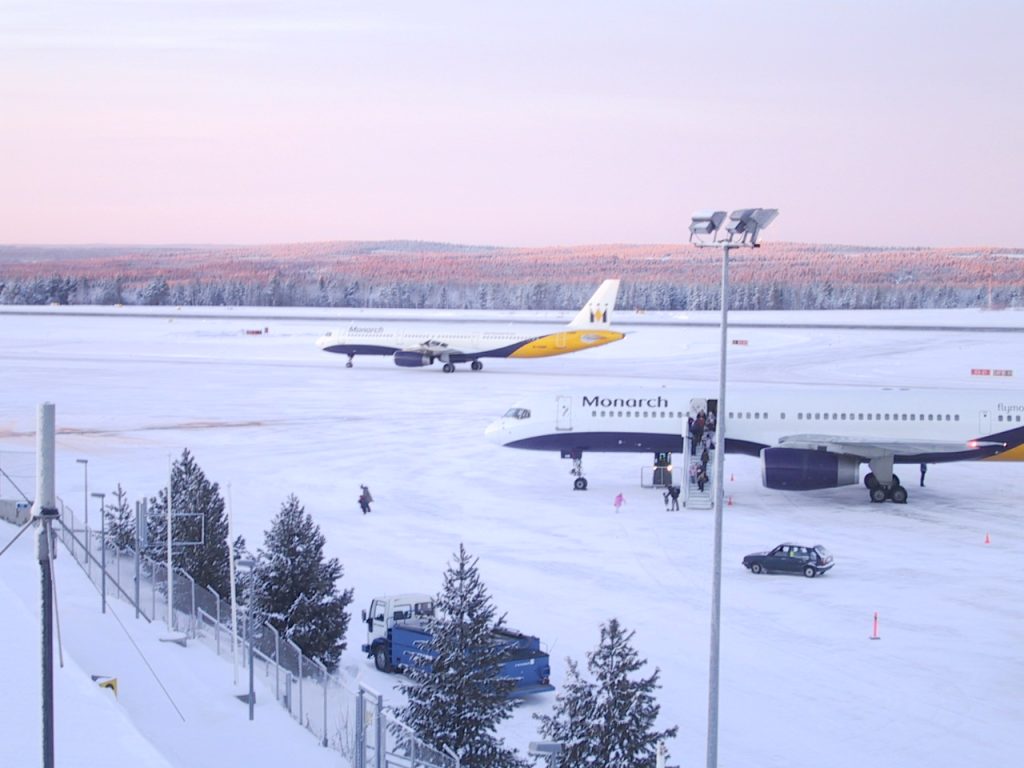
Flight disruptions became a national stress test rather than a regional nuisance. More than 11,000 flights were canceled in one day, with major airports closing down large chunks of their operations. A passenger delayed in Texas could miss their connections in the Northeast, even if the weather is fine there. The cancellations also caused a secondary issue regarding well-being in that travelers who were stuck in terminals or on planes that were not flying had limited access to rest, were uncertain about how to rebook, and had difficulty accessing their medication, food, and warm accommodations.
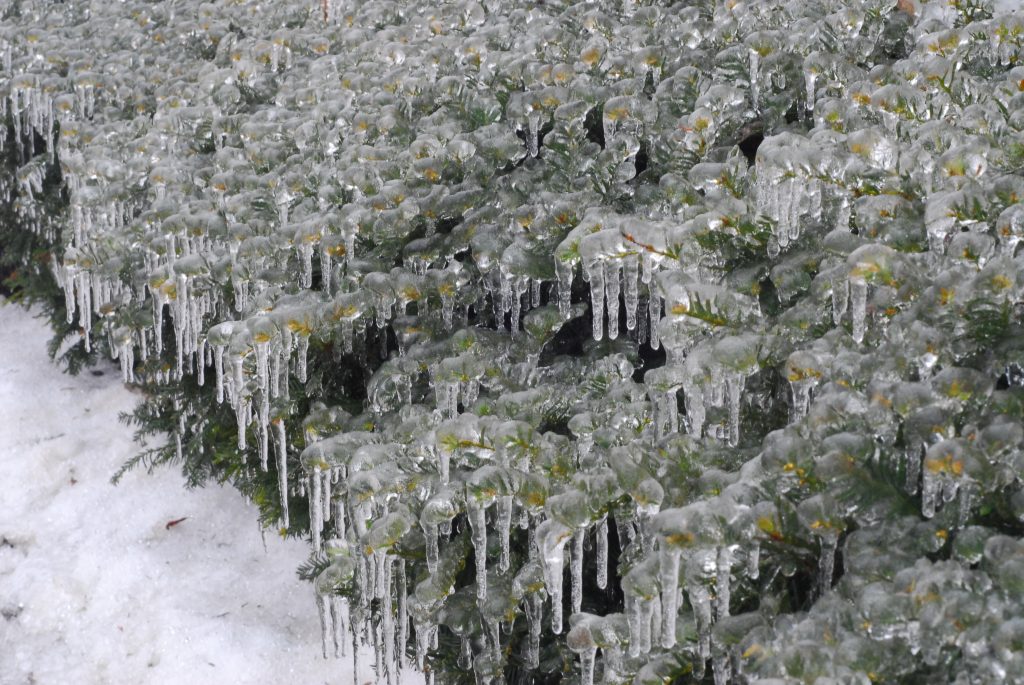
4. Ice as the South’s main winter hazard, not snow
In some areas of the South, the hallmark of the storm was not drifts but freezing rain and sleet. This is because snow requires a below-freezing temperature profile from cloud to ground, but warmer air aloft can cause precipitation to fall as rain that then freezes upon hitting the ground. In this case, ice accumulations of as much as a half-inch were sufficient to knock out roads and power. This same glaze also made it visually deceiving, as wet pavement and ice appear the same, making it impossible for drivers and pedestrians to distinguish until traction is lost.
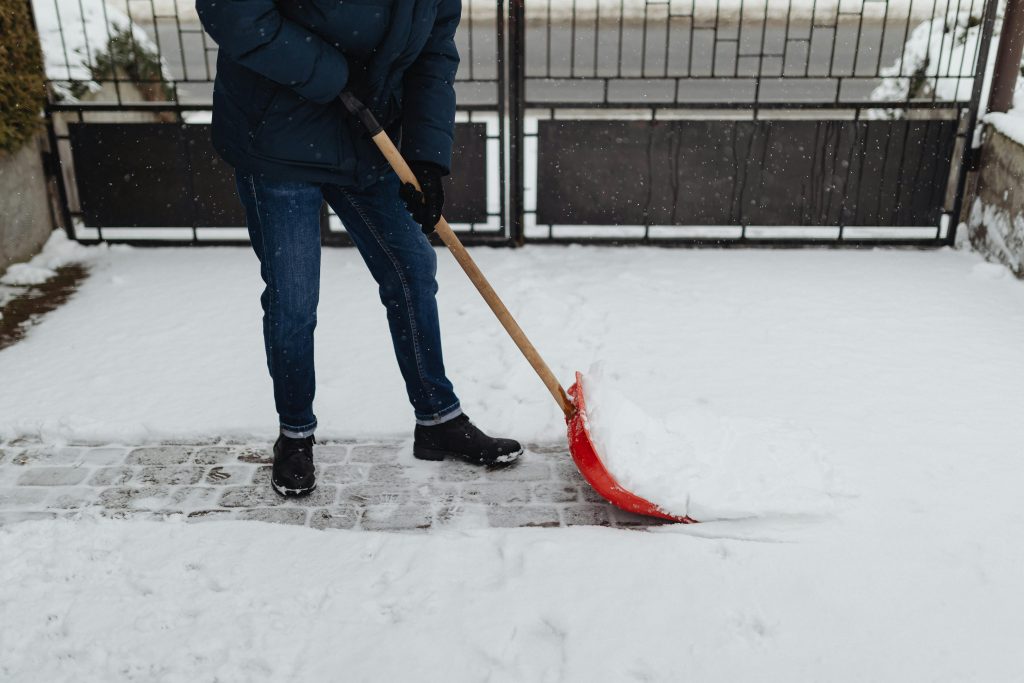
5. Heavy, wet snowfall that made shoveling a health risk
Further north, the snow came with a vengeance, with some areas receiving as much as an inch per hour. Where there was sleet mixed in, the snow was heavier and more difficult to remove. This adds a different element to the risk factors of snow removal, as heavy snow is a risk factor for back injuries and can be a strain on the cardiovascular system when people hurry to get their driveways cleared before it can refreeze. The best cleanup practice was rarely the quickest short work times, plenty of breaks and drinking water were as important as the shovel.
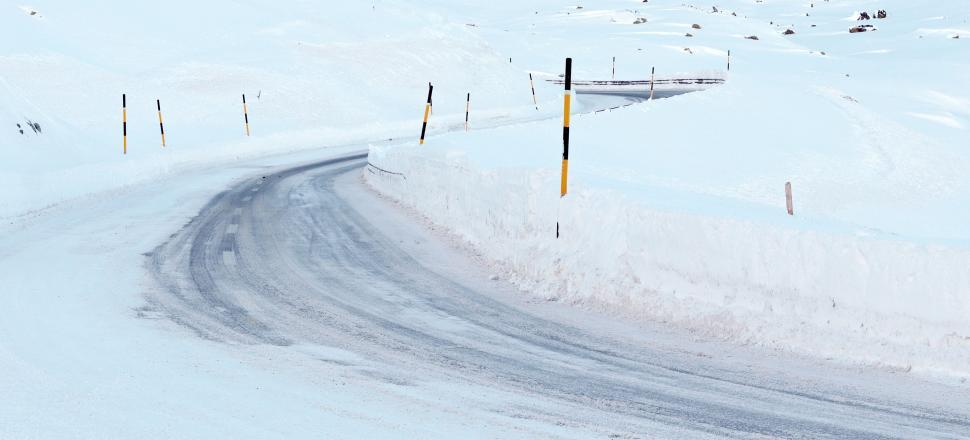
6. Roads that stayed dangerous even after precipitation slowed
Travel dangers extended beyond the storm bands because the temperatures remained low. The process was quite simple: melt during the day, and refreeze at night, and ice remains under bridges and overpasses that lose heat quickly. In the South, the refreeze problem was compounded by downed limbs and lines, which narrowed already slippery routes.
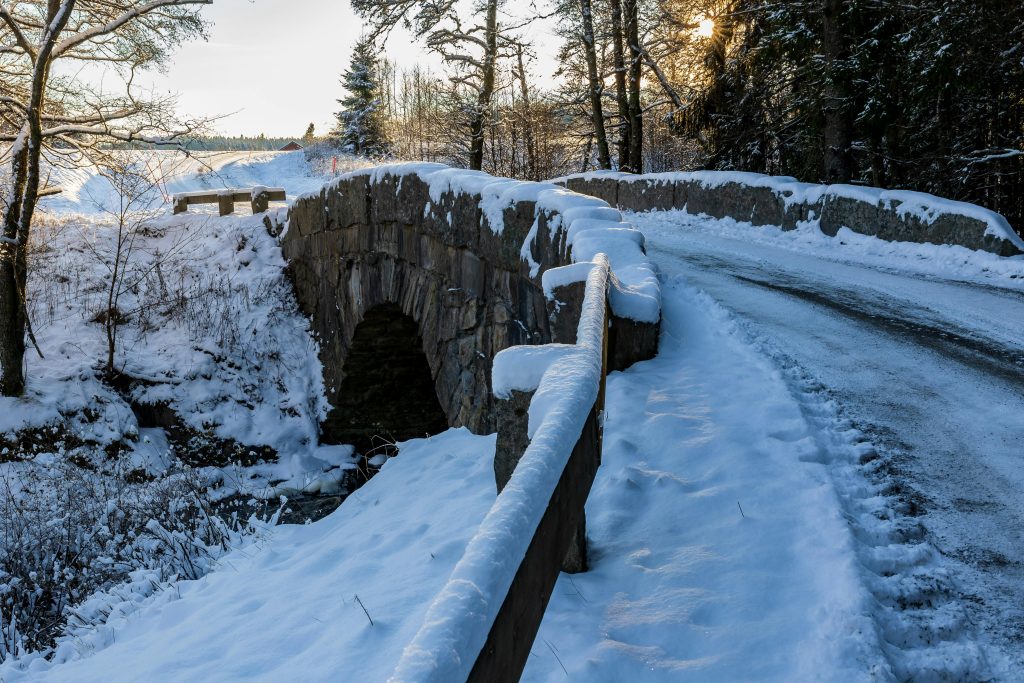
In the Northeast, strong winds and heavy snowfall reduced visibility, and sleet and freezing drizzle made it difficult to plow and salt roads.
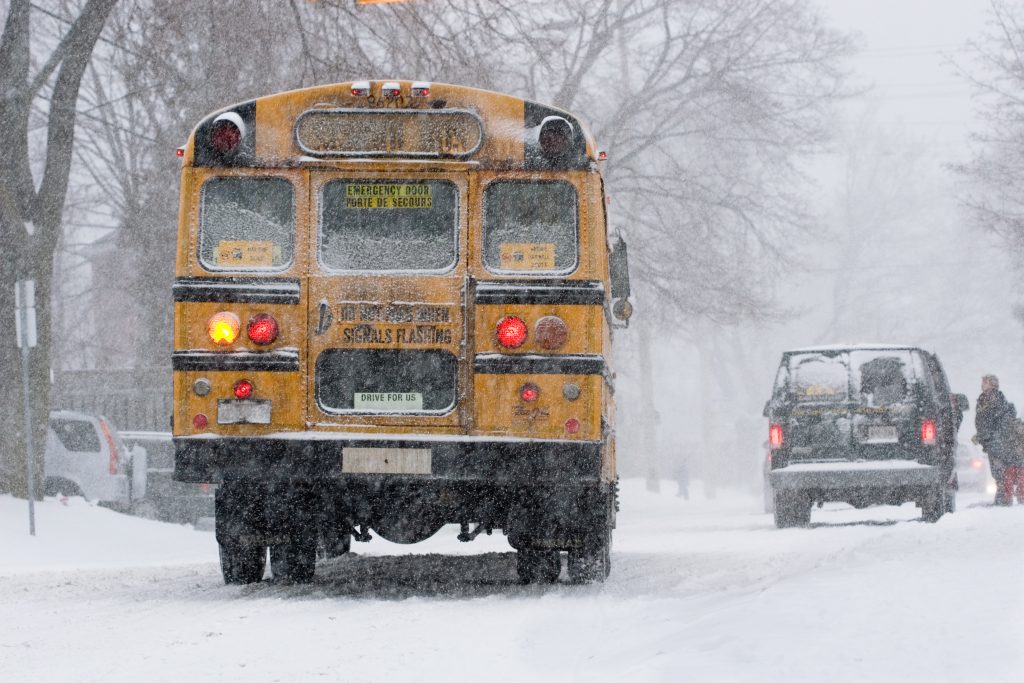
7. Daily life disruptions that reached beyond weather basics
As the situation deteriorated, cities and institutions adapted: schools in New York City switched to online learning, and large gatherings were postponed, such as an NBA game because a team could not leave Dallas. These are not superficial changes. They represent a larger truth: once transportation, power, and personnel are strained, basic services are hard to maintain.
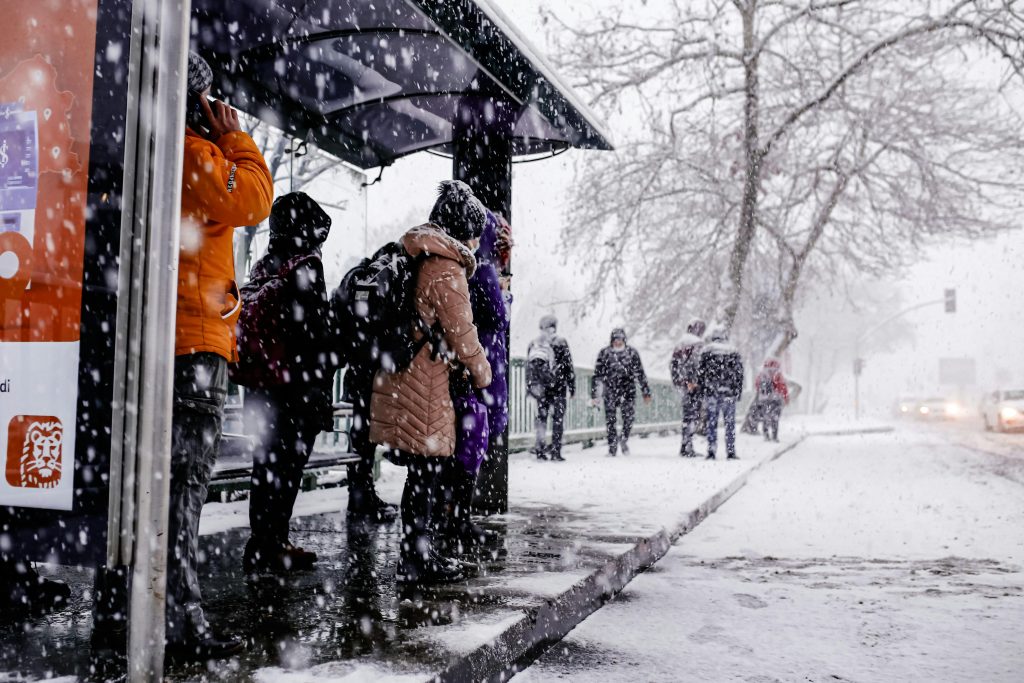
Recovery turned into a multi-day project, not a commute issue. From different regions, the storm has shown a common thread: while snow amounts were in the spotlight, loss of heat, ice damage, and prolonged cold have been the real health stakes. Even as the forecast improves, risk does not necessarily disappear. The real-world hazards of exposure, refreezing, and unstable trees and lines may persist long enough to “define the week.”