
“The winter storm that stretches from New Mexico to Maine has been reported in numbers flights canceled, inches of snow, miles of ice but life typically unravels in more particular ways. A road that appears merely wet becomes black ice. An outage becomes an overnight heating issue. A ‘snow day’ becomes a child care and food puzzle.”
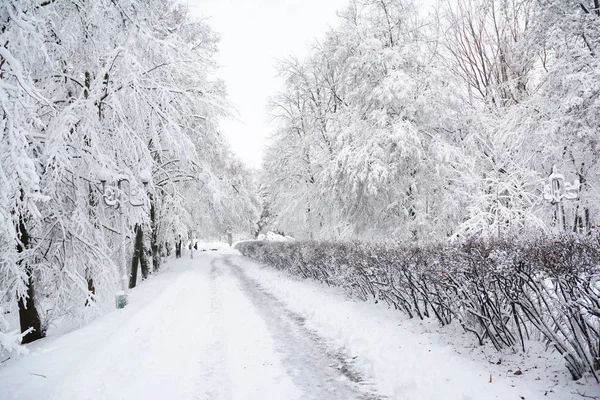
In the South, ice has been the determining element, with predictions of as much as 1 inch of ice that could make roads impassable and threaten power lines. In the Northeast and Mid-Atlantic, the snow has created its own chain reaction: roads made impassable, public places shut down, and mass transit disruptions.
1. Ice turns regular tasks into a multi-day problem
Snow may slow a city down, but ice can bring it to a standstill. The National Weather Service has one simple rule for an ice storm: “Ice accumulations of at least a quarter of an inch on exposed surfaces.” When the accumulation gets close to a half-inch, the weight on the branches and lines becomes a serious threat, and the danger shifts from slippery roads to damage and neighborhood closures.
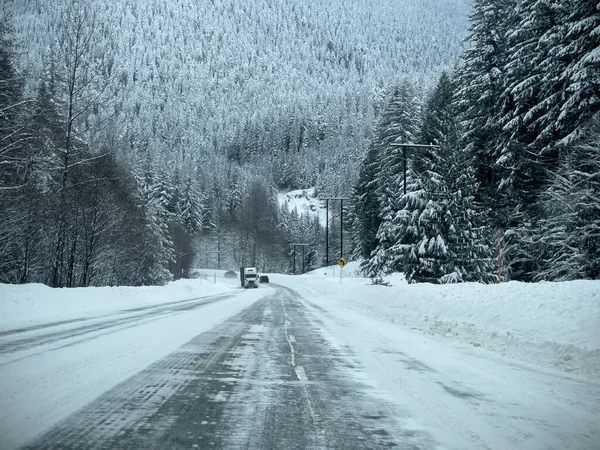
In the Southern regions of the country, the presence of overhead utilities and tree coverage raises the potential for power outages and road closures as soon as the freezing rain begins to fall. Even after the precipitation has ceased, ice can still be present on bridges, overpasses, and shaded roads, especially if the temperature falls after the storm.
2. Power loss accelerates a health crisis sooner than expected
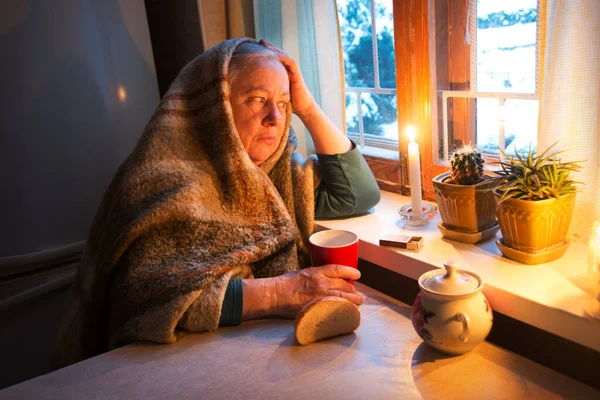
The winter storm can also be considered as a transportation problem, but the most dangerous aspect of the winter storm may be after the commute. The cold air that follows the winter storm can make a dark house a dangerous house. In this situation, the number of outages rose significantly, with more than 900,000 customers experiencing power outages.

There were also reported deaths in the area affected by the storm where hypothermia was suspected or confirmed. The point to take away from this is that heat, not traction, becomes the key resource when the wind chill drops into the single digits and below.
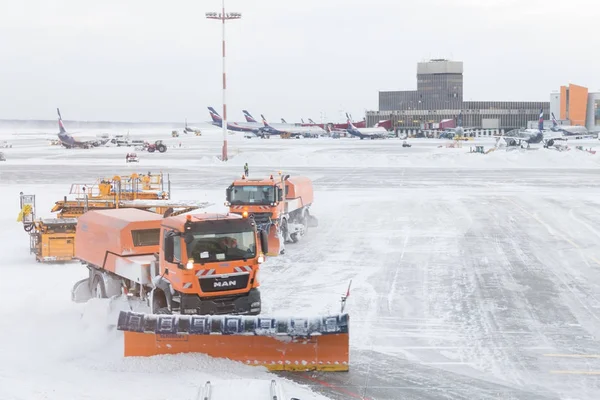
3. The effects of travel disruptions extend far beyond the storm map
The effects of travel disruptions extend far beyond the storm map. Flying has shown how quickly a weather pattern can grow from a regional issue into a national concern. The flight cancellations started with the first wave of ice in the South to snow in the Northeast, reaching over 11,000 flights canceled in one day, including the closure of flights at a major airport in the Washington area.
For families, this could mean missed connections, stranded family members, and late deliveries of medication and essentials. For employees who are paid by the shift, it could mean lost hours. For caregivers, it could mean being unable to reach someone who needs in-person help.

4. Schools close, but the planning burden moves home
As the school districts in the larger metropolitan areas began to close or go to remote learning, the storm’s effect changed from plows to salt to kitchens to living rooms. When schools are closed because of the weather, the children are out of school, but not everyone is at work. This is a problem because many jobs are not weather-related.
Even in areas where the roads are upgraded, the schools may be slow to improve because the buses, the heat in the buildings, and the staff all depend on safe routes.
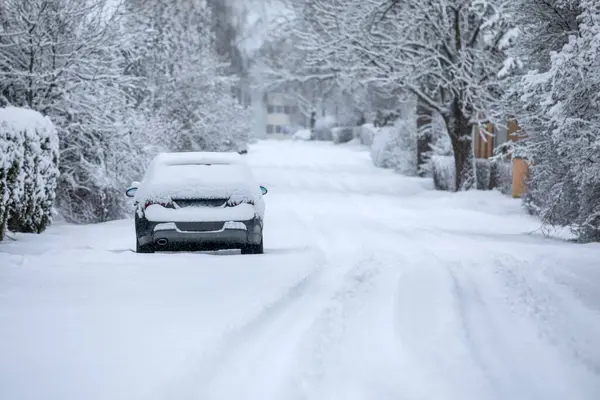
5. Driving safety is often determined before the key is turned
Some of the most effective storm choices include those that happen in the driveway. The National Weather Service recommends that drivers TAKE IT SLOW IN THE SNOW and that temperatures near freezing should be considered a warning sign of black ice. This same notice recommends checking the fundamentals of a vehicle before a long drive and keeping fuel levels high enough to avoid freezing problems. These steps do not ensure safety, but they can help prevent a small slide from becoming a long roadside stop in the frigid temperatures.
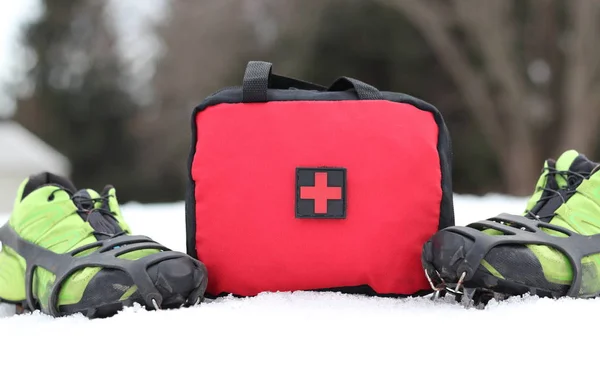
Big winter storms announce their presence with big forecasts, but the biggest outcomes are what it all adds up to: the systems of heat, transportation, school, and the ability to stay put in one’s home. When all of these systems are being pushed to their limits, preparation becomes less about a list and more about a plan for how to stay warm, how to communicate, and how to avoid having to go out. Because the area of the storm that is affected includes areas with a widely varied level of experience with snow, the connection is the same: “ice and cold stretch the disruption well past the final flakes.”