

Dogs do not measure love in big, occasional gestures. They measure it in repeatable patterns: the feel of a leash in the hand, the rhythm of a meal, the pause that allows a good sniff, the voice that stays steady when the world gets loud.
These small cues are a dog’s operational definition of safety. They also affect behavior, since a dog that feels safe can think, learn, and recover from stress faster than a dog that feels hurried or ignored. These daily practices are easy, but they resonate.

1. Let sniffing set the pace sometimes
For dogs, sniffing is not “bonus” time it is the primary means by which the environment is explored. A slow walk with frequent pauses is mentally stimulating, not to mention physically active, and can be especially beneficial for senior dogs who need easier excursions. The idea is simple: let the dog follow its nose for a bit, and then get back to a normal pace as needed. As one behavior supervisor at a shelter said, “Giving dogs the opportunity to sniff can be as enriching as physical activity.”

2. Spend a few minutes of undivided attention
Dogs can differentiate between shared attention and divided attention. A few minutes of dedicated play time, intentional petting, or a quiet check-in with eye contact can communicate value in a way divided attention simply can’t. It’s not how long the dog gets your attention that counts, but rather that it’s a regular part of your daily routine.

3. Speak with a soft and predictable voice in daily communication
Dogs receive tone as information. Speaking in a calm and reassuring voice can decrease stress in new settings and help follow signals in the home. A predictable voice also eliminates the shock of sudden volume changes, which dogs may recognize as danger or conflict even when it is not directed at them.

4. Recognize “look away” and “yawn” as real communication
Some forms of canine communication are easy to misinterpret because they seem “polite” or “yawn” to humans. Dogs look away to calm stress, and yawning is a common indicator of stress rather than boredom. Lip-licking is also a quick indicator of stress. Recognizing these signals prevents the quiet escalation that happens when the dog’s early warnings are ignored.

5. Consider the dog’s personal space in the moment
The dog’s comfort zone changes depending on the situation from busy streets to new visitors, crowded rooms, and fatigue. The dog’s personal space can be respected in a number of ways, such as stopping petting when the dog turns away, providing an escape route, or waiting for the dog to initiate contact. When the dog’s personal space is respected, trust is built because the dog recognizes that signals are effective.

6. Use hand-feeding as a trust-building exercise judiciously
Hand-feeding can make meal times into activities that are low-stress and centered on building trust and redirecting attention. Hand-feeding can also be used to control impulses if the dog recognizes that staying calm, as opposed to reaching, leads to rewards. In some cases, it is utilized to enhance comfort with the dog’s presence near valuable items because hand-feeding the dog teaches them that reaching towards them predicts a positive outcome.

7. Create a predictable routine for the dog
Dogs thrive on routine, and predictable patterns will eliminate stress behaviors. Routine doesn’t have to be rigid, but it does have to have predictable points of stability: meals, walks, rest, and short training sessions that follow a predictable pattern. In shelter settings, predictable routines have been demonstrated to lower stress hormone levels; one study found a significant decrease in cortisol levels in dogs on predictable routines compared to those without a routine. Even in a busy household, keeping the “skeleton schedule” helps to keep a dog on track.
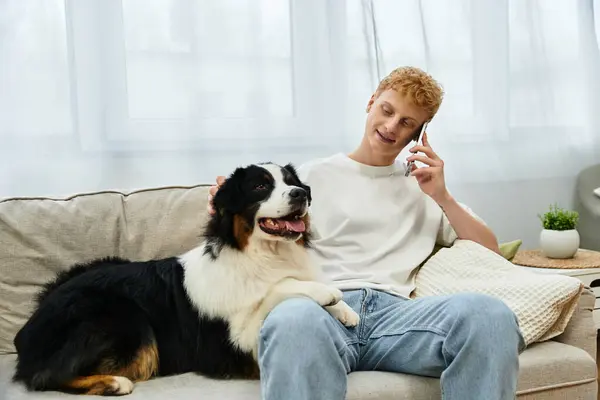
8. Be a calm influence when the dog is experiencing strong emotions
Dogs who are anxious or over-stimulated often have trouble calming down on their own. The concept of a “steady nerve” that can calm a dog down is called co-regulation. This is as simple as moving slowly, talking softly, relaxing posture, and being present without adding pressure. The key is not to do it perfectly; it is to offer a steady emotional “home base” for a dog to turn to when the moment feels too big.

None of these steps require any special tools or taking up more time in the day. They are just small choices that communicate to a dog, again and again, that the world is a predictable place and that the person on the end of the leash is a safe bet. Over time, that message becomes a dog’s confidence.


