
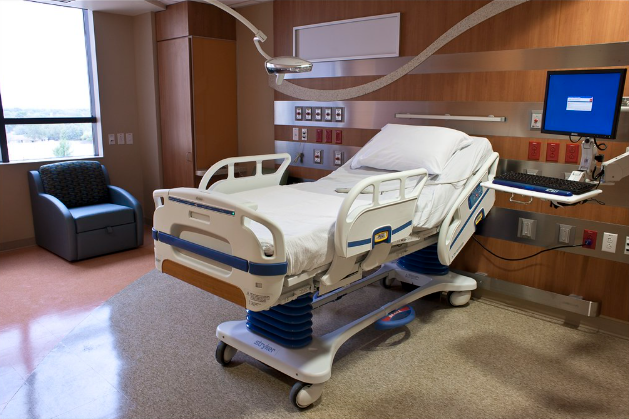
When individuals come out of a medical emergency that temporarily cuts their regular consciousness off, they come back with recollections that are more vivid than a dream and less susceptible to being forgotten like a hallucinatory one. They are also known as a near-death experience (NDEs) and they occur in the intensive care units, following cardiac arrest and other life-threatening emergencies.
The specifics change, although the patterns are consistent enough to continue to lead clinicians and researchers back to the same conclusion: just what the mind is up to just before death. Interviews and long-term follow-ups give some clues, whereas physiology in resuscitation in studies gives others: a survey reported NDE in 15 per cent of intensive care patients.
Such themes do not support an afterlife or can easily be explained as single brain mechanisms. They are, but, as it were, an unchanging human testament, so frequently so expressed as to be articulated in terms of love, of lucidity, of irrevocable personal transformation.

1. A bright light described as loving and intelligent
Most survivors report of a bright light which does not hurt the eyes, but which seems personal, more of a presence rather than an object. People have been quoted saying that it does not use words to communicate, it is reassuring and welcoming. In one narration one survivor remembered that it was a transformational presence of peace, comfort, serenity, love and home and it was a sense that they were not alone anymore.
2. Seeing the body from above
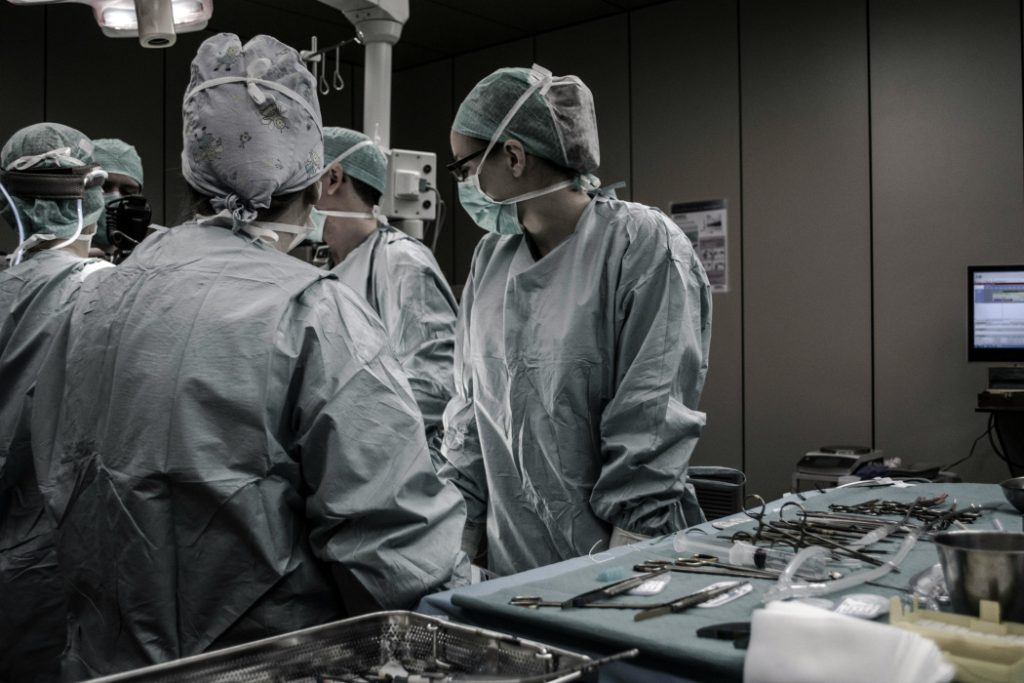
One of the most recurrent motifs is the perception of out-of-body: of floating over the ceiling and observing the course of CPR or medical practices. Other experientialists describe unexpectedly mundane facts of who, what, how the equipment sounded (and) the strange sensation of being out of the pain. Researchers in AWARE II recorded that 11 out of 28 interviewed survivors indicated that they had memories of events that might indicate consciousness during cardiac arrest or after the event.

3. A rapid, emotion-heavy life review
Instead of nostalgia, the life review is frequently referred to as immersive and ethically charged, both as one revisits moments and also experiences their effect on people. It has been described as simultaneous and not sequential as though the mind switches between clock-time and meaning-time. A qualitative investigation of resuscitated cardiac arrest patients revealed that the participants regularly highlighted that they did not dream, it is a real experience, and that their perceptions of life and death changed because of the experience.

4. Meeting deceased loved ones or familiar presences
Experiences of dead family members or friends or even the presence are often outlined as highly reassuring. The realization is at times instantaneous; the figure is sometimes depicting a guide instead of a particular being. Such reunions are usually accompanied with a feeling of belonging and relief as though the inter-personal ties have survived the flesh.

5. Peace that replaces pain
The most common elements in accounts are a sudden lack of physical pain companied by a sense of spaciousness. Even in cases where the medical situation was violent or fearful, people report finding themselves soothed of fear and so that everything is okay. This perceived peace may be maintained after that as a lower death fear and a change of priorities.
6. Moving through a tunnel or corridor
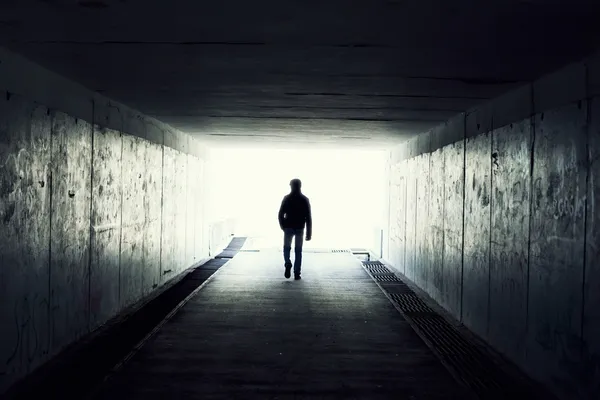
The tunnel picture is also one of the most culturally identifiable features, but according to the testimonials of the survivors, the picture is not as dark a hole, but as a kind of a pull. The movement can be either rapid or beyond normal physics, and there is almost a magnetic attraction toward being bright. The accounts of going with the direction and being in the place where there are no boundaries are repeated in the interviews of the resuscitated patients.

7. Communication without spoken words
There are numerous reports of the so-called telepathic knowledge; the entire thoughts coming at a single moment, without utterance. The material could be reassurance, teaching, or a wordless feeling of what is important. This type of communication has been reported to be more effective than language and in most cases very hard to revert to the normal way of talking.
8. Reaching a boundary that feels final
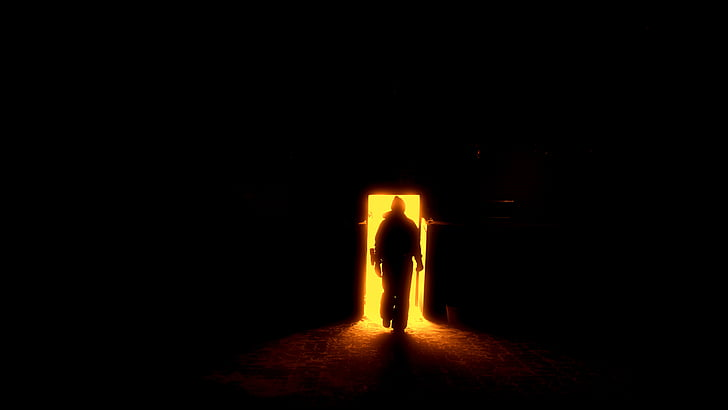
Another typical resurgence point is the feeling of a gateway: a boundary, entry, a river or a no-turning-point. Survivors tend to say that they know immediately and without question that once on the other side they cannot go back to life. One may view this as a decision, a declaration of sorts (it is not your time), or a pull back to the body.

9. Time dissolving into an “eternal now”
The time of NDE is often characterized as either lacking NDE or distorted radically, demanded minutes that seem to be hours, or a massive experience in a limited clinical box. Other authors describe this as a move out of chronos (measured time) into kairos (meaningful, timeless time), which can be used to comprehend why the experienceer insists that the episode was more real than that of regular memory. In all these themes, the change of attitude is the most lasting after-effect, not the visual image, but the shift in attitudes: the relationships are more important, the little things are heightened, and death does not seem annihilating, but more like a transition point.
Disembodied states have also been investigated by researchers as potentially associated with prosocial change, such as studies on ego dissolution and empathy following out-of-body experiences. To clinicians, their families, and survivors personally, the professional lesson is usually not very difficult: there are a lot of people reporting such experiences, many of them cannot describe them, and many of them need the space to assimilate what they recollect, without needing to demonstrate what it was.

