

The person will not need to be a believer of Christianity to see that Christians are doing daily chores with an invisible audience present. Some of these practices might be less likely to seem routine, in a culture conditioned to think what is measurable is important, rather than a different operating system.
What most people fail to realize is that, most Christian habits are not merely beliefs; they also serve as coping and bonding and meaning-making and self-regulation instruments. Spirituality, grief, and group ritual studies allow us to understand why these practices remain in existence- even when people are surrounded by secular suppositions.
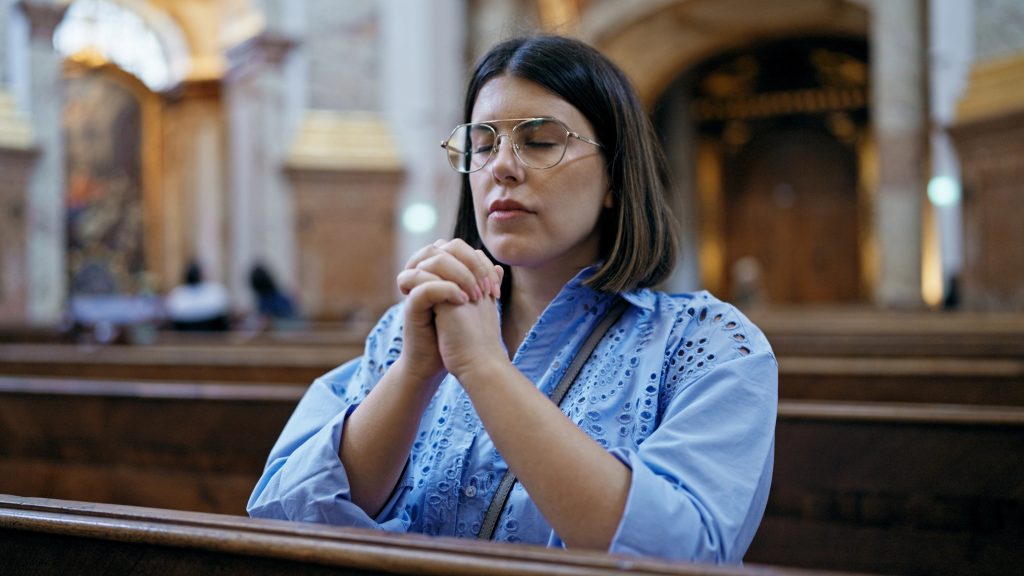
1. Talking to God alone, like you were talking
Prayer may seem puzzling to a person who wants communication to be verifiable and two-way in a way that can be observed. However, to many Christians prayer is more like relationship than performance, which is a continuum of paying attention, confessing, giving thanks and asking. That relational framing appears in studies which take the spiritual belief as a lived orientation, rather than a label.
Strength of spiritual belief was found to have a predictive value on bereavement outcome over follow-ups in a prospective cohort study that followed bereaved relatives and friends in a London palliative-care setting, although the study factored in such other factors as baseline emotional distress and proximity to the deceased. The research does not demonstrate that prayer is mechanically effective but it does show that to some individuals, there is an inner spiritual structure, which is associated with the process of grief over time.

2. Using a sacred text as authority, even in cases of interpretation difference
Most nonbelievers suppose that Christians associate to the bible in one, consistent manner; be it literal, or otherwise. Practically, Christians are diverse and many of them consider Scripture to be authoritative without demanding that all the passages are a recording of what transpired. Data of public opinion emphasizes that diversity.
In a single national survey, 20% of Americans consider the bible as the literal word of God with a 49 percent believing it to be inspired but not literally with 29 percent considering it a compilation of fables, legends, history and moral precepts written by man and these shares were also reflected in a recent U.S. polling write-up on biblical interpretation. To nonbelievers, the misunderstanding is normally caused by assuming that authority must be unanimous. To a substantial number of believers, it does not.
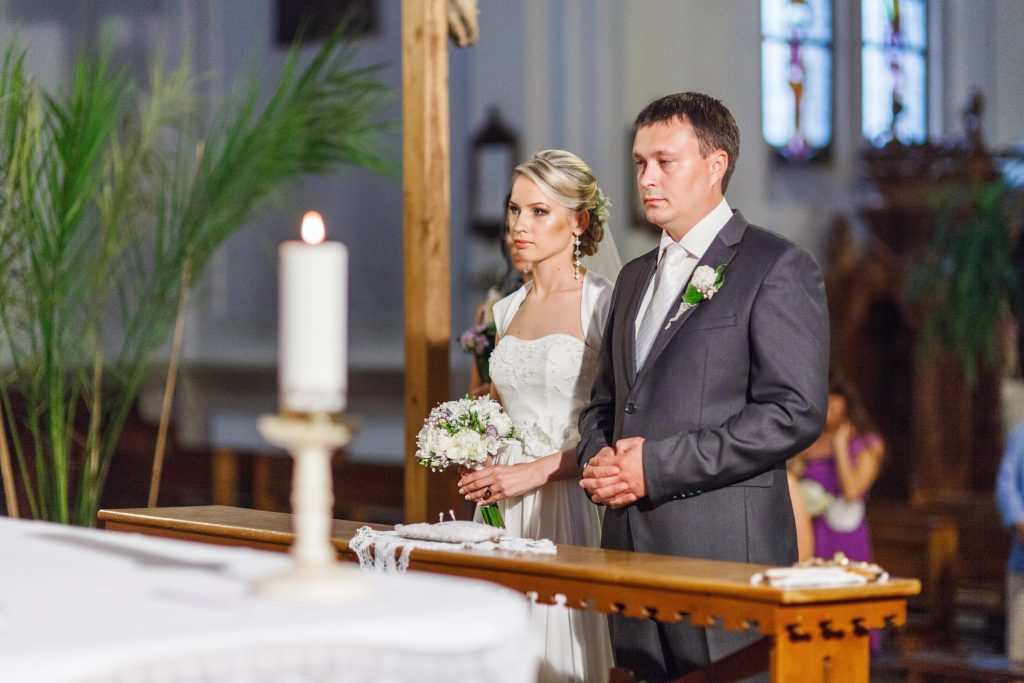
3. A connection of relation to a covenant, not just to consent
Waiting to get married may seem, externally, like renouncing normal desire or renouncing relation ethics of the modern age. Christians who abstain tend to put it in a different perspective: as a limit that bestows relation a certain sense in commitment. Within certain modern Catholic communities, this has been attempted by proponents of the church to redefine chastity as a broader science, less about fear and more about guiding intimacy with purpose due to the intense social forces.
A U.S. beach outreach reporting included a report on how the activists chose to start with relationship questions and concerns regarding social media instead of starting with a rule, with Gen Z being characterized as part of the comparing and despairing dynamic and the complex relation recession being the more complicated aspect of chastity messaging in the long-form coverage of how chastity is being packaged to Gen Z.

4. Donating money as a default position
Tithing may appear to be unreasonable to a person who regards personal income as a purely individual property, which is maximized in terms of security. The act of giving is what is taught in a lot of churches as stewardship, a figurative reminder of the need to be dependent, grateful, and responsible to a community.
There is even practice even in Christianity. According to a generosity study summary on tithing knowledge and practice, survey results of church giving show that 21% of Christians have given 10% or more, and in the case of practicing Christians, it goes up to 42%. The misunderstanding is usually caused by the belief that the entire world understands the meaning of the tithe; the same summary said that only 43% of Christians claim to understand what the term means.
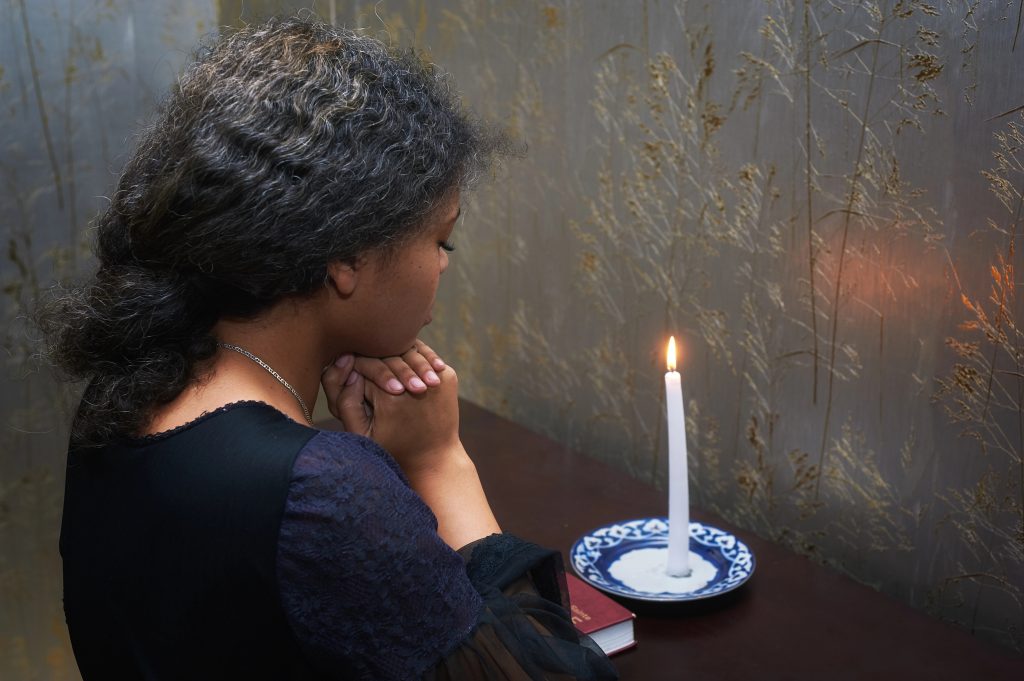
5. Seeking divine advice in the taking of normal decisions
Some Christians pray first and then make decisions whether on dating or change of job. It may sound like abdication of responsibility to a nonbeliever. It is more a form of discipline, a slowing down, an analysis of motives, a finding of a correspondence with a morality that they think is bigger than the self, to most believers.
This practice may also diminish individual decision-making to the level not a pure individual decision. Mediating this direction is often by community, pastoral counsel and common norms- aspects which may be unspoken when prayer is construed as an independent rite.
6. Language of sin to describe normal behavior
Sin may seem archaic to those who base morality on social contract or utilitarianism. Christian theology applies the definition of sin to not only breaking of the rule, but it also comprises of broken relationship with both God and neighbor, and a state that needs to be mended.
Moral language and spiritual anthropology have to be combined in this vocabulary; thus causing confusion. A sceptic would be condemned when a believer intended diagnosis. A believer can see sanity where a nonbeliever sees stigma.
7. Joan singing as a key element of worship
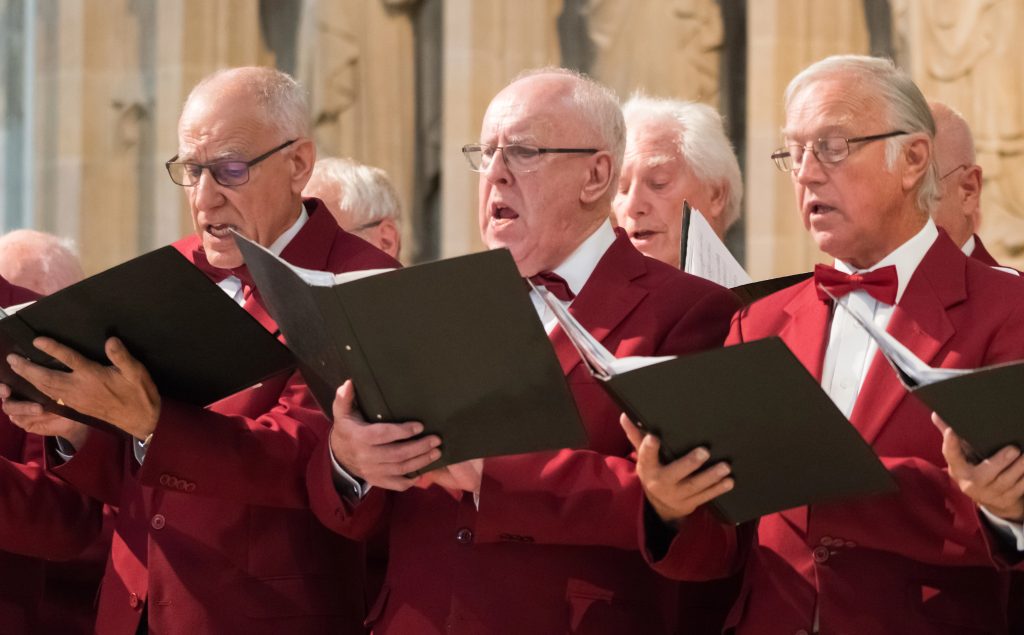
Collective singing towards an invisible God may appear weird in a secular context. But congregational music is a strong social technology, as well: breath togetherness, word togetherness, emotional togetherness, identity togetherness. The behavior and song-adoption work on worship-leader relate to the extent to which live, embodied singing influences the experiences and memories of people.
A research-focused account of worship music has characterized live events as a lab/test market, in which singing a new song can become internalized/embodied, and social-science terms like collective effervescence were discussed as well as research indicating that group singing can produce oxytocin, as in an analysis of live events and group singing written in the form of a survey of the worship-leader.
8. Making some outcomes miracles, not coincidence
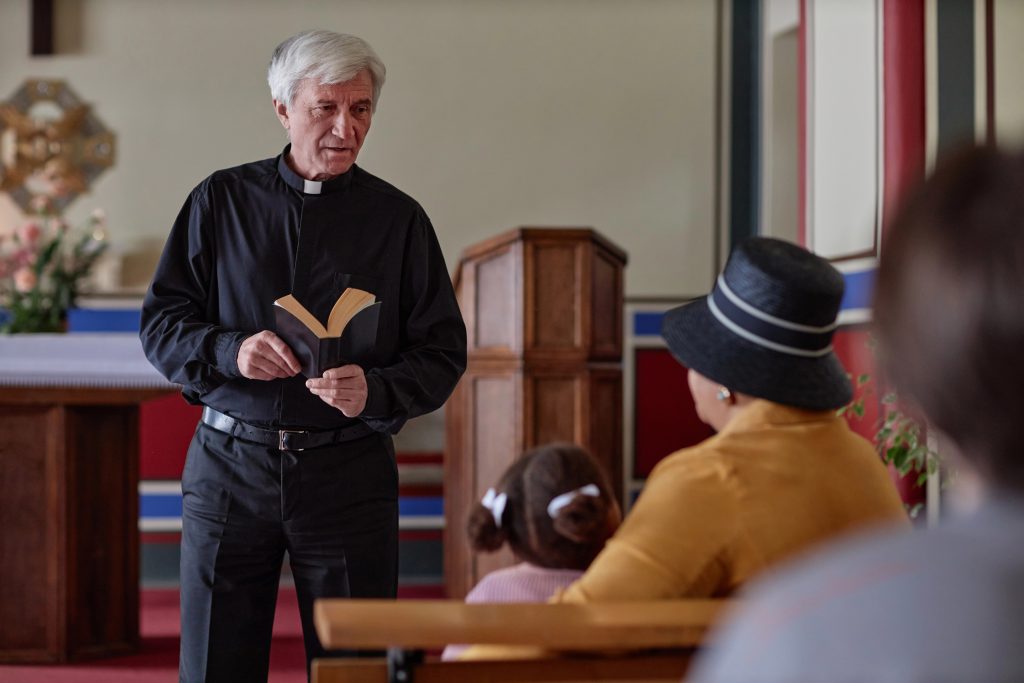
Miracle language may seem like an effort to avoid explanation. A significant number of Christians apply it more strictly, not to occasional occurrences, but to events they understand as the personal intervention of God.
Scientific interest in miracle belief has also shifted toward how belief functions, not whether it can be proven in a lab. A recent long-form piece on neuroscience and miracles described a researcher’s approach to miracles as events a person believes were influenced by supernatural agents, and it noted survey patterns such as 62% of religiously affiliated respondents reporting belief in religious miracles in 2018 within a long-running U.S. social survey series, as reported in a neuroscience-focused overview of miracle belief.
9. Orienting grief and risk around eternal life
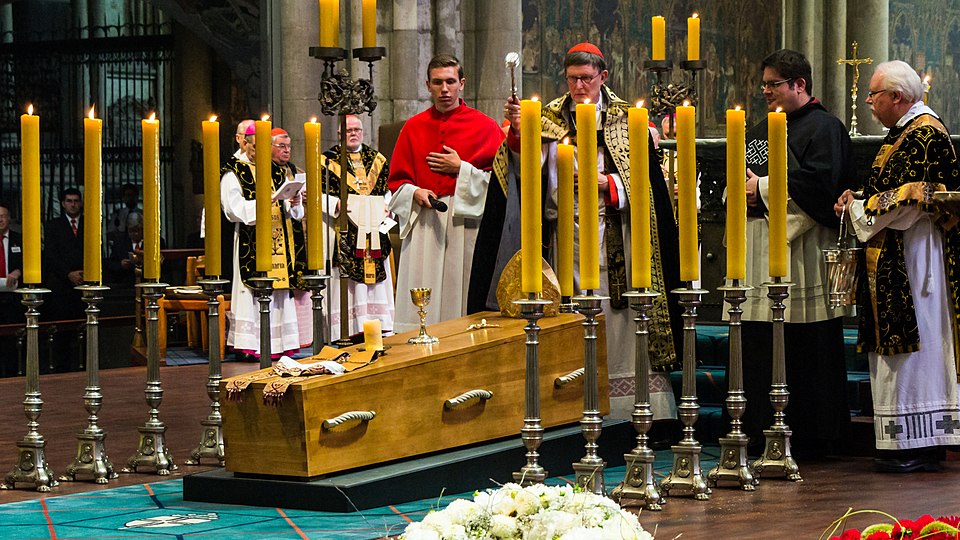
Hope in life after death is not only a doctrine; it can reshape how people interpret suffering, loss, and the moral weight of everyday choices. For nonbelievers, this can appear like denial. For believers, it can function as an organizing narrative especially when life becomes unavoidably finite.
Here, the puzzle is often practical rather than philosophical: why endure, forgive, or relinquish control if the world is only what can be seen? The Christian answer is typically not that pain disappears, but that it sits inside a larger story.
These practices can still feel alien from the outside. But seen up close, they often operate as repeatable ways of constructing meaning, sustaining community, and regulating emotion whether or not an observer accepts the underlying claims. Understanding that function does not require agreement. It requires attention to what the practices do in people’s lives, not only what they assert about the universe.

