
Quite a few stories about early America are so widespread that people stop checking where they come from. However, a lot of those half-true ideas have become everyday “facts,” while some completely false statements have somehow become recognized as being true. It’s time to find out the truth. Here are seven historical myths that some Americans still believe without question. Don’t feel embarrassed if you didn’t know these were false.

1. George Washington’s wooden teeth
So many people believe that our first president, George Washington, had teeth made of wood. But it’s quite frankly not true. Historian William M. Etter shared in the Mount Vernon Digital Encyclopedia that Washington did have dentures, yet these were made from ivory or metal. Some of them were made using human teeth. However, there’s no evidence he ever had any teeth made from wood, and it’s likely that the fact that Washington’s dentures were stained made people think they were wooden.
2. The Declaration of Independence was signed on July 4, 1776
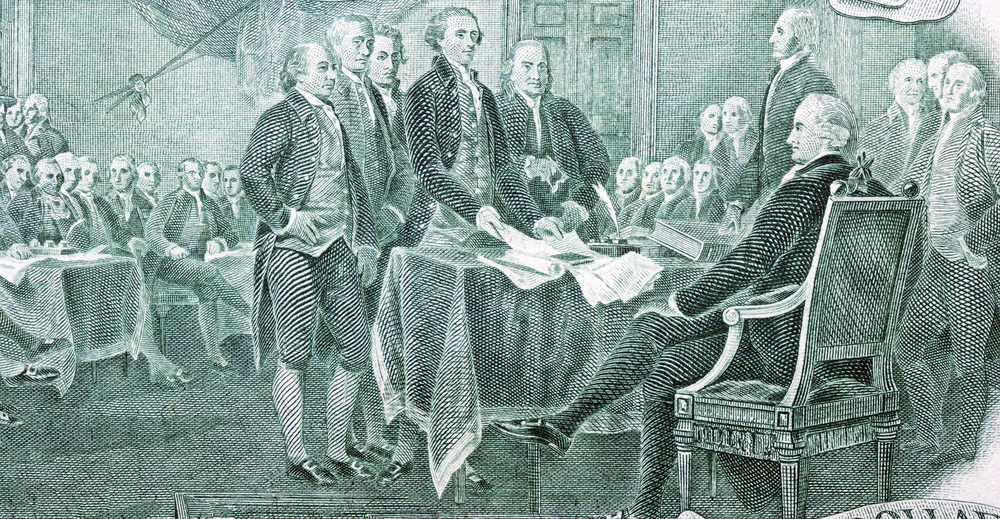
It’d be nice to imagine that the signing of the Declaration of Independence happened on one glorious day. Yet the National Archives actually show something else, as Congress only adopted the text on July 4th. It wasn’t until August 2nd that officials signed the parchment copy of the Declaration, which came after Timothy Matlack formally handwrote it. But most people think it all happened on July 4th because it makes for a much simpler story.
3. The Liberty Bell rang on July 4, 1776
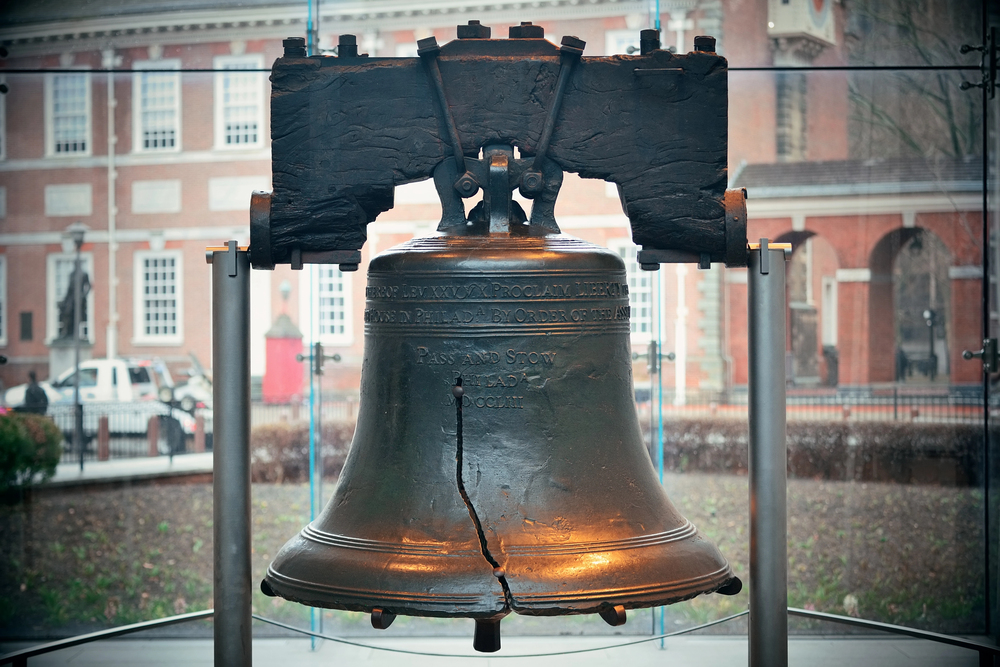
Another similar July 4th misconception is the idea that the Liberty Bell rang at the exact time America declared independence. It’s not true. Research from the National Park Service shows there’s no real evidence that the Liberty Bell rang that day, and historian Gary Nash independently said that the details about early celebrations came a lot later. It’s simply something that was added later to make the storytelling a little more patriotic.
4. Betsy Ross sewed the first U.S. flag
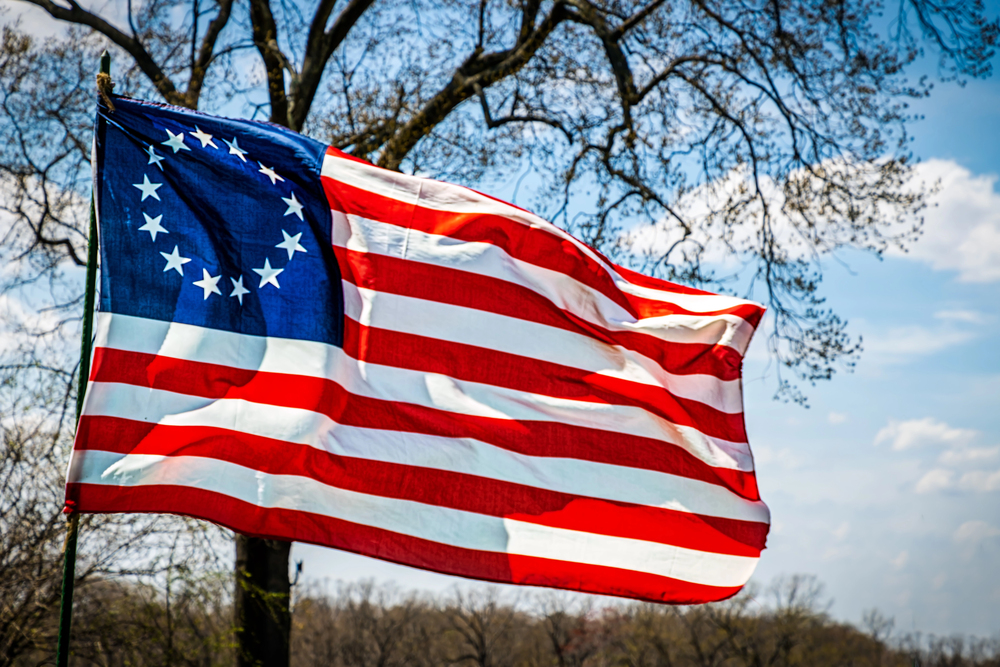
Despite what some people say, the story of Betsy Ross sewing the first American flag is false. The Smithsonian National Postal Museum describes the story of Ross as a legend that came from family storytelling, rather than anything based in reality. There are no records that indicate Ross helped to create the first national flag during the Revolutionary War. In fact, the history of the American flag is far more complicated than this, and contemporary writer George Henry Preble actually said nobody was sure who designed the 1777 flag.
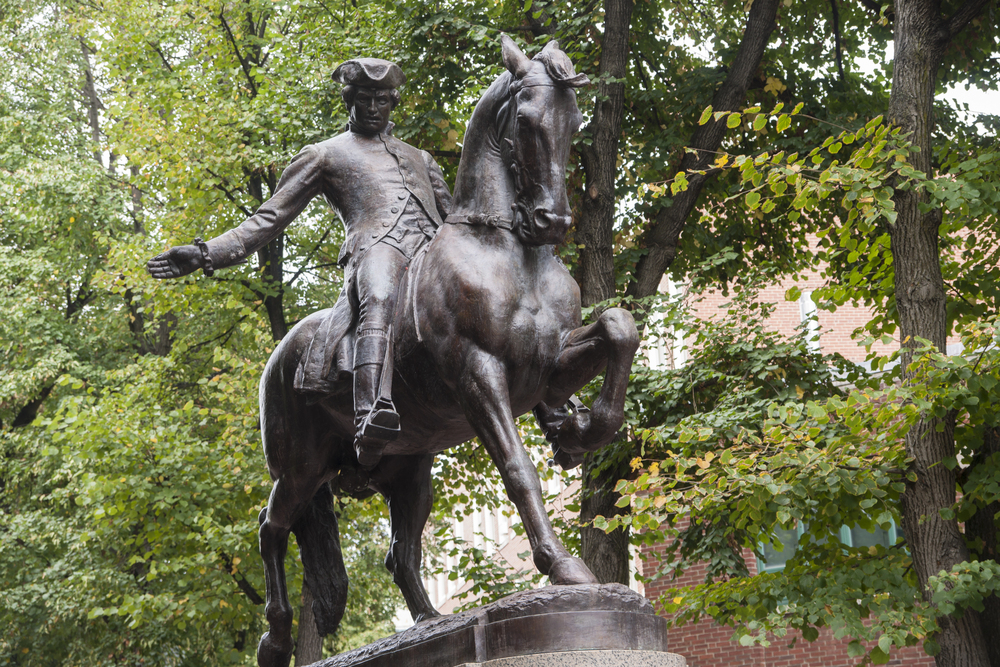
5. Paul Revere told people the British were coming
Henry Wadsworth Longfellow wrote a poem about Paul Revere that completely changed how people saw Revere’s ride. Sadly, it’s not true. Historians from the National Park Service stated that Revere telling people, “The British are coming,” wouldn’t make any sense because a lot of colonists at that time saw themselves as being British. In reality, contemporary accounts claim riders warned about “regulars” instead. The idea of Revere saying those famous words came a lot later as part of popular culture.

6. Salem witches were burned at the stake
While witch-burning did happen in Europe, there is zero evidence that any witches were ever burned at the stake in the United States. That includes during the Salem witch trials. Historians like Mary Beth Norton have clarified that the Salem executions mostly involved hangings, rather than burnings. One particularly brutal execution method was pressing, where the accused were crushed to death with heavy stones. However, there were no burnings.

7. Pilgrims always wore black outfits with shiny buckles
There are no records from the 1620s that show the all-black outfit with shiny buckles that we associate with the Pilgrims. The truth is, the idea of them wearing buckles appeared during the 1800s. Historian James W. Baker stated that painters wanted people to be able to immediately recognize the Pilgrims from their appearance, so they created a standard outfit for them. Surviving clothing inventories indicate the real colonists wore a mix of colors. These included browns, greens, reds, and other dyed fabrics, rather than only black. Buckles weren’t even a standard fashion accessory at that time, anyway.
Of course, old myths don’t come out of nowhere, and a lot of them come from poems or family stories. A few appeared because of attempts to simplify or patriotize the timeline. However, while nobody’s deliberately trying to spread fake stories, it’s well worth knowing the truth behind some of the most common myths.

